How to Choose Who to See for a Dental Crown
Wondering who to see for a dental crown? Learn when a general dentist is enough, when to see a specialist, and what to ask first.
Key Takeaways
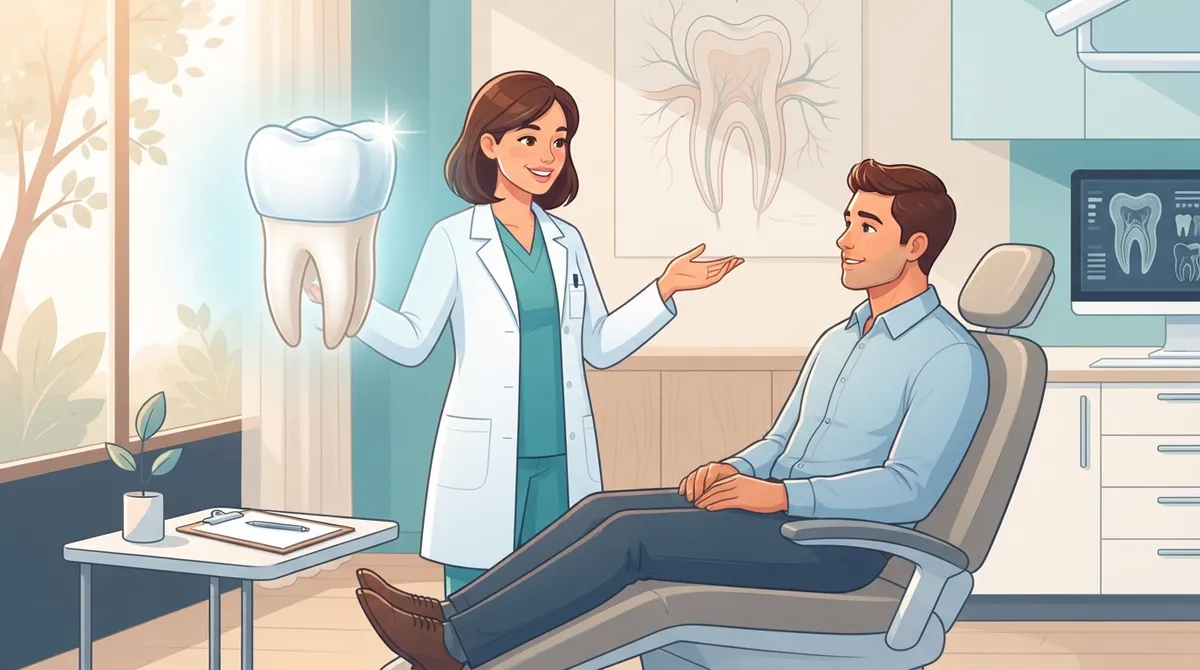
- For most people, a general dentist is the best first stop for a dental crown, since they can examine the tooth, explain options, and place the crown.
- Consider a prosthodontist for complex cases like multiple crowns, major bite problems, aesthetic front teeth, or crowns that have failed repeatedly.
- A root canal specialist (endodontist) becomes relevant when the tooth nerve is infected, and the crown decision usually follows whether the tooth can be saved.
- Before agreeing to a crown, ask whether it's truly necessary, what alternatives exist, whether a root canal is needed first, and request a written cost estimate.
- Don't delay if a tooth is broken, cracked, or painful; a prompt exam can prevent a fixable problem from becoming a bigger one.
So you've been told you might need a crown, or maybe a tooth just cracked while you were munching on something crunchy. Now you're staring at your phone thinking, who should I see for a dental crown? Take a breath. You're in good company, and the answer is simpler than you might think.
For most people, the best first stop is a trusted general dentist. A general dentist can check your tooth, explain your options, and place the crown. If your case is tricky, they can also point you to a specialist. This guide walks you through how to pick the right provider, what to ask, and what to expect along the way.
Whether you're a busy parent juggling a full calendar, someone who gets nervous in the dental chair, or a senior who wants gentle care, you'll find clear steps here. Let's get your smile back on track.
What a Dental Crown Actually Does
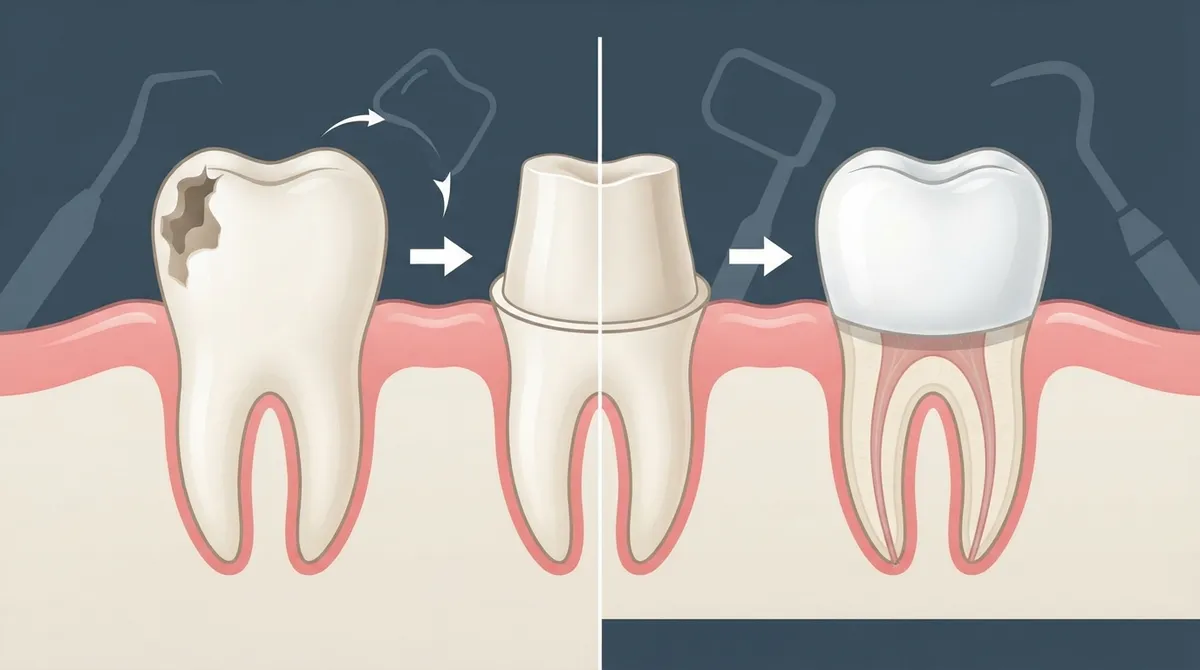
A crown is a cap that fits over a prepared tooth. It restores the tooth's shape, strength, and look. Think of it like a snug helmet for a tooth that has lost too much of its own structure.
Your dentist may suggest a crown when a tooth has:
- Extensive decay or a very large filling
- A crack or fracture
- Heavy wear from grinding or age
- Had a root canal and is missing a lot of tooth structure
A crown is not always the answer, though. A good dentist will look at your tooth, gums, bite, and decay risk before recommending one. Not sure if your tooth really needs one? Our guide on when a weak tooth actually needs a crown can help.

Who Should You See for a Dental Crown?
The short answer: start with a general dentist. Here is a quick look at who does what.
| Provider | Best For | When to Choose |
|---|---|---|
| General dentist | Routine single-tooth crowns | Most first-time crown needs |
| Prosthodontist | Complex restorations and aesthetics | Multiple crowns, major bite problems, or repeated crown failure |
| Endodontist | Root canal treatment | When the tooth nerve is infected or inflamed |
Start With a General Dentist
General dentists assess, prepare, and fit crowns every day. They can also tell you whether you need another specialist. For a routine crown, you often do not need to look any further. A local, family-friendly office also means easy follow-ups if something feels off. Learn more in our post on dental crown installation in Ocoee.
When a Prosthodontist Makes Sense
A prosthodontist is a dentist with advanced training in restoring and replacing teeth. You might ask for a consult if you have:
- Several crowns needed at once
- Tricky front-tooth aesthetics
- Major bite problems
- Very little healthy tooth left
- A crown that has failed more than once
When an Endodontist Gets Involved
If your tooth may need a root canal, your general dentist will examine it first. They may treat it or refer you to an endodontist, a root canal specialist. The crown decision usually comes after the dentist checks whether the tooth can be saved. Our article on crowns versus fillings after a root canal explains this in more detail.
How to Pick the Right Dentist: A Step-by-Step Guide
Not all dental offices feel the same. Use these steps to find a provider you trust.
- Get your tooth checked first. Don't pick a provider just because of the word "crown." A broken or painful tooth needs a proper exam before any plan is made.
- Look for experience and reviews. Read patient feedback about comfort, honesty, and results. Our tips on spotting a dentist with great reviews can guide you.
- Ask about technology. Modern scanners can replace goopy impressions. Some offices can even offer faster crown options.
- Check insurance and payment options. A good office will explain costs up front and offer financing if you need it.
- Pay attention to how you feel. Do they listen? Do they explain things in plain words? Trust your gut.
Questions to Ask Before You Say Yes to a Crown
A great dentist welcomes questions. Bring this list to your visit:
- Is a crown truly the best option for my tooth?
- Are there other choices, like a filling, onlay, or bonding?
- Will I need a root canal first?
- What material do you recommend, and why?
- How many visits will this take?
- What will it cost, and what will insurance cover?
- How long should this crown last?
Curious about materials? Take a peek at these porcelain dental crown facts or zirconia crown facts before your appointment.
What to Expect During the Crown Process
Knowing the steps takes the mystery out of it. A traditional crown usually goes like this:
- Exam and X-rays. Your dentist checks the tooth and the roots beneath it.
- Tooth preparation. The tooth is gently shaped so the crown can fit over it. Numbing makes this comfortable.
- Scan or impression. This records the exact shape of your tooth and bite.
- Temporary crown. A temporary cap protects your tooth while the permanent one is made.
- Final fitting. At a later visit, your dentist checks the fit, bite, and color, then cements the permanent crown.
The timing depends on the office and whether same-day technology is available. If you want to plan your schedule, our guide on planning your time for a crown procedure is a handy read.
Special Tips for Different Patients
For Anxious Patients
If dental visits make your palms sweat, you are far from alone. Look for an office with a calm, spa-like feel and a team that takes time to explain every step. Soothing music, blankets, and aromatherapy can make a big difference. You can read more about why a spa-like atmosphere makes dental visits better.
For Busy Families
Choose a practice that treats the whole household. One trusted office means fewer trips and one team who knows your family's history. Check out these family dentistry services for ideas.
For Seniors
Older adults often have existing fillings, worn teeth, or gum concerns. Look for a gentle dentist who moves at your pace and uses modern tools to keep visits comfortable.
For Cosmetic Goals
If a front tooth needs a crown, color and shape matter a lot. Ask to see before-and-after photos. Our post on whether a crown will look natural shares what to expect.
Don't Wait If Your Tooth Hurts
Here is the big one: don't pick a crown provider based only on the procedure name. If a tooth is broken, cracked, or painful, get it checked soon. Waiting can turn a fixable problem into a bigger one.
Severe swelling, fever, or trouble swallowing or breathing needs urgent medical or dental care right away. If a crown has come loose or fallen out, see our advice on what to do when a crown falls off.
How Much Will a Crown Cost?
Costs vary based on the material, the tooth, and your insurance. The best way to avoid surprises is to ask for a written estimate before treatment. Many offices accept major insurance plans and offer payment options to spread out the cost. For a closer look, read how much a dental crown costs near you in 2026, or explore ways to get affordable dental crowns in Ocoee.
Why Ocoee Patients Trust Charming Smiles
If you live in or near Ocoee, Charming Smiles of Ocoee is a friendly place to start. Led by Dr. Aliuska Lopez, a respected "smile expert," our team offers gentle, personalized care in a relaxing, spa-like setting. We handle general and cosmetic dentistry, including crowns and bridges, all under one roof. You can learn more about our crowns and bridges or see what neighbors say when you visit us on Google — Charming Smiles of Ocoee.
We also keep things easy on your wallet, with flexible financing and a dental savings plan. Want to see our latest offers? Check our current specials. And if you like staying in the loop, follow the Charming Smiles Facebook page for tips and updates.
Your Next Step
Choosing who to see for a dental crown does not have to feel overwhelming. Start with a caring general dentist, ask good questions, and let them guide you on whether a specialist is needed. Your smile deserves a team that listens.
Ready to get your tooth checked? Book online or call us at (407) 378-3704. You can also find our location at 315 West Rd, Ocoee, FL 34761. We would love to help you smile with confidence again.
FAQs
Q: Should I see a general dentist or a prosthodontist for a dental crown?
A: For most routine single-tooth crowns, a general dentist is a great place to start. They can examine your tooth, place the crown, and refer you if your case is complex. A prosthodontist is helpful for tricky cases like multiple crowns, major bite issues, or crowns that keep failing.
Q: Do I need a root canal before getting a crown?
A: Not always. If the tooth nerve is infected or damaged, a root canal may come first, and then a crown protects the tooth. Your dentist will check the tooth's condition and tell you what makes sense.
Q: How many appointments does a dental crown usually take?
A: A traditional crown often takes two visits: one to prepare the tooth and place a temporary crown, and another to fit the permanent one. Some offices with same-day technology can shorten that, so it's smart to ask what your dentist offers.
Q: What should I do if my crown is loose, cracked, or has fallen out?
A: Call your dentist as soon as you can so the tooth stays protected. Keep the crown if you have it, avoid chewing on that side, and don't try to glue it back yourself. Quick care can save you from bigger problems.