How to Plan Your Time for a Dental Crown Procedure
Learn exactly how long a dental crown procedure takes, from prep to placement, plus same-day crown options at Charming Smiles of Ocoee.
Key Takeaways
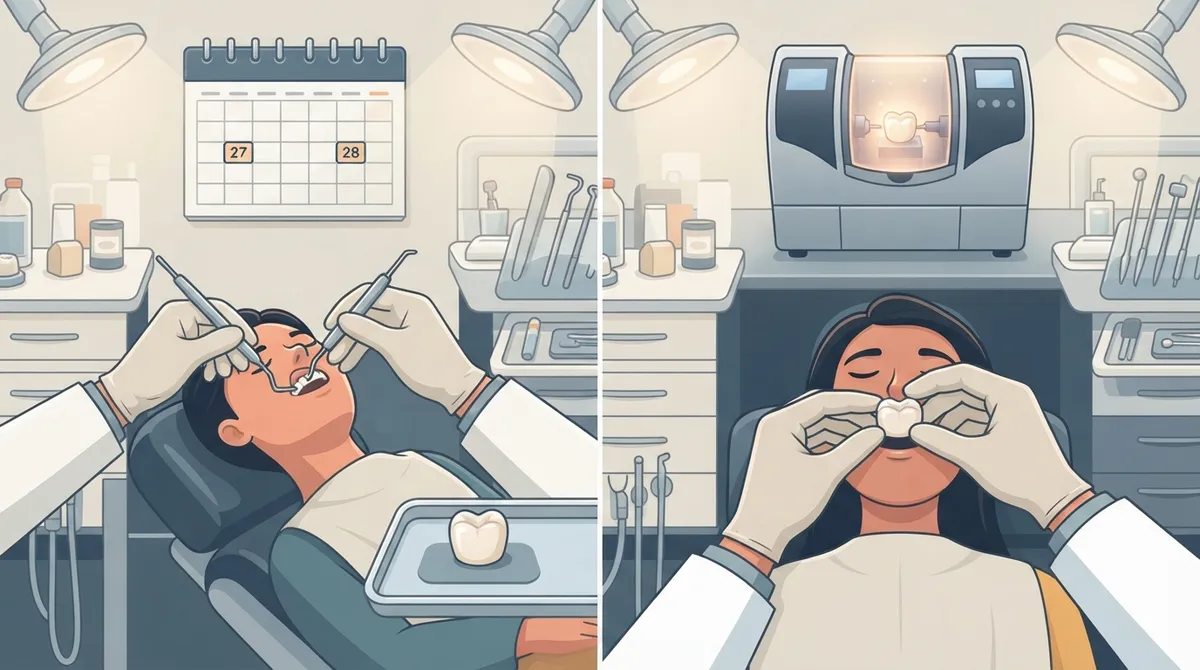
- Traditional crown procedures require two visits spanning 2-3 weeks: the first appointment takes 60-90 minutes for tooth preparation and impression, while the second visit takes 30-60 minutes for permanent crown placement.
- Same-day crown technology offers a faster alternative, completing the entire procedure in a single 2-3 hour visit using in-office milling machines, eliminating the need for temporary crowns and lab wait times.
- The 2-3 week gap between visits allows dental labs to custom-craft your crown with precise shaping, coloring, and quality checks to ensure proper fit and natural appearance with your existing teeth.
- Complex cases may require additional time due to extensive decay removal, core buildup for damaged teeth, gum treatment, or necessary root canal therapy beforehand, potentially extending your overall timeline by several weeks.
- After crown placement, mild sensitivity to temperature and a slightly different bite feel are normal and typically fade within a week; avoid hard foods and wait for numbness to subside before eating.
- Proper preparation before your appointment—eating beforehand, asking specific timeline questions, and understanding your insurance coverage—helps ensure a smooth procedure and prevents unexpected delays or scheduling conflicts.
Wondering how long a crown procedure takes before you book your appointment? You're not alone. This is one of the most common questions patients ask before getting a dental crown, and it's a smart one to ask. Knowing what to expect helps you plan your work schedule, arrange childcare, or simply feel less nervous about the visit.
At Charming Smiles of Ocoee, we get this question every single week. Whether you're a busy parent trying to fit a dental visit between school pickups, or someone who's put off treatment because of dental anxiety, understanding the timeline can make the whole process feel much easier. Let's walk through exactly what to expect, step by step, so you can plan with confidence.
How Long Does a Crown Procedure Take Overall
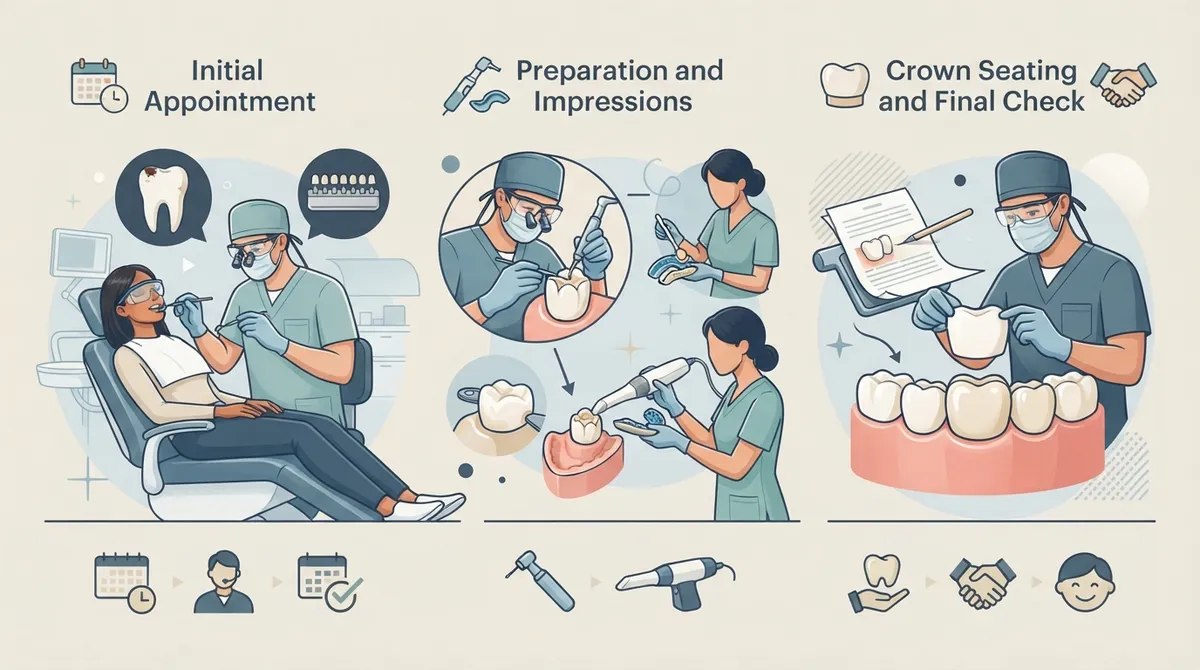
Most traditional crown procedures need two separate visits. These visits usually happen two to three weeks apart. The first appointment takes about 60 to 90 minutes. The second one is shorter, usually 30 to 60 minutes.
So in total, you're looking at roughly 90 to 150 minutes of actual chair time. But the whole process, from your first visit to the final crown placement, spans about two to three weeks. That gap is not wasted time. It's when a dental lab crafts your custom crown to match your tooth perfectly.
If you're short on time or hate the idea of two visits, same-day crowns might be right for you. We'll cover that option shortly.
Step-by-Step: What Happens During Each Visit
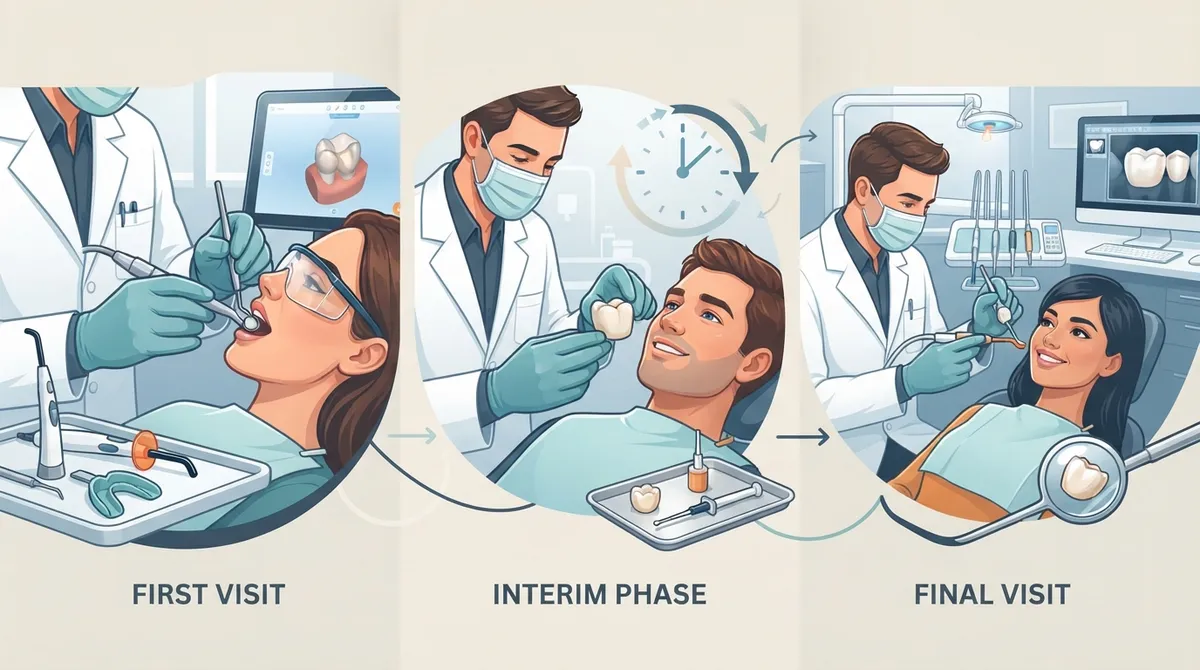
Understanding each step makes the whole process less mysterious. Here's what typically happens during a traditional two-visit crown treatment:
- Numbing and preparation: Your dentist applies local anesthetic so you stay comfortable. This takes just a few minutes to fully take effect.
- Removing decay or damage: Any decayed or weakened tooth structure gets removed carefully.
- Shaping the tooth: Your dentist reshapes the tooth so the crown will fit snugly over it.
- Taking an impression or scan: A physical mold or digital scan captures the exact shape of your tooth. This information goes to the lab that makes your crown.
- Placing a temporary crown: While you wait for your permanent crown, a temporary one protects your tooth.
- Second visit for placement: Once your permanent crown arrives, your dentist removes the temporary one, checks the fit, color, and bite, then cements it in place.
Each of these steps matters for a crown that looks natural and lasts for years. Rushing through any part could lead to a poor fit or discomfort down the road.
Why the Lab Turnaround Takes Two to Three Weeks
Many patients ask why they need to wait so long between visits. The answer is simple. Your crown is custom-made just for you. A dental laboratory uses your impression or scan to craft a crown that matches your tooth's shape, size, and color.
This process takes time because:
- The lab needs to create a precise mold based on your impression
- Skilled technicians shape and color the crown to blend with your natural teeth
- Quality checks ensure the crown will fit and function properly
- Shipping time between the lab and your dental office adds a few days
During this waiting period, you'll wear a temporary crown. It's not as strong as your permanent one, so be gentle with it. If it ever feels loose, cracks, or causes real pain, call your dentist right away.
Same-Day Crowns: A Faster Option
If waiting weeks doesn't fit your schedule, ask about same-day crowns. This technology lets your dentist design, create, and place a crown all in one visit. The appointment usually takes about two to three hours.
Here's how same-day crowns work:
| Feature | Traditional Crown | Same-Day Crown |
|---|---|---|
| Number of visits | 2 | 1 |
| Total time span | 2-3 weeks | 2-3 hours |
| Temporary crown needed | Yes | No |
| Lab involvement | Off-site lab | In-office machine |
| Best for | Most cases | Select cases |
Same-day crowns use in-office technology to design and mill your crown right there in the dental chair. It's a great option for busy families and anyone who wants to skip the temporary crown stage. That said, not every dental office offers this technology, and not every tooth is a good candidate for it. Your dentist will let you know if this approach works for your situation.
What Can Make Your Crown Procedure Take Longer
Sometimes a crown procedure takes more time than expected. This usually isn't cause for worry, but it helps to know what factors can extend your timeline.
- Extensive decay removal: If your tooth has significant decay, cleaning it out thoroughly takes more time.
- Core buildup needed: When too much of the tooth is missing, your dentist may need to build up the structure before shaping it for a crown.
- Gum treatment: Sometimes gum tissue needs adjustment before a crown can be placed properly.
- Root canal treatment first: If the tooth's nerve is infected or badly damaged, you'll likely need a root canal before the crown. This adds a separate appointment and extends your overall calendar timeline by several weeks.
- Additional imaging: Complex cases sometimes call for extra X-rays or scans to plan treatment accurately.
If you're dealing with a more involved dental issue, our team can walk you through root canals and how they connect to crown placement. We'll always explain your specific timeline clearly before starting any work.
What to Expect After Your Crown Is Placed
Once your permanent crown is cemented, you might feel a little numb for a few hours from the local anesthetic. It's smart to wait until feeling returns before eating, so you don't accidentally bite your cheek or tongue.
Here's what most patients notice after treatment:
- Mild sensitivity to hot or cold for a few days is normal
- Your bite might feel slightly different until you get used to the new crown
- Eating soft foods for the first day is a good idea, especially if you had a root canal beforehand
- Any lingering discomfort should fade within a week
With proper care, a well-made crown can last many years. Good oral hygiene, regular checkups, and avoiding hard foods like ice all help protect your investment. Learn more about crowns & bridges and how to care for them long-term.
Why Choosing the Right Dental Team Matters
Not every dental office handles crown procedures the same way. The skill of your dentist, the quality of materials used, and the technology available all affect how smooth and efficient your treatment feels.
At Charming Smiles of Ocoee, Dr. Aliuska Lopez and her team focus on precise, comfortable care for every patient. We understand that dental anxiety is real, so we've created a relaxing, spa-like environment to help you feel at ease during your visit. Whether you need a simple crown or a more complex treatment involving dental implants, we walk you through every step so there are no surprises.
We also know that busy families and working professionals need flexible scheduling options. That's why we try to make the process as efficient as possible without cutting corners on quality. You can book online at a time that fits your life.
Tips to Make Your Crown Appointment Go Smoothly
A little preparation goes a long way toward a stress-free visit. Consider these tips before your appointment:
- Eat a good meal beforehand, especially if you'll be numb afterward and can't eat right away
- Ask questions about your specific timeline so you know what to expect
- Bring headphones or a book if you tend to feel anxious during dental visits
- Plan your schedule around the numbness, which can last a few hours after your appointment
- Ask about financing if cost is a concern; many offices offer flexible payment plans and accept various insurance plans
If dental anxiety has kept you from getting the care you need, know that modern dentistry has come a long way. Comfort-focused practices use gentle techniques, calming environments, and clear communication to make the experience much easier than you might expect.
Frequently Searched Timeline Questions
Beyond the basic timeline, patients often want specifics about their unique situation. For example, someone needing a crown after a root canal will have a longer overall process because root canal treatment itself typically takes 60 to 90 minutes, sometimes requiring multiple visits for more complex infections.
Similarly, patients with dental insurance often want to know how coverage affects their timeline. While insurance doesn't usually speed up or slow down the physical process, it can affect scheduling if pre-authorization is needed. Our team can help you understand your insurance & financing options before treatment begins so there are no delays or surprises.
Ready to Get Started
Now that you know how long a crown procedure takes, you can plan your visit with confidence. Whether you need a traditional two-visit crown or want to explore same-day options, our friendly team at Charming Smiles of Ocoee is here to help every step of the way.
Don't let a damaged or weakened tooth wait any longer. The sooner you address it, the simpler and more affordable your treatment usually is. Feel free to call us at (407) 378-3704 to schedule your consultation and get a personalized timeline for your specific needs.
Want to see what other patients in our community are saying? You can visit us on Google — Charming Smiles of Ocoee to read real reviews, or check out our Charming Smiles Facebook page and Charming Smiles Instagram page for smile transformations and helpful dental tips. We're proud to be a trusted choice for families throughout Ocoee, and we'd love to welcome you to our location soon.
FAQs
Q: How long does a dental crown appointment take?
A: The first appointment usually takes 60 to 90 minutes for prepping your tooth and taking an impression. The second visit, when your permanent crown gets placed, is shorter at about 30 to 60 minutes. So plan for a bit of time, but it's not an all-day affair!
Q: Can a dental crown be completed in one day?
A: Yes, if your dentist offers same-day crown technology! This lets you skip the temporary crown and lab wait entirely. The whole process, from prep to placement, happens in one visit lasting about two to three hours.
Q: How long do I need to wait for my permanent crown after the temporary one?
A: Typically, you'll wear your temporary crown for about two to three weeks while the dental lab crafts your permanent one. This gives skilled technicians time to create a crown that matches your tooth perfectly.
Q: Does getting a crown hurt, and how long does numbness last?
A: Most patients feel little to no pain during the procedure thanks to local anesthetic. Numbness typically lasts a few hours afterward, so it's smart to wait before eating anything that requires a lot of chewing.
Q: What can delay a dental crown procedure?
A: A few things can extend your timeline, like needing a root canal first, extensive decay removal, or a core buildup for a badly damaged tooth. Your dentist will always explain if your case needs extra steps before moving forward.