14 Porcelain Dental Crown Facts Ocoee Patients Love
Discover 14 friendly facts about porcelain dental crowns, from cost and care to how Ocoee's Charming Smiles makes the process easy.
Key Takeaways
- All-porcelain crowns cost $800-$2,000 per tooth and look most natural for front teeth, while porcelain-fused-to-metal crowns ($700-$1,600) offer extra strength for back teeth but may show a dark line if gums recede.
- Most porcelain crowns last 5-15 years or longer with proper care including twice-daily brushing, daily flossing, avoiding hard foods, wearing a night guard if you grind, and regular dental checkups.
- Dental insurance typically covers 50% of crown costs after deductible as a major restorative service, so verify your specific plan benefits before treatment and ask about financing options to spread costs.
- Mild sensitivity after crown placement is normal and usually resolves within days to weeks; if it persists, contact your dentist immediately as a bite adjustment may be needed.
Got a cracked tooth or an old filling that's seen better days? You're not alone. Many folks in Ocoee walk into our office feeling a little worried about what comes next. Good news: porcelain dental crowns are one of the kindest, most reliable fixes in modern dentistry. They protect your tooth, look natural, and let you get back to smiling without a second thought.
At Charming Smiles of Ocoee, Dr. Aliuska Lopez and her team have helped countless neighbors restore damaged teeth with crowns that feel comfortable and look like the real thing. In this friendly guide, we'll walk through 14 things you should know about porcelain dental crowns in 2026, from cost to care tips. Grab a cup of coffee, and let's talk smiles.
1. What Porcelain Dental Crowns Actually Are
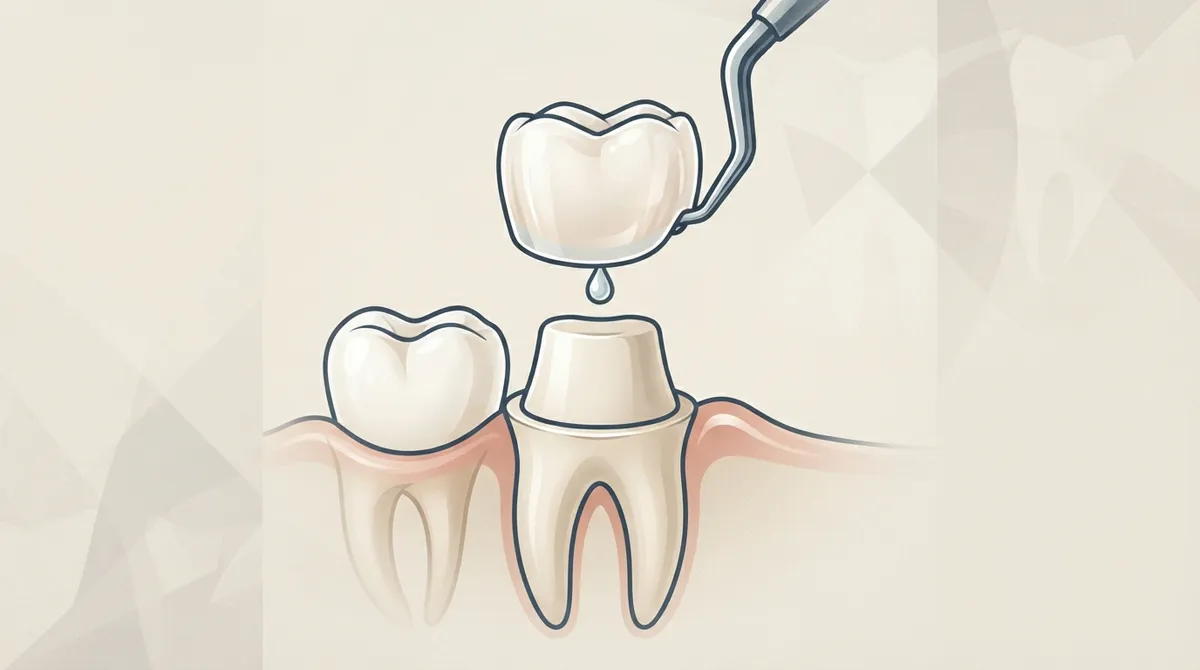
A porcelain dental crown is a tooth-shaped cap. It fits snugly over a tooth that's been weakened, cracked, or worn down. Think of it like a helmet for your tooth. It restores shape, strength, and that beautiful, natural look.
Some crowns are made completely from porcelain or ceramic. Others use porcelain fused to a metal base, often called PFM crowns. Both options have their place, and your dentist will help pick the right one for your smile.
2. Why Someone Might Need a Crown
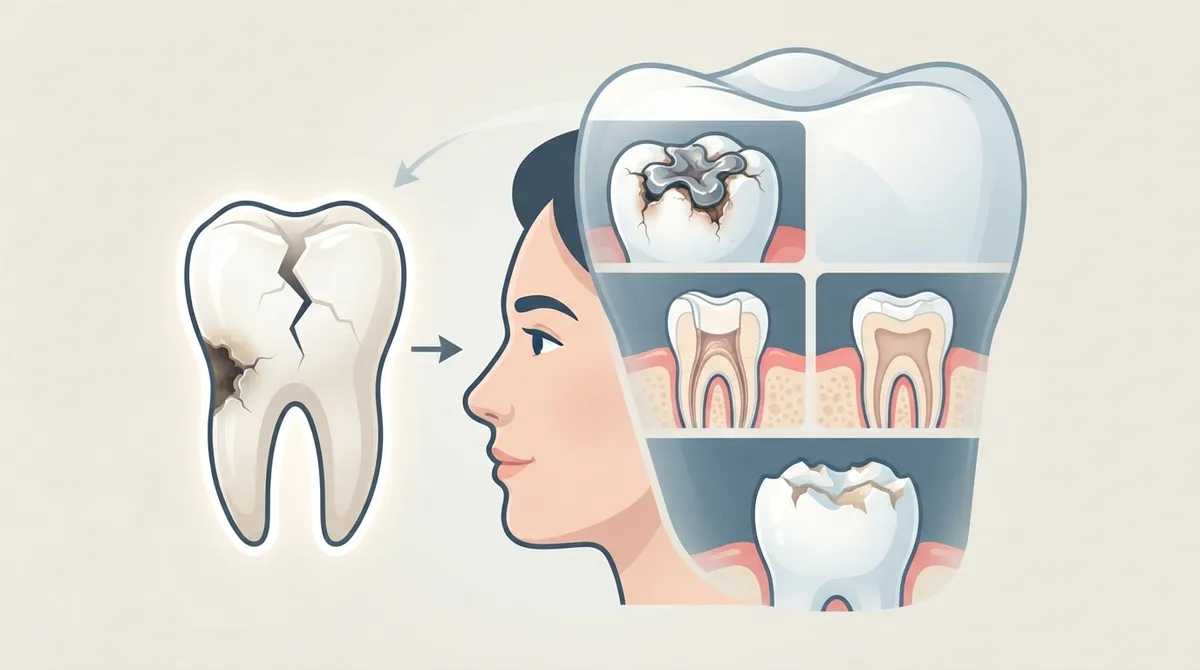
You might need a dental crown for several reasons. Here are the most common ones:
- Large cavities that a filling can't fix anymore
- Cracked or fractured teeth from grinding or injury
- Teeth that are worn down from years of chewing
- Discolored or oddly shaped teeth that affect your smile
- Teeth that just had a root canal and need extra protection
Not every damaged tooth needs a crown, though. Your dentist checks how much healthy tooth is left before deciding. Sometimes a filling or bonding does the trick just fine.
3. All-Porcelain Crowns Look the Most Natural
If you're worried about a fake-looking smile, all-porcelain or all-ceramic crowns are your best friend. They can be shade-matched to your other teeth, so nobody will notice a difference. Many patients pick these for front teeth since they show the most when you smile or laugh.
These crowns are also a great pick if you have a metal sensitivity. No metal means no worries about reactions.
4. Porcelain-Fused-to-Metal Crowns Bring Extra Strength
PFM crowns combine a metal frame with a porcelain outer layer. This gives you the strength of metal with the appearance of a natural tooth. They work well on both front and back teeth.
There's one small tradeoff. If your gums recede over time, a thin dark line might show at the gum edge. It's a minor detail most patients never notice, but it's worth knowing about upfront.
5. The Crown Procedure Step-by-Step
Wondering what actually happens during your appointment? Here's the typical process:
- Your dentist examines the tooth and takes X-rays to check the roots and bone
- The damaged or decayed part of the tooth gets removed
- The tooth gets reshaped to make room for the crown
- An impression or digital scan is taken to create your custom crown
- A temporary crown is placed while the lab makes your permanent one
- At your next visit, the dentist checks the fit, color, and bite before cementing it in place
Some dental offices use same-day CAD/CAM technology to make crowns in a single visit. This skips the temporary crown step entirely, which many busy parents and professionals appreciate.
6. How Much Does a Porcelain Crown Cost?
Cost is usually top of mind, and that's totally fair. According to Cleveland Clinic, crown pricing varies based on material and location. Here's a general breakdown for 2026:
| Crown Type | Typical Price Range Per Tooth |
|---|---|
| All-Porcelain or All-Ceramic Crown | $800 – $2,000 |
| Porcelain-Fused-to-Metal Crown | $700 – $1,600 |
| Overall Range (varies by complexity) | $500 – $3,000 |
Keep in mind that extra steps, like a root canal or core buildup, may add to the total cost. That's why a personal consultation matters. Our team offers insurance & financing options to help spread out the cost so quality care never feels out of reach.
7. Does Dental Insurance Help Cover Crowns?
Many dental insurance plans classify crowns as a major restorative service. That usually means the plan pays around 50% of the allowed amount after your deductible, though this depends on your specific plan.
Waiting periods, annual limits, and network rules can all affect your coverage. We recommend checking your dental savings plan or insurance benefits before treatment. Our friendly front desk team is happy to help verify your benefits ahead of time.
8. How Long Do Porcelain Crowns Actually Last?
Here's the good news: porcelain crowns are built to last. Most crowns hold up for about 5 to 15 years with proper care. Some patients enjoy their crowns for 20 years or more.
Longevity depends on a few things:
- How well you brush and floss around the crown
- Whether you grind your teeth at night
- The bite forces on that specific tooth
- How well the crown fits from the start
- Regular dental checkups to catch small issues early
9. Simple Ways to Care for Your New Crown
Taking care of a crown is a lot like caring for your natural teeth. Here's what we recommend:
- Brush twice daily with fluoride toothpaste
- Floss gently around the crown every day
- Avoid chewing on hard objects like ice or pens
- Wear a night guard if you grind your teeth
- Keep up with regular cleanings and checkups
If your crown ever feels loose, chips, or causes ongoing pain, call your dentist right away. Quick action almost always means an easier fix.
10. Is Some Sensitivity Normal After Getting a Crown?
Yes, mild sensitivity to hot, cold, or biting pressure is common right after crown placement. This usually settles down within a few days to a couple of weeks.
If sensitivity sticks around longer than that, or gets worse, give us a call. It could mean the bite needs a small adjustment, which is a quick fix in most cases.
11. Can a Porcelain Crown Crack or Fall Out?
Porcelain crowns are strong, but they're not indestructible. Chewing on ice, hard candy, or using your teeth as tools can cause chips or cracks over time.
Crowns can also loosen if the cement wears down or if decay develops underneath. This is why regular dental visits matter so much. Catching a small problem early is much easier than fixing a bigger one later.
12. Crowns vs. Veneers: What's the Difference?
People often mix these two up, so let's clear it up. A crown covers the entire visible part of a tooth. A veneer only covers the front surface.
Crowns are usually for teeth that need structural support after damage or decay. Veneers are more about cosmetic changes, like fixing minor chips or discoloration. Your dentist can help you figure out which one fits your situation best.
13. When a Root Canal Comes Into Play
Sometimes a tooth needs more than just a crown. If the inner pulp is infected or badly inflamed, a root canal might be needed first. The crown then goes on top to protect the treated tooth.
A crown by itself doesn't treat infection. That's why a thorough exam and X-rays are so important before any treatment plan is made.
14. Why Ocoee Families Trust Charming Smiles for Crowns
Getting a crown shouldn't feel scary. At Charming Smiles of Ocoee, we've built a spa-like space where nervous patients can relax with soothing music, cozy blankets, and a caring team that explains every step. Dr. Lopez is known around Ocoee as a true smile expert who takes the time to listen.
We also make it easy to see real patient experiences. Feel free to check out our Charming Smiles Facebook page or browse photos on our Charming Smiles Instagram page. You can also visit us on Google — Charming Smiles of Ocoee to see what neighbors near Publix in Ocoee are saying about their own crown experiences.
Whether you're a busy parent juggling appointments, a senior looking for gentle care, or someone who's simply nervous about the dentist, we've got you covered. Check out our full range of services to see how we can help protect and restore your smile.
Ready to Protect Your Smile?
Porcelain dental crowns are a trusted, proven way to fix damaged teeth while keeping your smile looking natural. With the right care, they can last for many years and give you back the confidence to smile freely.
If you think you might need a crown, don't wait until the pain gets worse. Reach out to our friendly team today and call us at (407) 378-3704 to schedule your visit. You can also stop by our location near Publix in Ocoee, or book online whenever it's convenient for you. We can't wait to help you feel good about your smile again.
FAQs
Q: How much do porcelain dental crowns cost per tooth?
A: All-porcelain crowns typically run between $800 and $2,000 per tooth, while porcelain-fused-to-metal options range from $700 to $1,600. The exact price depends on your tooth's condition and whether extra treatment, like a root canal, is needed. Our team is happy to walk you through financing options so cost never stands in the way of a healthy smile.
Q: How long do porcelain dental crowns last?
A: Most porcelain crowns last between 5 and 15 years with good care, and some go even longer. Brushing, flossing, and regular checkups make a huge difference. Think of it like taking care of a good pair of shoes: a little maintenance goes a long way!
Q: Are porcelain dental crowns better than porcelain-fused-to-metal crowns?
A: It really depends on your needs. All-porcelain crowns look more natural and are great for front teeth, while porcelain-fused-to-metal crowns offer extra strength for back teeth that handle heavy chewing. Your dentist will help you choose based on the tooth's location and your smile goals.
Q: Is it normal to feel sensitivity after getting a crown?
A: Yes, mild sensitivity to hot, cold, or pressure is pretty common in the first few days after your crown is placed. It usually fades within a couple of weeks on its own. If it lingers longer or gets worse, just give us a call so we can take a look.
Q: What is the difference between a dental crown and a veneer?
A: A crown covers the entire visible part of a tooth and is often used to fix structural damage, while a veneer only covers the front surface for cosmetic improvements. Think of a crown as a full cap and a veneer as more of a thin shell. Your dentist can help decide which one fits your smile's needs best.