What Are the Best Cosmetic Crowns for Your Smile?
Discover which cosmetic crown material fits your smile best, from lithium disilicate to zirconia, with expert guidance from Charming Smiles of Ocoee.
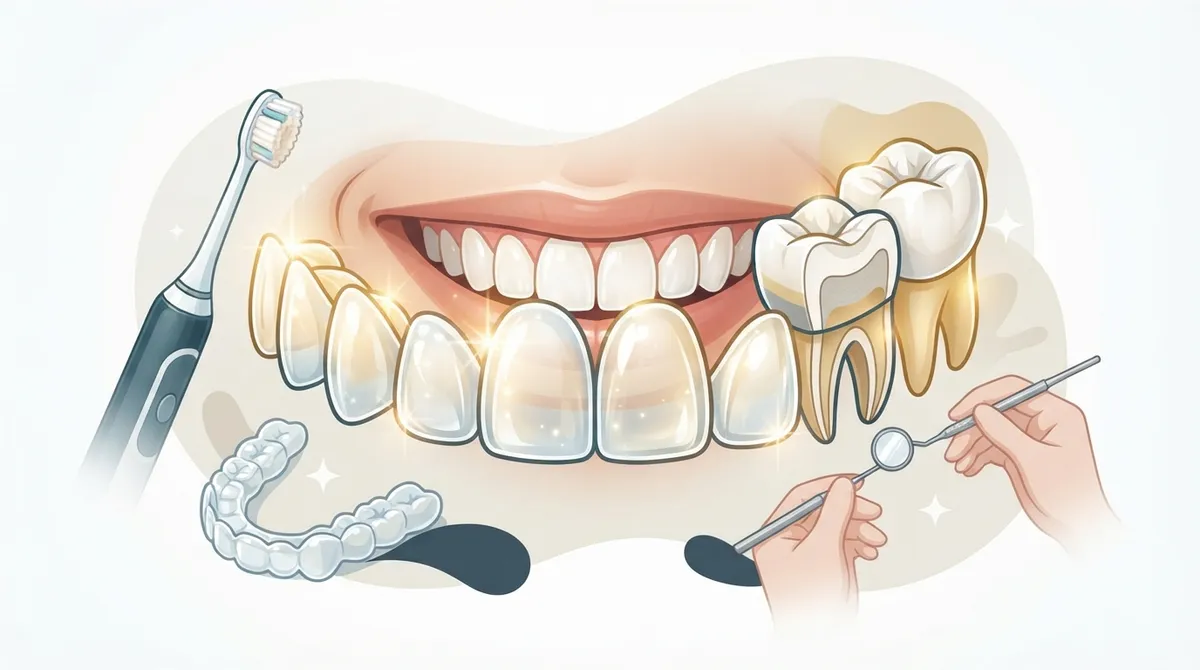
Key Takeaways
- Lithium disilicate (e.max) crowns are the top choice for front teeth due to their glass-like translucency that mimics natural enamel, while zirconia excels for back molars because it resists cracking under heavy chewing forces.
- All-ceramic crowns show excellent long-term success with 5-year survival rates between 90.7% and 96.6%, making material choice less critical than proper placement by a skilled dentist and patient oral care habits.
- Crown selection depends on specific factors including tooth location, bite force, remaining tooth structure, gum recession, and budget—not a one-size-fits-all decision that requires personalized dental evaluation.
- Porcelain-fused-to-metal crowns remain a reliable, budget-friendly option with proven durability, though they may show a dark line at the gumline if gums recede over time.
- Teeth grinding or clenching requires a night guard alongside any crown to prevent cracking, as even the strongest material cannot withstand excessive pressure without additional protection.
- Crowns require permanent removal of tooth structure and should only be chosen after ruling out less invasive alternatives like teeth whitening or composite bonding for cosmetic concerns.
You want a smile that looks natural, feels strong, and lasts for years. That is exactly why so many patients in Ocoee ask about the best cosmetic crowns. The truth is there is no single crown that wins for every person. The right choice depends on your tooth, your bite, your budget, and your goals.
At Charming Smiles of Ocoee, Dr. Aliuska Lopez and her team help patients sort through these choices every day. We believe you deserve clear answers, not confusing dental jargon. This guide breaks down the top cosmetic crown materials in simple terms. You will learn what each one does best, how long they tend to last, and how to pick the right fit for your smile.
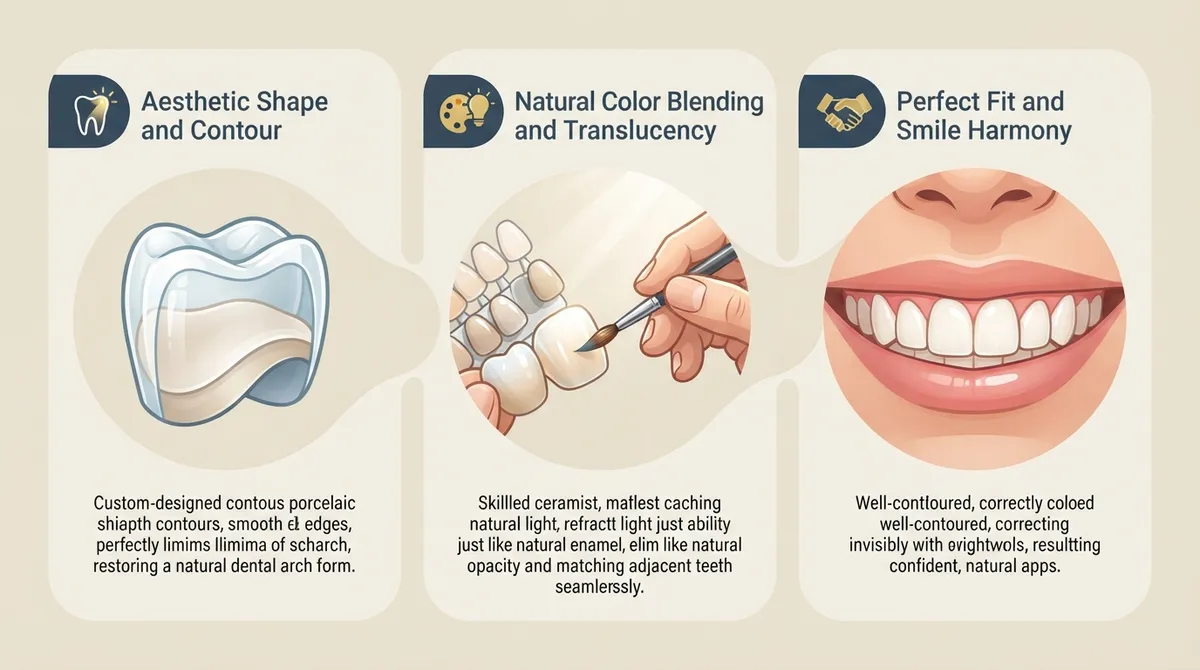
What Makes a Crown "Cosmetic"?
A cosmetic crown is a cap that covers a damaged, discolored, or oddly shaped tooth. It restores strength while also improving how the tooth looks. Good cosmetic crowns blend in with your natural teeth. They match the color, shine, and shape of the teeth around them.
Crowns are different from veneers. Veneers only cover the front of a tooth. Crowns wrap around the entire tooth. This makes crowns a better choice when a tooth has more damage or needs more support.
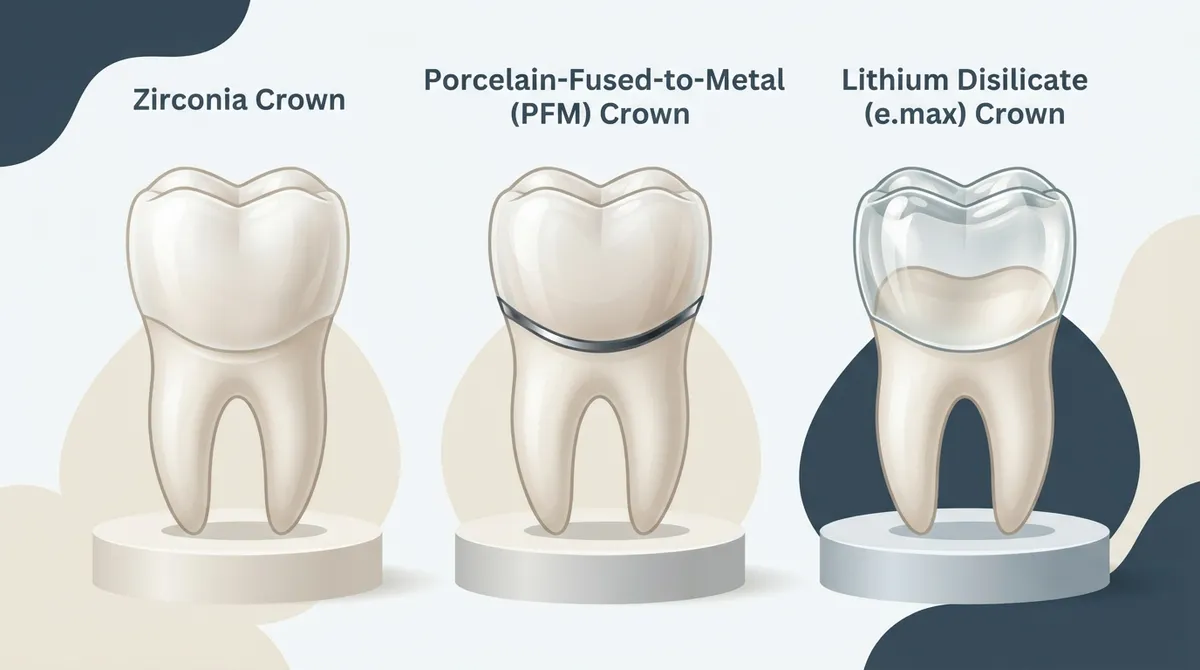
The Top Cosmetic Crown Materials Compared
Choosing the best material means understanding what each one offers. Here is a simple breakdown of the most popular options used in modern cosmetic dentistry today.
1. Lithium Disilicate Crowns (like IPS e.max)
Lithium disilicate crowns are often the top pick for front teeth. They have a glass-like quality that lets light pass through, just like real enamel. This makes them look incredibly natural next to your other teeth.
These crowns work great when you have enough healthy tooth structure left and normal bite forces. They are a favorite for patients focused on a bright, natural-looking smile. Many patients researching dental crowns in Ocoee ask specifically about this material.
2. Zirconia Crowns
Zirconia crowns are known for being incredibly tough. They resist cracking and chipping better than most other materials. This makes them a smart choice for back teeth, which handle heavy chewing forces every day.
Newer high-translucency zirconia has closed the gap in appearance compared to lithium disilicate. It still is not always as see-through, but it looks far better than older, more opaque zirconia. Zirconia is also a common pick for dental implants because of its strength and stability.
3. Porcelain-Fused-to-Metal Crowns
This type of crown has a metal base with porcelain on top. It has been used for decades and has a long track record of success. The metal core gives it extra strength, which some patients need.
The downside is that the metal can sometimes create a thin dark line at the gumline. This may show up if your gums shrink back over time. Still, this crown remains a reliable, budget-friendly option for many patients.
4. Feldspathic Porcelain
Feldspathic porcelain looks beautiful and is often used for thin veneers. It is not as strong as reinforced ceramics like zirconia or lithium disilicate. Because of this, it is rarely used for crowns that face heavy chewing pressure.
Quick Comparison Table
| Crown Material | Best For | Look | Strength |
|---|---|---|---|
| Lithium Disilicate (e.max) | Front teeth, premolars | Very natural, translucent | Strong, best for normal bite |
| Zirconia | Molars, implants, heavy bite | Good, improving with new types | Very strong |
| Porcelain-Fused-to-Metal | Any tooth needing extra support | Good, may show dark line at gum | Strong and proven |
| Feldspathic Porcelain | Veneers, low-stress areas | Excellent | Lower, more prone to chipping |
How Long Do Cosmetic Crowns Really Last?
Research gives us a good idea of what to expect. A Canadian health technology review found that all-ceramic crowns had 5-year survival rates between 90.7% and 96.6%. That is a strong success rate no matter which material you choose.
Here is a simple breakdown of the numbers from that review:
- Lithium disilicate crowns showed the highest 5-year survival at 96.6%
- Zirconia crowns showed about 91.2% survival over 5 years
- Porcelain-fused-to-metal crowns showed 95.7% to 97.6% survival over 5 years
A separate long-term study compared zirconia and lithium disilicate directly. Zirconia showed 94.0% survival at 5 years. Lithium disilicate showed 89.0%. The difference was not considered statistically significant. This tells us both materials work well when placed correctly by a skilled dentist.
How to Choose the Right Crown for You
Picking the best cosmetic crown is not a one-size-fits-all decision. Here are the main factors your dentist will consider:
- Tooth location. Front teeth need more translucency. Back teeth need more strength.
- Bite force. If you grind or clench your teeth, you may need a tougher material like zirconia.
- Remaining tooth structure. Some materials need more healthy tooth left to bond properly.
- Gum position. If your gums have receded, a metal-free option may look better long term.
- Budget. Some materials cost more due to lab work and technology used.
- Whether it's for a natural tooth or an implant. Implant crowns often favor zirconia for its strength.
This is why a personal exam matters so much. What worked for your neighbor's smile may not be right for yours. Our team walks through what to expect at your first dental consultation so you feel confident before any decision is made.
Signs You Might Need a Crown Instead of a Simpler Fix
Not every cosmetic concern needs a crown. Sometimes whitening or bonding is enough. But a crown may be the better option if you have:
- A tooth with a large filling that is cracking or breaking down
- A tooth that has had a root canal and needs protection
- Severe discoloration that whitening cannot fix
- A tooth that is cracked, chipped, or worn down badly
- A misshapen tooth that affects your bite or smile
If your tooth is otherwise healthy, options like teeth whitening or composite bonding might be a gentler first step. Crowns require removing some of your natural tooth. This step cannot be undone, so it is worth discussing all your options first.
What About Grinding and Clenching?
If you grind your teeth at night, even the strongest crown can crack under pressure. This is a common issue we see in Ocoee patients dealing with stress or sleep problems. Your dentist may suggest a night guard along with your new crown to protect your investment.
Ignoring this habit can shorten the life of any crown, no matter how good the material is. A quick chat about your habits during your visit can save you money and stress down the road.
Why the Lab and Dentist Matter as Much as the Material
Even the best material will not look right if it is not shaped and shaded correctly. Shade matching, surface texture, and how the crown meets your gum line all affect the final look. Digital scans and CAD/CAM technology have made this process more accurate than ever.
Still, skill and experience matter. A well-trained dentist knows how to communicate with the lab to get a crown that blends in perfectly. This is one reason so many patients trust Dr. Aliuska Lopez and her team for their cosmetic work. Her attention to detail helps patients get results that look and feel like their own natural teeth.
What to Expect During Your Crown Visit
Getting a cosmetic crown usually takes two visits, though same-day options exist in some cases. Here is a simple step-by-step look:
- Your dentist examines the tooth and discusses material options with you.
- The tooth is gently reshaped to make room for the crown.
- A digital scan or mold captures the exact shape needed.
- A temporary crown is placed while your permanent one is made.
- Once ready, the permanent crown is checked for fit, color, and bite.
- The crown is bonded in place, and your new smile is complete.
We know some patients feel nervous about dental work. Our office is designed to feel calming and stress-free, which helps ease dental anxiety during every step of treatment.
Caring for Your New Crown
Once your crown is in place, simple habits help it last for years. Brush and floss daily just like you would with your natural teeth. Avoid biting down on very hard foods like ice or hard candy. Visit your dentist regularly so small issues get caught early.
Good general dentistry habits protect your whole smile, not just the crown itself. Regular cleanings also help spot early signs of gum recession, which can affect how a crown looks over time.
Why Choose Charming Smiles of Ocoee for Your Cosmetic Crown
Choosing the right dentist matters just as much as choosing the right material. At Charming Smiles of Ocoee, we combine advanced technology with a warm, spa-like setting near Publix in Ocoee. Our team takes time to explain your options in plain language, so you always feel informed and comfortable.
We proudly accept many major insurance plans and offer insurance and financing options to make treatment easier to afford. You can also explore our dental savings plan if you do not have insurance. Many patients also take advantage of our current specials, including a free cosmetic consultation to explore your options with zero pressure.
Curious what real patients say about their experience? You can visit us on Google to see reviews from Charming Smiles of Ocoee patients. You can also follow along on our Charming Smiles Facebook page or check out real smile transformations on our Charming Smiles Instagram page.
According to the American Dental Association, choosing the right crown material depends heavily on individual patient needs and clinical evaluation. That is exactly the personalized approach we take with every patient who walks through our doors.
Ready to Explore Your Best Cosmetic Crown Option?
Every smile is different, and so is every crown decision. The best way to know which material fits your needs is a simple, friendly conversation with our team. Whether you need a crown for a front tooth or a back molar, we will guide you toward an option that looks great and lasts for years.
Ready to get started? You can book online in just a few minutes. Or if you prefer to talk it through first, feel free to call us at (407) 378-3704 and our friendly team will answer all your questions.
FAQs
Q: What is the best crown material for front teeth?
A: Lithium disilicate, often called e.max, is a popular pick for front teeth because it lets light pass through like real enamel. This gives it a natural, glowing look that blends right in with your smile. Your dentist can confirm if it's the right fit based on your bite and tooth condition.
Q: Are zirconia crowns better than porcelain crowns for molars?
A: Zirconia tends to win for molars because it handles heavy chewing forces so well. It resists cracking and chipping better than many other materials. That said, newer high-translucency zirconia also looks more natural than older versions, so you don't have to sacrifice looks for strength.
Q: How long do cosmetic dental crowns last?
A: Most modern ceramic crowns last well beyond 5 years, with survival rates often above 90% according to clinical research. How long yours lasts depends on your oral hygiene, your bite habits, and how well the crown was made and placed. Regular checkups help catch small issues before they become bigger problems.
Q: Can a crown hide a severely discolored or damaged tooth?
A: Yes! A well-made crown can completely cover stains, cracks, or damage that whitening alone cannot fix. It restores both the strength and the appearance of the tooth in one treatment. Our team can help you decide if a crown or a more conservative option makes sense for your situation.
Q: Are cosmetic crowns reversible, and what alternatives are available?
A: No, crowns are not reversible because they require removing some of your natural tooth structure. If your tooth is healthy, options like teeth whitening or composite bonding might work just as well without permanent changes. We always walk through all your options before recommending a crown.