How to Find Real Dental Anxiety Relief at the Dentist
Discover step-by-step dental anxiety relief strategies — from relaxation techniques to sedation dentistry — so you can finally get the care you deserve.
Key Takeaways
- Communicate your anxiety to your dental team before the appointment—research shows this reduces fear significantly and allows dentists to adjust their approach and offer control signals like hand-raising to pause treatment.
- Sedation dentistry (nitrous oxide, oral conscious sedation, or IV sedation) is a clinically safe option for patients with moderate to severe anxiety who find relaxation techniques insufficient.
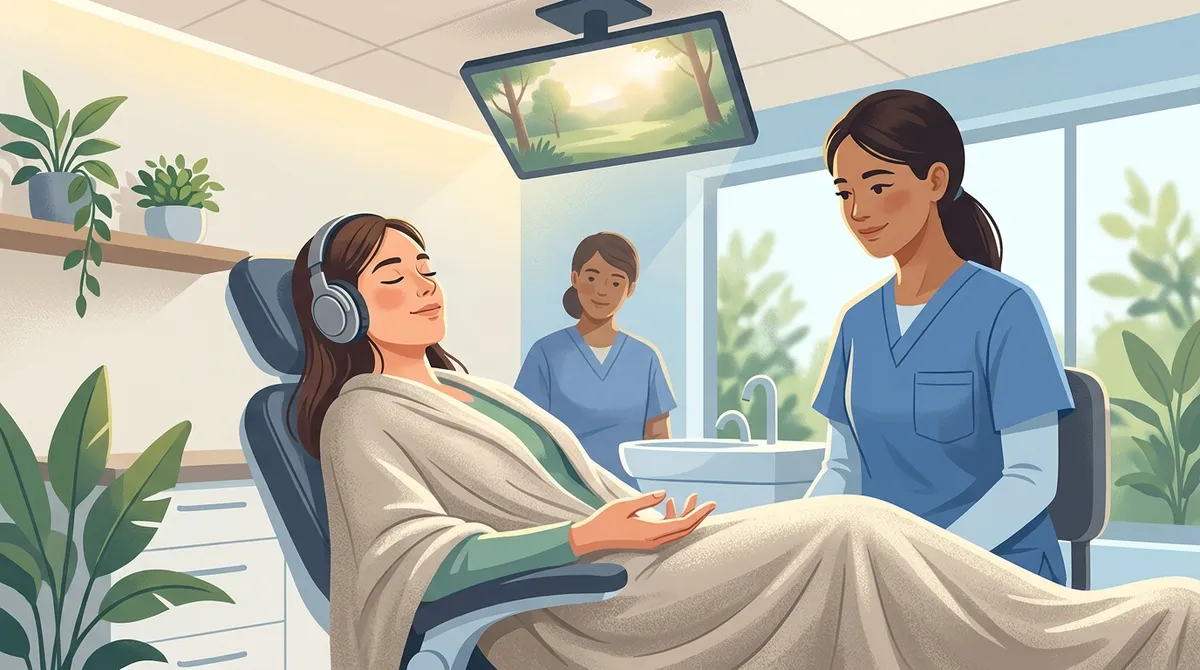
- Use distraction tools during treatment such as headphones with music, streaming entertainment on ceiling screens, blankets, pillows, or bringing a trusted support person to occupy your mind and reduce fear.
- Practice drug-free relaxation techniques before your visit: deep breathing, progressive muscle relaxation, mindfulness meditation, guided imagery, or aromatherapy to calm your nervous system naturally.
- For severe dental phobia that prevents scheduling appointments, cognitive behavioral therapy (CBT) has strong research support and helps you identify and replace fearful thoughts with realistic ones.
- Choose a dental practice that explicitly prioritizes anxious patients through spa-like environments, soothing music, entertainment, comfortable amenities, and compassionate communication—not all offices offer these comfort measures.
Does your heart race at the thought of sitting in a dental chair? You are not alone. Millions of people feel nervous, stressed, or downright scared about visiting the dentist. This fear can range from mild butterflies to full-on avoidance — and when it gets in the way of care, your oral health pays the price. The good news? Dental anxiety relief is very real, and it is more accessible than you might think. In 2026, modern dental practices have more tools than ever to help anxious patients feel safe, comfortable, and even relaxed during treatment. Whether you are a busy parent, a senior managing age-related dental needs, or someone who has avoided the dentist for years, this guide will walk you through the most effective strategies — step by step — so you can finally get the care you deserve without the dread.
Understanding Dental Anxiety and Why It Happens
Dental anxiety is not a character flaw. It is a very common emotional response — and it has real causes. Understanding those causes is the first step toward finding dental anxiety relief that actually works.
Some people develop dental fear after a painful or uncomfortable past experience. Others are anxious because they feel a loss of control in the dental chair. Some simply dislike the sounds, smells, or sensations of a dental office. For children and teens, unfamiliar environments can trigger fear quickly. For seniors, concerns about pain or complicated procedures can add stress. Whatever the reason, recognizing your anxiety is valid — and it can be addressed.
It is also worth knowing the difference between dental anxiety and dentophobia. Dental anxiety is general nervousness around dental visits. Dentophobia is a more intense, clinical phobia that may cause someone to avoid the dentist entirely, even when in pain. Both conditions deserve compassion and professional support. If left unaddressed, dental anxiety can lead to skipped appointments, worsening oral health, and a cycle of fear that becomes harder to break over time.

Step-by-Step: How to Overcome Dental Anxiety
Step 1: Choose the Right Dental Practice for Anxious Patients
Not all dental offices are created equal when it comes to patient comfort. The very first step in finding dental anxiety relief is choosing a practice that prioritizes your emotional well-being — not just your teeth. Look for a practice that specifically mentions comfort measures, gentle care, and anxiety-friendly environments.
At Charming Smiles of Ocoee, for example, the team has built a spa-like environment designed to help anxious patients decompress. Think soothing music, streaming entertainment in treatment rooms, pillows, blankets, and even aromatherapy. Dr. Aliuska Lopez and her team are known for their gentle, patient-centered approach. You can visit Charming Smiles of Ocoee on Google to read hundreds of patient reviews that consistently praise the calming atmosphere and compassionate care.
Step 2: Communicate Openly With Your Dentist Before Your Visit
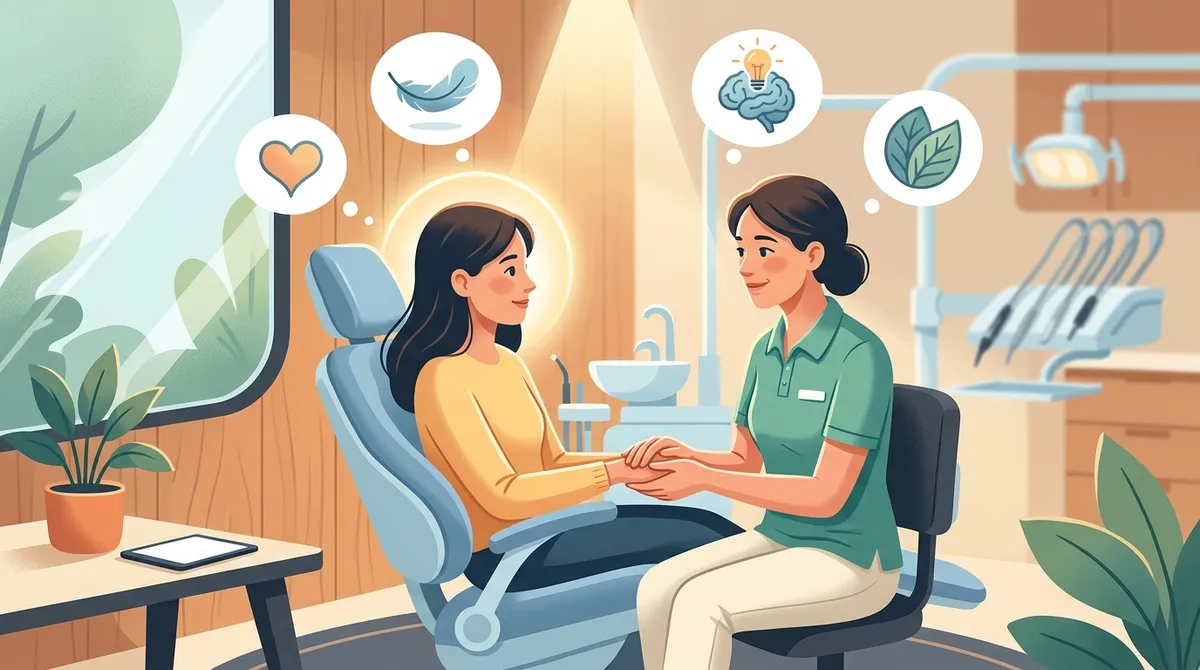
One of the most powerful tools for dental anxiety relief is simply talking about your fear. Call the office before your appointment and let them know you feel anxious. A good dental team will take that seriously and adjust their approach accordingly.
Research consistently shows that communication reduces dental fear. When dentists explain each step of a procedure in calm, non-threatening language, patients feel less helpless. You can also ask for a signal — like raising your hand — to pause treatment whenever you need a break. That small sense of control makes a big difference. If you are ready to take that first step, booking a dental consultation in Ocoee is a great, low-pressure starting point.
Step 3: Try Relaxation Techniques Before and During Your Visit
You do not have to arrive at your appointment already in a panic. There are several relaxation strategies that can help lower your anxiety before you even sit in the chair.
- Deep breathing: Slow, controlled breaths calm your nervous system and reduce tension.
- Progressive muscle relaxation: Tense and release each muscle group from your toes upward to release physical stress.
- Mindfulness meditation: Even five minutes of focused breathing before your visit can reduce anxiety significantly.
- Guided imagery: Picture yourself in a calm, safe place while your dentist works — this mental distraction is surprisingly effective.
- Aromatherapy: Some offices offer calming scents like lavender that have been shown to ease pre-appointment nerves.
These techniques are increasingly recommended in dental settings as gentle, drug-free ways to help patients feel more at ease. You can also check out the Charming Smiles Instagram page for a peek at the welcoming, comfortable office environment before your visit — sometimes just seeing a friendly face helps!
Step 4: Use Distraction Tools During Treatment
Distraction is one of the simplest and most effective forms of dental anxiety relief. When your mind is occupied, it has less room for fear. Many modern dental offices now offer in-room entertainment and comfort accessories to help with this.
- Headphones with your favorite music or podcast
- Streaming TV shows or movies on ceiling-mounted screens
- Fidget tools or stress balls to keep hands busy
- Comfort items like a blanket or pillow
- A trusted friend or family member in the room for support
These options may sound small, but their impact is real. Bringing your own playlist or a pair of noise-canceling headphones to block out dental sounds can transform your experience. If you are helping a nervous child through their first few visits, check out pediatric dentistry options designed with little ones in mind.
Step 5: Explore Sedation Dentistry When Needed
For patients with moderate to severe dental anxiety, relaxation techniques alone may not be enough. That is where sedation dentistry comes in. Sedation is a clinically safe option that helps patients feel calm, drowsy, or even unaware during treatment.
Common sedation options in dental settings include:
- Nitrous oxide (laughing gas): A mild sedative inhaled through a mask that creates a relaxed, floaty feeling. It wears off quickly and you can drive home after.
- Oral conscious sedation: A prescription pill taken before your appointment that causes deeper relaxation. You remain conscious but feel very calm.
- IV sedation: Delivered directly into the bloodstream for deeper sedation, typically used for complex procedures or severe phobia cases.
Always discuss your medical history and any medications with your dentist before choosing a sedation option. Your comfort and safety come first. To explore what is available to you, check out our services and ask about sedation-friendly care options during your consultation.
Step 6: Consider Cognitive Behavioral Therapy (CBT) for Severe Fear
If your dental anxiety is so severe that you cannot get yourself to make an appointment at all, professional therapy may be the most helpful route. Cognitive behavioral therapy (CBT) has been shown in multiple studies and meta-analyses to be highly effective for both dental anxiety and dentophobia.
CBT works by helping you identify and challenge the fearful thoughts that drive avoidance. Over time, you learn to replace those thoughts with more balanced, realistic ones. Exposure-based methods — where you gradually increase contact with dental-related stimuli in a safe setting — are often used alongside CBT with excellent results. A Temple University and Health Affairs study even tested a CBT-based intervention delivered immediately before dental appointments, with promising outcomes for patients who had been avoiding care for years.
If you are curious whether therapy might help you, talk to your primary care provider for a referral. Then, once you feel ready, explore what to expect at your first dental consultation so there are no surprises.
What Dental Offices Can Do to Help Anxious Patients
Dental anxiety relief is a two-way street. A great dental practice does not just treat teeth — it actively creates an environment where anxious patients feel welcome and heard. Here are some things a good anxiety-friendly dental office should do:
- Ask about anxiety levels during intake and before each procedure
- Use calm, non-threatening language when explaining treatments
- Offer control signals so patients can pause treatment at any time
- Provide comfort amenities like blankets, pillows, and soothing scents
- Keep wait times short to reduce pre-appointment tension
- Check in regularly throughout the procedure to ensure comfort
If you are searching for a practice that takes all of this seriously, you can book online with Charming Smiles of Ocoee and experience the difference from your very first visit. You can also follow the Charming Smiles Facebook page to stay connected with the practice and see patient stories that may put your mind at ease.
Dental Anxiety Relief for Specific Patient Groups
For Families With Children
Kids often mirror their parents' anxiety, so it helps to stay calm and positive when talking about dental visits. Frame it as an adventure, not something scary. Choose a practice with a warm, kid-friendly team. Early positive experiences build lifelong habits. Check out tips on why parents should choose a pediatric dentist near them to set your child up for success.
For Seniors
Older adults may have heightened anxiety due to past dental trauma, sensitivity concerns, or complicated treatment plans. Gentle communication, slower pacing, and sedation options can help. Learn more about dental care for seniors in Ocoee and what a comfort-focused approach looks like for older patients.
For Emergency Patients
Dental emergencies are already stressful — add anxiety on top of that, and it can feel overwhelming. Choosing a practice with a compassionate emergency team makes all the difference. Learn more about emergency dentistry and how to get fast, gentle care when you need it most.
The Consequences of Avoiding the Dentist Due to Anxiety
It is tempting to skip the dentist when fear feels overwhelming. But untreated dental anxiety has real consequences for your oral health — and your overall well-being. Multiple research sources describe dental avoidance as a major barrier to care, one that leads to worse outcomes over time.
- Small problems become big ones: A tiny cavity left untreated can become a root canal. A minor gum issue can progress to gum disease.
- Pain increases: Avoiding care often leads to more discomfort down the road, not less.
- Costs go up: Preventive care is far less expensive than restorative treatment. Explore insurance and financing options to make regular visits more affordable.
The good news is that even small steps forward — like scheduling a simple consultation — can break the cycle. Explore what happens when you skip dental check-ups versus going regularly to understand just how much is at stake.
Take the First Step Toward a Calmer Dental Visit
You deserve to take care of your smile without dread holding you back. Dental anxiety relief is not just possible — it is within reach right now. From simple breathing exercises and distraction tools to sedation dentistry and professional therapy, there is a solution that fits your needs and comfort level. The key is to start somewhere, even if that first step is just making a phone call.
At Charming Smiles of Ocoee, Dr. Aliuska Lopez and her caring team are ready to meet you exactly where you are — nervous, curious, or somewhere in between. The practice is located at 315 West Rd, Ocoee, FL 34761, conveniently near Publix. Ready to take that first step? Call us at (407) 378-3704 to speak with our friendly team and schedule your visit today. We promise — it is going to be okay.
FAQs
Q: What is the best treatment for dental anxiety?
A: The best treatment depends on how severe your anxiety is! For mild nervousness, relaxation techniques like deep breathing, music, and distraction tools work wonderfully. For more intense fear, sedation dentistry or cognitive behavioral therapy (CBT) may be the most helpful path forward — and many patients find that combining approaches works best of all.
Q: Is sedation dentistry safe for anxious patients?
A: Yes, sedation dentistry is considered safe when administered by a trained dental professional and tailored to your health history. Options range from gentle nitrous oxide (laughing gas) all the way to oral conscious sedation, depending on your needs. Always share your full medical history and any medications with your dentist before deciding on a sedation option.
Q: What is the difference between dental anxiety and dentophobia?
A: Dental anxiety is a general feeling of nervousness or unease around dental visits — something many people experience to some degree. Dentophobia is a more intense, clinical phobia that can cause someone to avoid the dentist entirely, even when they are in pain. Both are completely valid, and both can be treated with the right support and care.
Q: Can CBT really help with fear of the dentist?
A: Absolutely! Cognitive behavioral therapy (CBT) has been shown in systematic reviews and meta-analyses to be highly effective for both dental anxiety and dentophobia. It helps you identify fearful thoughts and gradually replace them with calmer, more realistic ones — often combined with gentle exposure techniques for even better results.
Q: What can I do before a dental appointment to feel calmer?
A: There are so many great options! Try deep breathing or mindfulness meditation in the morning before your visit. Listen to a calming playlist on the way to the office, and consider bringing headphones to use during treatment. Talking to your dental team ahead of time about your anxiety is also a game-changer — knowing they are prepared to support you makes a world of difference.