Gingivitis vs. Periodontitis: Which Gum Treatment Do You Need?
Gingivitis vs. periodontitis — learn the differences, symptoms, and best gum disease treatment options available in Ocoee, FL to protect your smile.
Key Takeaways
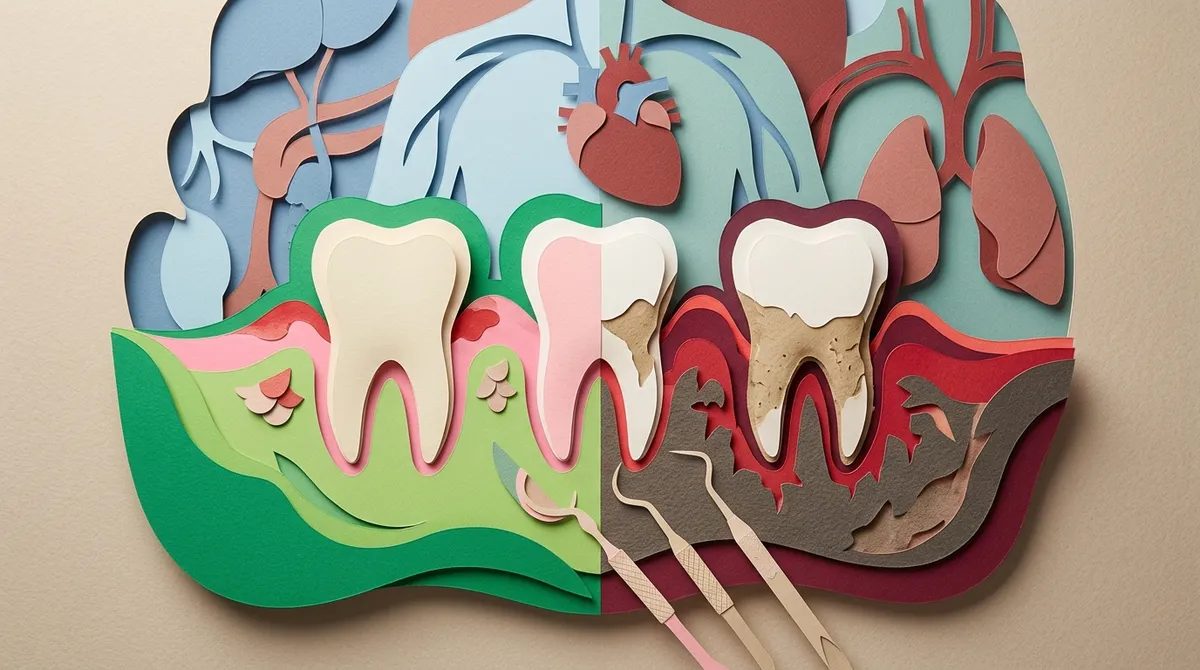
- Gingivitis is fully reversible with professional cleaning and improved brushing/flossing habits, but periodontitis cannot be fully reversed once bone loss occurs, making early detection critical.
- Nearly 47.2% of adults aged 30+ have some form of periodontal disease, and gingivitis often causes no pain, so regular dental checkups are essential to catch it before progression.
- Scaling and root planing (deep cleaning) is the gold-standard non-surgical treatment for periodontitis, removing tartar above and below the gumline to stop disease progression and stabilize oral health.
- Gum disease is directly linked to systemic health conditions like heart disease, diabetes, and respiratory issues through mouth-body inflammation, making treatment important for overall wellness.
- Key warning signs requiring immediate dental attention include bleeding gums during brushing, gum recession, loose teeth, tooth sensitivity, and persistent bad breath that doesn't improve with brushing.
- Periodontal maintenance visits every 3-4 months after active treatment are necessary to monitor healing and prevent periodontitis from returning in patients with advanced gum disease.
Your gums do a lot of quiet work every day. They hold your teeth in place, protect your jawbone, and keep harmful bacteria from spreading. But when something goes wrong — like bleeding when you brush or gums that look swollen — it can be hard to know how serious the problem is. Is it just a little inflammation? Or is something more significant happening beneath the surface? Understanding the difference between gingivitis and periodontitis is the first step to getting the right gum disease treatment in Ocoee. The good news? Both stages are very treatable, especially when caught early. This guide breaks down what each condition means, how they're treated, and what to expect when you finally get the care your smile deserves.
What Is Gingivitis and Why Does It Happen?
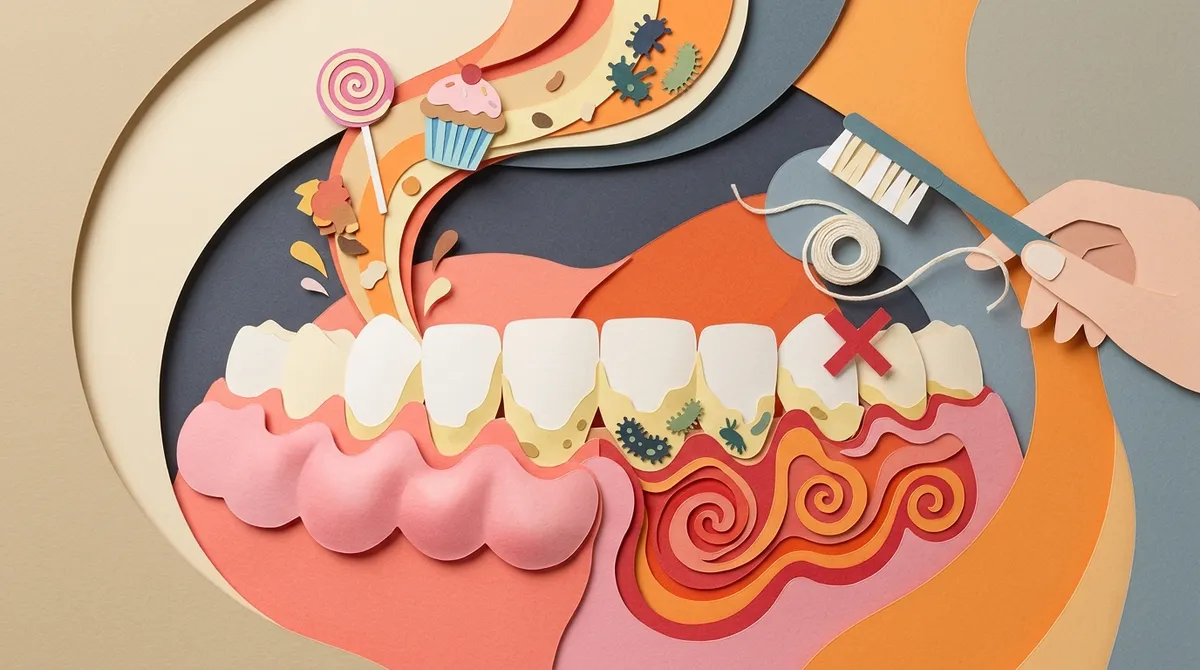
Gingivitis is the earliest stage of gum disease. It means your gum tissue is inflamed, usually because of plaque buildup along the gumline. Plaque is a sticky film of bacteria that forms on your teeth every day. When it isn't removed through brushing and flossing, it irritates the gums. You might notice your gums look red or puffy. They might bleed when you brush or floss. Some people also experience mild bad breath. Here's the important thing to know: gingivitis is reversible. With the right care, your gums can return to a healthy, pink state.
Common Signs of Gingivitis
- Gums that bleed during brushing or flossing
- Red, puffy, or tender gum tissue
- Persistent bad breath that doesn't go away
- Gums that look slightly swollen around the base of teeth
- No pain in many cases — which is why it's easy to miss
Because gingivitis often doesn't hurt, many people don't realize they have it. That's why regular general dentistry checkups are so important. A professional cleaning and a dentist's trained eye can catch gingivitis before it progresses. If you've been putting off your routine visit, now is a great time to schedule one. You can also learn more about oral hygiene habits in Ocoee that help keep early gum disease at bay.
What Is Periodontitis and How Is It Different?
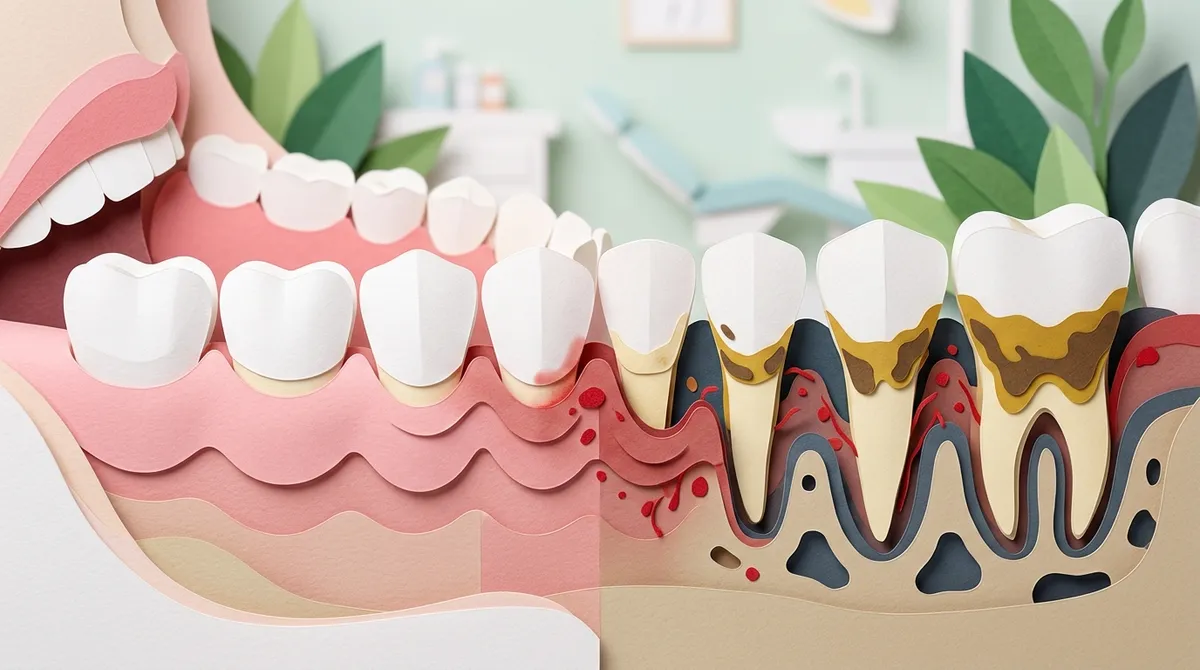
Periodontitis is the more advanced form of gum disease. It happens when gingivitis is left untreated and the infection moves deeper. The bacteria work their way below the gumline and start to affect the bone and tissue that support your teeth. This is when real damage begins. According to national data, 47.2% of adults aged 30 and older have some form of periodontal disease. That's nearly half of all adults — which means you or someone in your family may already be affected without knowing it.
Common Signs of Periodontitis
- Gums that pull away from teeth, making them look longer
- Teeth that feel loose or have shifted position
- Increased tooth sensitivity to hot or cold
- Painful chewing or pressure on certain teeth
- Pus or discharge between gums and teeth
- Bone loss visible on dental X-rays
Unlike gingivitis, periodontitis is not fully reversible. Once bone is lost, it cannot naturally grow back without intervention. However, the right gum disease treatment in Ocoee can stop the disease from progressing and help stabilize your oral health. For seniors especially, periodontitis can compound other age-related dental concerns. Explore what dental care for seniors in Ocoee looks like when gum health is a priority.
Treatment for Gingivitis: Simple Steps That Work
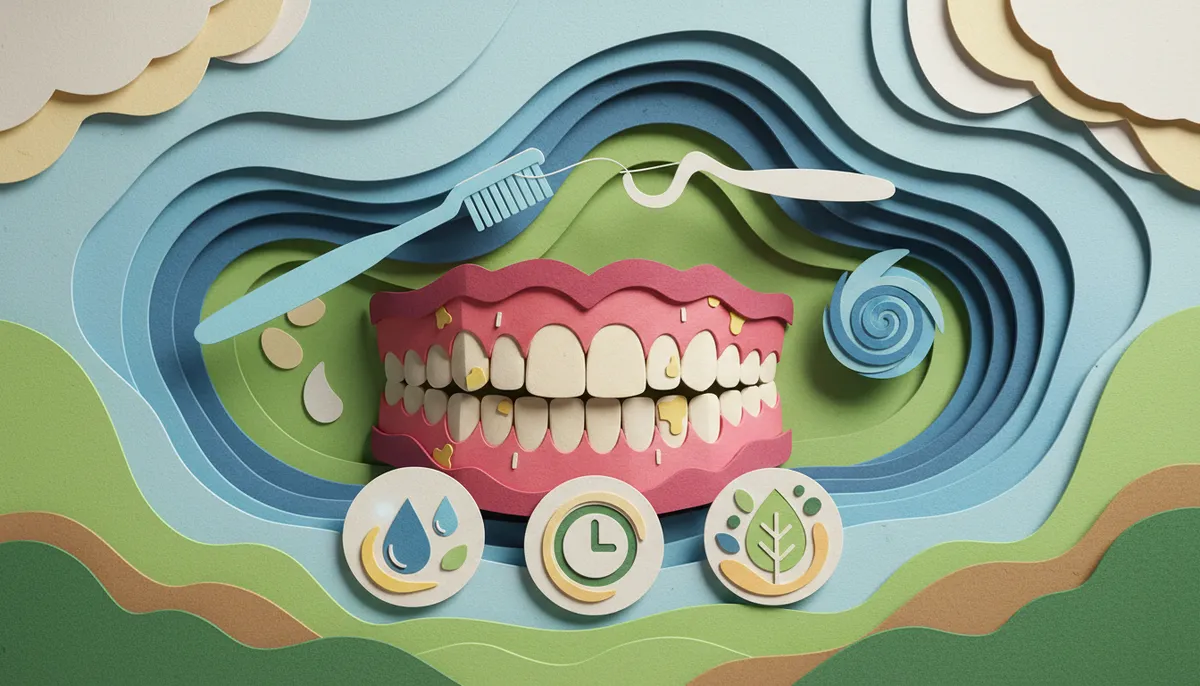
The great news about gingivitis is that it usually responds well to non-surgical treatment. In most cases, a professional dental cleaning combined with better at-home habits is all it takes. Here's a typical step-by-step approach to treating gingivitis:
- Professional dental cleaning: Your hygienist removes plaque and tartar buildup that brushing alone can't reach. This is the foundation of treatment.
- Improved brushing and flossing: Your dental team will guide you on better technique. Small changes at home make a big difference.
- Antimicrobial rinses: Your dentist may recommend a medicated mouthwash to reduce bacteria and inflammation.
- Follow-up visit: A follow-up appointment confirms the gums are healing and no further treatment is needed.
Most patients see significant improvement within a few weeks of treatment. If you've been noticing bleeding gums, don't wait. Getting a professional teeth cleaning in Ocoee sooner rather than later gives you the best chance of a full reversal. Want to stay on top of your gum health at home too? Check out these 7 periodontal care tips for healthy gums in Ocoee.
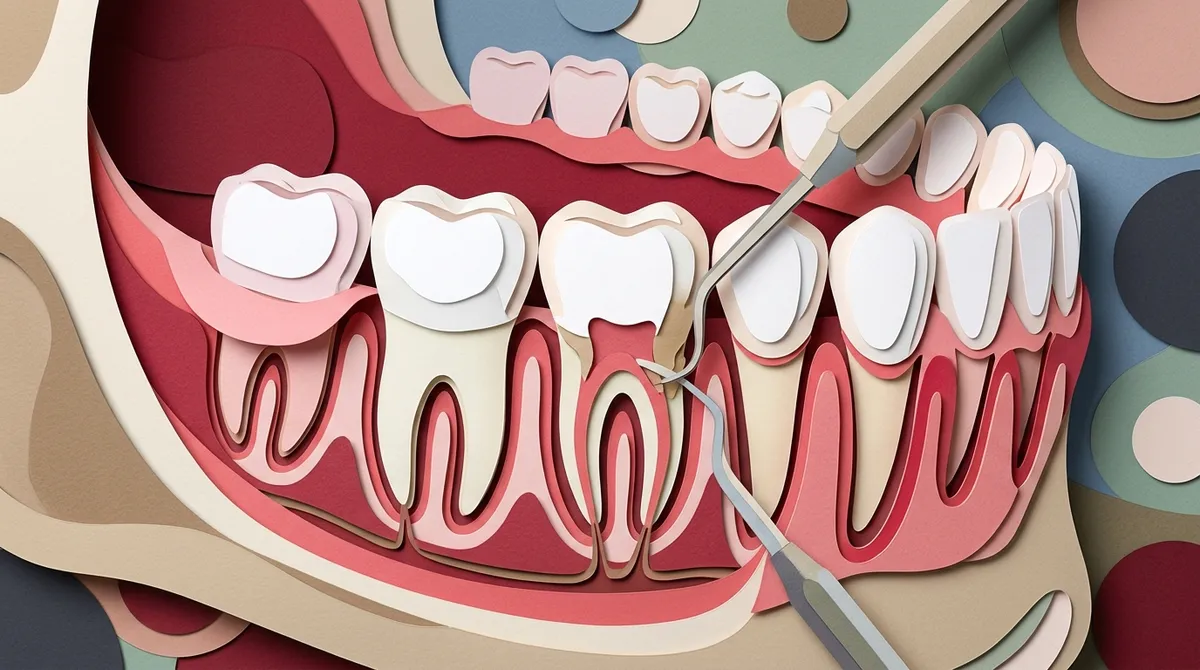
Treatment for Periodontitis: Going Deeper
When gum disease has reached the periodontitis stage, treatment needs to go deeper — literally. The goal is to remove infection from below the gumline, reduce inflammation, and create an environment where gum tissue can heal. Here's how periodontitis is typically treated:
- Scaling and root planing: This is the most common non-surgical treatment. Your dentist or hygienist carefully cleans above and below the gumline, removing hardened tartar (calculus) and smoothing the root surfaces to discourage future bacterial buildup. It's sometimes called a "deep cleaning."
- Antibiotics or antimicrobial therapy: When infection is active, your dentist may prescribe antibiotics or place antimicrobial medication directly into gum pockets.
- Periodontal maintenance visits: After active treatment, patients typically return every three to four months for ongoing monitoring and professional cleaning.
- Surgical options (for severe cases): In cases with significant bone or tissue loss, procedures like gum grafts or bone grafts may be recommended to restore structure and support.
Scaling and root planing is often misunderstood. It's not the same as a routine cleaning — it goes deeper and may require local anesthesia for comfort. But many patients are relieved to find it's much more manageable than they expected. You can learn more about periodontal treatment in Ocoee and what each step involves. For patients with dental anxiety, gentle care options are available. Help with dental anxiety in Ocoee is something Charming Smiles of Ocoee takes seriously.
Gingivitis vs. Periodontitis: Side-by-Side Comparison
If you're still not sure which stage applies to you, here's a clear breakdown of how the two conditions compare across some key factors:
- Reversibility: Gingivitis is fully reversible. Periodontitis can be controlled but not fully reversed.
- Depth of infection: Gingivitis stays above the gumline. Periodontitis spreads below it, into bone and connective tissue.
- Symptoms: Gingivitis is mild and often painless. Periodontitis can involve sensitivity, loose teeth, and gum recession.
- Treatment complexity: Gingivitis needs a standard cleaning and hygiene improvement. Periodontitis requires deep cleaning, possible medication, and ongoing maintenance.
- Risk to teeth: Gingivitis does not threaten the teeth directly. Periodontitis can lead to tooth loss if untreated.
Understanding where you fall on this spectrum helps you and your dental team choose the most effective path forward. If you're unsure, a dental exam is the best way to find out. You can also learn what to expect during a dental exam before your visit.
When to See a Dentist for Gum Disease Treatment in Ocoee
Many people wait until something hurts before they call a dentist. But gum disease, especially in its early stages, is often painless. Waiting for pain to appear means waiting too long. Here are clear signs it's time to call your dentist:
- Your gums bleed regularly when brushing or flossing
- Your gums look darker red or feel tender to the touch
- You notice your teeth seem longer than before (gum recession)
- A tooth feels slightly loose or has shifted
- You have persistent bad breath that doesn't improve with brushing
If any of these sound familiar, don't brush it off (pun intended). Gum disease is one of the most common yet preventable causes of tooth loss in adults. The gum disease mistakes Ocoee patients make most often? Waiting too long to seek care. Reach out to a trusted dental provider —call us at (407) 378-3704 to schedule an evaluation today.
Why Gum Health Affects More Than Just Your Mouth
Here's something that surprises a lot of people: your gum health is directly connected to your overall health. Research has shown strong links between periodontal disease and conditions like heart disease, diabetes, and respiratory issues. Inflammation in the gums can contribute to systemic inflammation throughout the body. This is sometimes called the mouth-body connection, and it's one of the biggest reasons to take gum disease seriously — not just for your smile, but for your whole body.
For families in Ocoee, this is especially important. Parents who prioritize their own gum health also model good oral hygiene habits for their children. Curious about keeping the whole family protected? Explore family dental care in Ocoee and how one practice can serve every generation under one roof.
Charming Smiles of Ocoee: Gentle Gum Disease Care You Can Trust
At Charming Smiles of Ocoee, Dr. Aliuska Lopez and the team understand that gum treatment can feel daunting. That's why the entire experience is designed with your comfort in mind. From the soothing office environment to the gentle, precise care Dr. Lopez is known for, every step is about making you feel at ease while getting the treatment you need. Whether you're dealing with early gingivitis or more advanced periodontitis, the team is here to walk you through every option. Visit us on Google — Charming Smiles of Ocoee to read hundreds of five-star reviews from patients who've experienced the difference firsthand.
Worried about cost? The practice offers insurance and financing options including CareCredit and Sunbit, plus a dental savings plan for patients without insurance. You can also browse current specials that may help offset the cost of your first visit. Stay connected and follow the Charming Smiles Facebook page or the Charming Smiles Instagram page for tips, updates, and patient stories.
Your Next Step Toward Healthier Gums
Whether you're dealing with the first signs of gingivitis or you've been told you have periodontitis, the most important thing you can do is take action now. Gum disease doesn't get better on its own — but with the right gum disease treatment in Ocoee, it absolutely can be managed and controlled. Early treatment saves your teeth, protects your overall health, and can prevent costly procedures down the road.
Ready to take the next step? Book online to schedule your periodontal evaluation at Charming Smiles of Ocoee, or simply call us at (407) 378-3704 — our friendly team is ready to help you get started on the path to a healthier, happier smile. Visit us at our location near Publix in Ocoee, FL, and find out why so many patients trust us with their gum health every day.
FAQs
Q: What is the best treatment for gum disease in Ocoee?
A: The best treatment depends on how far your gum disease has progressed! For early-stage gingivitis, a professional cleaning combined with better brushing and flossing habits usually does the trick. For more advanced periodontitis, scaling and root planing (a thorough deep cleaning) is the gold-standard non-surgical option — and your Ocoee dentist can help determine the right path for you.
Q: Can gingivitis be reversed without surgery?
A: Absolutely — and that's one of the best things about catching gum disease early! Gingivitis is fully reversible with professional cleaning and improved at-home care. No surgery needed. The key is acting quickly before it progresses into periodontitis, where the damage becomes harder to undo.
Q: Is scaling and root planing the same as a regular deep cleaning?
A: Yes — scaling and root planing is often called a deep cleaning, but it's more thorough than your standard preventive cleaning. It removes plaque and tartar both above and below the gumline, and smooths the root surfaces to help gum tissue reattach. Your dentist may use local anesthesia to keep you comfortable during the procedure.
Q: Can gum disease cause tooth loss?
A: Unfortunately, yes — and it's actually one of the leading causes of tooth loss in adults. When periodontitis is left untreated, the infection gradually destroys the bone and tissue that hold your teeth in place. The good news is that with timely gum disease treatment in Ocoee, you can stop the progression and protect your natural teeth for the long haul.
Q: How do I know if I need periodontal treatment or just a regular cleaning?
A: Great question! Your dentist will measure the depth of the pockets between your gums and teeth during a periodontal exam. Shallow, healthy pockets typically respond well to regular cleanings. Deeper pockets with signs of infection usually call for scaling and root planing or other periodontal care. A quick dental visit is the only way to know for sure — and the sooner you find out, the better!