15 Gum Disease Mistakes Ocoee Patients Must Avoid
Avoid these 15 gum disease mistakes Ocoee patients commonly make. Get expert dental care for gum disease in Ocoee and protect your smile today.
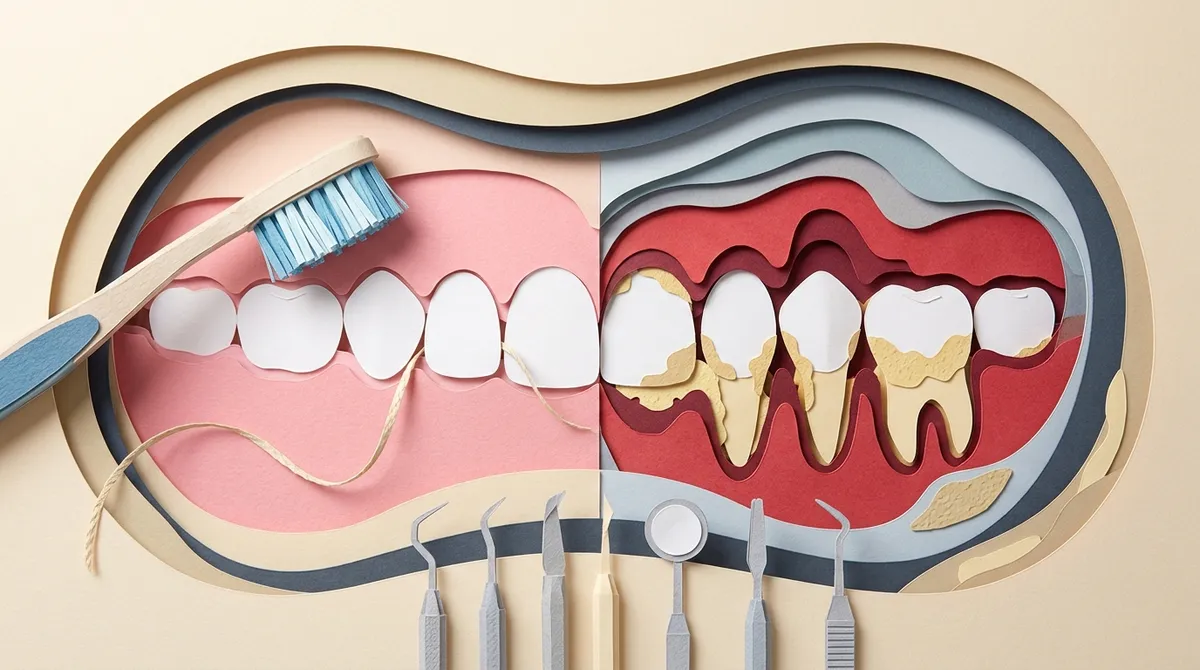
Key Takeaways
- Bleeding gums are an early warning sign of gum disease that requires immediate dental attention in Ocoee; don't ignore this symptom as early treatment is completely reversible.
- Daily flossing and professional cleanings every 3-4 months are essential for gum disease management; skipping either allows tartar buildup that your toothbrush cannot reach.
- Scaling and root planing is the most effective non-surgical treatment for periodontitis and should not be delayed, as postponing it gives bacteria more time to damage bone and tissue.
- Gum disease affects all ages and is linked to serious health conditions like heart disease and diabetes, making early treatment an investment in overall wellbeing.
- After completing gum disease treatment, ongoing maintenance with frequent monitoring visits every 3-4 months is critical to prevent recurrence and protect your natural teeth.
- Multiple treatment options exist for every stage of gum disease in Ocoee, from deep cleanings to antibiotic therapy and tooth replacement, so ask your dentist about all available solutions.
Gum disease is sneaky. It often starts quietly — a little bleeding here, some puffiness there — and before you know it, your gums are in serious trouble. The good news? Most gum disease is completely preventable and treatable when caught early. The tricky part is that many people unknowingly make mistakes that let gum disease get worse over time. If you live in the Ocoee area and you're concerned about your gum health, this guide is for you. We'll walk through the 15 most common gum disease mistakes local patients make — and exactly how to avoid them. Whether you're a busy parent, a senior managing age-related dental changes, or someone who just wants a healthier smile, these tips will help you protect your gums and keep your teeth for life.
What Is Gum Disease and Why Does It Matter?
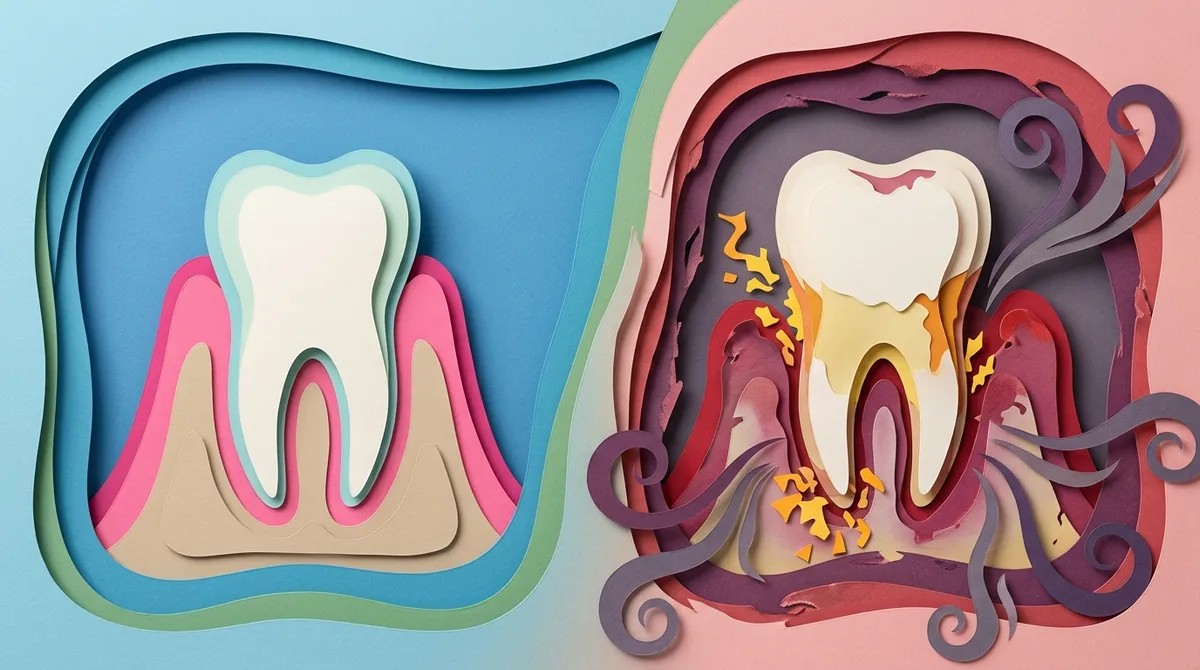
Gum disease is an infection of the tissues that hold your teeth in place. It starts with plaque — a sticky film of bacteria that builds up along your gumline. When plaque isn't removed regularly, it hardens into tartar and causes inflammation. This early stage is called gingivitis, and it's usually reversible with professional dental care for gum disease in Ocoee.
If gingivitis goes untreated, it progresses to periodontitis. In this stage, bacteria move below the gumline and start attacking the bone that supports your teeth. This can cause gum recession, tooth sensitivity, loose teeth, and even tooth loss. Advanced periodontitis is harder to manage, but it can still be controlled with the right treatment plan. The key is acting early. You can learn more about how regular check-ups make a difference by reading our article on 8 Reasons Dental Checkups Change Your Smile for Good.

The 15 Gum Disease Mistakes Ocoee Patients Make
Mistake 1: Ignoring Bleeding Gums
Many people see blood when they brush and think it's no big deal. Bleeding gums are one of the earliest warning signs of gum disease. Don't brush it off —schedule a dental visit in Ocoee as soon as you notice it.
Mistake 2: Skipping Routine Dental Cleanings
Professional cleanings remove tartar that your toothbrush simply cannot reach. Skipping them allows buildup to worsen. Patients with gum disease often need more frequent visits — sometimes every 3 to 4 months instead of twice a year. Check out our guide on how to get a dental cleaning in Ocoee that you'll love.
Mistake 3: Brushing Too Hard
Aggressive brushing doesn't clean better — it actually damages your gums and enamel. Use a soft-bristled toothbrush and gentle, circular motions. Think of it as a massage for your gums, not a scrubbing mission.
Mistake 4: Not Flossing Daily
Flossing removes plaque between teeth where your toothbrush can't reach. Skipping floss is one of the biggest contributors to gum disease. Make it a nightly habit, and your gums will thank you. For more tips, visit our dental hygiene routine guide.
Mistake 5: Assuming Gum Disease Only Affects Seniors
Gum disease doesn't discriminate by age. Teens, young adults, and middle-aged patients can all develop it. Hormonal changes, medications, and poor diet can all increase your risk — no matter how old you are.
Mistake 6: Waiting Until It Hurts to See a Dentist
Gum disease is often painless in its early stages. By the time it hurts, it may have already progressed significantly. Don't wait for pain as your signal — regular exams catch problems early. Learn more in our article on dental exams and why they matter.
Mistake 7: Smoking or Using Tobacco Products
Tobacco use is one of the strongest risk factors for gum disease. It reduces blood flow to your gums, masks symptoms like bleeding, and dramatically slows healing after treatment. Quitting is one of the best things you can do for your gum health.
Mistake 8: Skipping Scaling and Root Planing When Recommended
If your dentist recommends scaling and root planing — a deep cleaning procedure that removes plaque and tartar from below the gumline — don't put it off. This is the most effective non-surgical treatment for periodontitis, and delaying it gives the infection more time to damage your bone and tissue.
Here's how the scaling and root planing process typically works:
- Examination and X-rays: Your dentist assesses the depth of gum pockets and the extent of bone loss.
- Local anesthesia: The treatment area is numbed for your comfort.
- Scaling: Tartar and bacteria are carefully removed from above and below the gumline.
- Root planing: The tooth roots are smoothed to help gums reattach and prevent future buildup.
- Follow-up care: Antibiotic gels or mouth rinses may be applied, and a follow-up visit is scheduled to check healing.
Mistake 9: Not Using Prescribed Antibiotics or Mouth Rinses
Antibiotics, antibiotic gels, and antimicrobial mouth rinses are often part of a complete gum disease treatment plan. They help control bacteria that cause infection. Skipping these steps reduces the effectiveness of your overall treatment. Always follow your dentist's full recommendations.
Mistake 10: Letting Dry Mouth Go Untreated
Saliva is your mouth's natural defense system. It washes away bacteria and neutralizes acids. Certain medications and health conditions can cause dry mouth, which increases your risk of gum disease. Talk to your dentist about solutions, such as special rinses or hydration tips, to keep your mouth moist and healthy.
Mistake 11: Ignoring the Link Between Gum Disease and Overall Health
Research has connected gum disease to serious health conditions including heart disease, diabetes, and respiratory issues. Your gum health is part of your whole-body health. Taking dental care for gum disease in Ocoee seriously is an investment in your overall wellbeing. Read more about this connection in our article on 8 ways the mouth-body connection shapes your health.
Mistake 12: Not Replacing Missing Teeth
Tooth loss caused by gum disease can make remaining teeth shift and create new areas where plaque builds up. Replacing missing teeth with dental implants or dentures helps preserve your bite, protect your jawbone, and make it easier to maintain good oral hygiene.
Mistake 13: Avoiding the Dentist Due to Anxiety
Dental anxiety is real, and it's one of the most common reasons patients put off care until gum disease has already advanced. At Charming Smiles of Ocoee, Dr. Aliuska Lopez and her team specialize in helping anxious patients feel calm and comfortable. From soothing music and aromatherapy to warm blankets and a spa-like environment, every detail is designed to ease your nerves. You can get help with dental anxiety in Ocoee — you don't have to face it alone.
Mistake 14: Neglecting Gum Care After Treatment
After completing periodontal therapy, many patients assume they're done. But gum disease requires ongoing management. Your dentist will likely recommend a maintenance schedule with more frequent monitoring visits. Staying consistent with those follow-ups is what keeps gum disease from coming back.
Here's what a typical gum disease maintenance routine looks like:
- Attend scheduled periodontal maintenance cleanings (typically every 3–4 months).
- Brush twice daily with a soft-bristled brush and fluoride toothpaste.
- Floss every day to remove plaque between teeth.
- Use any prescribed mouth rinses or gels as directed by your dentist.
- Report any new symptoms — like increased sensitivity or bleeding — right away.
- Stay hydrated and avoid tobacco products to support gum healing.
Mistake 15: Not Asking About All Available Treatment Options
Many patients don't realize how many options are available for dental care for gum disease in Ocoee. From non-surgical deep cleanings to antibiotic therapy and tooth replacement solutions, there is a personalized plan for every stage of gum disease. Don't be shy — ask your dentist about everything that's available for your situation. Our general dentistry services page covers the full range of what we offer.

Early Warning Signs You Should Never Ignore
Catching gum disease early makes treatment simpler and more effective. Watch out for these common warning signs:
- Red, swollen, or tender gums
- Bleeding during brushing or flossing
- Persistent bad breath that doesn't go away
- Gums that appear to be pulling away from your teeth
- Increased tooth sensitivity, especially to hot or cold
- Teeth that feel loose or have shifted position
If you're noticing any of these signs, it's time to reach out. You can book online to schedule an appointment quickly and conveniently.
Who Is Most at Risk for Gum Disease?
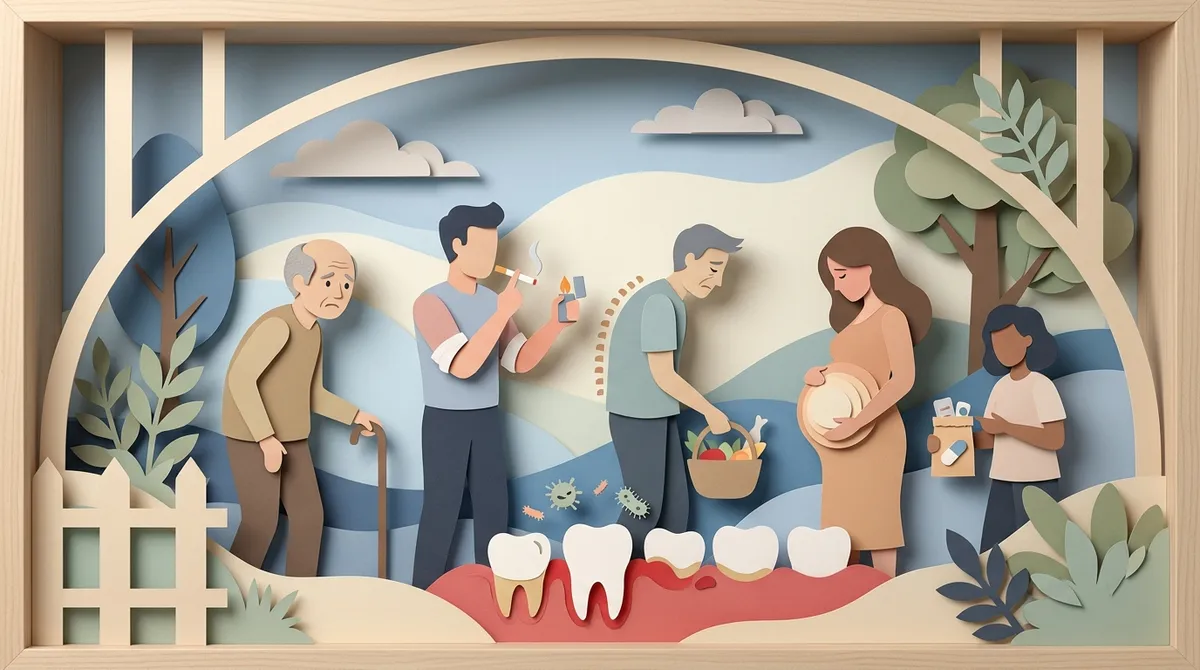
Certain factors can increase your chances of developing gum disease. Knowing your risk factors helps you take action sooner rather than later. People who are at higher risk include:
- Adults over 65 who may experience age-related gum recession
- Patients with diabetes or other systemic health conditions
- Pregnant women experiencing hormonal changes
- Smokers or those who use tobacco in any form
- People who are genetically predisposed to gum disease
- Patients taking medications that cause dry mouth as a side effect
If you fall into any of these categories, more frequent dental care for gum disease in Ocoee may be exactly what you need. Learn more about specialized care at our page on dental care for seniors in Ocoee.
What to Expect at Your Gum Disease Appointment
If you've never had a periodontal evaluation before, it's natural to feel a little nervous. Here's a simple step-by-step look at what happens during a gum disease assessment:
- Medical and dental history review: Your dentist will ask about your health, medications, and any symptoms you've noticed.
- Gum pocket measurement: Using a small probe, your dentist gently measures the space between your gums and teeth. Healthy pockets are typically 1–3 mm deep.
- X-rays: Dental X-rays help your dentist see any bone loss that may have occurred below the gumline.
- Diagnosis and treatment plan: Based on the findings, your dentist will recommend the appropriate treatment, which may include a deep cleaning, antibiotic therapy, or a referral to a specialist.
- First treatment visit: Depending on the severity, scaling and root planing may begin on the same visit or be scheduled in separate appointments.
You can also read our guide on 8 things to expect at your first dental consultation so you feel prepared and confident walking in.
How Charming Smiles of Ocoee Helps with Gum Disease
Charming Smiles of Ocoee, located at 315 West Rd near Publix in Ocoee, offers compassionate, personalized dental care for gum disease in Ocoee. Led by Dr. Aliuska Lopez, the team uses advanced dental technology to assess, treat, and monitor gum health at every stage. Whether you need a routine cleaning, a deep cleaning, or guidance on managing an ongoing periodontal condition, you'll find warm, expert care here. Visit us on Google — Charming Smiles of Ocoee to read hundreds of five-star reviews from patients who've experienced the difference firsthand.
We also understand that cost is a concern for many families and seniors. That's why we offer flexible insurance and financing options, including third-party solutions like CareCredit and Sunbit. You can also explore our dental savings plan if you're uninsured or underinsured. Don't let cost keep you from getting the gum care you need. Follow our Charming Smiles Facebook page and Charming Smiles Instagram page for tips, updates, and special offers.
Tips for Preventing Gum Disease at Home
Prevention is always better than treatment. Here are some simple daily habits that make a big difference in gum health:
- Brush for at least two minutes, twice a day, using a soft-bristled brush
- Floss once a day to clean between teeth and along the gumline
- Use a fluoride toothpaste and consider an antibacterial mouthwash
- Drink plenty of water to keep your mouth moist and wash away bacteria
- Eat a balanced diet rich in vitamins and minerals that support gum health
- Avoid smoking and limit sugary foods and drinks
Pair these habits with regular professional care, and you'll be in great shape. Check out our detailed 5 dental care mistakes that hurt your smile article for even more actionable advice.
Take Action for Your Gum Health Today
Gum disease is serious, but it doesn't have to take over your smile. Avoiding the mistakes listed above and partnering with a trusted dental team puts you firmly in control of your oral health. The earlier you act, the simpler treatment becomes — and the better your long-term outcomes will be. Whether you've noticed early warning signs or just want to be proactive, now is the perfect time to take the next step.
Ready to protect your smile and get expert dental care for gum disease in Ocoee? Give us a call — we'd love to welcome you. Reach our friendly team at (407) 378-3704 to schedule your appointment at Charming Smiles of Ocoee, where your comfort, health, and smile are always our top priority.
FAQs
Q: What are the early warning signs of gum disease I should watch for?
A: Great question! The most common early signs include red, swollen, or tender gums, bleeding when you brush or floss, persistent bad breath, and gums that seem to be pulling away from your teeth. The good news is that catching these signs early makes treatment much simpler — so don't wait to reach out to your dentist!
Q: Can gum disease be reversed with professional dental treatment?
A: Early-stage gum disease, called gingivitis, can absolutely be reversed with professional care and improved oral hygiene at home. If it has progressed to periodontitis, it can't be fully reversed, but it can be effectively managed with treatments like scaling and root planing so you can keep your natural teeth and maintain a healthy smile.
Q: How is scaling and root planing different from a regular cleaning?
A: A regular cleaning focuses on removing plaque and tartar from above the gumline, while scaling and root planing goes deeper — cleaning below the gumline and smoothing the tooth roots to help your gums reattach. It's typically done with local anesthesia for comfort and may require more than one visit depending on how much area needs to be treated.
Q: How often should I visit the dentist if I have gum disease?
A: Patients managing gum disease usually need more frequent visits than the standard twice-a-year schedule. Most dentists recommend coming in every 3 to 4 months for periodontal maintenance cleanings so your dentist can monitor healing and catch any new signs of trouble early. Your dentist will create a personalized schedule that works best for you!
Q: What happens if gum disease is left untreated for a long time?
A: Leaving gum disease untreated can lead to some really serious consequences, including deep gum pockets, bone loss, gum recession, and eventually tooth loss. It's also been linked to whole-body health issues like heart disease and diabetes. The great news is that with the right dental care for gum disease in Ocoee, you can stop the progression and protect both your smile and your overall health.