12 Oral Cancer Screening Mistakes Ocoee Patients Make
Discover 12 common oral cancer screening mistakes Ocoee patients make and learn how regular dental checkups can protect your health.
Key Takeaways
- Oral cancer screening is a quick, painless visual and tactile exam that should be part of every routine dental visit every six months. Studies show regular screening reduces oral cancer deaths by 27-29%, making it one of the most valuable few minutes you spend at the dentist.
- Don't assume oral cancer screening only matters for smokers or older adults—it can affect anyone at any age. Mention family history, tobacco/alcohol use, and any mouth sores lasting over two weeks to your dentist for proper risk assessment.
- Avoid relying on newer screening gadgets, special lights, or at-home mirror checks as replacements for professional exams. Only a trained dentist's hands-on check of your lips, cheeks, gums, tongue, palate, throat, jaw, and neck provides accurate screening.
- If your dentist spots something suspicious, prompt follow-up with biopsy or specialist referral is critical—don't delay or request extra unproven testing. Most findings are harmless, but quick action leads to better outcomes if cancer is present.
Here's something that might surprise you: many people skip their oral cancer screening without even realizing it's happening. It's a quiet part of your regular dental checkup, easy to overlook, yet it could be one of the most important few minutes you spend at the dentist all year. At Charming Smiles of Ocoee, we've seen firsthand how a simple visual exam can catch problems early, when treatment works best.
The truth is, oral cancer screening mistakes happen more often than you'd think. Patients delay visits, dentists rush through exams, and warning signs get missed. This guide walks through 12 common mistakes Ocoee patients make with oral cancer screening, so you can protect your health and feel confident at your next visit.
What Oral Cancer Screening Actually Involves
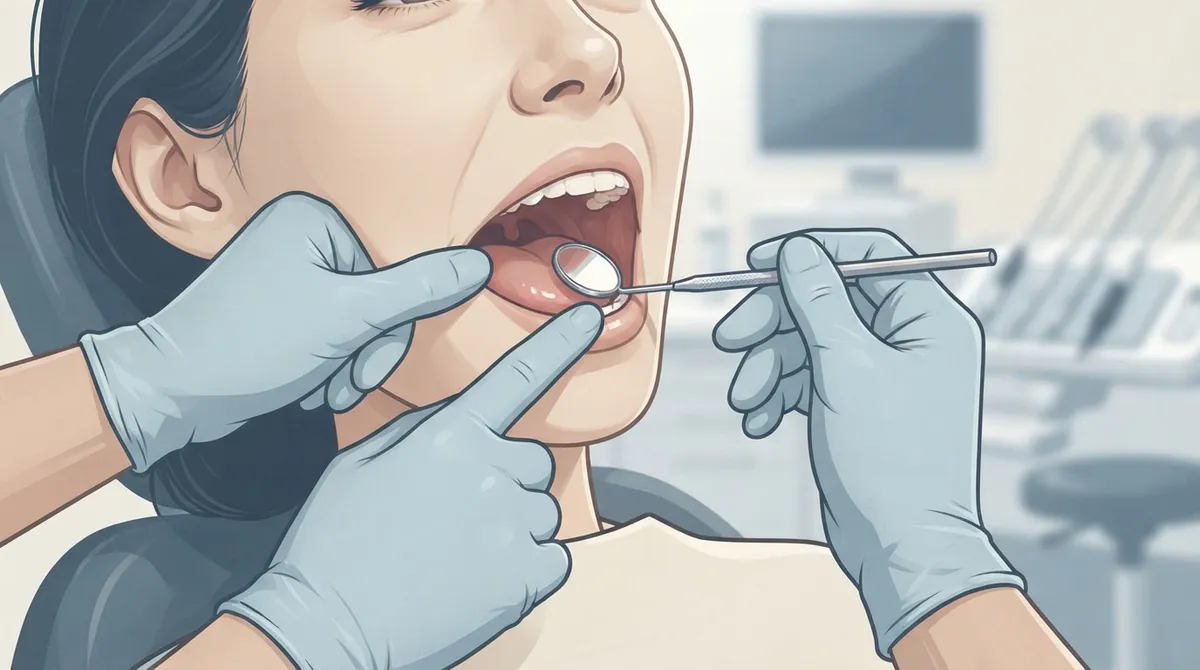
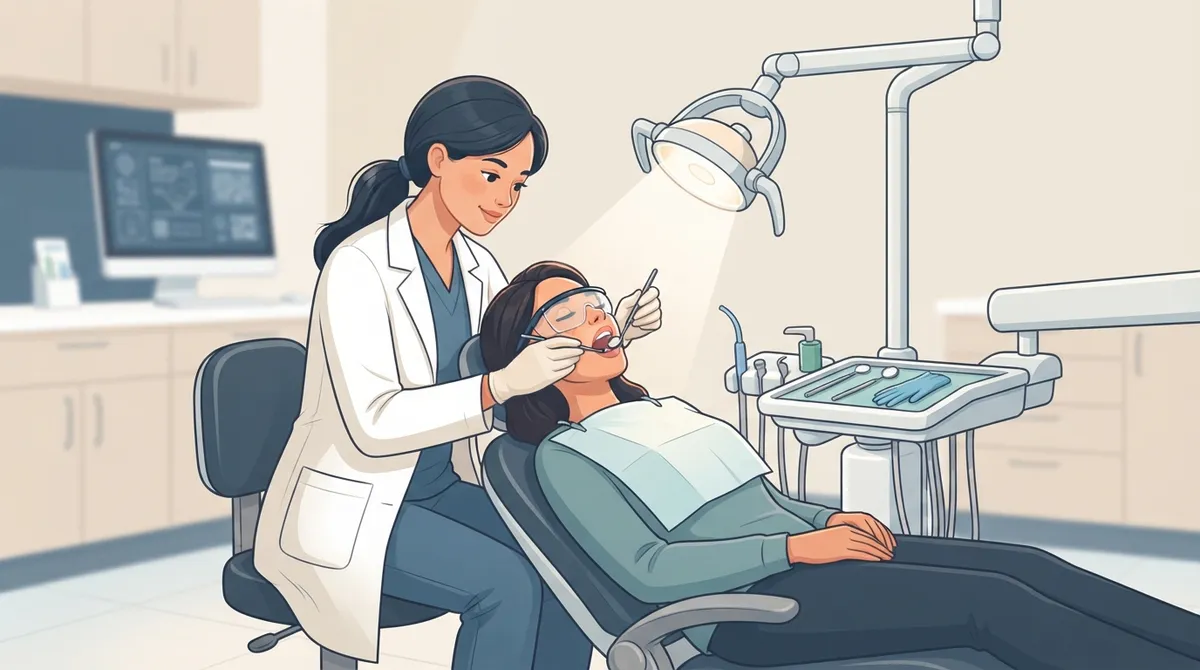
An oral cancer screening is a simple, painless check that happens during your regular dental visit. Your dentist looks at and feels different parts of your mouth, head, and neck. This includes your lips, cheeks, gums, tongue, roof of your mouth, throat, jaw, and neck area.
According to the American Dental Association, dentists should update your medical and social history first. Then they perform both a visual check and a tactile exam (using their hands to feel for lumps or unusual textures) for every adult patient. This isn't a fancy or complicated test. It's a careful look and feel that takes just a few minutes.
Why This Simple Check Matters So Much
Oral cancer doesn't always come with obvious pain or symptoms early on. That's what makes screening so valuable. A trained eye can spot changes you might never notice on your own.
- Sores that won't heal within two weeks
- Red or white patches inside the mouth
- Lumps or thickened areas on the cheek
- Numbness or pain without a clear cause
- Trouble chewing, swallowing, or moving your jaw
- Changes in how your teeth fit together
Catching these signs early can make a real difference. Learning about routine exams vs. oral pathology screening helps you understand what each visit actually covers.
12 Mistakes That Put Your Health at Risk
Let's go through the most common oral cancer screening mistakes we see at our Ocoee practice. Avoiding these can help you stay one step ahead.
- Skipping regular dental checkups. Screening only happens when you show up. Missing visits means missing chances to catch problems early.
- Assuming screening only matters for smokers. While tobacco and alcohol use raise risk, oral cancer can affect anyone, including younger, healthy adults.
- Ignoring mouth sores that linger. A sore that hasn't healed in two weeks needs attention, not a wait-and-see approach.
- Not mentioning family history. Your dentist needs full context to assess your risk properly.
- Believing screening hurts. The exam is quick and painless. There's truly nothing to fear.
- Choosing a rushed or incomplete exam. A proper screening checks the lips, cheeks, gums, tongue, palate, throat, jaw, and neck, not just a quick glance.
- Relying only on at-home mirror checks. Self-checks are helpful but can't replace a trained professional's tactile exam.
- Trusting adjunctive gadgets over standard exams. Tools like light-based devices or salivary tests aren't recommended as replacements for the traditional visual and tactile check.
- Delaying follow-up on a suspicious spot. If something looks unusual, prompt biopsy or specialist referral is the right next step.
- Not asking questions during your visit. A good dental team welcomes questions about what they're checking and why.
- Overlooking neck and jaw checks. Oral cancer screening isn't limited to inside the mouth. Lymph nodes and jaw movement matter too.
- Assuming insurance won't cover it. Many plans include screening as part of routine exams, so it's worth checking your insurance & financing options before skipping a visit.
Understanding Your Risk Level
Some people face higher risk than others. Knowing where you stand helps you take the right precautions.
| Risk Factor | Why It Matters |
|---|---|
| Tobacco use (smoking or chewing) | Significantly raises risk of abnormal cell changes |
| Heavy alcohol use | Combined with tobacco, risk increases even more |
| Age over 50 | Median diagnosis age is around 62, per SEER data |
| Sun exposure on lips | Raises risk for lip cancer specifically |
| History of HPV | Linked to some oral and throat cancers |
| Family history | May increase personal risk profile |
Data from a large community trial in Kerala showed that regular screening reduced oral cancer deaths by 27% overall. For people who used tobacco or alcohol, the reduction was even higher, at 29%. These numbers show why consistent screening truly saves lives.
How Often Should You Get Screened
Most dentists recommend an oral cancer screening at every routine checkup, generally every six months. This lines up perfectly with your regular cleaning and exam schedule.
- Schedule checkups every six months, or as your dentist recommends.
- Mention any new mouth pain, sores, or changes right away.
- Don't wait for your next scheduled visit if something feels off.
- Ask your dentist to explain what they're checking during the exam.
- Keep a simple log of any symptoms between visits.
If you're overdue, now's a great time to look into general dentistry services and get back on track. Booking regular visits is one of the easiest ways to protect your health long term.
What Happens If Something Looks Unusual
If your dentist spots something concerning, don't panic. Most findings turn out to be harmless. But following through matters a lot.
- Your dentist may recommend watching the area for a short time.
- A biopsy might be suggested if the spot doesn't improve.
- Referral to an oral surgeon or specialist could be the next step.
- Quick action leads to better outcomes if cancer is present.
Current guidance is clear on this point: suspicious lesions should go straight to biopsy or specialist evaluation, not extra rounds of unproven testing. This straightforward approach protects your health without unnecessary delays. You can read more about emergency dentistry if you ever need fast attention for a dental concern.
Why Adjunctive Tools Aren't a Replacement
You may hear about newer screening gadgets, like special lights or rinses that claim to spot cancer cells. These tools sound exciting, but current guidelines don't support using them instead of a standard visual and tactile exam. The tried-and-true hands-on approach remains the gold standard for accuracy.
Making Screening Part of Your Regular Routine
The best way to avoid oral cancer screening mistakes is simple: make it a habit. Treat it like brushing your teeth or wearing sunscreen. It's a small effort with a big payoff.
At Charming Smiles of Ocoee, every routine exam includes a thorough oral cancer screening as part of our commitment to your whole-mouth health. Our team, led by Dr. Aliuska Lopez, takes time to explain what we're checking and why it matters. We want you to feel informed, not rushed, during every visit.
If dental anxiety has kept you from regular checkups, we understand. Our spa-like environment includes calming touches designed to ease worry, and our team is trained to work gently with anxious patients. You deserve care that feels comfortable, not stressful.
Building Screening Into Family Care
While oral cancer risk rises with age, teaching kids and teens about mouth health early sets good habits for life. Family checkups are a great time to model consistent care. Explore our pediatric dentistry services to see how we care for the whole family, from toddlers to grandparents.
A Quick Checklist Before Your Next Visit
- Write down any mouth or throat symptoms you've noticed.
- Bring up tobacco or alcohol use honestly with your dentist.
- Ask about your personal risk factors.
- Confirm your screening is part of the exam, not an extra step.
- Follow up promptly if anything unusual is found.
Ready to prioritize your health? You can book online in just a few minutes, or feel free to give us a call. Many of our patients also connect with us through our Charming Smiles Facebook page and Charming Smiles Instagram page for updates on specials and patient stories. And if you'd like to see what our Ocoee neighbors are saying, check out our reviews when you visit us on Google — Charming Smiles of Ocoee.
Your Next Step Toward Better Oral Health
Oral cancer screening doesn't have to feel scary or complicated. It's a quick, painless part of your regular dental visit that could catch something important early. The biggest mistake isn't missing a sign, it's missing the appointment altogether.
At Charming Smiles of Ocoee, we combine advanced technology with a warm, welcoming environment to make every visit as comfortable as possible. Dr. Aliuska Lopez and our team are here to answer your questions, ease your worries, and give your mouth the thorough attention it deserves.
Don't wait to prioritize your smile and your health. Visit our location in Ocoee, or simply call us at (407) 378-3704 to schedule your comprehensive exam today. We're ready to welcome you with the gentle, personalized care you deserve.
FAQs
Q: What is included in an oral cancer screening at the dentist?
A: Your dentist checks your lips, cheeks, gums, tongue, roof of mouth, throat, jaw, and neck using both a visual look and a gentle hands-on exam. It's quick, painless, and usually happens right along with your regular checkup, so you won't even need to schedule anything extra!
Q: How often should you get an oral cancer screening?
A: Most folks should get screened at every routine dental visit, which typically means every six months. If you notice anything unusual between visits, like a sore that won't heal, don't wait, just give us a call right away.
Q: Does oral cancer screening hurt?
A: Not at all! It's a gentle visual and tactile check that takes just a few minutes. Many patients don't even realize it's happening because it's built right into their regular exam.
Q: Who is at higher risk for oral cancer?
A: People who use tobacco or drink alcohol heavily face higher risk, and risk also rises after age 50. That said, oral cancer can affect anyone, so screening matters for all our patients, not just those with known risk factors.
Q: Is oral cancer screening covered by dental insurance?
A: In most cases, yes! Screening is typically part of your routine exam, which many insurance plans cover. We're happy to help you check your specific benefits before your visit so there are no surprises.