Routine Exams vs. Oral Pathology Screening: Which Wins?
Routine exams vs. oral pathology screening — discover which matters more for your oral health in Ocoee and why you actually need both to stay protected.

Key Takeaways
- Non-healing mouth sores lasting over two weeks, unusual lumps, red/white patches, or persistent pain warrant immediate oral pathology evaluation rather than waiting for routine checkups.
- Early detection of oral pathology conditions dramatically improves treatment outcomes and survival rates, especially for oral cancer, making proactive screening essential for all ages.
- Routine dental exams and oral pathology screenings serve different purposes: routine exams maintain baseline health every six months, while pathology screenings specifically identify tissue abnormalities when symptoms appear.
- Adults over 40, tobacco users, heavy alcohol consumers, and those with family history of oral cancer require extra vigilant oral pathology screening as higher-risk groups.
- Most dental insurance plans including Delta Dental cover diagnostic oral pathology services, and Charming Smiles of Ocoee offers flexible payment options and insurance guidance to make care accessible.
- General dentists can handle most oral pathology concerns with visual examination, patient history review, and imaging; referrals to specialists occur only when necessary for complex cases.
Have you ever noticed a sore in your mouth that just wouldn't go away? Or maybe a strange lump that showed up out of nowhere? Most of us brush it off as nothing. But here's the thing — your mouth is one of the first places your body signals that something deeper might be going on. Understanding the difference between a routine dental exam and a focused oral pathology screening could genuinely change — or even save — your life.
When it comes to dental care for oral pathology in Ocoee, many residents aren't sure where to start. Should you wait for your next cleaning? Do you need a specialist? Don't worry — we're breaking it all down in a friendly, easy-to-follow way. Whether you're a busy parent, a senior managing gum health, or simply someone who noticed something unusual, this guide is for you.

What Is Oral Pathology Anyway?
Oral pathology is the study and diagnosis of diseases that affect the mouth, jaw, and surrounding tissues. This includes conditions like mouth sores, unusual growths, discoloration, and even early signs of oral cancer. It sounds serious — and sometimes it is — but early detection makes a massive difference in outcomes.
Think of oral pathology as your mouth's early warning system. When something looks or feels off, a trained dentist can spot the signs before they become a bigger problem. That's why dental exams and what to expect from them matter so much for overall health.
Routine Dental Exam: What Does It Cover?
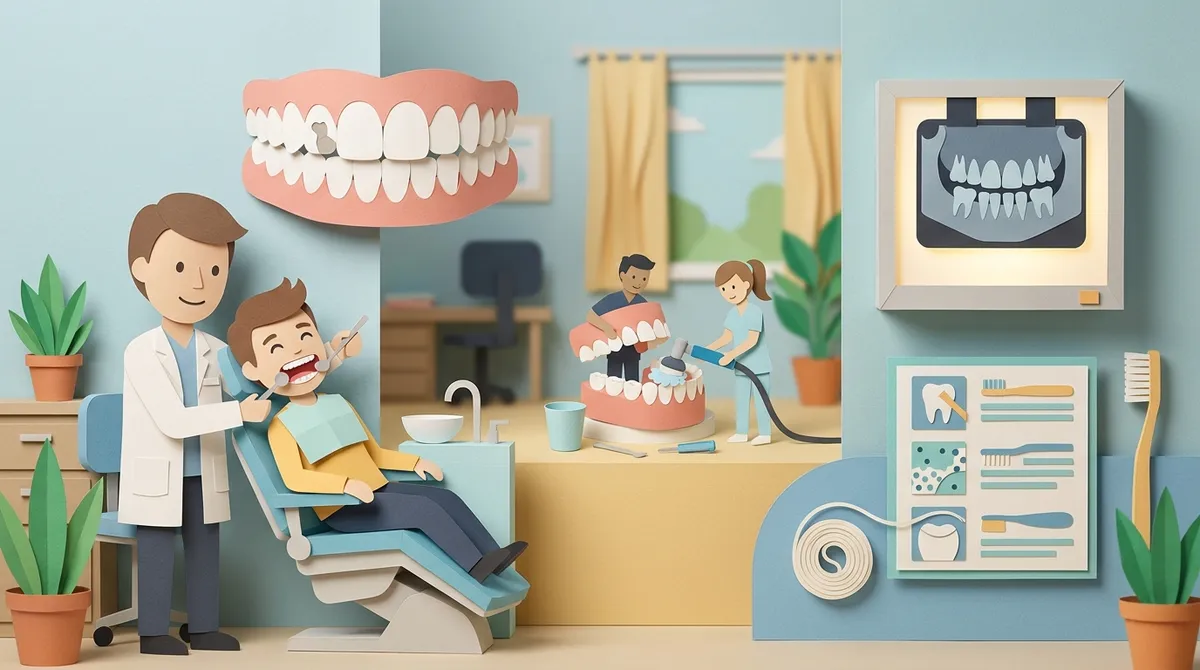
A routine dental exam is your go-to preventive appointment. It typically includes a professional cleaning, X-rays, and a general check of your teeth and gums. Your dentist checks for cavities, plaque buildup, gum disease, and bite issues. It's the foundation of good oral health — and it's something every family member should be doing twice a year.
Here's what a standard routine exam usually involves:
- Professional cleaning by a hygienist
- Digital X-rays to spot hidden decay or bone loss
- Gum health assessment (checking for bleeding or recession)
- Cavity screening
- A general visual check of soft tissues
- Bite and jaw alignment review
Routine exams are fantastic for maintaining your baseline oral health. But they're not always designed to catch the more subtle signs of pathological changes in soft tissue. That's where a dedicated oral pathology screening comes in.
Oral Pathology Screening: A Deeper Look
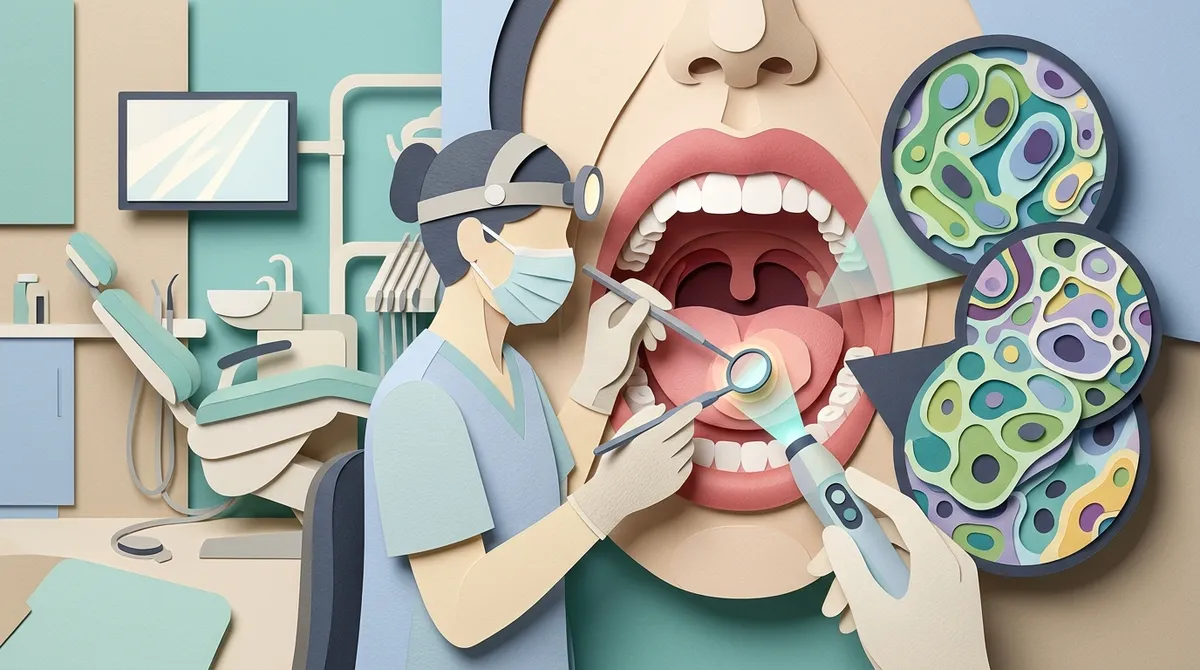
An oral pathology screening goes beyond the basics. It focuses specifically on identifying abnormal changes in the tissues of your mouth, lips, tongue, gums, and jaw. These screenings look for signs that something might be developing beneath the surface.
Warning signs that prompt an oral pathology evaluation include:
- Non-healing sores or ulcers lasting more than two weeks
- Unusual lumps, bumps, or swellings
- Red or white patches inside the mouth
- Persistent pain, numbness, or tenderness
- Bleeding that has no clear cause
- Difficulty swallowing or chewing
If any of these sound familiar, it's worth talking to your dentist right away. You can call us at (407) 378-3704 to schedule an evaluation at Charming Smiles of Ocoee, where Dr. Aliuska Lopez and her compassionate team are ready to help.
How the Two Compare: Key Differences
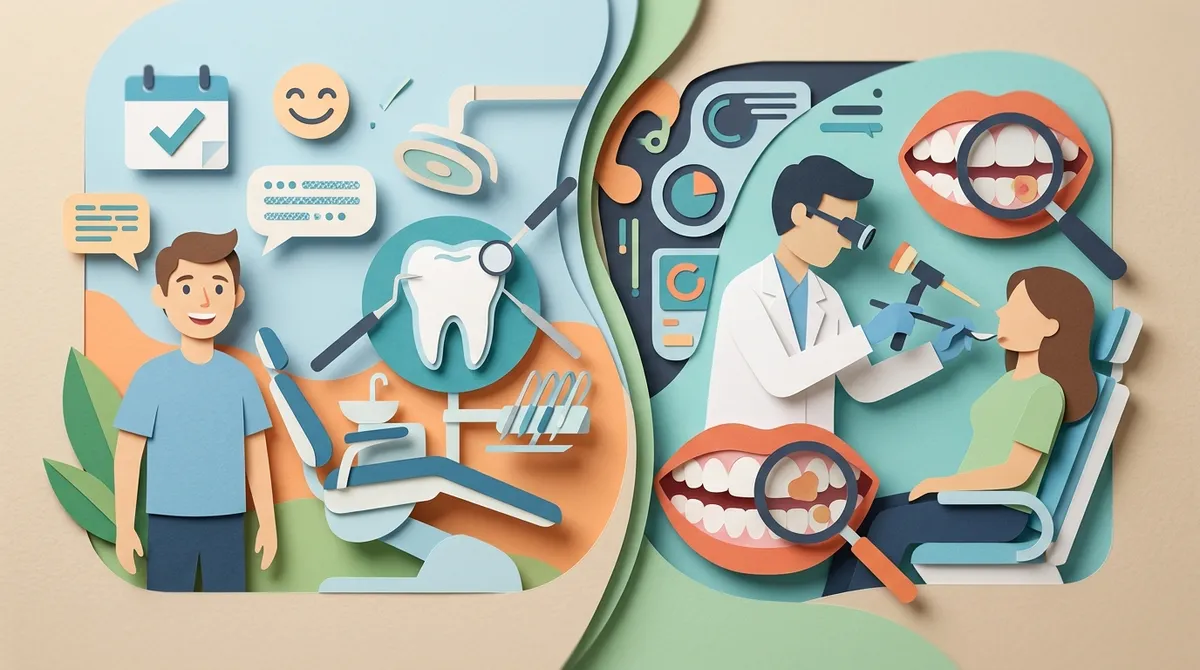
Let's lay it out clearly. Both types of appointments serve important roles, but they're not the same thing. Here's a simple numbered breakdown of how they differ:
- Purpose: Routine exams maintain general oral health. Oral pathology screenings identify specific tissue abnormalities or disease processes.
- Frequency: Routine exams happen every six months. Pathology screenings happen when symptoms appear — or during a routine exam when something suspicious is noticed.
- Procedures involved: Routine exams include cleanings and X-rays. Pathology screenings may involve tissue examination, additional imaging, or a biopsy referral.
- Who performs them: Both can start with your general dentist. Complex cases may be referred to an oral surgeon or specialist.
- Urgency: Routine exams are scheduled in advance. Pathology concerns can be time-sensitive and should be addressed promptly.
Understanding this distinction helps you advocate for your own health. Don't wait for your next scheduled cleaning if something feels wrong. Learn what to do when you need urgent dental care in Ocoee and take action quickly.
Why Early Detection of Oral Pathology Matters
Oral cancer is one of the most serious conditions that oral pathology screening can detect. When caught early, survival rates improve dramatically. But oral pathology doesn't stop at cancer — it also includes conditions like cysts, benign tumors, fungal infections, and autoimmune-related mouth sores that need proper management.
The good news? Most conditions are very treatable when found early. That's why regular dental checkups genuinely change your smile and your health. Even a routine exam can catch early warning signs that prompt further evaluation.
Here's why early intervention wins every time:
- Smaller lesions are easier to treat with less invasive procedures
- Early-stage conditions respond better to treatment
- You avoid costly, complex interventions down the road
- Peace of mind is worth everything
What Happens During an Oral Pathology Evaluation?
If your dentist notices something during your routine exam, they'll guide you through the next steps. Here's a simple numbered sequence of what typically happens:
- Visual examination: Your dentist thoroughly inspects the soft tissues of your mouth, tongue, throat, and lips.
- Patient history review: They ask about symptoms, duration, pain levels, and lifestyle factors like tobacco or alcohol use.
- Additional imaging: If needed, X-rays or 3D scans help evaluate bone or deeper tissue changes.
- Biopsy or referral: If a suspicious lesion is found, a tissue sample may be taken and sent to a lab, or you may be referred to an oral surgeon for further care.
- Follow-up and treatment planning: Based on findings, your dentist creates a personalized care plan to address the condition.
You can explore more about dental care for oral surgery in Ocoee if your condition requires a surgical approach. The process is more manageable than most people expect.
Who Needs Oral Pathology Screening Most?
The honest answer is: everyone benefits from having their dentist keep an eye out for unusual changes. But certain groups carry a higher risk and should be extra vigilant.
Higher-risk individuals include:
- Adults over 40 (risk of oral cancer increases with age)
- Tobacco users — whether cigarettes, cigars, or smokeless tobacco
- Heavy alcohol consumers
- People with a family history of oral cancer
- Seniors managing multiple health conditions
- Individuals with persistent mouth sores or recurring infections
For our senior patients in Ocoee, oral pathology screening is especially important. Age-related tissue changes can sometimes mask early signs of disease, making professional screening even more valuable.
So Which Wins — Routine Exam or Pathology Screening?
Here's the real answer: neither wins alone. You need both, and they work best together. Your routine exam is the foundation that keeps your teeth and gums healthy. Your oral pathology screening — whether built into that exam or prompted by symptoms — ensures your soft tissues are healthy too.
Think of it like home maintenance. Routine cleaning keeps the place tidy. But every so often, you call in a specialist to check for hidden leaks or structural issues. Both are essential. Neither replaces the other.
At Charming Smiles of Ocoee, Dr. Lopez combines both approaches during every comprehensive exam. Her trained eye and compassionate approach ensure that nothing gets overlooked. She understands that catching a small issue early is always better than dealing with a big problem later.
Insurance, Costs, and Access to Oral Pathology Care
One of the biggest concerns patients have is the cost of care. The good news is that many dental insurance plans cover routine exams and a portion of diagnostic procedures. When it comes to dental care for oral pathology in Ocoee, coverage can vary — but there are options.
Delta Dental, for example, lists multiple Ocoee-area dentists who accept their plans for pathology-related care. Exploring your insurance and financing options at Charming Smiles of Ocoee is easy and stress-free. The team will help you understand your benefits before any treatment begins.
If cost is a concern, consider:
- Reviewing your current dental insurance coverage for diagnostic services
- Asking about a dental savings plan for uninsured patients
- Setting up flexible payment plans through options like CareCredit or Sunbit
- Checking for current specials or new patient promotions
You can also book online at Charming Smiles of Ocoee for a convenient, no-pressure appointment to discuss your oral health concerns.
Getting Started with Oral Pathology Care in Ocoee
If you're ready to be proactive about your oral health, starting is simple. Here's a quick numbered action plan:
- Schedule a comprehensive dental exam that includes a soft tissue evaluation
- Tell your dentist about any unusual symptoms — don't downplay them
- Follow through on any referrals or recommended follow-up appointments
- Maintain your regular six-month checkups as your first line of defense
Staying informed is also part of great dental care. Check out 7 oral health mistakes that may be hurting your smile and make sure you're not accidentally putting yourself at risk.
Follow along with tips, updates, and behind-the-scenes care moments on the Charming Smiles Facebook page and the Charming Smiles Instagram page — because great dental health is a community effort!
Conclusion: Take Charge of Your Oral Health Today
When it comes to dental care for oral pathology in Ocoee, the smartest move is to stay ahead of potential problems. Routine exams keep your smile healthy and looking great. Oral pathology screenings catch what the eye might otherwise miss. Together, they form a complete picture of your oral wellness.
Don't wait until something feels wrong to take action. Your mouth is telling you a story every single day — and a great dentist helps you understand it. Visit us on Google — Charming Smiles of Ocoee to read real patient reviews and see why so many Ocoee families trust Dr. Aliuska Lopez with their oral health.
Ready to schedule your comprehensive exam or oral pathology evaluation? Call us at (407) 378-3704 today. Dr. Lopez and the entire Charming Smiles team are here to make your visit warm, comfortable, and genuinely helpful. Your smile deserves nothing less.
FAQs
Q: What is oral pathology and why does it matter for my dental health in Ocoee?
A: Oral pathology is the study of diseases affecting your mouth, jaw, and surrounding tissues — things like unusual sores, lumps, or tissue changes. It matters because catching these issues early means easier, more effective treatment. Your Ocoee dentist can spot warning signs during a regular exam before they become something more serious!
Q: How do I know if a mouth sore needs professional dental care in Ocoee?
A: A good rule of thumb: if a sore, ulcer, or unusual spot in your mouth hasn't healed within two weeks, it's time to have a dentist take a look. Other red flags include pain, bleeding with no clear cause, or any visible lump or discoloration. Don't ignore it — getting checked early is always the right call!
Q: Does my dental insurance cover oral pathology screenings in Ocoee?
A: Many dental insurance plans, including Delta Dental, cover at least a portion of diagnostic services related to oral pathology. Coverage can vary depending on your specific plan, so it's always a good idea to check with your dental office before your appointment. The team at Charming Smiles of Ocoee is happy to help you understand your benefits!
Q: Can my general dentist in Ocoee handle oral pathology concerns, or do I need a specialist?
A: Your general dentist is often your first and best point of contact for oral pathology concerns. They can perform visual screenings, review your symptoms, and determine whether a specialist referral or biopsy is needed. Most cases are managed right at your local dental office — no need to panic or assume the worst!
Q: How often should I get an oral pathology screening if I'm at higher risk?
A: If you use tobacco, consume alcohol regularly, are over 40, or have a history of oral health issues, talking to your dentist about more frequent soft tissue evaluations is a smart move. At minimum, every six-month routine exam should include a visual soft tissue check. Your dentist will guide you on whether additional screenings are right for you.