11 Veneer Mistakes for Chipped Teeth in Apopka, FL
Thinking about veneers for chipped teeth in Apopka, FL? Avoid these 11 common mistakes and learn which repair truly fits your smile.
Key Takeaways
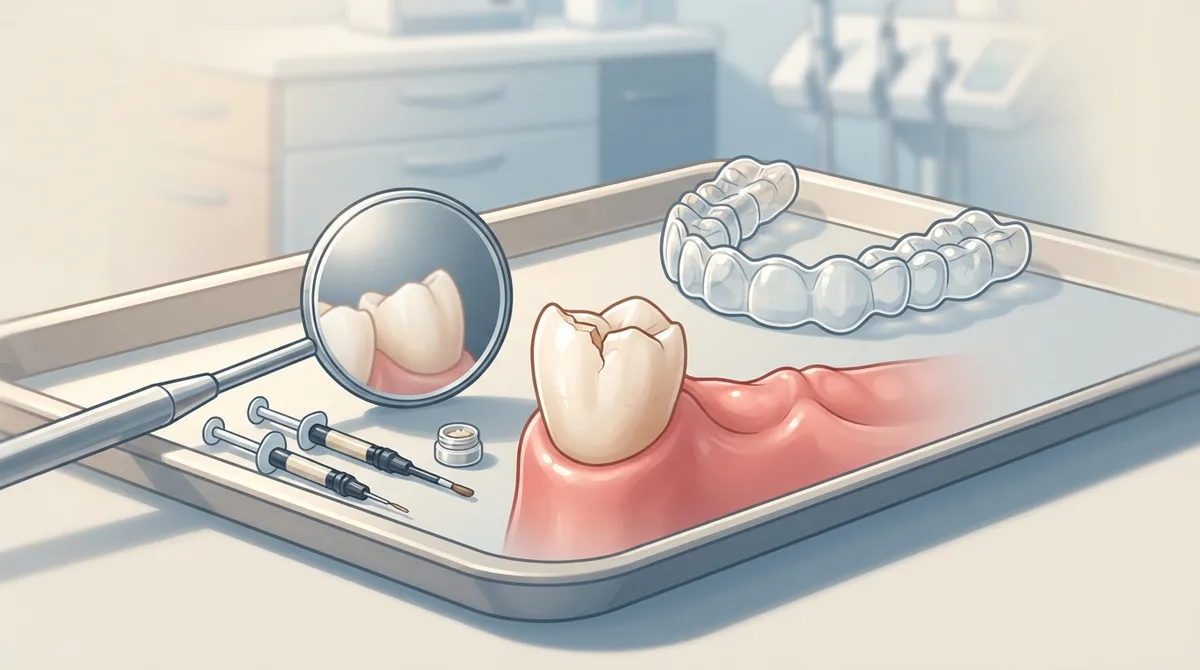
- Veneers are not always the best fix for a chip; composite bonding often works for smaller chips on healthy teeth, usually in one visit, while larger breaks may need a crown.
- Get a thorough exam first to check enamel, bite, gums, and root health, since veneers need healthy tooth structure to bond well and hidden decay or gum disease can cause early failure.
- Treat painful or sharp chips as urgent, because a deep crack can reach the nerve and lead to infection; rinse with warm water, avoid chewing on that side, and call your dentist.
- Porcelain veneers usually require removing a thin layer of enamel that does not grow back, so ask how much will be removed and whether a more conservative option could work.
- If you grind or clench your teeth, tell your dentist, since grinding can crack veneers or loosen the bond; a night guard can protect your investment.
- Ask for a written, case-specific cost estimate, a timeline of visits (porcelain often takes two or three), and a preview of your new smile before committing.
A chipped tooth can catch you off guard. Maybe you bit into a crusty piece of bread. Maybe you took a tumble at the park. Now you keep running your tongue over that sharp little edge, and you wonder if veneers for chipped teeth in Apopka, FL might be the answer.
Here is the friendly truth: veneers can be a lovely fix, but they are not the right fix for every chip. Many people rush in, skip key steps, and end up with a result they do not love. Whether you are a busy parent, a cosmetic enthusiast, or someone who feels nervous in the dental chair, this guide will help you dodge the most common missteps.
We will walk through 11 mistakes, explain what to do instead, and share simple tips for finding the right care in the Apopka and Ocoee area. Grab a cup of coffee, and let's make your smile decision a little easier.
First, What Are Veneers for a Chipped Tooth?
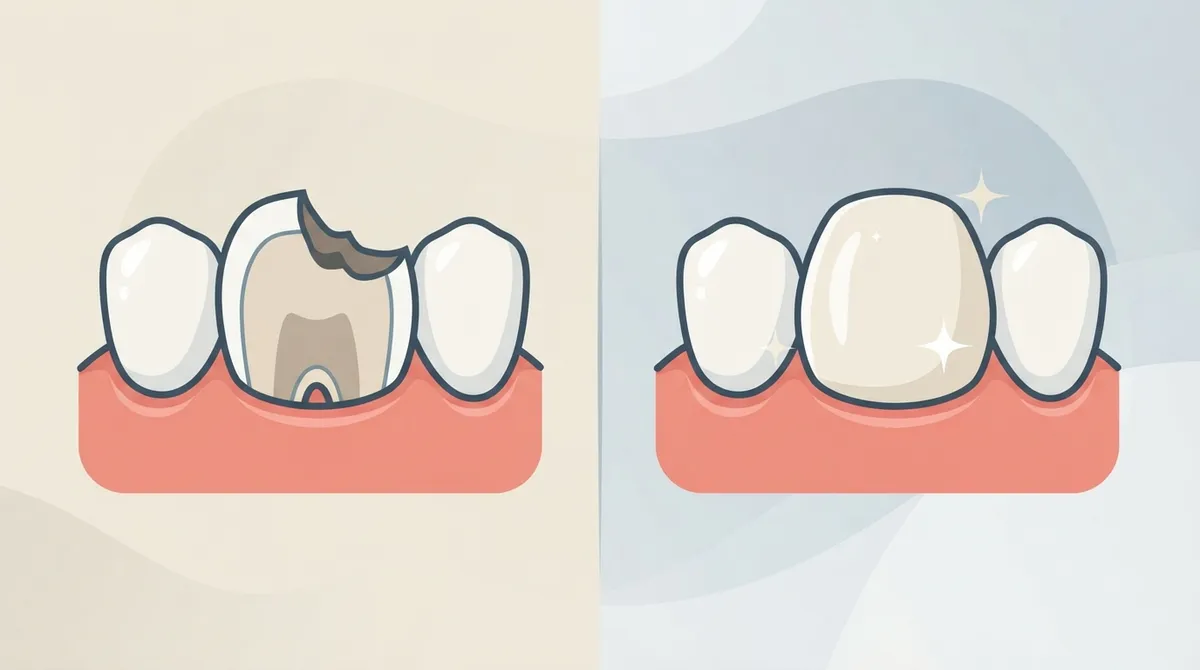
Dental veneers are thin, custom-made shells that bond to the front of your teeth. They are usually made from porcelain or composite resin. A veneer can cover a chip, hide small flaws, and give the tooth a smooth, natural look.
But a veneer is not a magic cover-up. Your dentist must first check how big the chip is, why it happened, and whether the tooth is strong enough to hold a veneer. That exam is the foundation of a great result.
Mistake 1: Assuming a Veneer Is Always the Best Repair
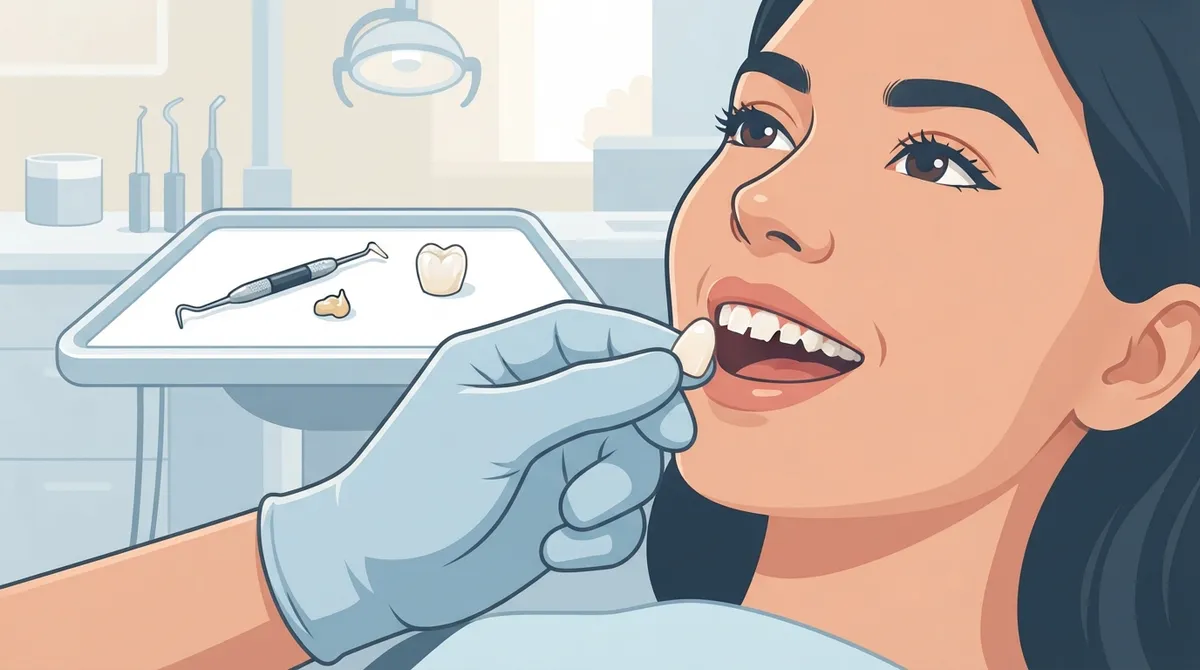
Veneers are popular, so many people assume they are the go-to for every chip. In reality, the best choice depends on the tooth, your bite, and your overall oral health.
Here is a quick look at common options:
| Option | Best For | Typical Visits |
|---|---|---|
| Composite bonding | Smaller chips on otherwise healthy teeth | Often one visit |
| Porcelain veneer | Chips plus color, shape, or surface concerns | Usually two or more visits |
| Composite veneer | Budget-minded cosmetic repair | Often one visit |
| Dental crown | Larger breaks or weakened teeth | One to two visits |
Not sure how bonding compares? Our guide on the key differences between bonding and veneers breaks it down in plain language.
Mistake 2: Skipping a Proper Exam First
It is tempting to jump straight to a smile makeover. But a thorough exam is the step that protects you. Your dentist should look at the enamel, the bite, the gums, and the root health before choosing a repair.
Why does this matter? Veneers need healthy tooth structure to bond well. If there is hidden decay, cracks, or gum trouble, a veneer may fail early. A careful exam helps you avoid wasted money and repeat visits.
Mistake 3: Ignoring Decay or Gum Disease
Veneers sit on top of your natural tooth. They do not treat what is going on underneath. If you have active decay or gum disease, those issues should be handled first.
Think of it like painting a wall with a leak behind it. The paint may look good for a while, but the problem keeps growing. Getting your mouth healthy first gives your veneer a strong, stable base.
Mistake 4: Brushing Off a Painful or Sharp Chip
Some chips feel harmless. Others cause pain, sensitivity, or a razor-sharp edge that cuts your tongue. Do not wait it out.
If your chip is painful or the tooth feels loose, treat it as urgent. A deeper crack can reach the nerve and lead to infection. Learn what to do in our guide on how to handle an emergency dental crisis in Ocoee. In the meantime, rinse with warm water, avoid chewing on that side, and call your dentist.
Mistake 5: Not Understanding the Enamel Trade-Off
Conventional porcelain veneers usually require removing a thin layer of enamel so the veneer fits properly. That enamel does not grow back, so the change is generally permanent.
This is not a reason to panic. It simply means you should go in with open eyes. Ask your dentist how much enamel will be removed and whether a more conservative option, like bonding, could work for your chip. Curious about the steps? See whether veneers really require shaving your teeth.
Mistake 6: Forgetting That Grinding Can Damage Veneers
If you clench or grind your teeth at night, your veneers face extra pressure. Grinding may cause new chips, cracks, or even loosen the bond over time.
Tell your dentist about any grinding, jaw soreness, or morning headaches. They may suggest a night guard to protect your new smile. A small guard can save you from a big repair bill later.
Mistake 7: Choosing Only by Price
Price matters, especially for busy families watching the budget. But the cheapest option is not always the best value. Skill, materials, and planning all shape how your veneer looks and lasts.
One Apopka dental office lists a veneer range of about $583 to $1,351 per tooth. That is a published estimate, not a promised quote. Your actual fee depends on the material, how complex your case is, and the practice you choose. Always ask for a written, case-specific estimate after your exam.
Need help comparing costs? Our post on veneers cost in Ocoee gives helpful context, and this guide to finding affordable veneers shares smart money tips.
Mistake 8: Not Asking About Visits and Timing
Many people expect to walk in and walk out with a finished veneer. That is possible with some composite options, but porcelain veneers usually take more time.
Here is what the process often looks like:
- Consultation and exam. Your dentist checks the chip and talks through your options.
- Tooth preparation. A small amount of enamel is gently reshaped.
- Impressions or digital scans. These capture the exact shape of your teeth.
- Temporary veneers. You may wear these while the lab makes your final ones.
- Final placement. The custom veneer is checked, adjusted, and bonded in place.
Local Apopka practices describe porcelain veneer care as typically two or three visits. Ask upfront how many appointments to plan for, so you can fit them around work and school pickups.
Mistake 9: Skipping the Preview of Your New Smile
Would you buy a sofa without seeing it first? A smile deserves the same care. Ask whether your dentist can show you a mock-up, a digital preview, or before-and-after photos of real patients.
Seeing your possible result builds confidence and helps you speak up about shape, length, and shade. Our tips on how to preview your new smile before getting veneers will show you what to ask for.
Mistake 10: Letting Dental Anxiety Keep You From Asking Questions
If dental visits make your stomach flip, you are not alone. Many people put off care because of fear, and a small chip slowly turns into a bigger problem.
Look for a practice that treats anxiety with kindness. A calm setting, clear explanations, and a gentle team make a real difference. At Charming Smiles of Ocoee, Dr. Aliuska Lopez and the team offer a relaxing, spa-like environment with comfort extras like soothing music and aromatherapy. You can read more about why a spa-like atmosphere makes dental visits better.
Mistake 11: Forgetting Aftercare and Long-Term Habits
Porcelain veneers can be durable and resist staining, but they are not permanent. They may eventually need repair or replacement. Good habits help them last as long as possible.
Keep these simple tips in mind:
- Brush twice a day with a soft toothbrush and non-abrasive toothpaste.
- Floss daily, and be gentle around the veneer edges.
- Avoid biting ice, pens, or fingernails.
- Wear a mouthguard for sports and a night guard if you grind.
- Keep up with regular checkups and cleanings.
For more day-to-day care, check out these flossing tips for a healthy smile.
When a Crown Makes More Sense Than a Veneer
Sometimes a chip is more than skin deep. A larger fracture, heavy decay, or damage that weakens the tooth may call for a crown instead. A crown wraps around the whole tooth and adds strength, while a veneer only covers the front.
If you are weighing both, our post on how to choose between veneers and crowns can help you decide. And if you are not sure your tooth needs one, read when a weak tooth actually needs a crown.
Finding the Right Care Near Apopka
Several practices in Apopka advertise veneer and bonding consultations. Because services, dentist availability, and fees can change, always confirm details directly with any office before you book.
If you are open to a short drive, Ocoee is right next door. Charming Smiles of Ocoee offers cosmetic dentistry, veneers, and a free cosmetic consultation, so you can learn your options with no pressure. You can also explore what dental veneers in Ocoee can do for your smile. Prefer to read feedback first? Visit us on Google — Charming Smiles of Ocoee to see what patients say.
Worried about cost? Flexible financing can help spread payments over time. Learn more in our guide to ways to finance veneers in Ocoee.
A Quick Checklist Before You Commit
Use this friendly checklist at your consultation:
- Is a veneer, bonding, or a crown best for my specific chip?
- How much enamel will be removed, if any?
- How many visits will I need?
- Can I see a preview or real patient examples?
- What is the total cost, in writing?
- What care will my veneer need long term?
Good dentists welcome these questions. If you feel rushed or dismissed, that is a sign to keep looking.
Take the Next Step Toward a Smile You Love
A chipped tooth does not have to dim your confidence. With the right exam, honest advice, and a gentle team, you can pick the repair that truly fits your tooth and your life.
Ready to talk it through? You can book online, find our location, or call us at (407) 378-3704 to schedule a free cosmetic consultation. We would love to help you smile again.
FAQs
Q: Are veneers a good option for a chipped tooth?
A: They can be, especially when the chip is small and the tooth is otherwise healthy with enough enamel for bonding. Your dentist will check the chip, your bite, and your overall oral health first. For bigger breaks, a crown or another repair may be a better fit.
Q: Should I choose dental bonding or a veneer for a chipped tooth?
A: Bonding is often used for smaller chips and can usually be done in one visit. A veneer may make more sense if you also want to improve color, shape, or the look of the whole tooth. A quick exam will show which one suits you best.
Q: How many appointments do veneers take in the Apopka area?
A: Porcelain veneers typically take at least two visits, and some local practices describe two or three while a lab makes your custom veneers. Composite veneers or bonding may be finished in one visit, depending on your case. Ask your dentist for a clear timeline up front.
Q: How much do veneers cost per tooth in Apopka, FL?
A: One local Apopka practice lists a published range of roughly $583 to $1,351 per tooth, but that is an estimate, not a quote. Your price depends on the material, how complex your case is, and the office you choose. Ask for a written, case-specific estimate after your exam.
Q: Are veneers permanent, and does insurance cover them?
A: Porcelain veneers can last a good while, but they are not permanent and may need repair or replacement someday. Coverage varies, and veneers are often considered cosmetic, so check with your insurer and your dental office. Financing options can also help spread out the cost.