11 Gum Disease Treatment Mistakes Ocoee Patients Make
Discover 11 common gum disease treatment mistakes Ocoee patients make and learn how gentle, expert care protects your smile for life.
Key Takeaways
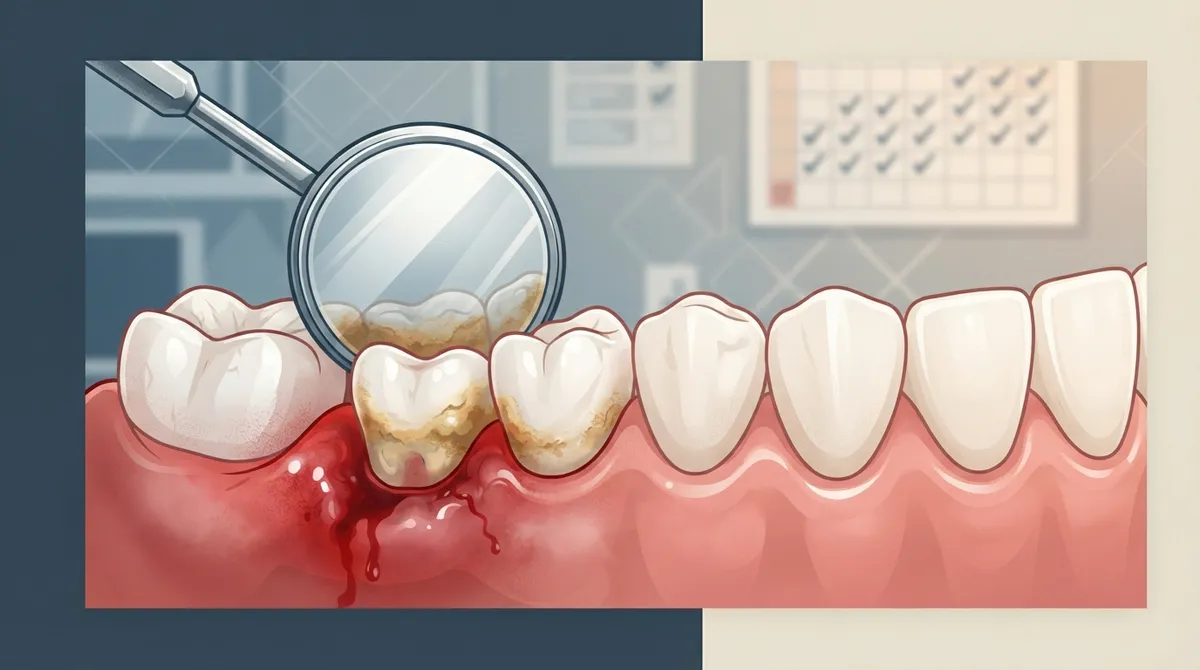
- Bleeding gums are a warning sign of gum disease and should never be ignored; healthy gums should not bleed during normal brushing or flossing, and early treatment of gingivitis can prevent progression to periodontitis.
- Periodontitis is a chronic condition requiring ongoing maintenance visits every 3-6 months after initial scaling and root planing treatment; skipping these follow-up visits is a top reason gum disease returns.
- About 42% of adults over 30 in the US have some form of periodontitis according to the CDC, and regular dental checkups are essential for catching gum disease early before it requires costly invasive treatments.
- Smoking and diabetes significantly complicate gum disease treatment by slowing healing and reducing infection-fighting ability; inform your dentist about these conditions so they can adjust your treatment plan accordingly.
- A single deep cleaning (scaling and root planing) is not a permanent fix; mouthwash and antibiotics alone cannot remove hardened tartar or reach deep gum pockets and must be paired with professional care.
- Daily home care including twice-daily brushing, daily flossing, and avoiding tobacco is essential to prevent gum disease recurrence, and delaying treatment due to cost concerns typically results in more expensive outcomes like tooth loss requiring implants or dentures.
Bleeding gums are not something to shrug off. They can be your body's first warning that gum disease is creeping in. Here at Charming Smiles of Ocoee, we see this every week, and the good news is that most gum problems are very treatable when caught in time. This guide walks you through the most common mistakes people make with gum disease treatment, so you can protect your smile and avoid bigger dental bills down the road.
Gum disease affects way more people than you might think. About 42% of adults over 30 in the United States have some form of periodontitis, according to the CDC. That's almost half of all adults! Whether you're a busy parent in Ocoee juggling soccer practice and dinner, or a senior looking for gentle care, understanding these mistakes can save your smile and your wallet.
What Is Gum Disease, Really?
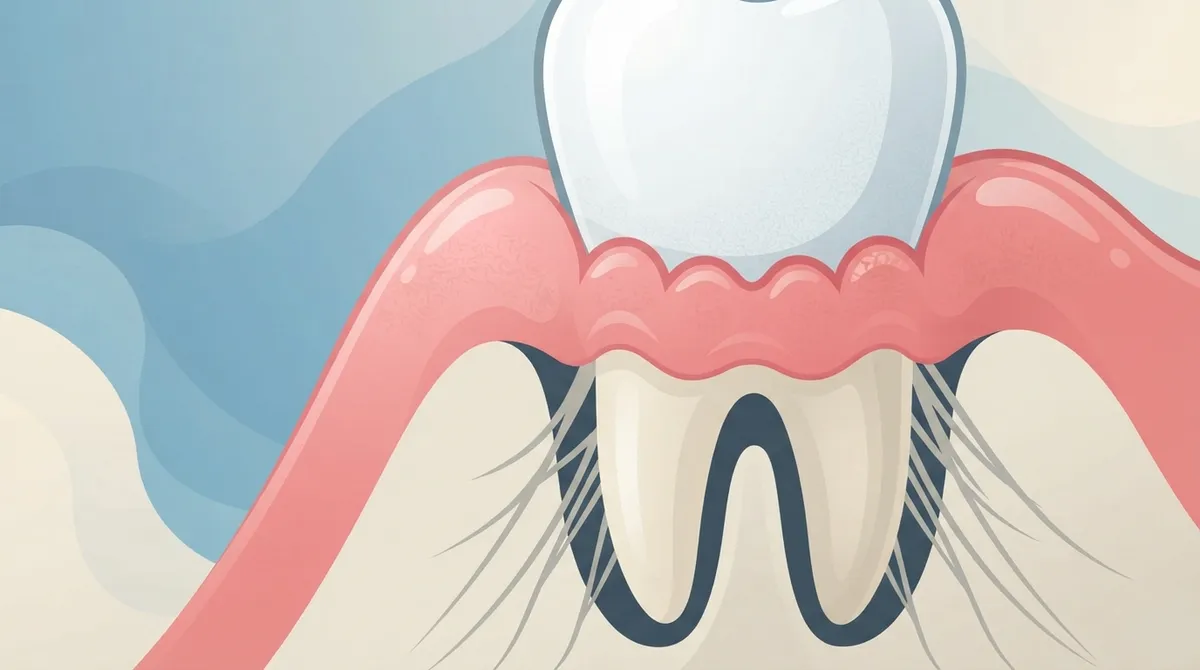
Gum disease starts small but can grow into a serious problem. It comes in two main stages, and knowing the difference matters a lot.
Gingivitis vs Periodontitis
Gingivitis is the mild, early stage. Your gums might look red, feel puffy, or bleed when you brush. The good news? Gingivitis is usually reversible with good care.
Periodontitis is the more serious stage. It happens when gingivitis goes untreated. The infection spreads below the gum line and starts damaging the bone and tissue that hold your teeth in place. This damage cannot always be undone.
- Gingivitis: red, swollen, bleeding gums with no bone loss yet
- Periodontitis: gum pockets deepen, bone starts to break down
- Advanced periodontitis: teeth may loosen or shift
- Untreated cases can lead to tooth loss over time
You can learn more about the differences in our detailed guide on gingivitis vs. periodontitis. Understanding which stage you're in is the first step toward the right treatment plan.
Mistake 1: Ignoring Bleeding Gums
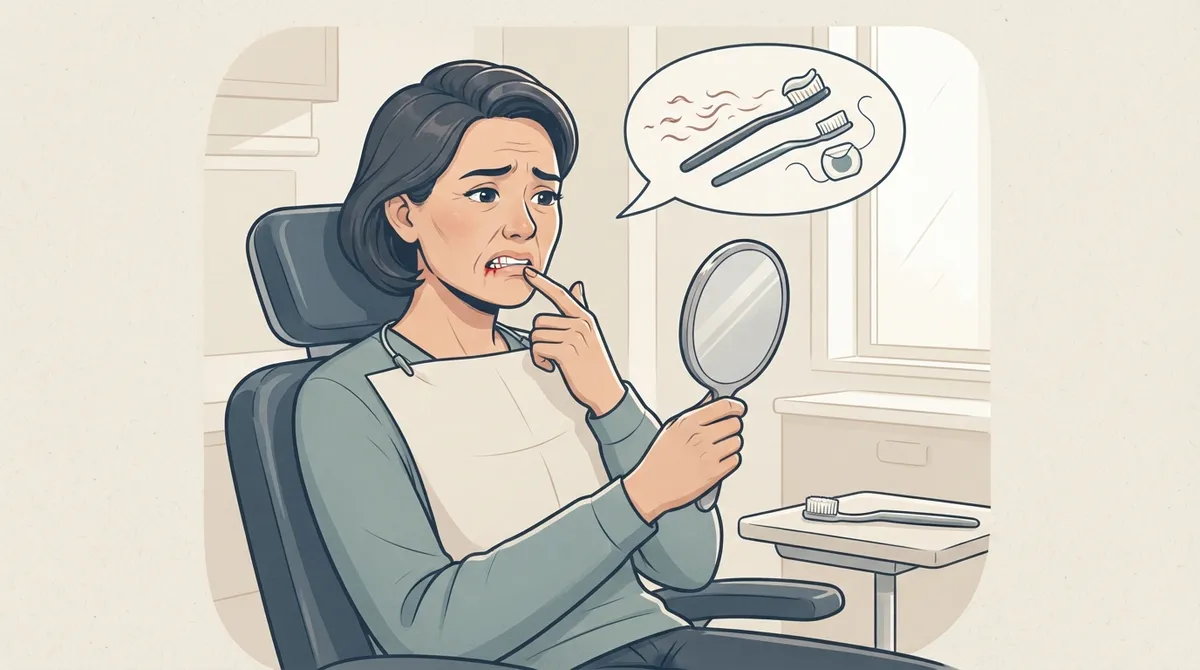
Many patients think bleeding gums are normal, especially after flossing. This is one of the biggest mistakes we see. Healthy gums should not bleed during normal brushing or flossing.
If your gums bleed often, it's a sign of inflammation. Left alone, this can turn into periodontitis. Don't wait for pain, because gum disease often doesn't hurt until it's advanced.
Mistake 2: Skipping Regular Dental Checkups
Some folks only visit the dentist when something hurts. But gum disease sneaks up quietly. Regular checkups let your dental team catch problems early, before they turn into costly, invasive treatments.
During a periodontal exam, your dentist checks pocket depths around each tooth, looks for redness or recession, and may take X-rays to check for bone loss. This full picture helps create a treatment plan built just for you.
Mistake 3: Thinking a Deep Cleaning Is a One-Time Fix
Scaling and root planing, often called a "deep cleaning," is the go-to treatment for periodontitis. It removes plaque and hardened tartar from above and below the gum line, then smooths the tooth roots so gums can reattach.
Here's the mistake: many patients think one deep cleaning solves everything forever. It doesn't. Periodontitis is a chronic condition. It needs ongoing maintenance to keep it from coming back. Learn more in our guide on scaling and root planing in Ocoee.
Mistake 4: Skipping Periodontal Maintenance Visits
After active treatment, your gums need follow-up care. Most patients benefit from maintenance visits every 3 to 6 months. The exact schedule depends on your risk factors, like smoking, diabetes, or how severe your gum disease was.
- Your dentist reassesses pocket depth and bleeding at each visit
- Plaque and tartar are professionally removed again
- Your home care technique gets reviewed and improved
- Risk factors like tobacco use are discussed
- X-rays may be taken periodically to check bone levels
Skipping these visits is one of the top reasons gum disease returns. Consistency truly is the key to long-term success.
Mistake 5: Relying on Mouthwash Instead of Professional Care
Mouthwash feels like a quick fix, and some antimicrobial rinses can help as a support tool. But mouthwash alone cannot remove hardened tartar or reach deep gum pockets. It's a helper, not a replacement for professional treatment.
The same goes for antibiotics. They may be prescribed for select moderate to severe cases alongside scaling and root planing, but they are never a substitute for the mechanical removal of plaque and calculus.
Mistake 6: Not Telling Your Dentist About Smoking or Diabetes
Smoking and diabetes both make gum disease harder to treat and more likely to come back. If you smoke, vape, or manage diabetes, your dental team needs to know. This helps them build a treatment plan that actually works for your situation.
Tobacco use slows healing and reduces blood flow to the gums. Diabetes can affect how your body fights infection. Being upfront with your care team means better results and fewer surprises.
Mistake 7: Waiting Too Long to See a Periodontist
General dentists and hygienists handle most early and moderate gum disease cases very well. But for advanced, recurring, or surgically complex cases, a periodontist specialist may be needed.
Signs you might need specialist-level care include:
- Gum pockets that stay deep even after scaling and root planing
- Teeth that feel loose or have shifted
- Ongoing bone loss shown on X-rays
- Recurring infections despite good home care
- Gum recession that needs grafting
Waiting too long to get proper care can mean more bone loss and fewer options later. Our team at Charming Smiles of Ocoee can guide you on when specialist care makes sense.
Mistake 8: Not Understanding Surgical Options
Some patients panic at the word "surgery." But periodontal surgery is often a straightforward, comfort-focused procedure that saves teeth and stops disease progression.
| Treatment Type | Best For | What It Does |
|---|---|---|
| Scaling and Root Planing | Early to moderate periodontitis | Removes plaque and tartar, smooths roots |
| Pocket Reduction Surgery | Deep pockets after nonsurgical care | Reduces space where bacteria hide |
| Gum Grafting | Gum recession | Covers exposed roots, protects teeth |
| Regenerative Procedures | Bone or tissue loss | Uses grafts or membranes to rebuild support |
| Periodontal Maintenance | All patients after active treatment | Keeps gums healthy long term |
Mistake 9: Neglecting Daily Home Care
Even the best professional treatment can't outwork poor home habits. Daily care is your first line of defense against gum disease returning.
- Brush twice daily with fluoride toothpaste for two full minutes
- Clean between teeth once a day with floss or an interdental brush
- Follow any specific instructions your dentist gives you
- Avoid tobacco products in all forms, including vaping
- Rinse with an antimicrobial mouthwash if recommended
- Replace your toothbrush every three months
Small daily habits add up to big results over months and years. Think of it like brushing your teeth being your daily workout for gum health.
Mistake 10: Assuming Kids and Teens Can't Get Gum Disease
Parents often think gum disease is only an adult problem. But gingivitis can show up in kids and teens too, especially with braces or inconsistent brushing habits. Ocoee families benefit from starting gum health education early, right alongside routine pediatric dentistry visits.
Teaching kids proper brushing and flossing now builds habits that protect their gums for a lifetime.
Mistake 11: Putting Off Treatment Because of Cost Worries
Cost is a real concern for many families, but delaying treatment almost always costs more in the long run. Advanced gum disease can lead to tooth loss, which then requires expensive solutions like dental implants or dentures.
The good news is that Charming Smiles of Ocoee offers several ways to make treatment affordable. We accept many major insurance plans including Delta Dental, Cigna, Aetna, and MetLife. We also offer flexible insurance & financing options through CareCredit, Alphaeon Credit, and Cherry Financing. Our in-house dental savings plan is another great option if you don't have insurance. Be sure to check our current specials, including our $49 emergency consultation for patients dealing with sudden pain.
What to Expect During Your Gum Disease Treatment Visit
Walking into your appointment prepared can ease any nerves you might feel. Here is a simple breakdown of what usually happens:
- A review of your medical and dental history
- A visual check for redness, swelling, or gum recession
- Measurement of pocket depths around each tooth using a small probe
- Digital X-rays to check for bone loss
- A personalized treatment plan based on your specific stage and grade of disease
At Charming Smiles of Ocoee, we know dental visits can feel stressful for some patients. That's why our spa-like environment includes soothing music, cozy blankets, and even streaming entertainment during treatment. Dr. Aliuska Lopez and her team focus on gentle, modern care that helps patients feel calm and cared for every step of the way.
Why Healing Takes Time
After scaling and root planing, your gums need about four weeks to show their best healing results. Be patient with the process, and keep up with your home care during this time. For select moderate to severe cases, your dentist might recommend a low-dose oral antibiotic for a period of three to nine months alongside your cleaning treatment. This is always a personalized decision based on your unique needs.
Your Next Step Toward Healthier Gums
Gum disease treatment isn't something to fear or avoid. It's a path back to a healthier, more comfortable smile. Whether you're dealing with early gingivitis or more advanced periodontitis, catching it early and sticking with your treatment plan makes all the difference.
Our friendly team would love to help you take that first step. You can book online today, or reach out and call us at (407) 378-3704 to schedule your gum health checkup near our Ocoee location by Publix. Curious what other patients say about their experience? Check out the Charming Smiles Facebook page or browse smile transformations on our Charming Smiles Instagram page. You can also visit us on Google — Charming Smiles of Ocoee to see reviews from happy patients throughout the area.
Healthy gums support your whole smile, and your whole smile deserves great care. We're here to help you every step of the way.
FAQs
Q: What is the best treatment for gum disease?
A: It really depends on how advanced the disease is. For gingivitis, better brushing habits and a professional cleaning often do the trick. For periodontitis, scaling and root planing is the gold standard treatment, sometimes paired with other therapies. Our team at Charming Smiles of Ocoee will always build a plan that fits your specific needs.
Q: Can gum disease be cured, or can it only be controlled?
A: Gingivitis can usually be fully reversed with good care. Periodontitis, though, is more of a chronic condition that needs ongoing management rather than a one-time cure. Think of it like managing high blood pressure. With regular maintenance visits and solid home care, you can keep it well under control for the long haul.
Q: How much does scaling and root planing cost, and is it covered by dental insurance?
A: Costs vary depending on how many areas of your mouth need treatment, but many dental insurance plans do cover a portion of scaling and root planing. We accept plans like Delta Dental, Cigna, and MetLife, and we're happy to check your specific benefits. Flexible financing and our in-house savings plan are also great options if you're uninsured.
Q: How often do I need periodontal maintenance after treatment?
A: Most patients do well with maintenance visits every 3 to 6 months, though your exact schedule depends on things like smoking habits, diabetes, and how severe your gum disease was. Sticking to these visits is one of the best ways to keep gum disease from coming back.
Q: Does smoking or diabetes make gum disease harder to treat?
A: Yes, both can definitely make treatment more challenging. Smoking reduces blood flow to your gums, which slows healing, and diabetes can affect how well your body fights infection. The good news is that being open with your dental team about these factors helps us create a treatment plan that actually accounts for them.