Why Won't Your Tooth Infection Go Away on Its Own?
Tooth infections rarely heal alone. Learn the real signs, treatments, and when antibiotics actually help, from Ocoee's trusted dental team.
Key Takeaways
- Tooth infections never resolve on their own and require professional dental treatment; antibiotics alone cannot eliminate the infection source inside the tooth, only direct treatment like drainage, root canal, or extraction works.
- Early symptoms include persistent toothaches, sharp pain when biting, sensitivity to temperature, swollen gums, facial swelling, or fever—seek dental care immediately when these appear rather than waiting for pain to subside.
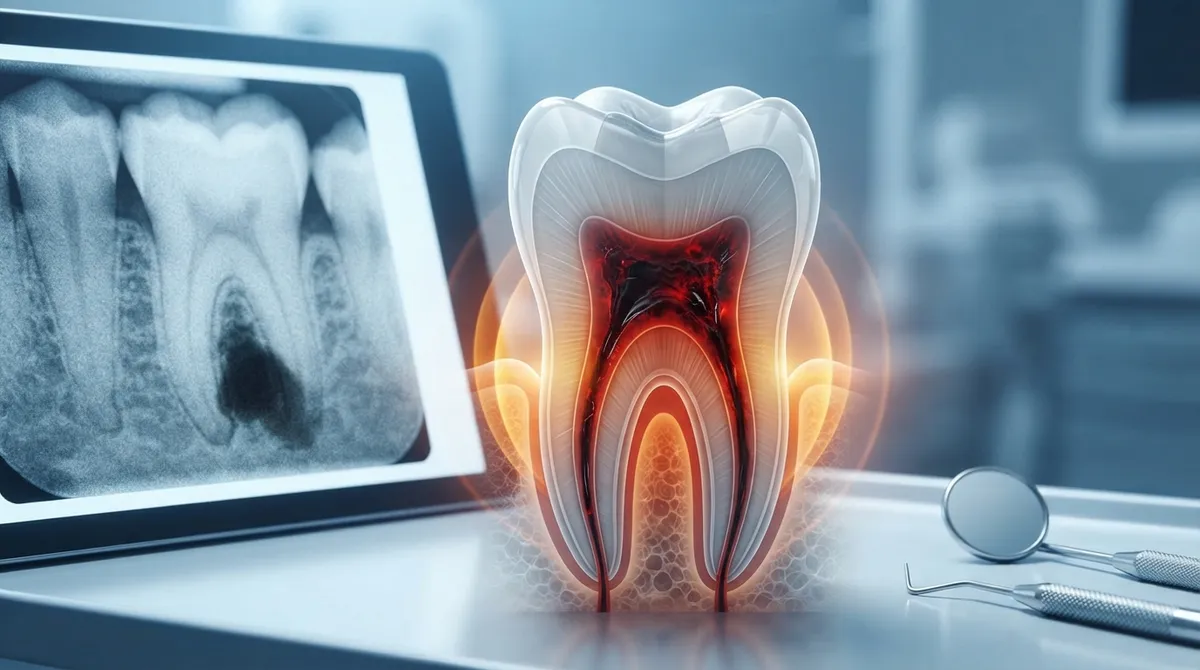
- X-rays are essential for diagnosis because they reveal the full extent of decay, bone loss, and infection spread below the surface, helping dentists determine whether a root canal, extraction, or other treatment is needed.
- Antibiotics are only appropriate when you have fever, spreading swelling, cellulitis, a weakened immune system, or no immediate access to dental care; they should support dental treatment, not replace it.
- Seek emergency care immediately if you experience trouble breathing/swallowing, rapidly spreading facial swelling, inability to open your mouth, or eye swelling, as these indicate the infection has spread to deeper tissue.
- Prevent tooth infections through twice-daily brushing, daily flossing, regular dental checkups, treating cavities early before they reach the nerve, and wearing a mouthguard during sports.
That throbbing pain in your tooth isn't just annoying. It's your body waving a red flag. Many people in Ocoee try to wait out a toothache, hoping it will fade like a headache. But a tooth infection almost never goes away by itself. It needs real treatment, and the sooner you get it, the better you'll feel.
At Charming Smiles of Ocoee, we see patients every week who put off care because they hoped the pain would pass. We understand why. Dental visits can feel scary, especially when you're already hurting. That's exactly why our team focuses on gentle, judgment-free care in a calm, spa-like space. Let's walk through what a tooth infection actually is, why antibiotics alone rarely fix it, and what real treatment looks like.
What Is a Tooth Infection, Really?
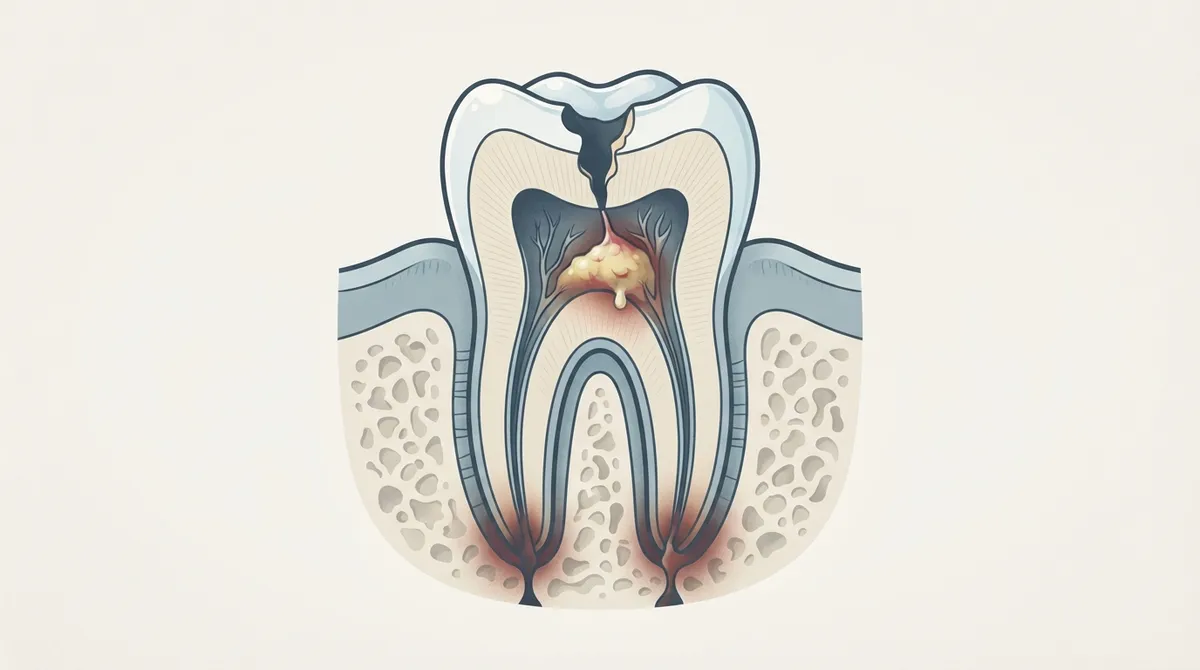
A tooth infection happens when harmful bacteria get inside your tooth or the tissue around its root. This usually starts small, then grows if it's not treated. The infection can affect three main areas:
- The soft pulp tissue inside your tooth
- The tissue surrounding the tooth's root
- A pocket of pus known as a dental abscess
Most infections start from something simple that got out of hand. Common causes include:
- Untreated cavities that reach the tooth's nerve
- Cracked or broken teeth from injury
- Old fillings or crowns that have failed
- Gum disease that has spread below the gumline
Signs You Might Have a Tooth Infection
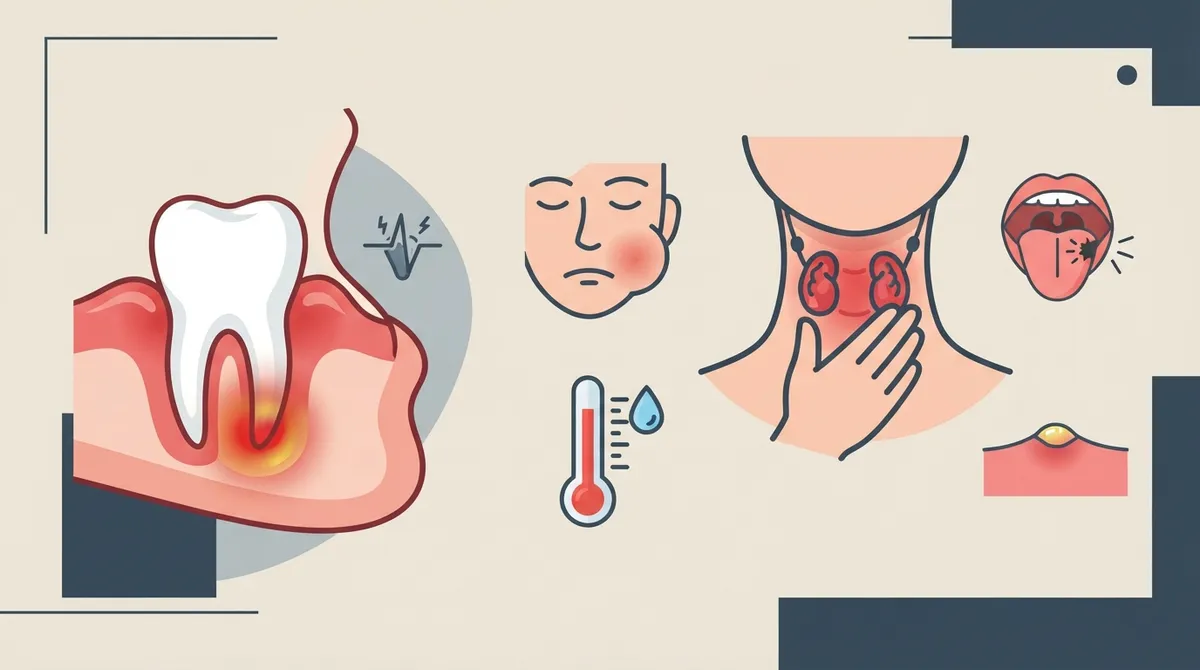
Your body usually gives clear warning signs. Some infections hurt a lot. Others barely hurt at all, especially once the nerve inside the tooth has died. That's actually one of the scarier parts, because silence doesn't always mean safety.
Watch for these common symptoms:
- A toothache that won't quit, or gets worse at night
- Sharp pain when you bite down or chew
- Sensitivity to hot or cold that lingers
- Swollen or tender gums near one tooth
- A small bump on the gum that looks like a pimple
- A bad taste or smell coming from one area
- Facial or jaw swelling
- Fever or feeling run down
- Swollen lymph nodes in your neck or under your jaw
If you notice any of these, don't wait it out. Our emergency dentistry team is ready to help you feel better fast.
How Dentists Diagnose a Tooth Infection
You can't always tell how serious an infection is just by how it feels. That's why a proper dental exam matters so much. During your visit, your dentist will likely:
- Look closely at the tooth and surrounding gum tissue
- Test whether the tooth's nerve is still alive
- Check your bite for pain or pressure points
- Take dental X-rays to see below the surface
X-rays are key here. They reveal decay, bone loss, cracks, and how far an infection has spread. This helps your dentist figure out the safest and most effective path forward, whether that's a filling, a root canal, or something else entirely.
Why Antibiotics Alone Usually Aren't Enough
Many patients assume a round of antibiotics will clear up a tooth infection completely. Unfortunately, that's rarely true. Antibiotics can help control bacteria in your bloodstream, but they can't remove the actual source of infection sitting inside your tooth.
According to the American Dental Association's evidence-based guideline, dentists should generally avoid antibiotics for most healthy adults with pulp or localized infections when dental treatment is available right away. Instead, the real fix involves treating the tooth directly through one of these methods:
- Drainage: Releasing built-up pus to relieve pressure and pain
- Root canal treatment: Removing infected tissue from inside the tooth and sealing it
- Extraction: Removing the tooth when it can't be saved
Our root canals are done with modern tools and a gentle touch, so most patients are surprised by how comfortable the process feels compared to what they expected.
When Antibiotics Do Make Sense
There are situations where antibiotics play an important supporting role. Your dentist may prescribe them if you have:
- A fever or overall feeling of being unwell
- Swelling that is spreading beyond the tooth
- Signs of cellulitis in the face or jaw
- A weakened immune system or certain health conditions
- No immediate way to get dental treatment
The NHS guidance on dental abscesses confirms that antibiotics work best alongside dental treatment, not as a replacement for it. If antibiotics are prescribed, your dentist will usually want to see you again within about three days to check your progress.
Common Adult Antibiotic Options
When antibiotics are appropriate, dentists typically choose from a small number of trusted options. Here's a simple breakdown:
| Medication | Typical Adult Dose | Usual Length |
|---|---|---|
| Amoxicillin | 500 mg, three times daily | 3–7 days |
| Penicillin V Potassium | 500 mg, four times daily | 3–7 days |
These are general examples only. Your dentist will choose the right medication and dose based on your allergies, health history, and how severe your infection is.
Root Canal vs. Extraction: Which One Do You Need?
This is one of the most common questions we hear at our Ocoee practice. The answer depends on how much of the tooth can still be saved.
| Factor | Root Canal | Extraction |
|---|---|---|
| Tooth structure remaining | Enough healthy structure to restore | Too damaged or cracked to save |
| Long-term outcome | Keeps your natural tooth | Tooth is removed; replacement may be needed |
| Recovery time | Usually quick, mild soreness | Slightly longer healing period |
| Follow-up care | Crown often placed after healing | Implant, bridge, or denture may follow |
If a tooth is removed, we often talk with patients about dental implants or crowns & bridges as ways to restore your smile and your bite.
What You Can Do for Pain Before Your Appointment
Waiting for your appointment can feel miserable. Here are safe ways to manage discomfort in the meantime:
- Take recommended doses of ibuprofen or acetaminophen, if it's safe for you
- Rinse gently with warm salt water
- Avoid very hot or cold foods and drinks
- Keep your head elevated while resting
Avoid these common mistakes:
- Never place aspirin directly on your gum
- Don't apply heat to a swollen face
- Don't rely only on home remedies instead of seeing a dentist
When a Tooth Infection Becomes an Emergency
Most tooth infections are painful but manageable with prompt dental care. Some, though, turn into true emergencies. Go to an emergency room right away if you notice:
- Trouble breathing or swallowing
- Swelling that spreads quickly in your face or neck
- Inability to fully open your mouth
- Swelling around your eye
- Confusion or extreme fatigue
These symptoms can mean the infection has moved into deeper tissue, which can threaten your airway. This is rare, but it's serious enough that you should never brush it off.
How Long Does Treatment Take?
Timing depends on how bad the infection is and which treatment you need. A simple drainage might bring relief the same day. A root canal is often completed in one or two visits. Extractions are usually quick, though healing continues over the following days.
If antibiotics are part of your plan, expect a check-in around day three, with treatment typically stopped about 24 hours after your symptoms clear up, based on your dentist's guidance.
Cost and Insurance Considerations
Many Ocoee families worry about cost before worry about pain. That's understandable, but delaying treatment usually makes things more expensive later. Our team offers insurance & financing options and flexible payment plans to make emergency care easier to manage. We also welcome many major insurance providers and offer an in-house dental savings plan for patients without insurance. Be sure to check our current specials, including our low-cost emergency consultation option.
Special Situations Worth Knowing About
Tooth Infections During Pregnancy
Pregnant patients can and should get treated for tooth infections. Untreated infections carry real risks, and dental treatment is generally considered safe during pregnancy with proper precautions. Always tell your dentist you're pregnant so care can be adjusted appropriately.
Infection Returning After a Root Canal
Sometimes infection comes back even after treatment. This can happen if bacteria were missed, or a new crack lets bacteria back in. Don't panic. Options like retreatment or a specialized procedure can often resolve it.
How to Prevent Tooth Infections
Prevention really is the best treatment. Simple habits go a long way:
- Brush twice daily and floss every day
- See your dentist for regular checkups and cleanings
- Treat cavities early, before they reach the nerve
- Wear a mouthguard during sports
- Avoid chewing on ice or hard objects
Our team at Charming Smiles of Ocoee focuses heavily on general dentistry and prevention, because we'd rather help you avoid pain altogether than just treat it after the fact.
Why Choose Charming Smiles of Ocoee for Tooth Infection Treatment
Dr. Aliuska Lopez and our team understand that dental pain is stressful, both physically and emotionally. That's why we've built a practice around comfort, communication, and modern technology. From calming amenities to compassionate hygienists, we aim to make every visit easier, especially when you're not feeling your best.
We proudly serve patients throughout Ocoee and nearby communities. You can read what our neighbors say by checking out Visit us on Google — Charming Smiles of Ocoee, or follow our updates on the Charming Smiles Facebook page and Charming Smiles Instagram page. For patients dealing with dental anxiety, we also recommend exploring relaxation techniques recommended by wellness professionals like West Florida Therapy, which can help ease stress before and after dental visits.
If you're dealing with tooth pain right now, please don't wait until it gets worse. You can book online in just a few minutes, or reach our friendly front desk team by choosing to call us at (407) 378-3704. We're conveniently located near Publix in Ocoee, and you can find directions and hours at our location page.
Your Smile Deserves Real Relief
Tooth infections don't fix themselves, and waiting rarely makes things easier. The good news is that modern dental care makes treatment faster, gentler, and more comfortable than ever. Whether you need a root canal, an extraction, or simply peace of mind after an exam, our team is here for you every step of the way.
Ready to feel better? Reach out today and let our caring team help you get back to smiling with confidence.
FAQs
Q: Can a tooth infection go away without treatment?
A: Not usually, unfortunately. Tooth infections need a dentist to remove the source of the bacteria. Even if pain fades for a while, the infection is often still there quietly causing damage.
Q: Do I need antibiotics for a tooth abscess?
A: Not always. Most healthy adults do better with drainage, a root canal, or an extraction instead of antibiotics alone. Your dentist may still add antibiotics if you have fever, spreading swelling, or certain health conditions.
Q: How much does tooth infection treatment cost?
A: Costs vary based on the treatment you need, but our team offers flexible payment plans and insurance support to make care affordable. We also have a low-cost emergency consultation option to get you seen quickly.
Q: When is a tooth infection considered an emergency?
A: If you have trouble breathing or swallowing, fast-spreading facial swelling, or you can't fully open your mouth, treat it as an emergency and seek care immediately. These signs can mean the infection has spread beyond the tooth.
Q: How can I prevent tooth infections in the future?
A: Regular brushing, flossing, and dental checkups go a long way. Catching small cavities early means you avoid painful infections down the road, and our team is always happy to help you build simple, effective habits.