Why Might Your Gums Need Scaling and Root Planing?
Learn what scaling and root planing involves, why it's needed, what it costs, and how Charming Smiles of Ocoee makes deep cleaning comfortable.
Key Takeaways
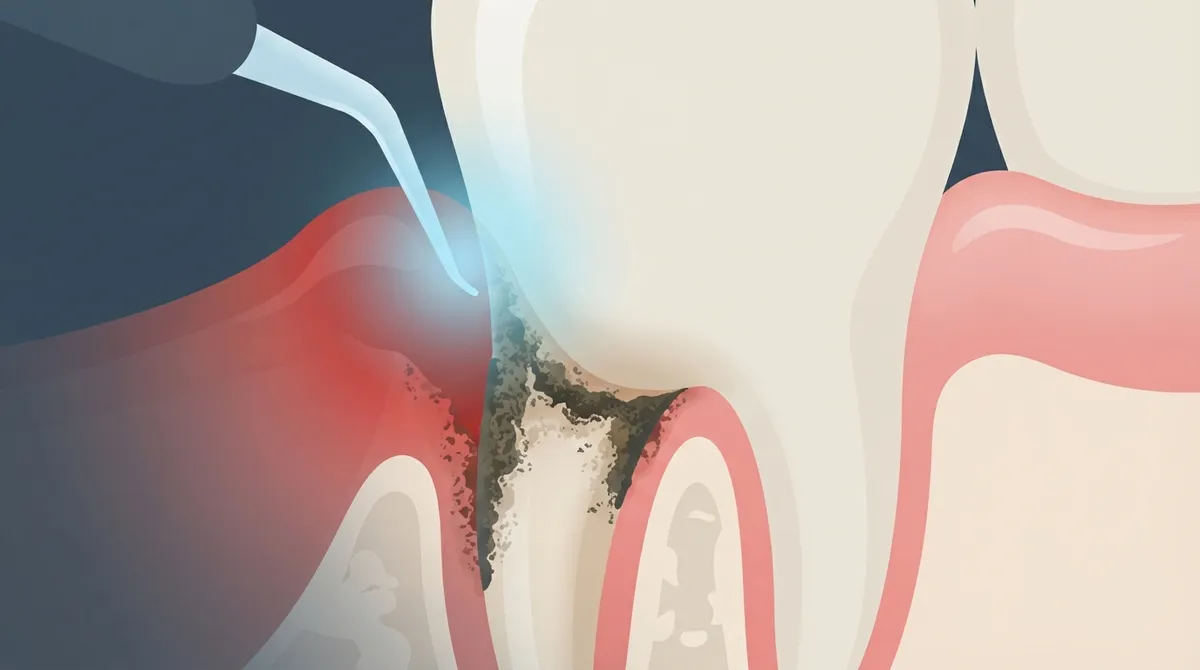
- Scaling and root planing removes plaque and tartar below the gumline while smoothing tooth roots, allowing gums to reattach and heal—treating active gum disease before it causes bone loss or tooth loss.
- Signs you need this treatment include bleeding gums, gum recession, pockets deeper than 4mm, persistent bad breath, or loose teeth; it's the first-line non-surgical treatment for periodontitis according to the ADA.
- Treatment typically takes one to four visits with local anesthesia; most patients experience little to no pain during the procedure and mild soreness for only one to two days afterward.
- Most dental insurance covers scaling and root planing as a medically necessary treatment, with costs ranging from $150-$450 per quadrant; verify your benefits before your visit to understand coverage.
- After treatment, attend periodontal maintenance visits every three to four months instead of six months, and practice daily flossing, twice-daily brushing, and avoiding smoking to prevent gum disease recurrence.
- Skipping treatment when needed can lead to deeper gum pockets, bone loss, tooth shifting, and eventual tooth loss requiring more invasive surgical procedures instead of this simple deep cleaning option.
Have you noticed your gums bleeding when you brush? Maybe your dentist mentioned "pockets" around your teeth at your last checkup. If so, you're not alone. Many folks in Ocoee hear the words "scaling and root planing" for the first time and wonder what it even means. Don't worry, we're here to walk you through it, step by step, in plain and friendly terms.
At Charming Smiles of Ocoee, we see this question a lot. Scaling and root planing is a deep cleaning treatment that helps stop gum disease before it causes bigger problems. It sounds a little scary at first, but it's actually one of the most helpful treatments in dentistry today. Let's break down what it is, why you might need it, and what to expect when you visit our spa-like office near Publix in Ocoee.

What Is Scaling and Root Planing, Really?
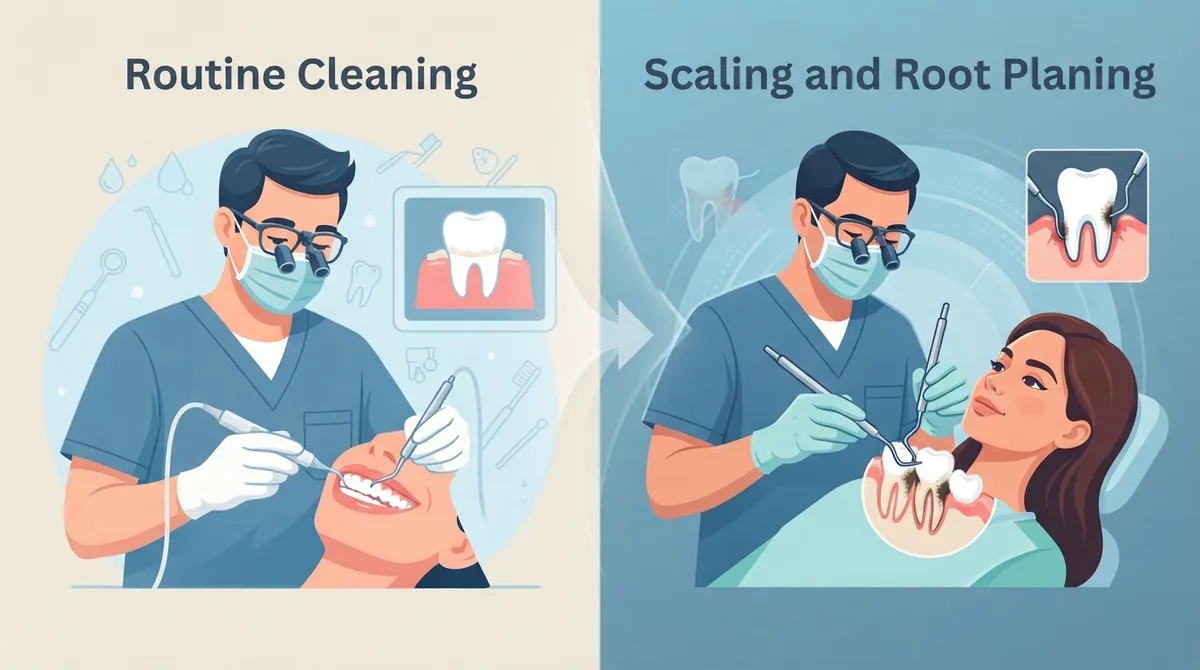
Scaling and root planing is often called a "deep cleaning." It's different from your regular six-month cleaning. This treatment focuses on the areas below your gumline where a toothbrush simply can't reach.
Here's the simple breakdown:
- Scaling removes plaque and tartar buildup from both above and below the gumline.
- Root planing smooths out the tooth roots so your gums can reattach and heal properly.
- Together, these two steps help stop bacteria from hiding in deep pockets around your teeth.
- The goal is to give your gums a fresh start and stop gum disease from getting worse.
This isn't just a cosmetic fix. It's a real medical treatment that protects the bone and tissue holding your teeth in place. Our team, led by Dr. Aliuska Lopez, uses general dentistry techniques combined with advanced technology to make this deep cleaning as gentle as possible.
Why Would You Need This Treatment Instead of a Regular Cleaning?
Not everyone needs scaling and root planing. Most patients only need a standard cleaning twice a year. But if gum disease has already started, a regular cleaning won't be enough.
Here are signs that you might need a deeper clean:
- Your gums bleed often, even with gentle brushing.
- You notice your gums pulling away from your teeth.
- Your dentist measures "pockets" deeper than 4 millimeters around your teeth.
- You have bad breath that won't go away, no matter what you try.
- Your teeth feel a little loose or shifted.
These are common signs of periodontitis, a more advanced stage of gum disease. According to the American Dental Association, scaling and root planing is considered the first line of treatment for this condition. It's often tried before any surgery is even considered.
How Many Visits Does It Usually Take?
Good news: this isn't a one-and-done deal, but it's also not a long, drawn-out process. Most patients complete treatment in one to four visits, depending on how much of the mouth needs attention.
Your treatment is often broken into sections called "quadrants." Think of your mouth divided into four parts: upper right, upper left, lower right, and lower left. Many dental offices, including ours, treat one or two quadrants per visit so you stay comfortable throughout the process.
Is Scaling and Root Planing Painful?
This is probably the question we hear most often. The truth is, most patients feel little to no pain during the procedure itself. That's because we use local anesthesia to numb the area being treated.
After the numbness wears off, some mild soreness or sensitivity is normal for a day or two. It's similar to how your mouth might feel after a regular cleaning, just a bit more noticeable since we're working below the gumline.
We know some patients feel nervous about dental work. That's exactly why our office focuses on comfort. From calming music to cozy blankets, we do everything we can to help you relax. If dental anxiety has kept you away from the dentist in the past, we invite you to experience the difference for yourself.
What Happens During the Procedure?
Let's walk through what a typical scaling and root planing visit looks like at our Ocoee office.
- Numbing the area: We start by applying local anesthesia so you don't feel discomfort.
- Scaling: Using special tools, we carefully remove plaque and tartar from below the gumline.
- Root planing: We smooth the root surfaces so bacteria have a harder time sticking around.
- Rinsing and check: We rinse the area and check your gums to make sure everything looks good.
- Aftercare instructions: We'll explain how to care for your gums as they heal.
The whole visit usually takes about one hour per quadrant, though this can vary based on how much buildup needs to be removed.
What Does Healing Look Like Afterward?
Healing time is different for everyone, but most people start feeling normal again within a few days. Your gums need time to reattach to the smoothed root surfaces, so it's important to follow your dentist's instructions closely.
Here's what you can expect during recovery:
- Mild swelling or tenderness for one to two days.
- Some sensitivity to hot or cold foods for a short time.
- Slight bleeding when brushing, which should improve quickly.
- Gradual reduction in gum pocket depth over the following weeks.
Full healing can take anywhere from a few days to a couple of weeks. During this time, your gums are working hard to reattach and heal, so be gentle with your oral care routine.
What Should You Eat After Treatment?
Right after your appointment, stick to soft foods. Think mashed potatoes, yogurt, scrambled eggs, and smoothies. Avoid anything too hot, cold, spicy, or crunchy for the first day or two.
As your gums heal, you can slowly bring back your normal diet. Just listen to your body and avoid chewing directly on the treated areas until they feel less sensitive.
What Does Scaling and Root Planing Cost?
Cost is often a big concern for patients, and that's completely understandable. Prices can vary depending on how many teeth or quadrants need treatment, plus your location and insurance coverage.
| Treatment Scope | Typical Cost Range (2026) | CDT Billing Code |
|---|---|---|
| 1-3 teeth per quadrant | $150-$300 per quadrant | D4342 |
| 4+ teeth per quadrant | $200-$450 per quadrant | D4341 |
| Full mouth treatment (all four quadrants) | $600-$1,600+ | Varies by severity |
These numbers are general estimates and can shift based on the severity of your gum disease. Many dental insurance plans help cover part of this cost since it's considered a medically necessary treatment, not just a cosmetic one.
If you're worried about affordability, our office offers several insurance & financing options to help make treatment easier on your budget. We also have flexible payment plans and a helpful dental savings plan for patients without insurance.
Does Dental Insurance Cover This Treatment?
Most dental insurance plans do cover scaling and root planing, at least partially. Since it treats an active disease rather than just cleaning healthy teeth, many insurers classify it differently than a routine cleaning.
We work with a wide variety of insurance providers, including:
- MetLife
- United Healthcare
- Aetna
- Guardian
- Cigna
- Delta Dental
- Humana
- Sun Life
Don't see your plan listed? No problem. Give us a call and we'll verify your benefits before your visit. Our front desk team is happy to help you understand exactly what's covered.
What Happens If You Skip Treatment?
It's tempting to put off dental work, especially if you're not in pain. But skipping scaling and root planing when it's needed can lead to bigger problems down the road.
Here's what can happen if periodontitis goes untreated:
- Gum pockets get deeper, trapping more bacteria.
- Bone loss around the teeth can begin.
- Teeth may become loose or shift position.
- Tooth loss becomes a real possibility.
- Surgical treatment may become necessary instead of a simple deep cleaning.
A 2021 review in dental literature confirmed that scaling and root planing remains a critical, evidence-based treatment for periodontitis. Catching gum disease early with this non-surgical option can save you from more invasive procedures later.
What Comes After Scaling and Root Planing?
Treatment doesn't just stop after your deep cleaning. Your dentist will likely recommend periodontal maintenance visits every three to four months instead of the usual six-month schedule.
These follow-up visits help make sure your gums stay healthy and that no new pockets are forming. Think of it like a check-in to protect your investment in your smile.
If deep pockets or inflammation don't improve after scaling and root planing, more advanced periodontal services may be considered. But for most patients, this deep cleaning does the trick and stops gum disease in its tracks.
How Can You Prevent Needing This Treatment Again?
Once your gums are healthy again, keeping them that way is the goal. Here are some simple habits that make a big difference:
- Brush twice a day with a soft-bristled toothbrush.
- Floss daily to remove plaque between teeth.
- Use an antibacterial mouthwash if recommended by your dentist.
- Keep up with regular dental checkups every six months.
- Avoid smoking, which increases your risk of gum disease.
- Eat a balanced diet low in sugary snacks and drinks.
Our hygienists at Charming Smiles of Ocoee love helping patients build habits that protect their smiles for years to come. We believe prevention is always easier (and more affordable) than treatment.
Why Choose Charming Smiles of Ocoee for Your Gum Health?
Gum disease treatment isn't something you want to trust to just anyone. Our practice combines modern dental technology with a warm, spa-like environment designed to ease your worries.
Dr. Lopez is known as a "smile expert" who genuinely cares about helping patients overcome dental anxiety. Whether you're nervous about the procedure or just want gentle, personalized care, our team is here for you every step of the way.
We also make it easy to see what other patients think. You can visit us on Google to see reviews from Charming Smiles of Ocoee patients or check out our testimonials page to hear real stories from our community. You can also follow along on our Charming Smiles Facebook page and our Charming Smiles Instagram page for tips, updates, and smile transformations.
Ready to Take the Next Step?
If you've been putting off dental care because of bleeding gums, bad breath, or just plain nerves, now is a great time to make a change. Scaling and root planing could be exactly what your smile needs to get back on track.
Our friendly team is ready to answer your questions and create a treatment plan that fits your life and your budget. You can book online at a time that works for you, or simply call us at (407) 378-3704 to speak with our team directly. We can't wait to help you feel confident about your smile again, right here at our location near Publix in Ocoee.
FAQs
Q: What is the difference between scaling and root planing and a regular dental cleaning?
A: A regular cleaning only cleans above the gumline, while scaling and root planing goes deeper to clean and smooth the roots below the gums. Think of it as a deep clean versus a surface clean. If you have signs of gum disease, this deeper treatment helps your gums heal and reattach properly.
Q: How many visits does scaling and root planing take?
A: Most patients need one to four visits, often split into quadrants of the mouth. This makes each appointment more comfortable and lets your dentist focus carefully on each area. Your exact number of visits depends on how much buildup needs to be treated.
Q: Is scaling and root planing painful?
A: Not really! We use local anesthesia to numb the area, so most patients feel little to no discomfort during treatment. You might have some mild soreness for a day or two afterward, similar to a deep cleaning feeling.
Q: Does dental insurance cover scaling and root planing?
A: Yes, most insurance plans cover at least part of the cost since it's treating an active gum disease, not just a routine cleaning. We accept many major providers and are happy to verify your benefits before your visit so there are no surprises.
Q: How long does it take to heal after scaling and root planing?
A: Most people feel back to normal within a few days, though full gum healing can take up to two weeks. Sticking to soft foods and following your dentist's care instructions helps speed up the process nicely.