Why Does Your Dental Crown Suddenly Hurt or Smell Bad?
Learn the warning signs of infection near a dental crown, from pain and swelling to bad taste, plus when to seek care in Ocoee, FL.
Key Takeaways
- Bacteria can infect the natural tooth or gum tissue beneath a crown through microscopic gaps at the crown's edge or hidden decay, causing persistent throbbing pain, sensitivity to hot/cold, and pain when chewing.
- Watch for visual warning signs including swollen red gums, a pimple-like bump near the tooth, bad breath, foul taste, facial swelling, or a crown that feels loose—these indicate infection requiring prompt dental attention.
- Some infections cause minimal or no pain if the tooth's nerve has already died, so absence of pain doesn't mean absence of infection; sudden bad-tasting fluid drainage also doesn't mean the infection is gone.
- Antibiotics alone cannot cure crown infections and only provide temporary relief; proper treatment requires dental intervention like root canal therapy, abscess drainage, crown removal, or tooth extraction to remove the infection source.
- Schedule urgent care immediately for ongoing pain unresponsive to over-the-counter medicine, visible facial/gum swelling, pus drainage, or fever; seek emergency medical care for difficulty breathing, rapid facial swelling, or eye swelling.
- Prevent future infections by brushing and flossing around crown edges daily, attending regular checkups, avoiding hard foods, addressing looseness immediately, and choosing an experienced dentist for precise crown placement and sealing.
You got your crown months ago, maybe even years ago. It felt fine, you forgot about it, and life went on. Then one day, out of nowhere, biting down hurts. Or you notice a weird taste that won't go away no matter how much you brush. If this sounds familiar, you might be dealing with an infection near your dental crown, and it's completely normal to feel worried and confused about what's happening.
Here's the good news: crown infection symptoms are usually easy to spot once you know what to look for, and getting help early makes treatment simpler and less stressful. At Charming Smiles of Ocoee, we see patients with crown concerns every week, and we know how scary a sudden toothache can feel. This guide will walk you through the warning signs, what causes them, and exactly what to do next.
What Does a Crown Infection Actually Mean?
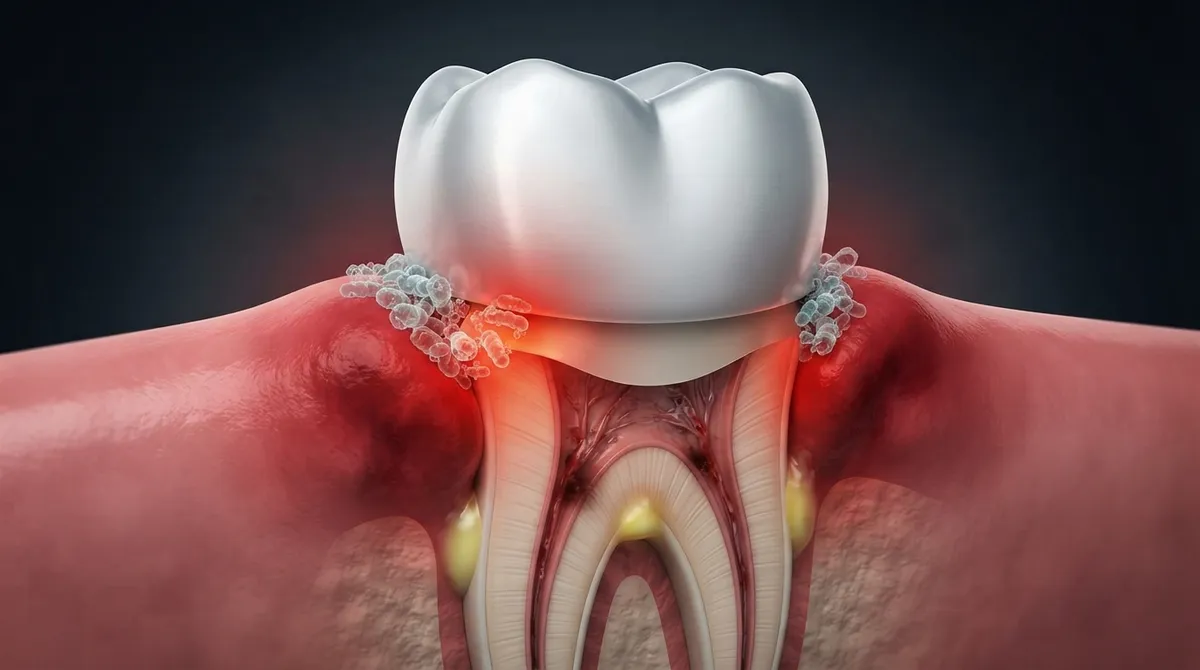
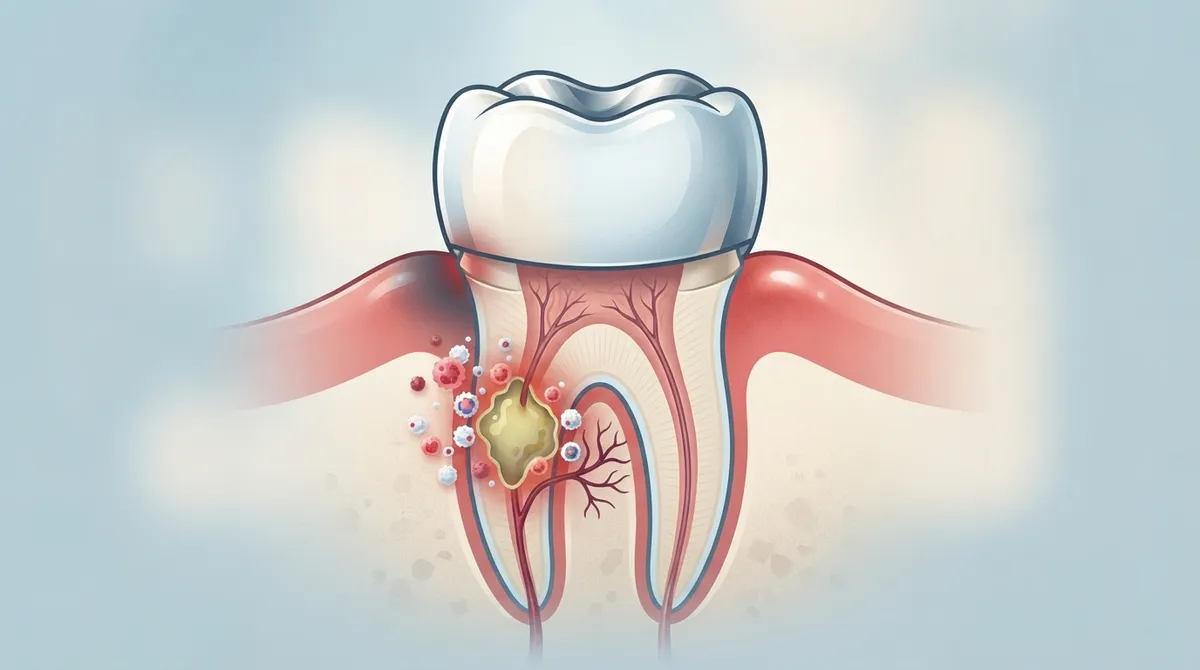
Let's clear up something important first. Your crown itself cannot get infected. Crowns are made of porcelain, ceramic, or metal, and none of that material can host bacteria the way living tissue can. What actually happens is that bacteria sneak in around or underneath the crown and reach the natural tooth structure or the gum tissue nearby.
Think of your crown like a protective cap sitting over your natural tooth. If there's a tiny gap at the edge, or if decay sneaks in underneath before the crown was placed, bacteria can find a way in. Once inside, they can infect the tooth's nerve, the root, or the surrounding gum and bone.
Common Causes Behind Crown Infections
Understanding the cause helps you understand the fix. Here are the most frequent reasons a crowned tooth becomes infected:
- Decay hiding beneath the crown - Bacteria can slip in through microscopic gaps and cause a cavity that spreads unnoticed.
- A leaky margin - This is the edge where your crown meets your natural tooth. If it isn't perfectly sealed, bacteria have an easy entry point.
- An infected nerve or root - Sometimes the infection started before the crown was even placed and slowly worsened over time.
- A cracked crown or tooth - Even a hairline crack can let bacteria travel deep into the tooth.
- Gum and bone infection nearby - Sometimes the problem isn't the tooth at all, but the tissue surrounding it.
Our team at crowns & bridges services often reminds patients that a well-fitted crown from a skilled dentist dramatically lowers these risks in the first place.
The Most Common Crown Infection Symptoms
So what should you actually watch for? According to the Mayo Clinic, tooth abscess symptoms often include severe or lingering toothache, sensitivity to hot and cold, and pain when chewing. Here's how these signs typically show up around a crown.
Pain and Sensitivity Signs
- Persistent or throbbing toothache - Not a quick twinge, but an ache that sticks around and sometimes gets worse at night.
- Pain when biting or chewing - Food pressure on the tooth causes noticeable discomfort or sharp pain.
- Tenderness when tapped - Your dentist may gently tap the tooth during an exam, and a healthy tooth shouldn't hurt much from this.
- Sensitivity to hot or cold - Sipping coffee or eating ice cream suddenly becomes uncomfortable near the crowned tooth.
Visual and Physical Warning Signs
Beyond pain, your body often gives visual clues too. Watch for these signs around the gum line near your crown:
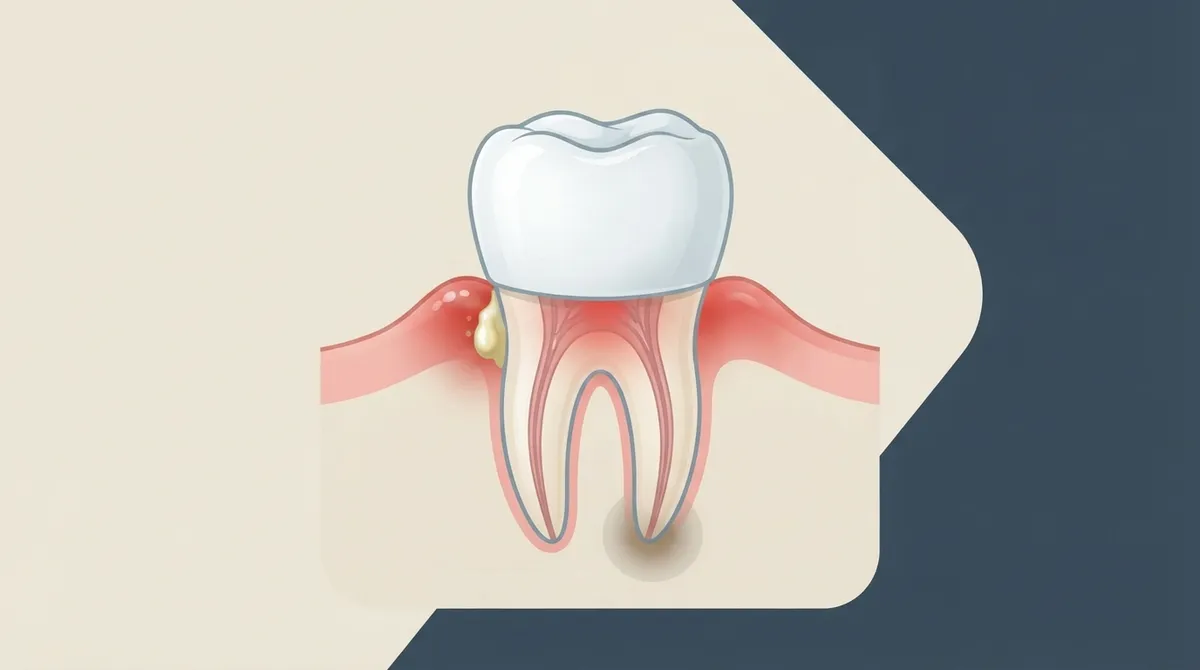
- Swollen or red gums surrounding the crown
- A small bump or "gum boil" that looks like a pimple
- Visible pus or drainage near the tooth
- Bad breath that doesn't improve with brushing
- A foul or salty taste in your mouth
- Facial or jaw swelling on the affected side
- A crown that suddenly feels loose or sits higher than your other teeth
The NHS lists many of these same warning signs, including facial swelling, swollen neck glands, and fever, as classic symptoms of a dental abscess that need prompt attention.
When Symptoms Are Sneaky or Missing
Here's something surprising many patients don't expect. Sometimes there's barely any pain at all, even with a real infection brewing underneath. This often happens when the tooth's nerve has already died, so it can no longer send pain signals the way it used to.
You might also notice a sudden gush of bad-tasting fluid in your mouth. This can happen when an abscess drains on its own. While it may bring temporary relief, it does not mean the infection is gone. The bacteria are still there, and treatment is still necessary.
Symptoms Comparison: Mild Irritation vs. Possible Infection
Not every twinge around a crown means infection. Here's a simple breakdown to help you tell the difference.
| Symptom | Likely Mild Irritation | Possible Infection Sign |
|---|---|---|
| Sensitivity to cold | Brief, fades quickly | Lingers for minutes or gets worse |
| Biting pressure | Mild discomfort after eating hard foods | Sharp pain every time you chew |
| Gum appearance | Slightly pink after flossing | Red, swollen, or has a bump |
| Taste in mouth | Normal | Foul, salty, or metallic taste |
| Swelling | None | Face, jaw, or gum swelling present |
| Duration | Improves within a day or two | Persists or worsens over days |
If your symptoms fall into that right-hand column, it's time to schedule a visit rather than wait it out.
How Dentists Diagnose an Infection Near a Crown
When you come into our office worried about your crown, we don't guess. We follow a clear process to find the real cause of your discomfort. Here's what a typical visit involves:
- Clinical exam - We look closely at the gum tissue, check for swelling, and gently press around the area.
- Bite testing - We ask you to bite down on something to see if pressure triggers pain.
- Tooth vitality tests - These check whether the nerve inside the tooth is still alive and healthy.
- Gum probing - A small tool measures the depth around the tooth to check for gum disease or pockets of infection.
- Dental X-rays - This is often the most important step, since X-rays reveal problems hiding below the surface, like bone loss or a hidden abscess.
Sometimes additional imaging is needed if the infection seems to be spreading or is hard to pinpoint. Our general dentistry team uses advanced technology to make this process quick and comfortable, so you're not left wondering what's wrong for long.
Treatment Options for Crown Infections
The right treatment depends entirely on what's causing the problem. There's no one-size-fits-all fix, but here are the most common paths forward:
- Crown removal and repair - If decay is hiding underneath, we may need to remove the crown, clean out the decay, and place a new one.
- Root canal treatment - If the infection has reached the tooth's nerve, a root canal can save the tooth by removing the infected tissue inside.
- Drainage of an abscess - If pus has built up, draining it relieves pressure and pain quickly.
- Gum treatment - If the infection is in the surrounding gum tissue, a deep cleaning or periodontal therapy may be needed.
- Extraction - In cases where the tooth simply can't be saved, removing it and discussing replacement options like a bridge or implant is the safest path.
Mayo Clinic explains that abscess treatment often involves drainage, root canal therapy, or extraction, and antibiotics are added only when infection has spread or the immune system needs extra support. Antibiotics alone will not fix the underlying problem. They calm things down temporarily but do not replace real dental treatment.
When to Seek Urgent Care
Some symptoms mean you should call us right away rather than waiting for a routine appointment. Reach out for urgent dental care if you notice:
- Ongoing pain that doesn't improve with over-the-counter medicine
- Visible swelling in your face, gum, or jaw
- Pus or drainage near the crowned tooth
- A fever along with tooth pain
- A persistent bad taste that won't go away
And if you experience any of these more serious signs, treat it as a medical emergency and seek immediate care:
- Difficulty breathing or swallowing
- Swelling that spreads quickly across your face or neck
- Swelling near your eye
- Inability to open your mouth
- Feeling seriously unwell overall
Both the NHS and Mayo Clinic flag breathing or swallowing trouble as red flags requiring emergency medical attention right away, not just a dental visit.
What Not to Do While You Wait for Your Appointment
When you're in pain, it's tempting to try quick fixes at home. Please avoid these common mistakes:
- Don't remove the crown yourself. This can cause more damage and expose the tooth to further infection.
- Don't place aspirin directly on your gum. This is a myth that can actually burn your gum tissue.
- Don't use leftover antibiotics. These may not match your specific infection and can delay proper treatment.
Instead, stick to over-the-counter pain relief as directed, keep the area clean with gentle brushing, and avoid chewing on that side of your mouth until you're seen. Our emergency dentistry team is ready to help Ocoee patients get relief fast.
How to Prevent Crown Infections in the Future
The best treatment is always prevention. Here's how to protect your crown and the tooth underneath it for years to come:
- Brush and floss around the crown edges every single day
- Keep up with regular dental checkups and cleanings
- Avoid chewing hard items like ice or pen caps
- Wear a nightguard if you grind your teeth
- Address any looseness or discomfort right away instead of waiting
- Choose an experienced dentist for your original crown placement
Dr. Aliuska Lopez and her team take pride in precise crown placement that seals tightly against your natural tooth, reducing the risk of bacteria sneaking in later. If you want to explore your options for a new crown or need to discuss financing, check out our insurance & financing options or ask about our dental savings plan for affordable, ongoing care.
Why Ocoee Patients Trust Charming Smiles for Crown Care
Dealing with tooth pain is stressful enough without worrying about where to go for help. That's why so many families throughout Ocoee choose Charming Smiles of Ocoee for crown repairs, root canals, and emergency visits. Our spa-like environment, gentle approach, and modern technology make even urgent appointments feel calm and manageable.
We understand dental anxiety is real, and we've built our entire practice around helping nervous patients feel safe. You can book online anytime that works for your schedule, and many patients tell us they wish they had called sooner instead of waiting out the pain. You can also follow us on Facebook or check out our Instagram page to see real patient stories and smile transformations from right here in Ocoee.
Curious what other patients have experienced? Feel free to visit us on Google to see what our Charming Smiles of Ocoee patients are saying about their care.
Take Action Before Symptoms Get Worse
A sore crown or a strange taste in your mouth is your body's way of asking for help. Waiting rarely makes things better, and infections near a crown can spread if left untreated. The good news is that most cases are very treatable when caught early, and you don't have to figure this out alone.
If you're noticing any of the symptoms we covered today, don't wait for things to worsen. Reach out to our friendly Ocoee team and let us take a look. You can explore our location and hours, or simply call us at (407) 378-3704 to get scheduled quickly. Your comfort and your smile matter to us, and we're here whenever you need us.
FAQs
Q: What are the main symptoms of an infection under a dental crown?
A: You'll usually notice a throbbing toothache, pain when you bite down, and sensitivity to hot or cold foods. Swollen gums, a bad taste, or bad breath are also common signs. If you're experiencing any of these, please don't wait it out, give our Ocoee office a call and we'll get you in quickly.
Q: Can a tooth under a crown get infected years after it was placed?
A: Yes, absolutely, and it happens more often than people expect. Decay can sneak in slowly over time, or a small crack can develop that lets bacteria in. That's exactly why we recommend regular checkups even for teeth that already have a crown.
Q: How can I tell if my crown pain is normal or a sign of infection?
A: Mild sensitivity that fades quickly after eating something cold is usually nothing to worry about. But if the pain lingers, gets worse when you chew, or comes with swelling or a bad taste, that's your cue to schedule an exam with us right away.
Q: Will my dentist need to remove the crown to treat an infection?
A: Sometimes, yes, especially if decay is hiding underneath it. Other times we can treat the issue with a root canal or gum therapy without touching the crown at all. We'll always explain your options clearly before moving forward with any treatment.
Q: Do antibiotics cure an infection under a crown on their own?
A: Not usually, and this surprises a lot of patients. Antibiotics can calm things down temporarily, but they don't remove the actual source of the infection. You'll still need proper dental treatment like a root canal, drainage, or extraction to fully resolve it.