Which Tooth Restoration Options Fit Your Smile?
Discover the top tooth restoration options, from fillings to implants, and learn which treatment fits your smile best at Charming Smiles of Ocoee.
Key Takeaways
- Dental implants are the longest-lasting restoration option, often lasting 20+ years or a lifetime with proper care, making them ideal for permanent solutions to missing teeth.
- Fillings are the most common and affordable single-visit restoration for small cavities, typically lasting 5-15 years and costing significantly less than crowns or implants.
- Nearly half of U.S. adults over 30 have gum disease and 13.2% have untreated cavities, making early detection during regular checkups critical to prevent costly complications.
- Direct restorations like fillings and bonding are completed in one visit and suit small damage, while indirect restorations like crowns and bridges require lab work but last longer for significant repairs.
- Dental bridges are faster and less invasive alternatives to implants for replacing 1-3 missing teeth if you have healthy adjacent teeth to support them, costing less upfront.
- Choose between removable dentures (more affordable, no surgery required) or fixed implants (feel like natural teeth, preserve jawbone) based on your budget, health status, and number of missing teeth.
Got a cracked tooth? A cavity that's been bugging you? Or maybe you're missing a tooth and feeling shy about it? You're not alone. Millions of adults deal with damaged or missing teeth every single year. The good news? Modern dentistry has come a long way, and there's a tooth restoration option out there for almost every situation.
At Charming Smiles of Ocoee, we see patients every week who walk in worried and walk out relieved. Whether you need a simple filling or a full smile rebuild, understanding your choices makes the whole process less scary. Let's break down the most common tooth restoration options in plain, simple terms so you can talk to your dentist with confidence.
What Does Tooth Restoration Actually Mean?
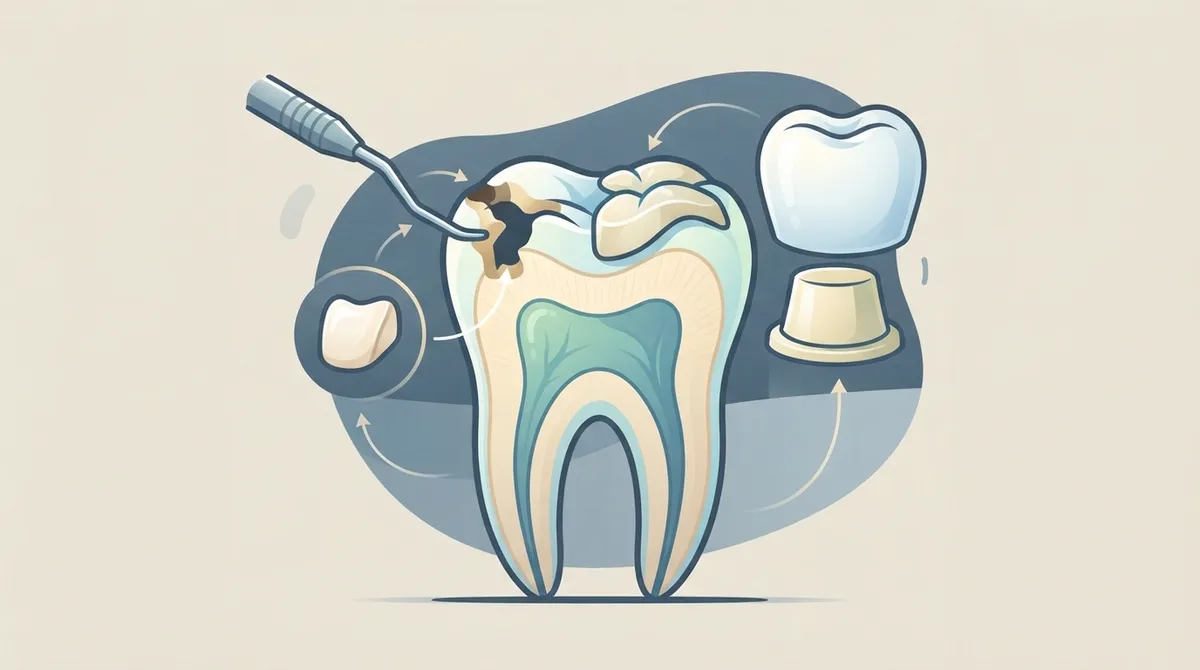
Tooth restoration is any dental treatment that repairs damaged teeth or replaces missing ones. The goal is simple: get your mouth working and looking great again. This branch of dentistry is called restorative dentistry, and it covers everything from small fillings to full sets of dentures.
Restorative dentistry doesn't just fix problems. It also protects your long-term oral health. Left untreated, small issues like cavities can turn into big, painful problems. That's why catching things early during regular checkups matters so much.
Why Tooth Restoration Options Matter So Much
Here's something that might surprise you. The CDC found that 47.2% of U.S. adults over 30 had some form of gum disease between 2017 and 2020. That's almost half of all adults. Gum disease can lead to tooth loss, which means more people than you'd think end up needing some kind of restoration work.
Another stat worth knowing: 13.2% of adults aged 20 to 64 had untreated cavities between 2011 and 2016, according to CDC data. Cavities don't fix themselves. They only get worse over time. This is why knowing your restoration options ahead of time can save you pain, time, and money down the road.
Direct vs. Indirect Restorations: What's the Difference?
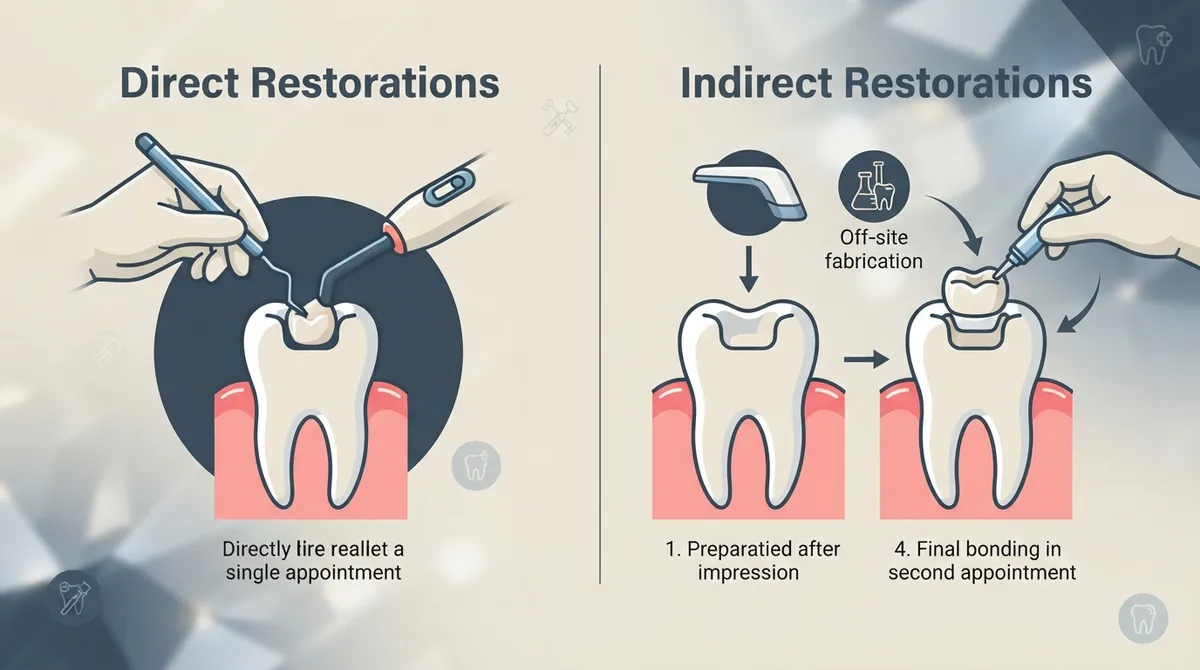
Dentists usually sort restorations into two groups: direct and indirect. Knowing the difference helps you understand what to expect at your appointment.
- Direct restorations are placed right in your mouth during one visit. Think fillings and bonding.
- Indirect restorations are made outside your mouth, often in a lab, then fitted in during a second visit. This includes crowns, bridges, veneers, inlays, and onlays.
- Direct options are usually faster and less expensive for smaller issues.
- Indirect options tend to last longer and work better for bigger repairs.
- Both types use materials designed to match your natural tooth color.
1. Dental Fillings: The Most Common Fix
Fillings are the go-to solution for cavities and small areas of decay. Your dentist removes the decayed part of the tooth, then fills the hole with material like composite resin, ceramic, or glass ionomer. Composite resin is popular because it blends in with your natural tooth color.
Fillings are usually done in a single visit. They're quick, affordable, and effective for smaller problems. If you've never had one, don't worry. Most patients say it's a lot less scary than they expected, especially with gentle numbing and modern tools. Learn more about this simple treatment on our dental fillings page.
2. Dental Bonding for Minor Repairs
Bonding uses a tooth-colored resin to fix chips, cracks, or gaps. It's similar to a filling but often used more for cosmetic touch-ups. Bonding is fast, painless, and usually done in one visit too. It's a great option if you have a small chip from biting something too hard or a minor crack from an accident.
3. Inlays and Onlays: The In-Between Option
Sometimes a cavity is too big for a filling but not big enough for a full crown. That's where inlays and onlays come in. These are custom-made pieces that fit into or onto the tooth. They're stronger than fillings and preserve more of your natural tooth compared to a crown.
4. Dental Crowns: When a Tooth Needs More Support
Crowns cover the entire visible part of a tooth. They're used when a tooth is too damaged for a filling but can still be saved. Think of a crown like a helmet for your tooth. It protects what's left and restores your bite.
Crowns are often needed after a root canal, or when a tooth has a large crack or has been weakened by a big cavity. Check out our crowns and bridges services to see how we handle this common procedure.
5. Dental Bridges: Filling the Gap
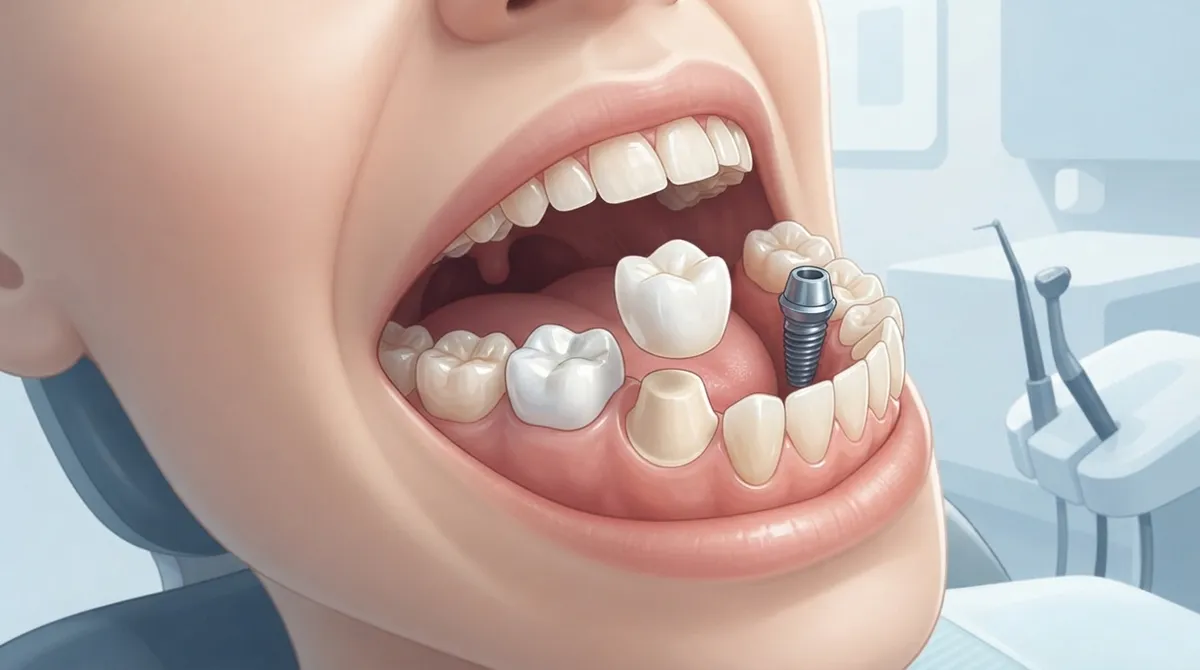
Bridges replace one or more missing teeth. They work by anchoring artificial teeth to the natural teeth or crowns on either side of the gap. Bridges are a solid choice if you're missing a tooth but still have healthy teeth nearby to support the bridge.
6. Dental Implants: The Long-Term Solution
Dental implants replace the entire tooth, root and all. A titanium post is placed into the jawbone, and a crown is attached on top. This gives you something that looks, feels, and functions like a real tooth.
Implants tend to last the longest of all restoration options, often decades with proper care. If you're serious about a permanent fix for a missing tooth, our dental implants team can walk you through the process step by step.
7. Dentures: Replacing Multiple Teeth
Dentures are removable replacements for several missing teeth, or even a full arch. They've come a long way from the clunky dentures of the past. Modern dentures fit better, look more natural, and feel more comfortable. Whether you need partials or a full set, our dentures services are designed with comfort in mind.
How Do You Know Which Option Is Right for You?
Choosing the right restoration depends on a few key factors. Here's a simple checklist to think through before your appointment:
- How much of the natural tooth is left? Small damage often means a filling works fine.
- Is the tooth still present, or is it missing completely? Missing teeth need bridges, implants, or dentures.
- What's your budget and insurance coverage? Some options cost more upfront but last longer.
- How important is appearance to you? Crowns and veneers offer great cosmetic results.
- Do you want a permanent fix or something removable? Implants are permanent, dentures are not.
Your dentist will also look at X-rays, check your gum health, and consider your overall oral hygiene habits before recommending a plan. This is why a thorough first visit exam matters so much.
When Does a Tooth Need a Root Canal Instead of a Filling?
If decay or an injury reaches the soft tissue inside your tooth (called the pulp), a filling won't cut it. That's when a root canal treatment comes into play. This procedure removes the infected pulp, cleans out the area, and seals the tooth. A crown is often placed afterward to add strength.
Root canals get a bad reputation, but with today's technology, most patients say it feels similar to getting a filling. It's actually a pain-relieving procedure, not a painful one.
Comparing Common Tooth Restoration Options
| Restoration Type | Best For | Visits Needed | Typical Lifespan |
|---|---|---|---|
| Filling | Small cavities | 1 visit | 5-15 years |
| Bonding | Chips, minor cracks | 1 visit | 3-10 years |
| Inlay/Onlay | Moderate decay | 2 visits | 10-30 years |
| Crown | Severely damaged teeth | 1-2 visits | 10-15+ years |
| Bridge | 1-3 missing teeth | 2+ visits | 10-15 years |
| Dental Implant | Single or multiple missing teeth | Multiple visits over months | 20+ years, often lifetime |
| Dentures | Multiple or full arch loss | Several visits | 5-10 years |
Are Dental Implants Better Than Dentures?
This is one of the most common questions we hear. Implants are fixed in place and feel more like natural teeth. They also help preserve your jawbone. Dentures are removable, more affordable upfront, and don't require surgery. The best choice depends on your budget, health, and how many teeth need replacing. Many patients even combine both, using implants to help support a denture for extra stability.
Common Filling Materials Explained Simply
Not all fillings are the same. Here's a quick rundown of what dentists commonly use:
- Composite resin: Tooth-colored, blends in naturally, great for front teeth
- Amalgam: Durable silver-colored material, often used for back teeth
- Ceramic: Long-lasting and stain-resistant, but pricier
- Cast gold: Very durable, though not as common today due to cost and appearance
- Glass ionomer: Releases fluoride, often used for kids or smaller repairs
Steps to Get Started With Tooth Restoration
Feeling ready to fix that tooth? Here's what the process usually looks like:
- Schedule a consultation so we can examine the damage and take X-rays.
- Discuss your options, including cost, timeline, and materials.
- Choose a treatment plan that fits your needs and budget.
- Complete the procedure, whether it's one visit or a series of appointments.
- Follow up care to make sure everything is healing and functioning well.
At Charming Smiles of Ocoee, we make this process as smooth as possible. We know dental visits can feel stressful, so our team focuses on comfort every step of the way. From soothing music to blankets and gentle care, we want you to relax while we take care of your smile.
How Much Do Tooth Restoration Procedures Cost?
Costs vary a lot depending on the treatment. Fillings tend to be the most affordable, while implants and bridges cost more due to materials and lab work. The good news is many insurance and financing options can help spread out the cost. We also offer a dental savings plan and flexible payment plans to make care more affordable for Ocoee families.
Right now, we're also running some helpful current specials, including a free dental implant consultation and $200 off implant treatment. It's a great time to explore your options without breaking the bank.
Why Choose Charming Smiles of Ocoee for Restoration Work?
Dr. Aliuska Lopez and our team have helped countless Ocoee residents restore their smiles with confidence. We combine advanced dental technology with a calming, spa-like environment. If dental visits make you nervous, you're in good hands here. We specialize in helping anxious patients feel safe and cared for.
Want proof? You can visit us on Google — Charming Smiles of Ocoee to see what our patients are saying. We're proud of our reputation and love hearing from happy smiles across Ocoee. You can also check out our Charming Smiles Facebook page or follow along on our Charming Smiles Instagram page for smile transformations and patient stories.
According to the National Institute of Dental and Craniofacial Research, tooth decay remains one of the most common chronic conditions in the country. That's exactly why having a trusted dental home matters. We're here near Publix in Ocoee, ready to help whenever you need us.
Taking the Next Step Toward a Healthier Smile
Tooth restoration doesn't have to be overwhelming. Whether you need a simple filling or a full smile makeover, there's an option that fits your life and your budget. The key is not waiting too long. Small problems are easier and cheaper to fix than big ones.
If you're ready to explore your tooth restoration options, our friendly team is here to help. You can book online anytime, or simply call us at (407) 378-3704 to set up a consultation. We'll walk you through every step, answer your questions, and help you pick the best path forward for your smile. You can also stop by our location to see our comfortable, welcoming office for yourself. Your healthier, more confident smile is closer than you think.
FAQs
Q: What are the different tooth restoration options for cavities?
A: For cavities, your options usually include fillings, inlays, onlays, or crowns depending on how big the cavity is. Small cavities often just need a simple filling, while bigger ones might need a crown to fully protect the tooth. Your dentist will check the damage and recommend the best fit for you.
Q: How do dental crowns compare with fillings?
A: Fillings work great for small cavities, while crowns are used when a tooth is too damaged for a filling but can still be saved. Think of a crown as a protective cap that covers the whole tooth, giving it extra strength. Crowns usually cost more but last longer than fillings.
Q: When is a dental bridge better than an implant?
A: A bridge might be a better fit if you have healthy teeth on either side of the gap that can support it, or if you're not a candidate for implant surgery. Implants are often preferred for long-term durability, but bridges can be a faster, less invasive option. It really depends on your specific dental health and goals.
Q: How long do fillings, crowns, and implants last?
A: Fillings typically last 5 to 15 years, crowns can last 10 to 15 years or more, and dental implants often last 20 years or longer with proper care. Implants tend to be the longest-lasting option since they replace the entire tooth structure. Regular checkups help extend the life of any restoration.
Q: How much do tooth restoration procedures cost?
A: Costs vary widely based on the treatment, with fillings being the most affordable and implants or bridges costing more due to materials and lab work involved. We offer flexible financing, payment plans, and a dental savings plan to help make treatment more affordable. Current specials, like free implant consultations, can also help lower your costs.