When Does a Weak Tooth Actually Need a Crown?
Discover when crowns for weak teeth truly help, plus alternatives, materials, costs, and care tips from Charming Smiles of Ocoee in Ocoee, FL.
Key Takeaways
- Crowns have a 96% survival rate over 4.6 years and are one of the most reliable solutions for weak teeth, but require regular checkups and maintenance to prevent decay around edges.
- Back teeth treated with root canals should typically receive crowns due to brittleness, with success rates of 91-93% over five years, while front teeth may not always need them due to lower biting pressure.
- Before recommending a crown, dentists must verify sufficient healthy tooth structure remains, check gum and bone health, assess crack depth, and evaluate whether extraction with implants might be a better long-term option.
- Conservative alternatives like inlays, onlays, and composite bonding can be effective for moderate damage while preserving more natural tooth structure, with onlays showing about 90% survival over 6.2 years.
- Crown material choice significantly affects longevity—monolithic lithium-disilicate achieves 98.5% five-year survival, while zirconia and e.max are ideal for high-force back teeth.
- Protecting a crown requires daily fluoride brushing, flossing around edges, avoiding hard foods, wearing a night guard if grinding occurs, and maintaining regular dental visits to catch early issues.
Have you ever bitten into something and felt a strange little twinge? Maybe your tooth feels off, but you're not sure why. If you're dealing with a weak, cracked, or heavily filled tooth, you're probably wondering if a dental crown is the answer. Here at Charming Smiles of Ocoee, we help patients across Ocoee, FL figure out exactly what their teeth need. Sometimes that's a crown. Sometimes it's something simpler. Let's walk through it together, in plain and friendly terms, so you feel confident about your next step.
What Is a Dental Crown, Really?
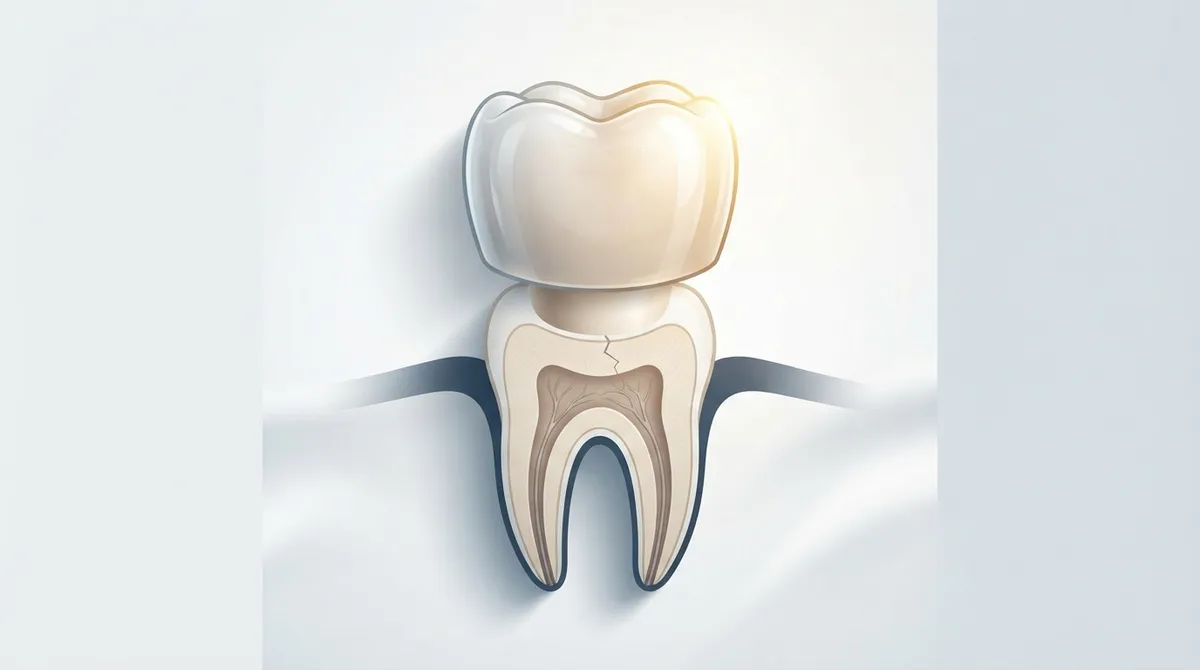
Think of a crown like a strong little cap for your tooth. It covers most or all of the visible part of a tooth that's been weakened by decay, cracks, or heavy dental work. A crown protects what's left of your natural tooth. It also helps you chew normally again and brings back a natural look.
Crowns are not a magic fix for every problem. They work best when there's enough healthy tooth left to support them. Our team at Charming Smiles of Ocoee always checks this carefully before recommending one.
Why Do Teeth Become Weak in the First Place?
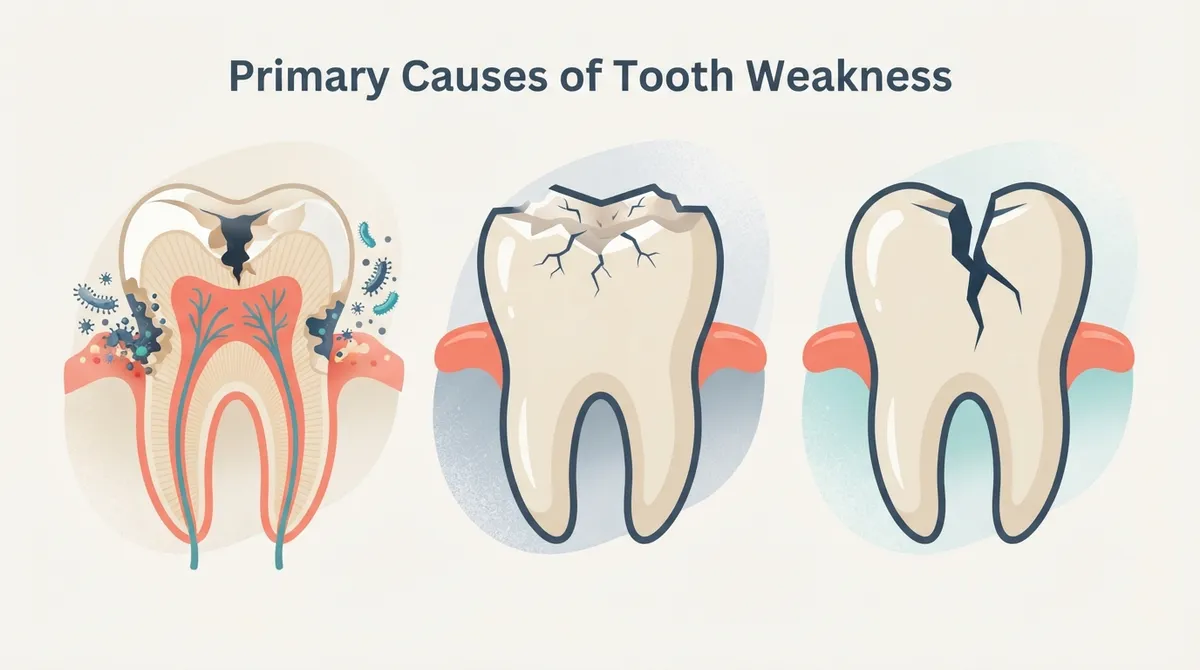
Weak teeth don't happen overnight. Usually, it's a slow buildup of small issues. Here are the most common reasons a tooth loses its strength:
- Large cavities that removed a lot of tooth structure
- Big old fillings that have worn down over the years
- Cracks from grinding, clenching, or biting something hard
- Root canal treatment, which can leave a tooth more brittle
- Years of wear and tear on back teeth that do most of the chewing work
If any of these sound familiar, it might be time to schedule a checkup. You can always call us at (407) 378-3704 to talk through your symptoms with our friendly team.
Are Crowns a Good Option for Weak Teeth?
In many cases, yes. Crowns for weak teeth are one of the most common and reliable solutions in dentistry. A 2024 systematic review found that single crowns had a survival rate of about 96% over an average follow-up period of 4.6 years. That's a pretty strong track record.
But here's an important truth: survival isn't the same as "problem-free." A crown can last for years while still needing small adjustments, cleanings, or repairs. That's why regular checkups matter just as much as the crown itself.
When a Crown Makes Sense
Your dentist may suggest a crown for a weak tooth if:
- The tooth has lost too much structure for a simple filling to work
- A large filling has already weakened the tooth's walls
- You've had a root canal, especially on a back tooth that handles heavy chewing
- There are visible cracks that could spread without protection
- The tooth is at high risk of breaking under normal biting pressure
When a Crown Might Not Be the Right Fit
Crowns aren't always the answer. Sometimes a tooth is too far gone, or there's a better, more conservative choice. Your dentist will look at a few key things first:
- How much healthy tooth structure remains
- Whether the crack extends below the gum line
- The health of your gums and the surrounding bone
- How much force your bite puts on that specific tooth
- Whether the root itself is stable enough to support a crown
If the tooth is too damaged, extraction followed by an implant or bridge might be the smarter long-term choice. We always explain every option clearly, so you never feel confused during your visit to our location.
Crowns After Root Canal Treatment: Is One Always Needed?
This is one of the most common questions we hear. After a root canal, the tooth often becomes more brittle. Without the blood supply it once had, it can crack more easily under pressure.
Research backs this up. A systematic review of root canal treated teeth found that full-coverage crowns had survival rates between 84% and nearly 98% over five to ten years. Five-year success rates hovered around 91% to 93%. That's a solid reason why back teeth, which face the heaviest chewing forces, often get a crown after root canal therapy.
Front teeth are a different story. They handle less biting pressure, so a crown isn't always necessary there. Your dentist will look at the location, the amount of remaining structure, and your bite before deciding.
What Are the Alternatives to a Crown?
Not every weak tooth needs full coverage. Sometimes a smaller, more conservative fix does the job just as well. Here's a simple breakdown of common options:
| Treatment | Best For | Reported Survival Rate |
|---|---|---|
| Composite Bonding | Small chips or minor cracks | Varies, generally shorter-term |
| Inlay or Onlay | Moderate damage with some healthy structure left | About 90% over roughly 6.2 years |
| Veneer | Cosmetic front-tooth concerns | Depends on material and use |
| Full Crown | Extensive damage or after root canal | About 96% over 4.6 years (single crowns) |
| Extraction + Implant | Unrestorable teeth | Around 94.5%–96.8% five-year survival |
Partial-coverage restorations, like inlays and onlays, can be a smart middle ground. They preserve more of your natural tooth while still offering solid protection. Our team can walk you through which option fits your specific situation during a visit for crowns & bridges.
What Materials Are Used for Crowns on Weak Teeth?
Not all crowns are created equal. The material matters, especially for weak or heavily damaged teeth. Common choices include:
- Zirconia: Extremely strong, great for back teeth that take a lot of chewing force
- Lithium disilicate (like e.max): Strong and natural-looking, often used for both front and back teeth
- Porcelain-fused-to-metal: A durable, time-tested option with a metal base for strength
- Metal alloys: Very strong and long-lasting, though less common for visible teeth
- Resin-based crowns: Often used temporarily or in select situations
Studies show real differences between materials. Monolithic lithium-disilicate crowns had five-year survival rates around 98.5%, while some feldspathic ceramics were closer to 90.4%. Your dentist will factor in your bite strength, the tooth's location, and your grinding habits before recommending a material.
What Does the Crown Process Actually Look Like?
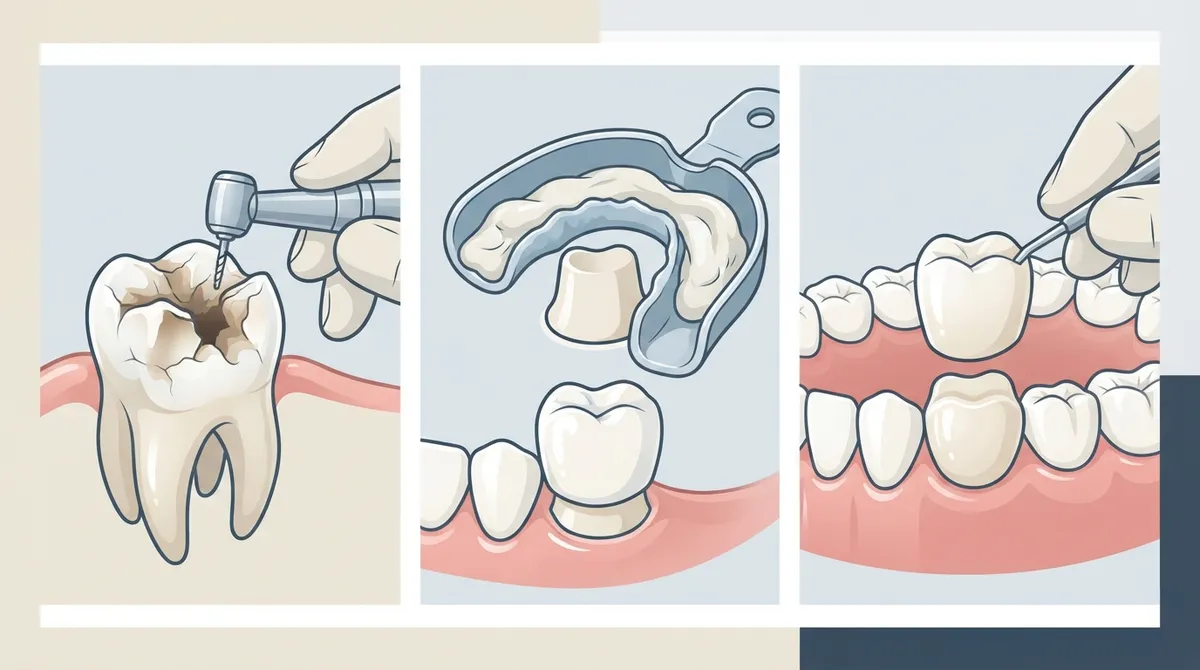
If you've never had a crown before, the process might feel a little mysterious. Here's what typically happens, step by step:
- Your dentist examines the tooth and takes X-rays to check the roots and surrounding bone
- Any decay or damaged material is carefully removed
- The tooth is shaped to make room for the crown
- An impression or digital scan captures the exact shape of your tooth
- A temporary crown is placed while your permanent one is made
- Your permanent crown is fitted, checked, and cemented into place
Sometimes a root canal or a core buildup is needed first, especially if a lot of the tooth is missing. At Charming Smiles of Ocoee, we use modern technology to make each step as smooth and comfortable as possible.
How Long Do Crowns for Weak Teeth Actually Last?
This is another question we hear a lot. The honest answer is: it depends. Crown longevity relates to the material used, how well you care for it, your bite forces, and whether you grind your teeth at night.
Generally, well-placed crowns can last many years, sometimes a decade or longer, with good care. Regular dental visits help catch small issues, like a loose edge or minor wear, before they turn into bigger problems.
How Do You Protect a Crown Once It's Placed?
A crown protects your tooth, but you also need to protect the crown. Here are simple habits that make a big difference:
- Brush twice daily with fluoride toothpaste
- Clean between your teeth every day, including around the crown's edges
- Keep up with regular dental checkups and cleanings
- Avoid chewing on ice, hard candy, or other tough objects
- Wear a night guard if you clench or grind your teeth
Remember, a crown doesn't make a tooth immune to decay. Bacteria can still sneak in around the edges if oral hygiene slips. That's why routine visits to our office near Publix in Ocoee matter so much for long-term success.
What About a Post? Does It Strengthen the Tooth?
This is a common misunderstanding. A post is not the same as a crown, and it doesn't make the root stronger. Posts are sometimes used to help hold a core buildup in place when a lot of the tooth's original structure is gone.
In fact, if too much of the tooth is shaved down to fit a post, it can actually increase the risk of the root cracking later. Your dentist will only recommend a post when it's truly necessary, not as a routine step.
Signs You Should Call Your Dentist Right Away
Sometimes a weak tooth turns into an emergency. Watch for these warning signs:
- Ongoing pain that doesn't improve
- Swelling around the tooth or gum
- A crown that feels loose or has cracked
- A sharp or rough edge you can feel with your tongue
- A sudden change in how your teeth bite together
If you notice facial swelling, fever, or trouble swallowing or breathing, seek care immediately. For less urgent concerns, our emergency dentistry team is ready to help you get comfortable again fast.
Why Ocoee Families Trust Charming Smiles of Ocoee
Dealing with a weak or cracked tooth can feel stressful. That's exactly why Dr. Aliuska Lopez and our team focus so much on comfort. From calming music to cozy blankets, we want every visit to feel more like a spa day than a dental appointment.
We also make treatment affordable. Our current specials include a free cosmetic consultation and an emergency consultation for just $49, so getting answers about your weak tooth doesn't have to break the bank. You can explore more details about insurance & financing options or check out our current specials before your visit.
Curious what other Ocoee patients have to say? You can visit us on Google — Charming Smiles of Ocoee to read real reviews, or check out our Charming Smiles Facebook page and Charming Smiles Instagram page for smile transformations and behind-the-scenes moments from our office.
Making the Right Choice for Your Smile
Every weak tooth tells its own story. Some need a full crown for lasting protection. Others just need a smaller fix, like a filling or an onlay. The only way to know for sure is a thorough exam with X-rays and a dentist who takes time to explain your options.
According to the American Dental Association, crowns remain one of the most trusted long-term solutions for damaged teeth when placed correctly and cared for properly. Combining that expert guidance with personalized care is exactly what you'll find at our Ocoee practice.
If you've been dealing with a nagging ache, a cracked tooth, or a filling that feels shaky, don't wait for it to get worse. Ready to find out if a crown is right for your weak tooth? Call us at (407) 378-3704 today, or stop by our location to meet the team and get the answers you deserve. You can also book online at a time that works for your schedule. We're here to help your smile feel strong again.
FAQs
Q: Are crowns a good option for weak or brittle teeth?
A: Yes, in many cases! Crowns are one of the most reliable ways to protect a weak tooth from breaking further. Studies show about a 96% survival rate for single crowns over several years, so they really can give your smile lasting support.
Q: Does every weak tooth need a crown?
A: Not at all. Some weak teeth do just fine with a smaller fix, like a filling or an onlay, especially if there's still plenty of healthy tooth left. Your dentist will check the damage carefully before deciding what's truly needed.
Q: Is a crown necessary after a root canal?
A: Often yes, especially for back teeth that handle heavy chewing. Root canal treated teeth can become brittle, and studies show crowns significantly improve their long-term survival, sometimes reaching success rates above 90%.
Q: How long do dental crowns for weak teeth last?
A: Many crowns last well over a decade with good care. It really depends on the material, your bite habits, and how consistently you keep up with brushing, flossing, and regular checkups.
Q: What are the alternatives to a crown for a weakened tooth?
A: Great options include composite bonding, inlays, onlays, or veneers for cosmetic front teeth. These conservative choices can protect a tooth while preserving more of your natural structure, when there's enough healthy tooth remaining.