What Is a Dental Bridge and Do You Need One?
Learn how dental bridges work, the types available, costs, care tips, and why Charming Smiles of Ocoee is Ocoee's trusted choice.
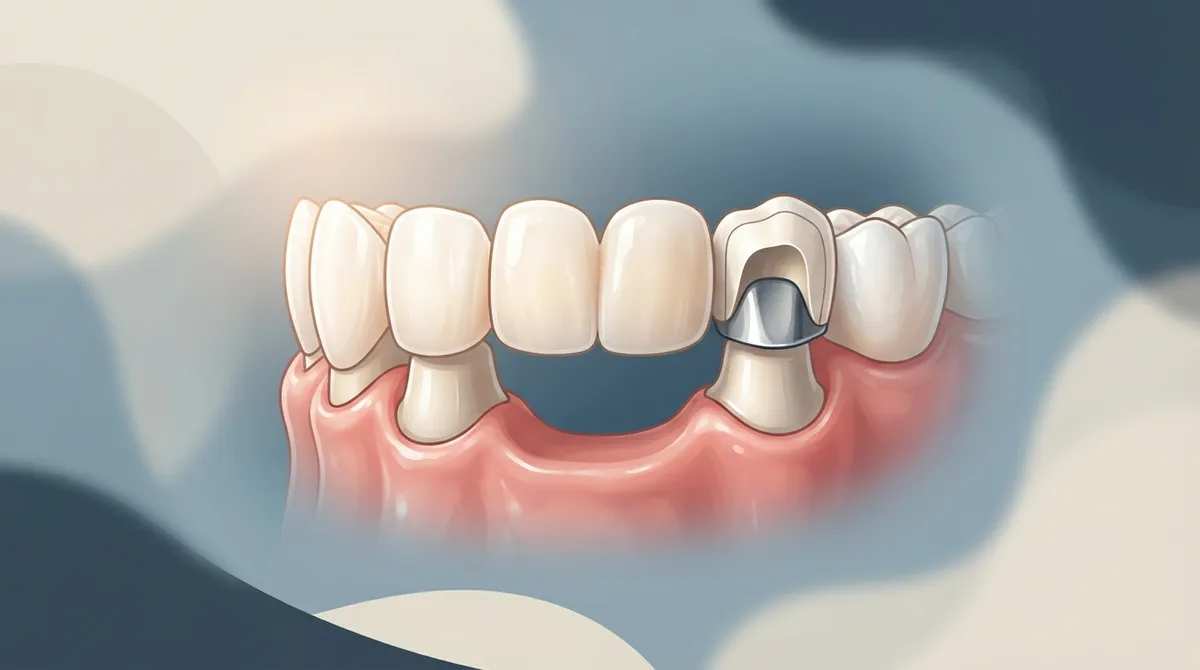
Key Takeaways
- Dental bridges last 5-15 years with proper care; maintain longevity through twice-daily brushing, special flossing under the pontic, and regular dental checkups to prevent decay on supporting teeth.
- Traditional bridges cost $2,000-$5,000 and work best for most cases, while Maryland bridges ($1,500-$2,500) suit front teeth with minimal tooth preparation, and implant-supported bridges ($5,000-$15,000) work for multiple missing teeth.
- The bridge process takes 2-3 visits: tooth preparation, impressions, temporary placement, then permanent cementation; most patients report it's easier than expected with no nightly removal needed.
- Bridges prevent adjacent teeth from shifting into gaps, restore proper chewing on both sides, maintain facial structure, and improve speech clarity—delivering functional and aesthetic benefits beyond simple gap-filling.
- Common problems include decay on supporting teeth, gum disease from plaque buildup, and cement deterioration; early detection through regular visits and meticulous daily cleaning prevents most issues.
- Traditional bridges require healthy neighboring teeth as support, while Maryland bridges preserve more natural tooth structure, and implant-supported bridges avoid relying on adjacent teeth entirely.
Missing a tooth can feel like a big deal. Maybe you're hiding your smile in photos, or chewing on one side to avoid an empty gap. Here's the good news: you don't have to live like that. A dental bridge is one of the most reliable ways to fill that gap, restore your bite, and get your confident smile back. At Charming Smiles of Ocoee, we've helped countless neighbors in Ocoee find the right solution for their missing teeth in a relaxed, spa-like setting.
In this guide, we'll walk you through everything you need to know about dental bridges. We'll keep things simple, friendly, and easy to follow. By the end, you'll know exactly what to ask your dentist and whether a bridge might be the right choice for you.
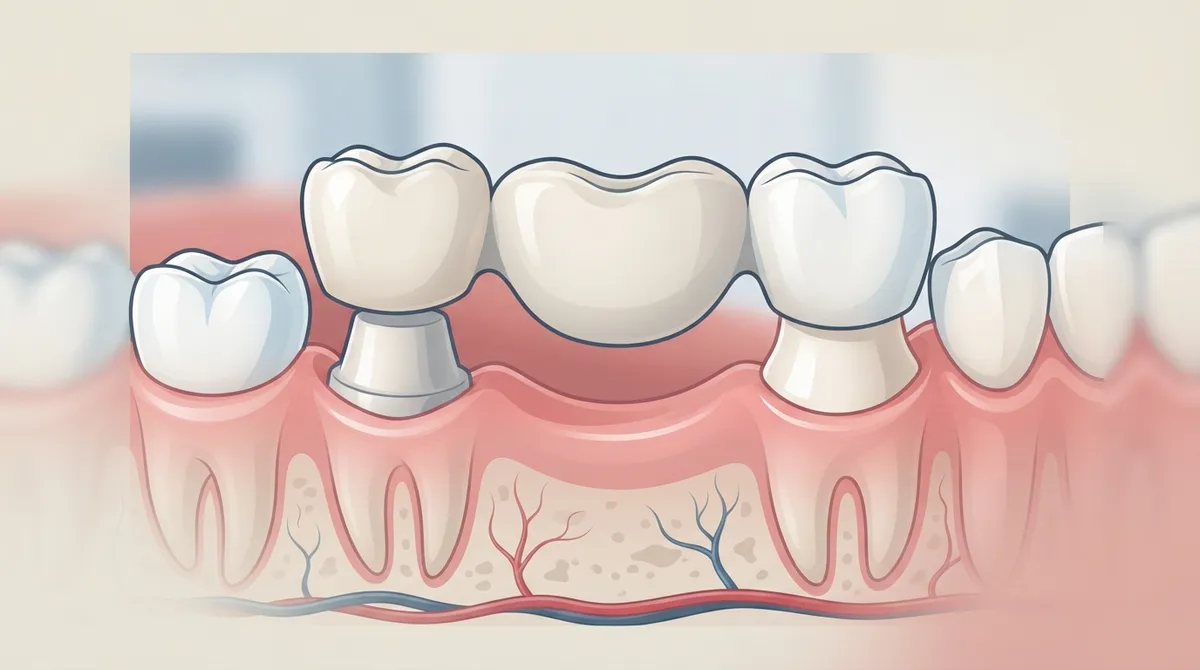
What Exactly Is a Dental Bridge?
A dental bridge is a fixed dental restoration. It replaces one or more missing teeth by literally "bridging" the gap. The fake tooth (called a pontic) sits between two supports, usually crowns placed on the teeth next to the gap.
Think of it like a bridge over a river. The pontic is the road, and the teeth on either side are the pillars holding it up. Once it's placed, a bridge stays in your mouth permanently. You don't take it out at night like a denture.
Bridges do more than just fill a hole in your smile. They help you:
- Chew food properly again on both sides of your mouth
- Speak clearly without a whistle or lisp
- Keep your other teeth from shifting into the empty space
- Maintain the natural shape of your face
- Feel confident smiling in photos and conversations
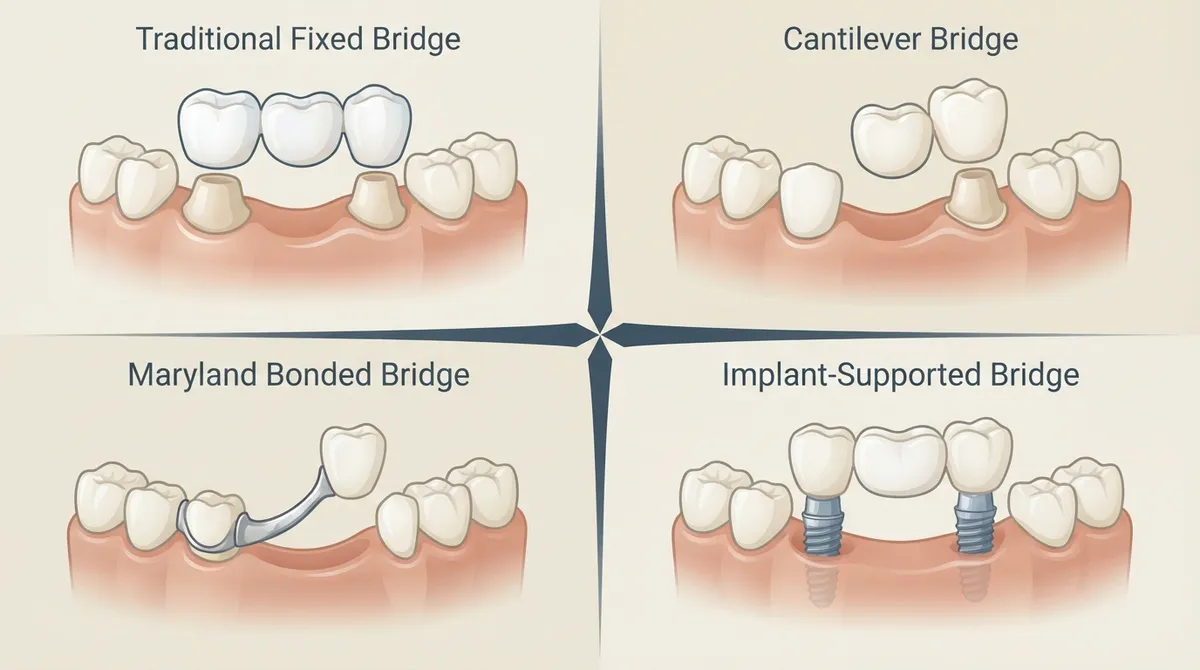
The Four Main Types of Dental Bridges
Not all bridges are built the same way. Your dentist will pick the type that fits your mouth, your budget, and your goals. Here are the four most common options.
1. Traditional Bridge
This is the most popular type. It uses a crown on each side of the gap, with the fake tooth attached in between. The teeth next to the gap (called abutment teeth) need to be strong and healthy since they carry the load.
2. Cantilever Bridge
This bridge only attaches to one tooth instead of two. It's used less often because it puts more pressure on that single supporting tooth. Dentists usually avoid this option in areas where you chew a lot, like your back molars.
3. Maryland Bridge
Also called a resin-bonded bridge, this type uses metal or ceramic wings bonded to the back of your neighboring teeth. It doesn't require shaving down your natural teeth as much. It's often used for front teeth where looks matter most, though it can come loose more easily than other types.
4. Implant-Supported Bridge
Instead of resting on your natural teeth, this bridge anchors to dental implants. It's a great choice when you're missing several teeth in a row or when your natural teeth aren't strong enough to support a bridge. It does take more time and planning since implants need to heal first.
Comparing the Bridge Types
| Bridge Type | Support Method | Best For | Average Cost Range |
|---|---|---|---|
| Traditional | Crowns on both sides | Most missing tooth cases | $2,000–$5,000 |
| Cantilever | Crown on one side only | Areas with less chewing force | Similar to traditional |
| Maryland | Bonded wings | Front teeth, minimal prep | $1,500–$2,500 |
| Implant-Supported | Dental implants | Multiple missing teeth | $5,000–$15,000 |
Costs can vary quite a bit based on your location, the materials used, and how many teeth need replacing. Always ask for a full breakdown during your consultation. You can also check our insurance & financing options to see what fits your budget.
How the Bridge Process Works
Getting a bridge usually takes a couple of visits. Here's what you can expect, step by step.
- Consultation and exam: Your dentist checks your gum health, bite, and the strength of your abutment teeth.
- Tooth preparation: The supporting teeth are gently reshaped to hold the crowns.
- Impressions or digital scans: These create the blueprint for your custom bridge.
- Temporary bridge placement: You wear a temporary piece while your permanent bridge is made in a lab.
- Final fitting: Once ready, your permanent bridge is checked for fit and comfort.
- Cementation: The bridge is bonded into place, and you're ready to smile again.
Most patients say the process is much easier than they expected. If you feel nervous about dental work, our team at Charming Smiles of Ocoee offers a calming, comfortable environment designed to ease your worries. Feel free to call us at (407) 378-3704 if you have questions before your first visit.
How Long Does a Dental Bridge Last?
According to the Cleveland Clinic, dental bridges commonly last between 5 and 15 years. Some bridges last even longer with good care, regular dental visits, and a healthy bite.
A few things affect how long your bridge will last:
- How well you clean around and under it every day
- Whether you grind your teeth at night
- The health of your supporting teeth and gums
- The quality of materials used to make your bridge
- How often you visit your dentist for checkups
Cleaning Your Bridge the Right Way
Here's something a lot of people don't realize: a bridge needs special cleaning attention. Since the pontic sits above your gum line, food and plaque can get trapped underneath it. If you skip proper cleaning, you risk decay on your supporting teeth or gum disease.
Here's a simple daily routine to keep your bridge in great shape:
- Brush your teeth twice a day, including the bridge area
- Use a floss threader or special bridge floss to clean under the pontic
- Try an interdental brush for hard-to-reach spots
- Consider a water flosser for an easy, gentle clean
- Visit your dentist regularly for professional cleanings
This might sound like a lot, but it quickly becomes part of your normal routine. Our hygienists at Charming Smiles of Ocoee are happy to show you exactly how to clean your bridge during your visit.
Bridge vs. Implant vs. Partial Denture: Which Is Right for You?
This is one of the most common questions we hear. Each option has its own strengths, and the best choice depends on your mouth, budget, and lifestyle.
| Option | Pros | Cons |
|---|---|---|
| Dental Bridge | Faster process, no surgery, fixed in place | Requires healthy neighboring teeth, doesn't replace the root |
| Dental Implant | Replaces the root, doesn't affect neighboring teeth, long-lasting | Requires surgery, longer healing time, higher upfront cost |
| Partial Denture | Removable, lower cost upfront | Less stable, needs to be taken out for cleaning |
Many patients ask us to compare a bridge to a denture or an implant during their visit. We'll walk through your X-rays, gum health, and goals together so you can make a confident choice. You can also read more in our article on crowns & bridges.
Signs You Might Need a Dental Bridge
Not sure if a bridge is right for you? Here are some common signs it might be time to talk to your dentist.
- You have one or more missing teeth in a row
- Your bite feels uneven or teeth are shifting
- You avoid chewing on one side of your mouth
- You feel self-conscious about a gap when you smile
- Your dentist has mentioned your remaining teeth are strong enough for support
What Problems Can Happen With a Dental Bridge?
Bridges are reliable, but like any dental work, they aren't problem-free. Being aware of potential issues helps you catch problems early.
- Decay can develop on the supporting teeth if hygiene slips
- Gum disease can form around the bridge if plaque builds up
- The bridge can crack or fracture from heavy biting or grinding
- The cement holding the bridge can wear down over time, causing it to loosen
The fix for most of these problems is simple: regular dental visits and good home care. If something feels off with your bridge, don't wait. Reach out right away so small issues don't turn into bigger ones.
Why Choose Charming Smiles of Ocoee for Your Bridge
Dr. Aliuska Lopez and her team at Charming Smiles of Ocoee focus on more than just fixing your smile. We want you to feel calm and cared for the whole time you're in our chair. Our office is designed to feel more like a spa than a dental clinic, with comfort touches that ease dental anxiety.
We also make bridges more affordable with flexible financing and our dental savings plan. Many patients combine their bridge treatment with our current specials to save even more. Don't just take our word for it. You can see what our Charming Smiles of Ocoee patients say by checking out our Charming Smiles Facebook page or our Charming Smiles Instagram page for real smile transformations.
You can also visit us on Google — Charming Smiles of Ocoee to read reviews from real patients in Ocoee who trusted us with their smiles. According to the American Dental Association, fixed bridges remain one of the most common and dependable restorative options in modern dentistry, and our team stays current with the latest techniques to give you lasting results.
Ready to Fill That Gap?
A missing tooth doesn't have to hold you back from smiling, eating, or feeling confident. Whether you need a traditional bridge, a Maryland bridge, or an implant-supported option, our friendly team is here to guide you every step of the way. You can book online for a consultation, or simply reach out to learn more about what's right for your smile.
Ready to take the next step? Visit our location in Ocoee near Publix, or give us a call today to schedule your free bridge consultation. Your smile deserves it.
FAQs
Q: What is a dental bridge and how does it work?
A: A dental bridge is a fixed replacement for one or more missing teeth. It uses a fake tooth, called a pontic, held in place by crowns or implants on either side. Once it's placed, it stays put and works just like your natural teeth for chewing and smiling.
Q: How much does a dental bridge cost without insurance?
A: Costs vary depending on the type you choose, but a traditional bridge typically runs between $2,000 and $5,000. Maryland bridges tend to cost less, while implant-supported bridges can run higher. We're happy to walk you through pricing and financing options during your free consultation.
Q: How long does a dental bridge last?
A: Most dental bridges last between 5 and 15 years, and some last even longer with good care. Brushing, flossing under the bridge, and regular checkups make a big difference in how long yours will hold up.
Q: Is a dental bridge better than a dental implant?
A: It really depends on your situation. A bridge is faster and doesn't require surgery, but an implant replaces the tooth root and can last longer. Our team will help you weigh the pros and cons based on your gum health, budget, and goals.
Q: Does getting a dental bridge hurt?
A: Most patients feel little to no discomfort thanks to local anesthesia during the procedure. Some mild soreness is normal for a day or two afterward. Our gentle, spa-like approach at Charming Smiles of Ocoee is designed to keep you relaxed the whole time.