What Are the Dental Implant Procedure Steps in 2026?
Learn the exact dental implant procedure steps, from consultation to final crown, plus healing times and success rates from Charming Smiles of Ocoee.
Key Takeaways
- Dental implants have a 97.4% mean survival rate and maintain about 96.9% success after 10 years, making them one of the most reliable tooth replacement options in modern dentistry.
- The entire implant process typically takes 3-6 months for straightforward cases, but can extend to a year if bone grafting or tooth extraction healing is needed first—most time is passive healing, not chair time.
- Osseointegration (bone bonding to the implant) is critical and takes 2-6 months, while gum tissue heals in 1-2 weeks; skipping follow-up visits or smoking during this period significantly reduces success rates.
- Not all patients need bone grafting or two-stage surgery; your dentist uses X-rays or 3D CT scans during the initial consultation to determine if you have sufficient jawbone density for direct implant placement.
- Long-term implant success depends on daily care identical to natural teeth (soft-bristle brushing, flossing, regular checkups) and avoiding hard foods; neglecting care can lead to peri-implant inflammation affecting surrounding bone.
- Implant placement surgery typically takes about 90 minutes, and most patients return to normal activities within days with mild soreness managed by over-the-counter pain relief and soft foods for the first week.
Missing a tooth can feel stressful. You might worry about how it looks. You might worry about how it feels to eat. The good news? Dental implants offer a strong, lasting fix. But what actually happens during treatment? Let's walk through the dental implant procedure steps together, so you know exactly what to expect.
At Charming Smiles of Ocoee, Dr. Aliuska Lopez and her team guide patients through every stage with care and patience. Whether you're an anxious first-timer or a busy parent ready to fix a smile gap, this guide breaks it all down in simple terms. We'll also share real numbers from dental research, so you know what to expect for healing time and success rates.
What Is a Dental Implant, Exactly?
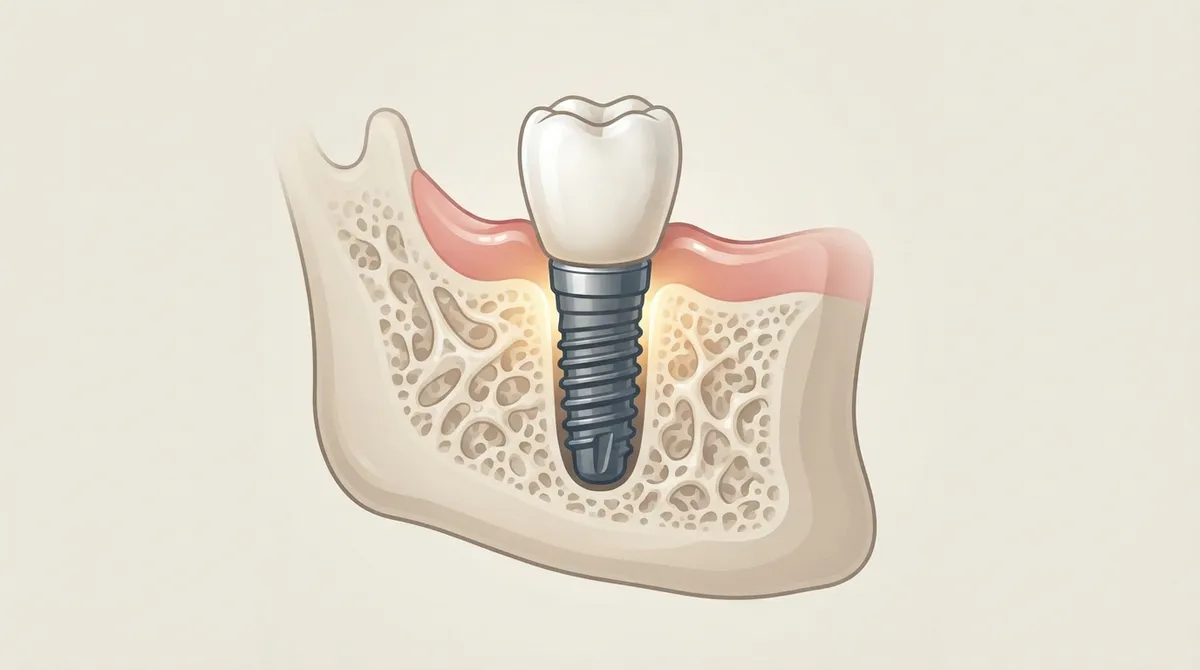
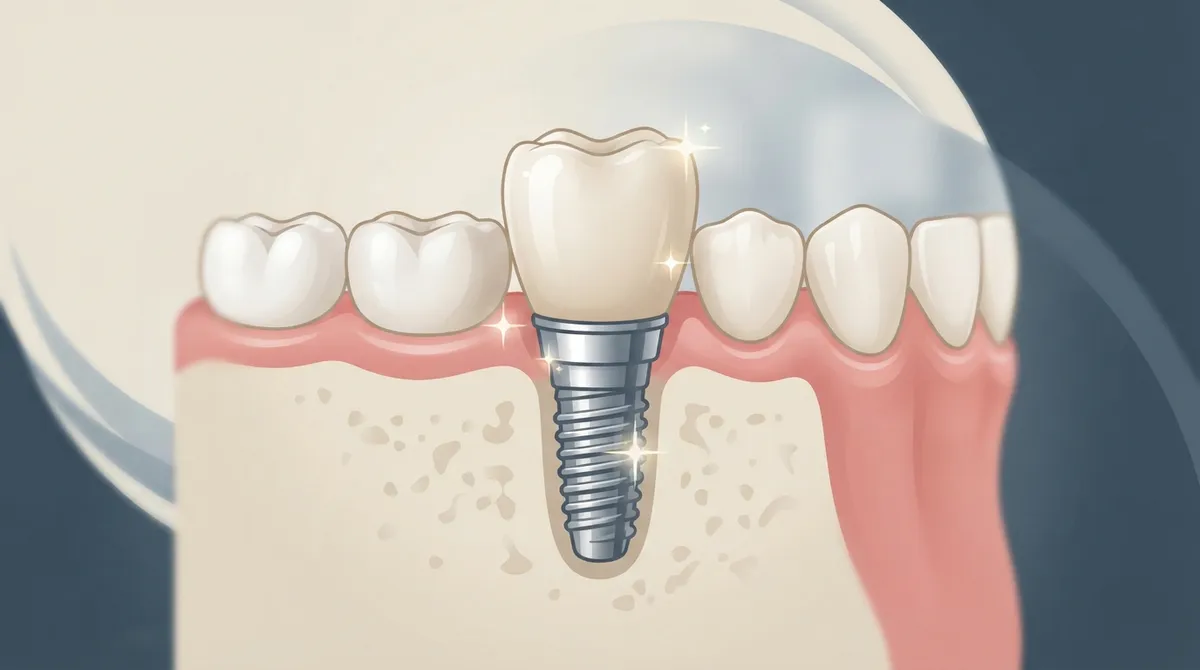
A dental implant is a small titanium post. It replaces a missing tooth root. Once it's placed and healed, a crown sits on top. This crown looks and works like a real tooth. Many patients say implants feel just as natural as their own teeth once healing is complete.
Implants are different from dentures or bridges. They don't rely on other teeth for support. Instead, they act as their own foundation, right in your jawbone. This is why implants are often the top choice for long-term tooth replacement.
The Dental Implant Procedure Steps, Start to Finish
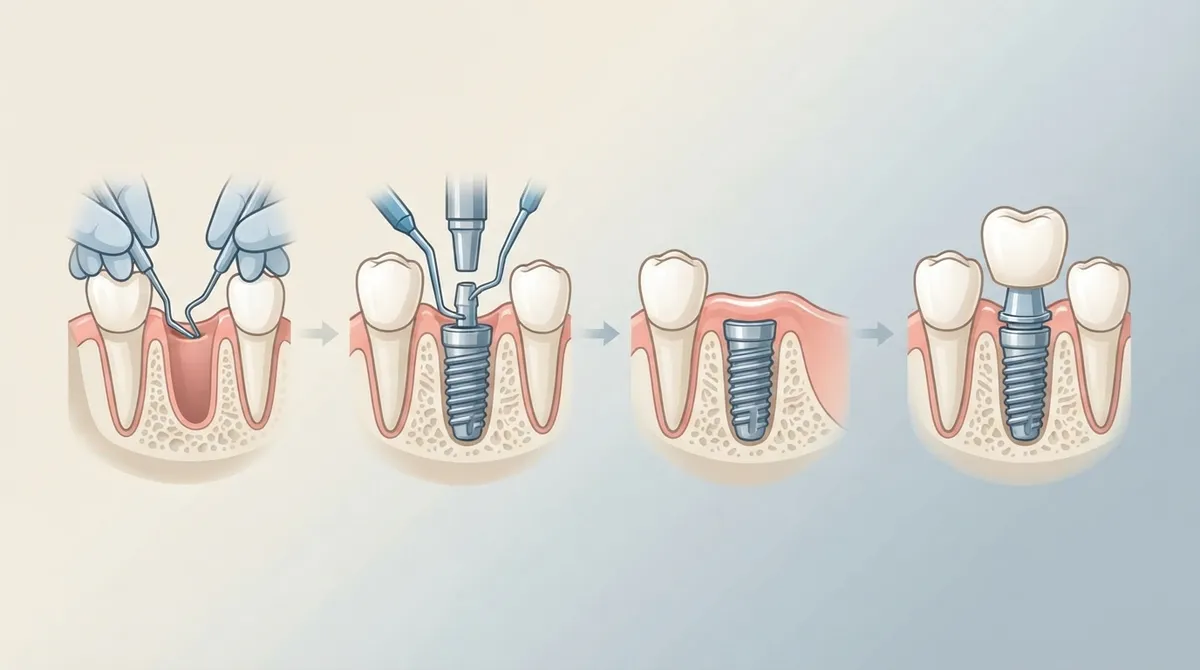
Every patient is different. But most people follow the same general path. Here are the main dental implant procedure steps you can expect:
- Initial consultation and exam. Your dentist checks your teeth, gums, and jawbone. This step often includes X-rays and sometimes a 3D scan called a cone-beam CT. This helps the team see your bone volume and plan exact implant placement.
- Tooth extraction (if needed). If the damaged tooth is still in place, it must come out first. Sometimes the implant goes in right away. Other times, the site needs to heal for about 6 to 10 weeks before surgery.
- Bone grafting (if needed). Some patients don't have enough jawbone to hold an implant. A bone graft adds material to build up that area. This step adds extra healing time before the implant can be placed.
- Implant placement surgery. The dentist numbs the area. Then they place the titanium post into the jawbone. This appointment often takes about 90 minutes, though it varies with how many implants you need.
- Healing and osseointegration. This is the waiting period. Your jawbone grows around the implant and locks it in place. Gum tissue usually heals in 1 to 2 weeks. But full bone bonding takes much longer, often 2 to 6 months.
- Abutment placement. Once healing is done, a small connector piece called an abutment attaches to the implant. This piece holds your new crown in place.
- Final restoration. Your dentist takes impressions or digital scans of your mouth. Then a custom crown, bridge, or denture is made and attached. This is the finish line of your smile transformation.
That may look like a lot of steps. But most patients say the process is much easier than they expected, especially with a gentle, modern dental team guiding them the whole way.
One-Stage vs. Two-Stage Implant Surgery
Not all implant surgeries work the same way. There are two common approaches. Knowing the difference helps you understand what your dentist recommends for your case.
| Approach | How It Works | Best For |
|---|---|---|
| One-Stage Surgery | Implant and healing cap placed together. The cap stays visible through the gum during healing. | Patients with strong, healthy bone and no need for extra grafting. |
| Two-Stage Surgery | Implant is covered by gum tissue during healing. A small second procedure later exposes it for the abutment. | Patients needing bone grafts or extra protection during healing. |
Your dentist will decide which method fits your mouth best. Both approaches lead to the same strong, lasting result.
How Long Does the Whole Process Take?
This is one of the most common questions we hear. The honest answer? It depends. Some patients finish in a few months. Others need close to a year, especially if grafting is involved.
- Simple cases with good bone health: around 3 to 4 months total
- Cases needing extraction healing first: add 6 to 10 weeks
- Cases needing bone grafting: add several more months
- Cases with multiple implants: may need a longer, staged plan
The good news is that most of this time is just healing. You won't be in the dental chair the whole time. Life goes on as normal while your body does the important work of bonding with your new implant.
What Happens After Surgery? Recovery Basics
Right after surgery, some swelling and mild soreness are normal. Most patients manage this well with over-the-counter pain relief and rest. Here's what a smooth recovery usually looks like:
- Soft foods for the first few days
- Gentle rinsing with warm salt water
- Avoiding smoking, which can slow healing
- Sticking to your dentist's brushing and flossing instructions
- Attending all follow-up visits so your team can check healing progress
Most people are back to normal activities within a few days. If you ever feel unusual pain or swelling that gets worse instead of better, call your dental team right away. Our team offers emergency dentistry support if something feels off after your procedure.
How Successful Are Dental Implants, Really?
Dental implants have one of the best track records in modern dentistry. A large review of implant studies found a mean survival rate of 97.4%, with results holding strong even 10 years later at about 96.9%. That's a very reassuring number for anyone considering treatment.
Here's a quick breakdown of survival rates by type of restoration:
| Restoration Type | Mean Survival Rate |
|---|---|
| Single-tooth implant | 96.2% |
| Partial fixed bridge on implants | 98.5% |
| Full-arch fixed restoration | 96.7% |
Bone quality also plays a big role in success. Research shows implants placed in denser bone (types I, II, and III) have lower failure rates than implants placed in softer, type IV bone. This is one reason your dentist spends so much time on the planning stage before surgery even begins.
Who Is a Good Candidate for Dental Implants?
Most healthy adults with good gum health make great candidates. But a few factors matter more than others. Your dentist will look closely at these before recommending implants:
- Overall gum health and any signs of active gum disease
- Bone density and volume in the jaw
- Whether you smoke, since this can slow healing
- Any chronic health conditions like uncontrolled diabetes
- Your daily oral hygiene habits
If a bone graft or extra gum care is needed first, that's not a problem. It just means your treatment plan gets tailored to set you up for lasting success. Charming Smiles of Ocoee also offers dentures and crowns & bridges for patients exploring all their tooth replacement options.
Caring for Your New Implant Long-Term
Once your implant is fully restored, caring for it is simple. Treat it much like a natural tooth, with a few extra habits added in:
- Brush twice daily with a soft-bristle brush
- Floss around the implant carefully every day
- Keep up with regular dental cleanings and checkups
- Avoid chewing very hard items like ice or hard candy
- Watch for any looseness, pain, or gum swelling near the implant
Skipping care can lead to a problem called peri-implant inflammation, which affects the bone around the implant. Regular visits help catch small issues before they grow into bigger ones.
Why Choose Charming Smiles of Ocoee for Your Implant Journey
Dr. Aliuska Lopez and her team at Charming Smiles of Ocoee are known across the area for gentle, precise implant care. Located near Publix in Ocoee, the practice combines advanced technology with a spa-like setting designed to calm nerves and ease dental anxiety.
Patients love the soothing music, comfy blankets, and caring front desk team that make every visit feel relaxed. You can explore our dental implants page to learn more, or check out our current specials, including a free implant consultation and $200 off treatment. We also offer insurance & financing options and a helpful dental savings plan to make care more affordable.
Curious what other patients say? You can visit us on Google — Charming Smiles of Ocoee to read real reviews from the Ocoee community. You can also follow along on our Charming Smiles Facebook page or our Charming Smiles Instagram page for smile transformation stories and helpful tips.
Common Mistakes to Avoid During Implant Treatment
A few small missteps can slow down healing or affect your results. Here's what to watch out for:
- Skipping the planning scans, which can lead to poor implant placement
- Smoking during the healing period
- Ignoring your dentist's aftercare instructions
- Waiting too long to treat gum disease before implant surgery
- Choosing a rushed provider instead of one who takes time to plan carefully
Careful planning and a patient, experienced dental team make all the difference. That's exactly what you'll find at Charming Smiles of Ocoee.
Ready to Take the Next Step?
Understanding the dental implant procedure steps is the first move toward a confident, complete smile. From your first exam to your final crown, every step is designed to give you a comfortable, natural-looking result that lasts for years. According to the American Dental Association, this staged process typically spans several months, but the outcome is well worth the wait.
If you're ready to explore whether implants are right for you, our team is here to help. You can book online for a free consultation, or simply call us at (407) 378-3704 to speak with our friendly staff today. Let's build your healthiest, happiest smile together at our location in Ocoee.
FAQs
Q: How long does the entire dental implant process take?
A: It really depends on your situation, but most patients finish in about 3 to 6 months. If you need a bone graft or tooth extraction first, it can take a bit longer. Don't worry though, most of that time is just healing, not chair time!
Q: Is a bone graft always required before getting a dental implant?
A: Not always! Many patients have plenty of healthy jawbone and skip this step entirely. Your dentist will check your bone with X-rays or a 3D scan first, so you'll know exactly what your treatment plan looks like.
Q: Can a dental implant be placed right after a tooth extraction?
A: Sometimes, yes! It depends on how healthy the socket and surrounding bone are. Other times, it's better to let the area heal for 6 to 10 weeks first. Either way, your dentist will pick the safest path for lasting success.
Q: Are dental implants painful, and what does recovery feel like?
A: Most patients are pleasantly surprised by how manageable it is. You might feel some mild soreness or swelling for a few days, similar to a tooth extraction. Over-the-counter pain relief and soft foods usually do the trick.
Q: How long do dental implants actually last?
A: Great news here: implants have wonderful long-term success rates, often above 96% even after ten years. With good home care and regular checkups, many patients enjoy their implants for decades to come.