Partial Dentures in Windermere, FL: A Friendly 2026 Guide
Learn how partial dentures in Windermere, FL work, what types exist, how to care for them, and what to ask before you choose a dentist.
Key Takeaways
- Partial dentures replace missing teeth while fitting around your remaining natural teeth, helping you chew, speak, and smile more comfortably without surgery.
- Your remaining teeth and gums should be healthy first; fillings, gum treatment, or root canals are often completed before the partial is made.
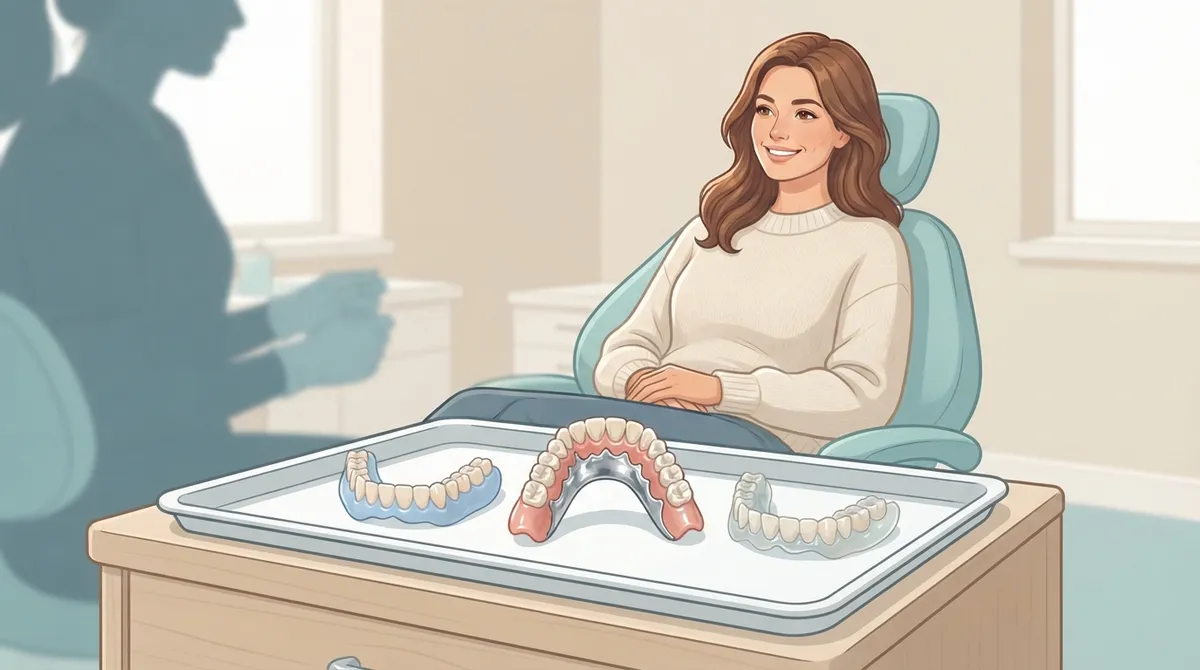
- Three main types exist: acrylic or interim partials, cast-metal framework partials, and flexible-resin partials, each suited to different needs and budgets.
- Expect a short adjustment period; start with soft foods, cut food into small pieces, chew on both sides, and practice speaking aloud at home.
- Costs vary widely, with broad U.S. estimates from about $300 to $2,500 or more, so request a written estimate and verify insurance benefits before treatment.
Losing a tooth can feel like losing a little piece of your confidence. Maybe you avoid your favorite crunchy foods. Maybe you smile with your lips closed in photos. If that sounds familiar, you are in good company, and there is a simple, well-tested solution worth knowing about.
Partial dentures in Windermere, FL are removable, custom-made appliances that replace some missing teeth while fitting neatly around the natural teeth you still have. They can help you chew, speak, and smile with more ease. This guide walks you through the types, the process, the care, and the questions to ask before you commit. We will keep it simple, honest, and friendly, because choosing dental care should feel comfortable, not confusing.
What Are Partial Dentures?
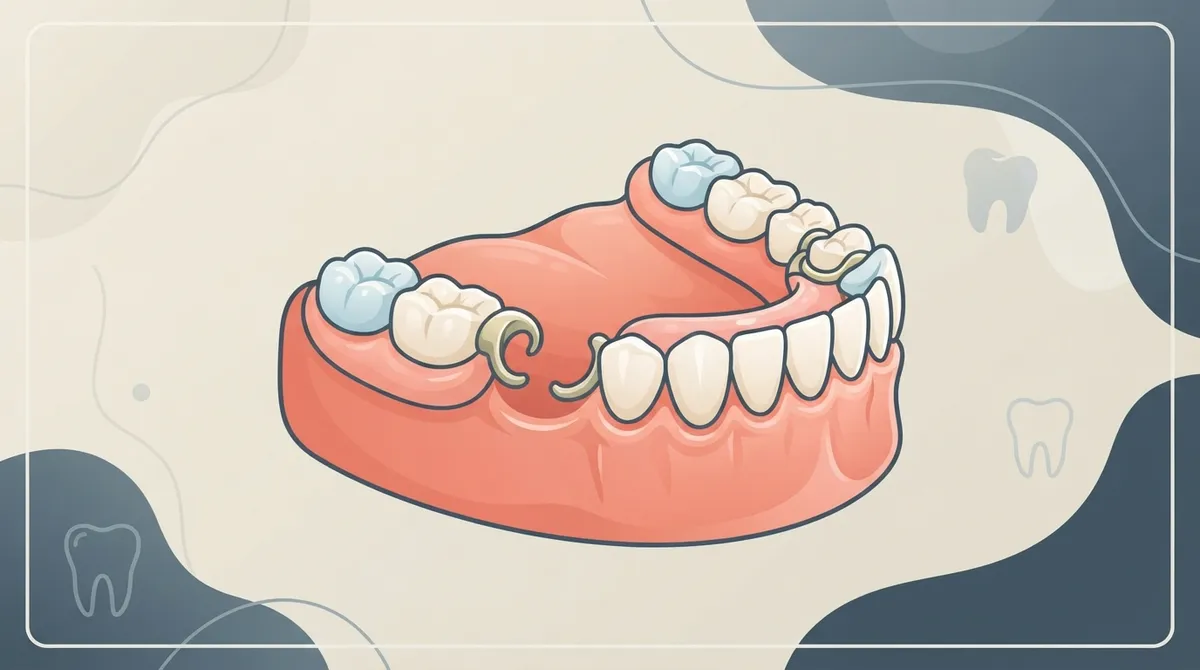
A partial denture is a removable dental appliance that fills the gaps left by one or more missing teeth. It is made for people who still have some healthy natural teeth. Think of it as a custom puzzle piece that fits your mouth and nothing else.
Most partials include replacement teeth attached to a gum-colored base. Many also use small clasps or connectors that hold the appliance steady against nearby teeth. When done well, a partial denture can restore your appearance and help with chewing and speech.
If you are looking at the bigger picture of tooth replacement, our dentures page explains how full and partial options differ.
Who Is a Good Candidate for a Partial Denture?
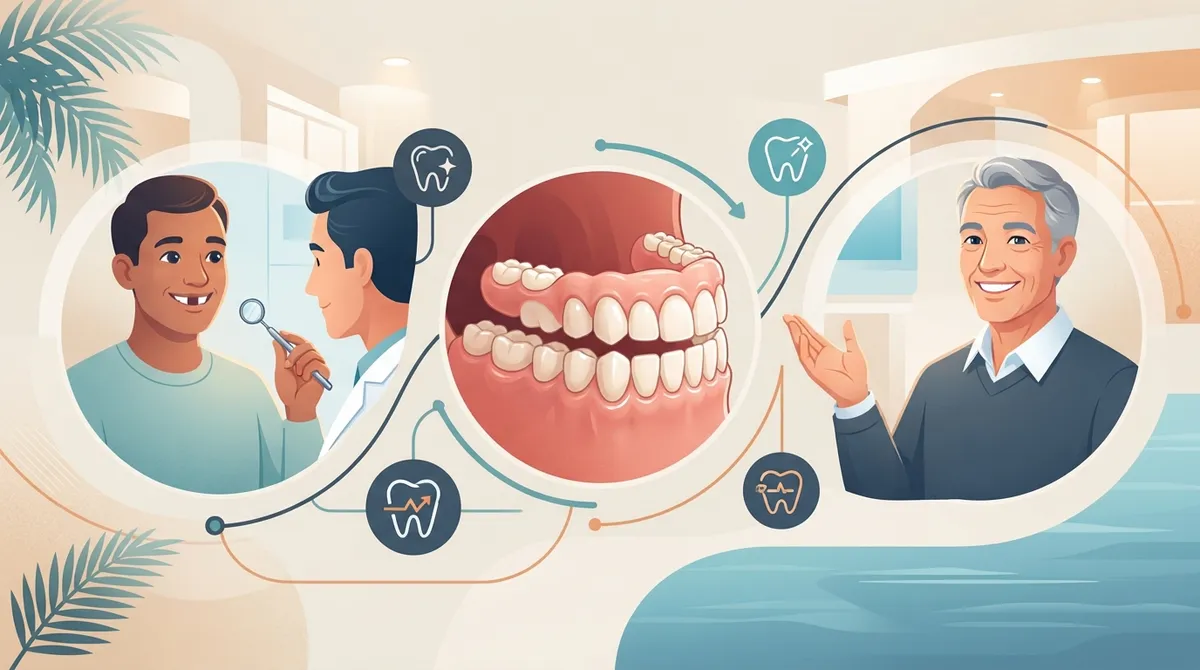
Partial dentures can be a great fit for many adults. You may be a good candidate if:
- You are missing one or several teeth, but not all of them.
- Your remaining teeth and gums are healthy enough to support an appliance.
- You want a removable option that is easy to clean and adjust.
- You are not ready for, or prefer to avoid, surgery.
For many affluent seniors and older adults, partials are a gentle, comfortable way to rebuild a smile without a long treatment plan. For busy families, they can be a practical answer when a parent or grandparent needs tooth replacement. Every mouth is different, so a hands-on exam is the only way to know for sure.
Types of Partial Dentures
There is more than one kind of partial denture. The right choice depends on how many teeth are missing, where they are, the health of your remaining teeth and gums, your comfort, your look, and your budget.
| Type | What It Is | Good To Know |
|---|---|---|
| Acrylic or interim partial | A lightweight acrylic base with replacement teeth | Often used as a temporary or starter option while the mouth heals or a long-term plan is made |
| Cast-metal framework partial | A thin metal framework with a gum-colored base and teeth | Known for strength and a snug fit; the metal framework can be slimmer than acrylic |
| Flexible-resin partial | A flexible, gum-toned material that bends slightly | Can feel comfortable and blend in; fit and design depend on your mouth |
Your dentist will explain which design makes sense for you and why. Do not be shy about asking questions. A good dental team wants you to feel informed.
Why a Thorough Exam Comes First
Before any appliance is made, your dentist should look closely at your remaining teeth, gums, and the tissues that will support the partial. This step matters more than most people realize.
For example, Florida Medicaid guidance on removable prosthetics notes that necessary restorative, periodontal, and endodontic treatment should be completed before the appliance is made. Coverage rules vary by plan, but the clinical idea is the same everywhere. A partial denture works best when your remaining teeth and gums are healthy.
That might mean treating a cavity with a filling, calming gum inflammation, or handling a tooth that needs a root canal. Taking care of these first helps your new partial fit well and last longer.
What the Process Looks Like
Partial dentures are custom-made, so they take a few visits. Here is a typical path, though your plan may vary:
- Exam and consultation. Your dentist reviews your health history, checks your teeth and gums, and talks through your goals.
- Pre-treatment, if needed. Any fillings, gum care, or other needed work is completed first.
- Impressions or scans. Detailed records of your mouth are taken so the lab can make a precise fit.
- Fitting appointments. You try in the appliance so the dentist can check comfort, bite, and appearance.
- Delivery and instructions. You receive your partial along with clear tips for wearing and cleaning it.
- Follow-up adjustments. Small tweaks are common and normal. They help the partial feel just right.
Your dentist should also tell you whether a temporary appliance makes sense while you wait for your permanent one. We cannot promise an exact timeline for every patient, because it depends on your needs and the lab. A good office will give you a clear schedule at your visit.
How Comfortable Are Partial Dentures?
Here is the honest answer. Most people need a short adjustment period. Your mouth is learning to live with a new appliance. You may notice that eating and speaking feel a little different at first.
A few easy habits can help:
- Start with soft foods and cut food into small pieces.
- Chew on both sides of your mouth to keep the partial steady.
- Read aloud at home to practice speaking clearly.
- Call your dentist if you notice sore spots. A quick adjustment often fixes them.
If you feel nervous about the process, you are not alone. Many patients feel dental anxiety, and that is completely okay. At Charming Smiles of Ocoee, Dr. Aliuska Lopez and our team focus on gentle, spa-like care so every visit feels calm and relaxed. You can learn more about us and how we care for patients of every age.
How to Care for Your Partial Denture
Good daily care keeps your partial fresh, comfortable, and working well. It also protects your natural teeth. Follow your dentist's exact instructions, and keep these basics in mind:
- Take the partial out to clean it, as your dentist directs.
- Clean your remaining natural teeth and gums every day.
- Handle the appliance gently over a soft towel or a sink of water in case it slips.
- Store it as your dentist recommends when you are not wearing it.
- Keep up with regular checkups so your dentist can check the fit and the health of the supporting teeth and gums.
Mouths change over time. Gums and bone can shift, and that can change how a partial feels. Your dentist may suggest relining or replacing it when that happens. Regular visits catch these changes early, which keeps things comfortable. Our guide to denture care mistakes is a helpful read for avoiding common slip-ups.
Partial Dentures vs. Bridges vs. Implants
Partial dentures are not the only way to replace missing teeth. Here is a quick comparison to help you talk with your dentist:
| Option | Removable? | Best For |
|---|---|---|
| Partial denture | Yes | Replacing several teeth, often without surgery |
| Dental bridge | No | Replacing a gap using neighboring teeth as anchors |
| Dental implant | No | A long-term, stand-alone replacement for a missing tooth |
No single option wins for everyone. A partial may suit one person, while a bridge or implant fits another better. To explore the fixed options, see our pages on dental implants and crowns & bridges. Your dentist can help you weigh comfort, appearance, health, and budget.
Understanding Costs and Insurance
Let's be upfront. We will not promise a specific price here, because costs depend on the appliance design, the materials, your clinical needs, laboratory fees, and your plan. Broad U.S. estimates for partial dentures range from roughly $300 to $2,500 or more depending on the type and location. That is a general range, not a Windermere quote, so please ask for a personal estimate.
Here is how to take the guesswork out of it:
- Ask for a written estimate after your exam.
- Have your office verify your dental insurance benefits.
- Ask which parts of the treatment are covered and which are not.
- Ask about payment options if you want to spread the cost over time.
At Charming Smiles of Ocoee, we work with many major dental plans and offer flexible ways to pay. Take a look at our insurance & financing options, our payment plans, and our dental savings plan. You can also check our current specials for new-patient offers.
Questions to Ask Any Dentist About Partial Dentures
Windermere-area practices advertise denture and partial-denture services, but offerings, locations, availability, and insurance participation can change. Always confirm the details directly with the office. Here are smart questions to bring to your visit:
- Which type of partial is right for my mouth, and why?
- Do my remaining teeth or gums need treatment first?
- Will I get a temporary appliance while I wait?
- How many visits should I expect, and what is the general timeline?
- What will it cost, and what will my insurance cover?
- How do I clean it, and what follow-up care is included?
A caring dental team will welcome these questions. They are the sign of a patient who wants the best outcome, and that is exactly the kind of patient we love to help.
Why Patients Choose Charming Smiles of Ocoee
Charming Smiles of Ocoee is a trusted general and cosmetic dental practice dedicated to healthy, confident smiles for patients of all ages. Dr. Aliuska Lopez is known as a "smile expert," and her gentle, precise approach helps patients feel at ease. Our office pairs modern dental technology with a relaxing, spa-like setting, with comforts like soothing music, blankets, and aromatherapy.
We are conveniently located at 315 West Rd, Ocoee, FL 34761, an easy drive for neighbors in and around Windermere. Curious what others say? Read reviews and visit us on Google — Charming Smiles of Ocoee. You can also follow our smiles on the Charming Smiles Facebook page and the Charming Smiles Instagram page.
Ready to Smile Again?
Replacing missing teeth does not have to feel overwhelming. A well-fitted partial denture can bring back your ability to eat, speak, and smile with confidence, and the first step is just a friendly conversation. Whether you are comparing partial dentures in Windermere, FL, or weighing other options, we are here to listen and guide you.
When you are ready, you can book online, find our location and hours, or call us at (407) 378-3704. Your best smile is closer than you think, and we would be honored to help you get there.
FAQs
Q: What types of partial dentures are available in Windermere, FL?
A: Common options include acrylic or interim partials, cast-metal framework partials, and flexible-resin designs. The best choice depends on how many teeth are missing, the health of your remaining teeth and gums, comfort, appearance, and budget. Your dentist can walk you through each one after an exam.
Q: How much do partial dentures cost in Windermere, Florida?
A: Costs vary based on the appliance design, materials, lab fees, and your clinical needs. Broad U.S. estimates run from about $300 to $2,500 or more, but that is not a verified local quote. Ask for a written estimate and a benefits check so you know your exact numbers.
Q: Does dental insurance cover partial dentures?
A: Coverage depends on your specific plan, so there is no one-size-fits-all answer. Florida Medicaid has its own removable-prosthetic rules, and private plans differ too. Your dental office can verify your benefits before treatment starts.
Q: Are partial dentures comfortable, and how long does it take to adjust?
A: Most people feel a little awkward at first and then settle in as their mouth gets used to the appliance. Soft foods, small bites, and practice speaking can help. If you notice sore spots, your dentist can make quick adjustments to improve the fit.
Q: How do I clean and care for a removable partial denture?
A: Take it out for cleaning as your dentist instructs, and keep brushing your natural teeth and gums every day. Handle it gently and store it the way your dentist recommends. Regular checkups help make sure it still fits well as your mouth changes.