8 Things to Know About Ocoee Dental Bridges Services
Discover 8 key things to know about Ocoee dental bridges services — from types and costs to care tips and how to choose the right provider.
Key Takeaways
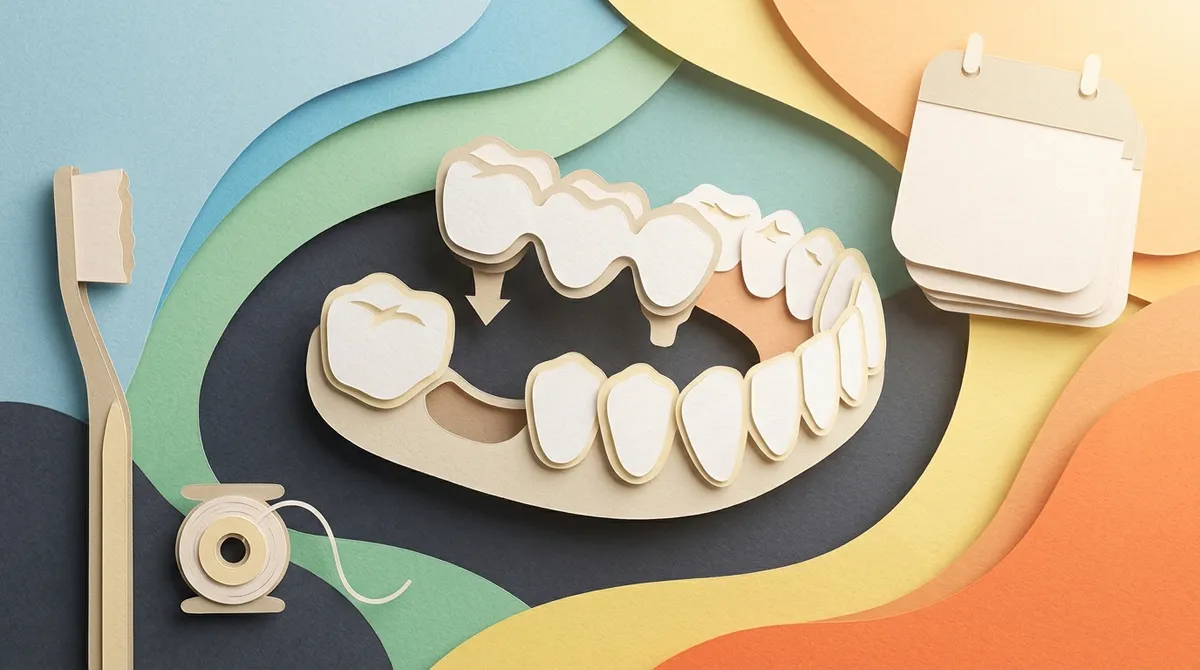
- Most traditional dental bridge cases are completed in just two visits: preparation with temporary bridge on the first visit, and permanent bridge fitting on the second visit.
- Dental bridges can last many years with proper care including twice-daily brushing, daily flossing with a floss threader, and six-month dental checkups.
- Dental bridges are frequently covered (at least partially) by insurance as a restorative procedure; check your plan's coverage details, annual maximums, and waiting periods.
- Four bridge types exist—traditional (most common), cantilever (single-tooth support), Maryland (conservative, less reshaping), and implant-supported (best for multiple missing teeth).
- Bridges restore chewing ability, improve speech, prevent tooth shifting, balance bite pressure, enhance smile appearance, and boost confidence compared to living with missing teeth.
- Choose a dentist with restorative dentistry experience, modern imaging technology, comfort-focused care, flexible scheduling, and personalized consultations to ensure optimal results.
Missing a tooth can feel like a big deal. It affects how you chew, how you speak, and how you smile. The good news? Dental bridges are one of the most trusted ways to fix the problem. If you're exploring Ocoee dental bridges services, you've come to the right place. This guide breaks down everything you need to know in plain, simple terms. Whether you're an adult who recently lost a tooth, a senior dealing with age-related tooth loss, or just curious about your options, this list has you covered. Let's walk through 8 key things that will help you feel confident and informed before your next dental visit.
1. What Is a Dental Bridge and How Does It Work?
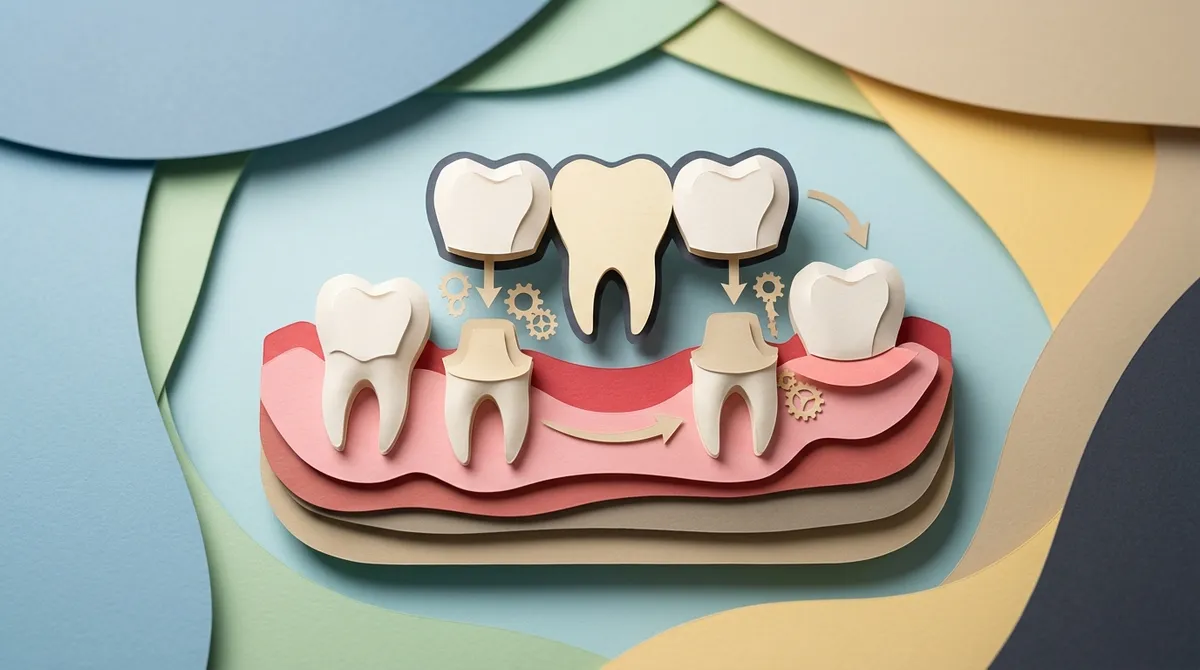
A dental bridge is a fixed tooth replacement. It fills the gap left by one or more missing teeth. Think of it like a literal bridge — it spans the empty space between two healthy teeth or implants.
The artificial tooth in the middle is called a pontic. It sits on top of the gum line. The teeth on either side (called abutment teeth) anchor the bridge in place. Once it's fitted, the bridge doesn't come in and out — it stays put, just like a natural tooth.
According to the American College of Prosthodontists, about 120 million Americans are missing at least one tooth. If you're one of them, a dental bridge could be the solution you've been looking for. You can learn more about your full range of options by exploring crowns & bridges services available in Ocoee.
2. The 4 Types of Dental Bridges You Should Know
Not all bridges are created equal. Your dentist will recommend a type based on your specific needs, the location of the missing tooth, and the health of your surrounding teeth.
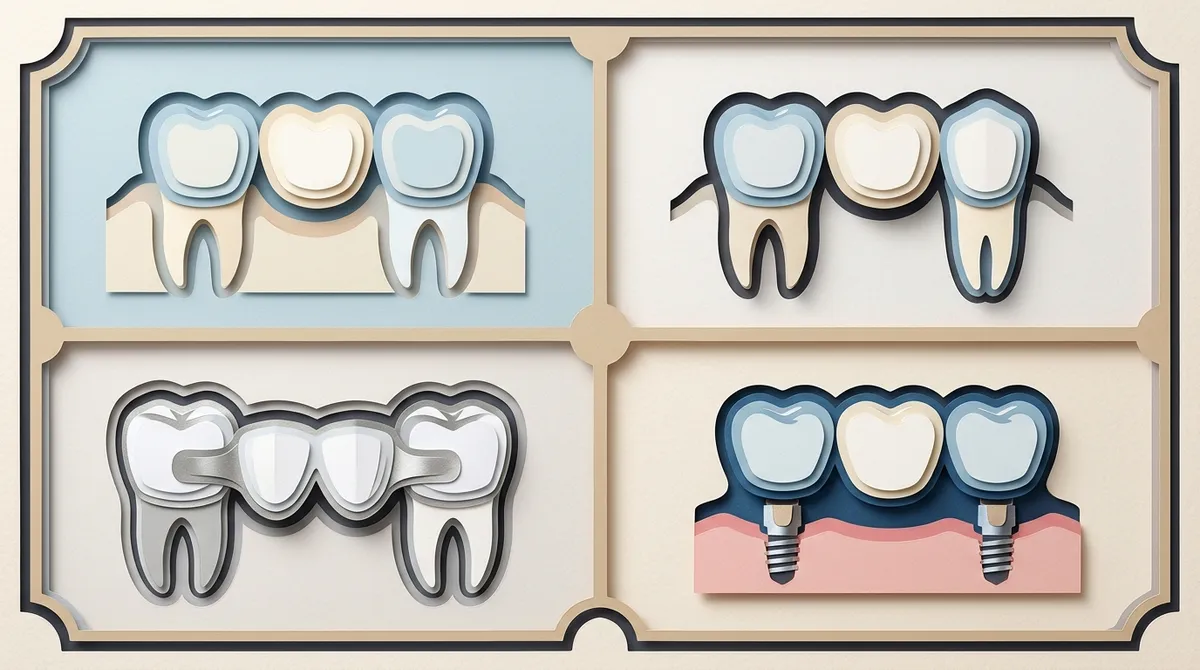
Here are the four most common types:
- Traditional Bridge: The most common type. It uses crowns on the teeth next to the gap. Those teeth are reshaped to support the bridge. This is a strong, reliable option for most patients.
- Cantilever Bridge: Used when there's only one healthy tooth next to the gap. It anchors to just one side. This works well in certain situations but isn't always the most durable option.
- Maryland Bridge: A more conservative choice. Instead of crowns, it uses a metal or porcelain framework bonded to the back of adjacent teeth. Less tooth reshaping is needed, but it may not be as strong as a traditional bridge.
- Implant-Supported Bridge: Anchored to dental implants rather than natural teeth. This is a great choice when multiple teeth are missing. It doesn't rely on neighboring teeth for support at all.
Curious about whether dental implants might work better for your situation? That's a great question to bring up at your consultation.
3. How the Dental Bridge Process Actually Works
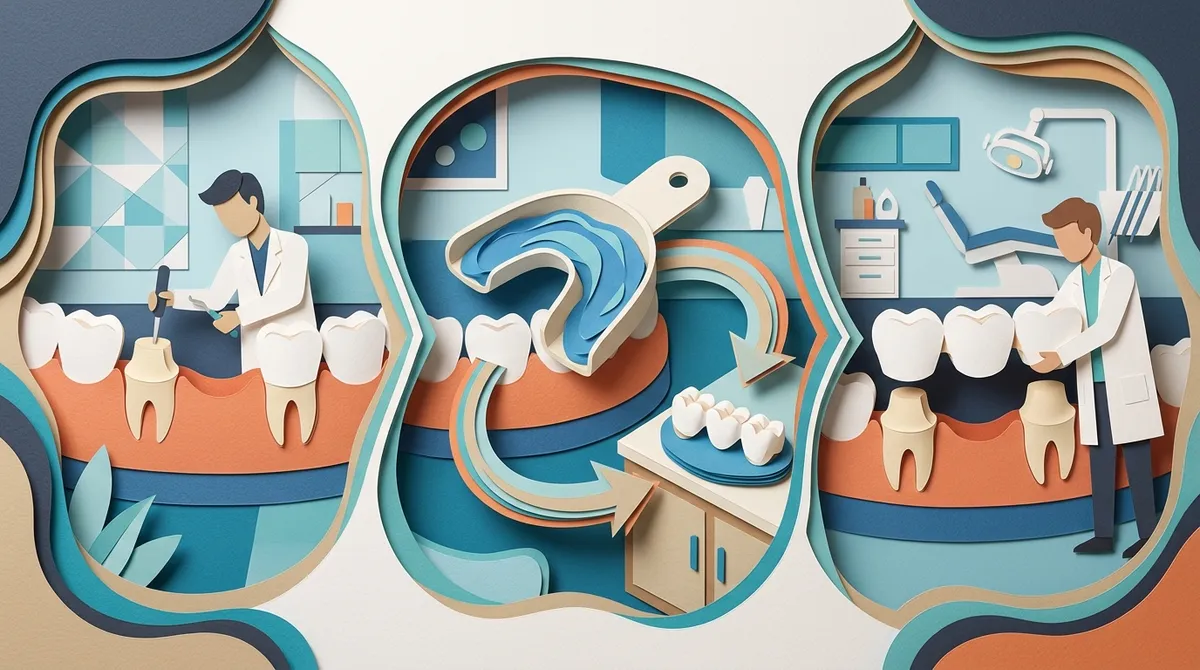
Many patients worry the process will be long or complicated. The great news is that most traditional dental bridge cases are completed in just two visits. Here's what typically happens:
- First Visit: Your dentist examines your mouth, takes X-rays, and prepares the abutment teeth. Impressions of your teeth are sent to a dental lab to create your custom bridge. A temporary bridge protects the area while you wait.
- Second Visit: Your permanent, custom-made bridge is fitted and bonded into place. Your dentist checks the fit and bite to make sure everything feels comfortable and natural.
It's really that straightforward. If you're nervous about dental visits, don't worry. Practices like Charming Smiles of Ocoee are designed to make the experience as relaxing and stress-free as possible. From soothing music to cozy blankets, comfort is a priority from the moment you walk in.

4. Benefits of Getting a Dental Bridge
Why bother with a bridge at all? Leaving a gap in your smile can cause more problems than you might think. A dental bridge offers real, meaningful benefits for your health and quality of life.
Here's what a bridge can do for you:
- Restore your ability to chew — eat the foods you love again without discomfort
- Improve your speech — missing teeth can affect pronunciation
- Prevent neighboring teeth from shifting — gaps invite teeth to drift out of alignment
- Support your bite — keeps pressure balanced across all your teeth
- Enhance the appearance of your smile — bridges are custom color-matched to blend naturally
- Boost your confidence — feel comfortable smiling, talking, and laughing again
The CDC has consistently identified tooth loss as a major oral health issue for American adults, especially older adults. A bridge is one of the best ways to address it before it leads to further problems. To explore more about how restorative care can support your overall smile, visit our guide on restorative dental procedures in Ocoee.
5. Dental Bridges vs. Dental Implants: What's the Difference?
This is one of the most common questions patients ask. Both bridges and implants replace missing teeth — but they work very differently.
Here's a quick breakdown of the key differences:
- Dental Bridge: Non-surgical, typically faster to place, generally more affordable upfront, relies on adjacent teeth or implants for support
- Dental Implant: Surgical procedure, longer timeline, may have higher upfront cost, stands completely on its own without touching adjacent teeth
- Best for bridges: Patients with healthy neighboring teeth, those who prefer a non-surgical option, or those needing a quicker solution
- Best for implants: Patients with good bone density, those replacing multiple teeth, or those wanting the most long-term standalone option
Neither option is universally better — it depends entirely on your personal situation. A consultation with a trusted dentist is the best way to figure out which path is right for you. You can also check out this resource on 5 dental implant mistakes that could cost you thousands before making a decision.
6. Caring for Your Dental Bridge After Treatment
Once your bridge is in place, a little daily care goes a long way. With proper maintenance, a well-placed bridge can last for many years.
Here are some simple care tips to follow:
- Brush twice a day using a soft-bristled toothbrush
- Floss daily — use a floss threader or water flosser to clean under the bridge
- Avoid chewing on hard items like ice or hard candy
- Schedule a dental cleaning and checkup every six months
- Let your dentist know right away if the bridge feels loose or uncomfortable
Regular maintenance visits are key. Most dental practices in Ocoee recommend checkups every six months to keep the bridge and surrounding teeth in great shape. Staying on top of your dental hygiene in Ocoee is one of the easiest ways to protect your investment.
7. Understanding Cost and Insurance for Dental Bridges in Ocoee
Cost is often one of the first things people think about. The price of a dental bridge in Ocoee varies based on several factors — including the type of bridge, number of teeth involved, and your specific dental needs.
The good news is that dental bridges are frequently covered (at least partially) by dental insurance, since they're considered a restorative procedure. Here's what to keep in mind:
- Check your plan's coverage for major restorative work
- Ask about annual maximums and waiting periods
- Explore flexible financing options if needed (like CareCredit or Sunbit)
- Look into in-house dental savings plans if you don't have insurance
Charming Smiles of Ocoee accepts many major dental insurance plans and offers insurance & financing options to help make treatment accessible. You can also check out the dental savings plan if you're currently uninsured. And don't forget to peek at any current specials that might help reduce costs even further. For more detailed guidance, read our article on dental care financing in Ocoee.
8. How to Find the Right Ocoee Dental Bridges Provider
Choosing the right dentist for your bridge is just as important as the procedure itself. Here's what to look for when evaluating your options for Ocoee dental bridges services:
- Experience and credentials: Look for a dentist with proven experience in restorative dentistry and strong patient reviews.
- Technology: Modern dental offices use advanced imaging tools for precise fitting. This leads to better results and greater comfort.
- Comfort-focused care: Especially important if you have dental anxiety. A practice that prioritizes your comfort makes a huge difference.
- Flexible scheduling and financing: Life is busy. Choose a practice that works with your schedule and your budget.
- Personalized consultations: A good dentist will walk you through all your options before recommending a treatment plan.
At Charming Smiles of Ocoee, Dr. Aliuska Lopez leads a compassionate team that takes the time to understand your unique dental needs. Known for her gentle approach, Dr. Lopez helps patients feel informed and at ease throughout every step of the process. The practice is conveniently located near Publix in Ocoee at 315 West Rd, making it easy to get the care you need close to home. Visit us on Google — Charming Smiles of Ocoee to read patient reviews and see what people are saying.
Want to stay connected and see real patient smile transformations? Follow the Charming Smiles Facebook page and check out the Charming Smiles Instagram page for the latest updates and smile inspiration.
Ready to Restore Your Smile With a Dental Bridge?
Tooth loss doesn't have to be permanent. With the right care and the right team, you can get back to smiling, chewing, and living life to the fullest. Whether you're a busy parent, an active senior, or anyone in between, Ocoee dental bridges services offer a proven, comfortable path to a complete smile.
From understanding bridge types to knowing how to care for your restoration, you're now armed with the knowledge to take the next step. Explore the full range of dental services available at Charming Smiles of Ocoee, or dive deeper into topics like cosmetic dentistry, dentures, and general dentistry to learn about all your options. You can also book online at your convenience, or simply call us at (407) 378-3704 to schedule your consultation today. Your best smile is closer than you think!
FAQs
Q: What is a dental bridge and how does it work?
A: A dental bridge is a fixed restoration that fills the gap left by one or more missing teeth. It uses an artificial tooth (called a pontic) anchored to the neighboring teeth or implants — so it stays in place just like a natural tooth. It's a great way to restore your smile and your confidence!
Q: How long does it take to get a dental bridge in Ocoee?
A: Most traditional dental bridge cases are completed in just two visits. During the first visit, your dentist preps the teeth and takes impressions. At the second visit, your custom bridge is fitted and placed. It's a pretty smooth process overall!
Q: Does dental insurance cover dental bridges in Ocoee, FL?
A: Many dental insurance plans cover dental bridges (at least partially) since they're classified as restorative treatment. It's always a good idea to check your plan's details, including any waiting periods or annual maximums. If you're unsure, our friendly team at Charming Smiles of Ocoee is happy to help you sort it out!
Q: How do I care for my dental bridge after treatment?
A: Caring for your bridge is pretty simple! Brush twice daily, floss under the bridge using a floss threader or water flosser, and visit your dentist every six months for cleanings and checkups. With good care, your bridge can last for many years.
Q: Are dental bridges better than implants for replacing missing teeth?
A: It really depends on your individual situation! Bridges are typically non-surgical, quicker, and more affordable upfront, while implants stand independently without affecting neighboring teeth. A consultation with Dr. Aliuska Lopez at Charming Smiles of Ocoee can help you figure out which option is the best fit for your smile and lifestyle.