Manual Brushing vs. Water Flossers: Best Implant Care?
Discover the best way to clean dental implants with expert tips on brushing, flossing, and water flossers from Ocoee's trusted dental team.
Key Takeaways
- Peri-implantitis, an infection of gum tissue and bone around implants, is the leading cause of implant failure but is almost always preventable with proper daily care and regular professional cleanings every six months.
- Use a soft-bristled toothbrush with non-abrasive toothpaste, angled at 45 degrees to the gumline with gentle circular motions twice daily, combined with daily flossing using implant-specific threaders for optimal plaque removal.
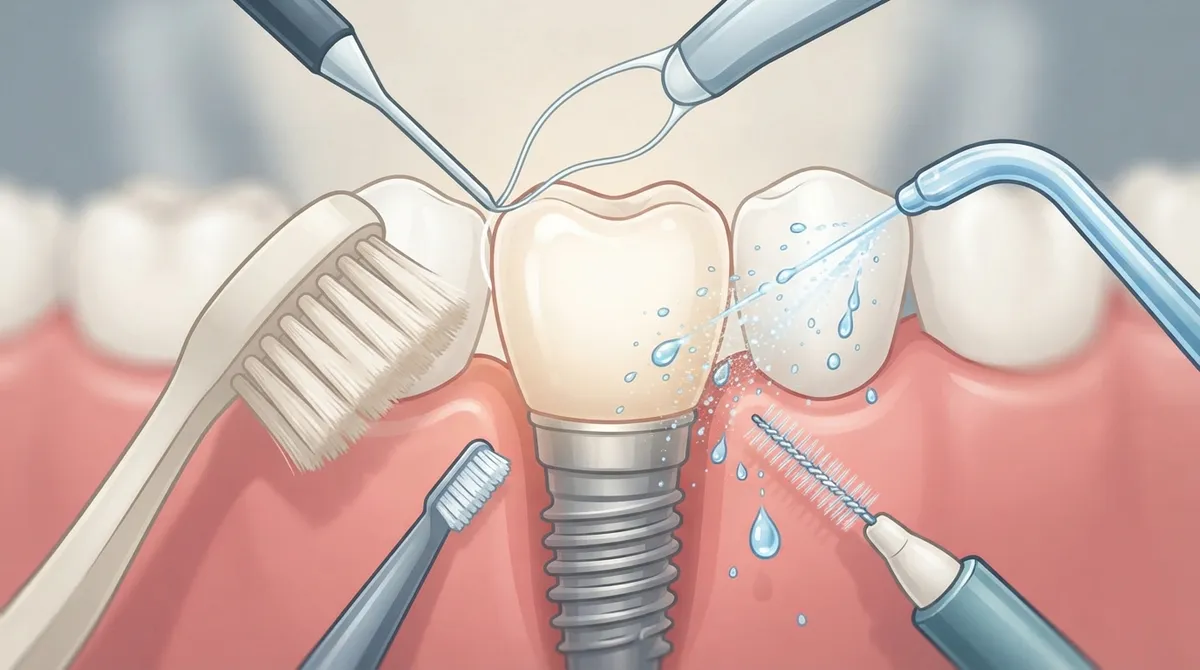
- Combine manual brushing, string floss or floss threaders, water flossers on low-to-medium pressure twice daily, and interdental brushes once daily—together these tools remove plaque from all areas that single methods cannot reach.
- Water flossers are safe and effective for implants when started on low pressure settings; they excel at flushing debris from hard-to-reach areas but should complement, not replace, traditional brushing and flossing.
- Avoid hard-bristled toothbrushes, abrasive whitening toothpastes, chewing hard objects like ice or pens, and skipping professional checkups, as these mistakes can damage crowns and lead to peri-implantitis.
- The complete daily implant care routine takes less than five minutes total and includes twice-daily brushing, daily flossing, twice-daily water flossing, and once-daily interdental brushing to prevent bone loss and implant failure.
If you just got a dental implant, congratulations! You made a smart choice for your smile. But here's the thing your dentist wants you to know: implants need care too. Learning how to clean implants the right way is the secret to making them last a lifetime. Just like your natural teeth, implants can collect plaque and bacteria. Without the right care, this can lead to a painful condition called peri-implantitis.
So which cleaning method wins: good old-fashioned manual brushing and flossing, or modern water flossers? The truth is, you need both working together as a team. Think of it like this: your toothbrush is your daily workhorse, and your water flosser is your specialized helper for those hard-to-reach spots. At Charming Smiles of Ocoee, we help patients throughout Ocoee protect their investment every single day. Let's break down exactly how to clean implants so your smile stays healthy and bright for years to come.
Why Cleaning Dental Implants Matters So Much
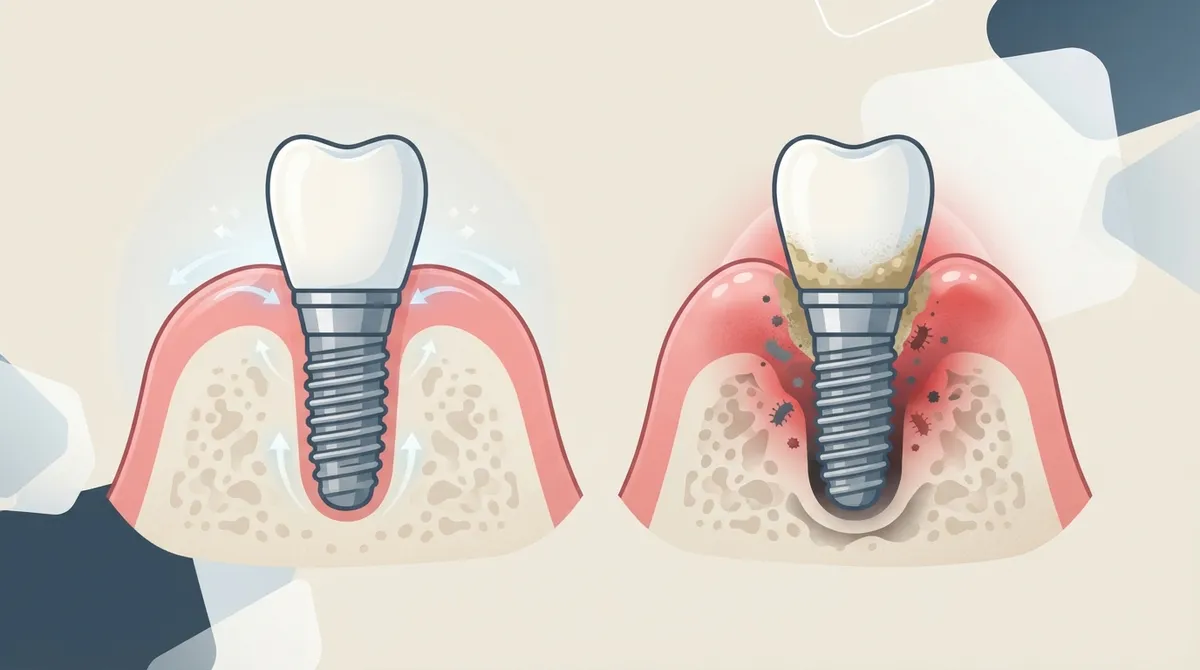
Dental implants don't get cavities like natural teeth do. But the gum tissue and bone around your implant can still get infected. This infection is called peri-implantitis, and it's the number one reason implants fail. The good news? It's almost always preventable with good daily care.
Think of your implant like a fence post in your yard. The post itself (the implant) is strong and won't rot. But the soil around it (your gums and bone) needs proper care to stay healthy. If bacteria build up around that post, the ground underneath starts to weaken. That's exactly what happens with implants when plaque isn't removed regularly.
The Real Cost of Skipping Implant Care
Nobody wants to think about implant failure, especially after investing in dental implants to restore their smile. But skipping daily cleaning can lead to:
- Gum inflammation and bleeding around the implant site
- Bone loss that can loosen the implant over time
- Bad breath that won't go away with mints or mouthwash
- Costly repairs or even full implant replacement
- Extra dental visits to treat preventable problems
The best part is that keeping your implant healthy doesn't take much extra time. A few smart habits make all the difference.
Manual Cleaning: The Foundation of Implant Care
Brushing and flossing form the backbone of any good implant care routine. This is where you start every single day, and it's non-negotiable for keeping your smile healthy.
Choosing the Right Toothbrush and Toothpaste
Not all toothbrushes are created equal when it comes to implant care. Here's what you need:
- A soft-bristled manual or electric toothbrush to avoid scratching the implant crown
- Non-abrasive toothpaste made for sensitive teeth or implant surfaces
- A brush head small enough to reach around the implant comfortably
- Fresh bristles every three months, since worn bristles clean less effectively
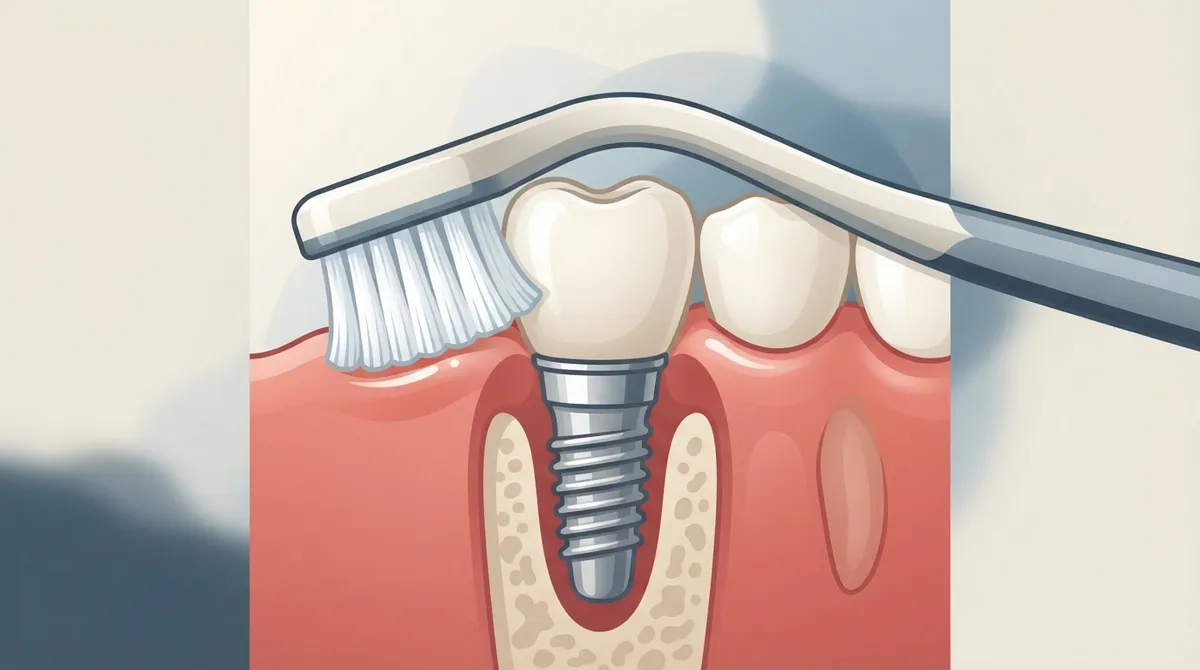
When you brush, angle the bristles at 45 degrees toward your gumline. Use gentle, circular motions instead of harsh back-and-forth scrubbing. This protects both the implant surface and your gum tissue.
Flossing Around Your Implant
Regular string floss works, but implant-specific floss threaders often do a better job. Here's the step-by-step method our team recommends:
- Take a piece of unwaxed floss or an implant floss threader
- Wrap the floss around the implant crown in a "C-shape"
- Gently slide the floss below the gumline without forcing it
- Move the floss up and down a few times to remove debris
- Repeat on the other side of the implant before moving to the next tooth
Do this once a day, ideally before bed. It only takes an extra minute or two, but it makes a huge difference in preventing gum problems.
Water Flossers: The Modern Helper
Water flossers, like the popular Waterpik brand, have become a favorite tool for implant patients. They use a gentle stream of water to flush away food particles and plaque from areas that string floss might miss.
How to Use a Water Flosser Correctly
Getting started with a water flosser is easy, but a few tips will help you get the best results:
- Start on the lowest pressure setting, especially if your gums are still healing
- Gradually increase pressure as your gums get stronger and more comfortable
- Aim the tip at a 90-degree angle to the gumline for implants
- Use it twice daily, just like you would with brushing
- Focus extra time on the implant site and any nearby crowns or bridges
Many patients tell us the water flosser feels almost like a mini spa treatment for their mouth. It's soothing, effective, and takes less than a minute to use on problem areas.
Manual vs. Water Flosser: Which One Actually Wins?
Here's the honest answer: this isn't really a competition. Both methods work best as partners, not rivals. Let's compare them side by side so you can see how each one contributes to your implant health.
| Cleaning Method | Best For | Frequency | Limitations |
|---|---|---|---|
| Soft-Bristled Toothbrush | Removing surface plaque, daily maintenance | Twice daily, 2 minutes each time | Can't reach deep below gumline |
| Floss or Floss Threaders | Cleaning tight spaces between implant and teeth | Once daily | Can be tricky for beginners |
| Water Flosser | Flushing debris from hard-to-reach areas | Twice daily | Should not fully replace brushing |
| Interdental Brush | Cleaning between implants and neighboring teeth | Once daily or more | Sizes vary; needs proper fit |
As you can see, each tool has its own job. The winning strategy combines all of them into one simple daily routine.
Interdental Brushes: The Secret Weapon
If you have multiple implants or a bridge, interdental brushes (sometimes called proxy brushes) are worth adding to your routine. These tiny brushes look like little pipe cleaners with bristles on one end.
Here's how to use them properly:
- Choose the right size brush for the gap between your implant and neighboring teeth
- Gently insert the brush between the implant and tooth
- Move it back and forth a few times to loosen plaque
- Rinse the brush and repeat at each implant site
- Use once daily, ideally at night before bed
Your hygienist at Charming Smiles of Ocoee can show you exactly which size works best for your smile during your next visit.
Building Your Complete Daily Routine
Now let's put it all together. Here's a simple routine that combines everything we've covered:
- Brush twice daily for two full minutes using a soft-bristled brush and non-abrasive toothpaste
- Floss once daily using unwaxed floss or an implant threader
- Use a water flosser twice daily on a low-to-medium pressure setting
- Clean between implants with an interdental brush once daily
- Rinse with an alcohol-free antimicrobial mouthwash after meals
- Avoid hard foods like ice, hard candy, and popcorn kernels that can damage the crown
- Schedule professional cleanings every six months
This might sound like a lot at first, but it quickly becomes second nature. Most patients tell us the whole routine adds less than five minutes to their day.
What to Avoid When Cleaning Implants
Just as important as knowing what to do is knowing what not to do. Avoid these common mistakes:
- Using hard-bristled toothbrushes that can scratch the implant surface
- Skipping flossing because "implants can't get cavities"
- Chewing on ice, pens, or fingernails, which can crack the crown
- Ignoring bleeding or swelling around the implant site
- Waiting too long between professional dental checkups
If you notice any redness, swelling, or discomfort around your implant, don't wait. Give our team a call at (407) 378-3704 right away so we can check things out before a small issue becomes a big problem.
Why Professional Cleanings Still Matter
Even with a perfect home routine, professional cleanings are essential. Your dentist and hygienist have special tools to remove hardened plaque, called calculus, that toothbrushes and floss can't touch.
During your six-month checkup, our team will:
- Check the stability and health of your implant
- Remove any calculus buildup around the implant site
- Take X-rays if needed to monitor the bone around your implant
- Give you personalized tips based on how your gums are healing
- Catch early signs of peri-implantitis before they become serious
Many of our patients love how relaxing their visits feel here at Charming Smiles of Ocoee. Our spa-like environment includes soothing music and comfort amenities designed to ease any dental anxiety. You can explore our general dentistry services to see everything we offer for long-term oral health.
Special Tips for Different Situations
If You're New to Implants
Fresh implants need extra gentle care while your gums heal. Stick to lower pressure settings on your water flosser and avoid aggressive brushing for the first few weeks. If you're considering implants and want to learn more, check out our dental implants page for details on the process.
If You Have Multiple Implants or a Full Arch
Patients with several implants or full-mouth restorations need a slightly more thorough routine. Interdental brushes become even more important here since there are more gaps to clean.
If You're a Busy Parent or Professional
We get it, life is hectic! The good news is this whole routine can be done in under ten minutes total per day. Many patients combine their water flosser use with their morning and evening routine so it never feels like extra work.
Trust Ocoee's Smile Experts
Dr. Aliuska Lopez and our team at Charming Smiles of Ocoee have helped countless patients throughout Ocoee protect their smiles for the long haul. We believe that education is just as important as treatment. That's why we take time during every appointment to walk you through proper implant care, answer your questions, and make sure you feel confident maintaining your smile at home.
We're proud of our reputation in the community, and you can visit us on Google to see what our Charming Smiles of Ocoee patients are saying. We also share tips, patient stories, and smile transformations on our Charming Smiles Facebook page and Charming Smiles Instagram page.
According to the American Dental Association, proper daily hygiene combined with regular professional visits is the single best way to protect your implant investment. That's exactly the approach we take with every patient who walks through our doors.
Frequently Asked Questions About Cleaning Implants
We'll cover common questions below in our FAQ section to help you feel even more confident about your implant care routine.
Ready to Protect Your Smile Investment?
Learning how to clean implants properly is one of the best gifts you can give your smile. With the right combination of brushing, flossing, water flossing, and professional care, your implant can last for decades to come.
If it's time for your next checkup or you have questions about implant care, we would love to help. You can easily book online at a time that works for you. Or if you'd rather speak with our friendly front desk team, feel free to reach out and call us at (407) 378-3704 today. Our convenient location near Publix in Ocoee makes it easy to fit a visit into your busy schedule. We can't wait to help you keep your smile healthy, comfortable, and confident for years to come.
FAQs
Q: What is the best toothbrush for cleaning dental implants?
A: A soft-bristled manual or electric toothbrush works best for implants. It gently removes plaque without scratching the implant surface. Pair it with non-abrasive toothpaste made for sensitive teeth for the best results.
Q: Can I use regular toothpaste on dental implants?
A: It's best to avoid whitening or heavily abrasive toothpastes on implants since they can scratch the crown surface. Instead, choose a gentle, non-abrasive toothpaste designed for sensitive teeth or implant care. Your hygienist at Charming Smiles of Ocoee can recommend a great option for you.
Q: Are water flossers safe for dental implants?
A: Yes, water flossers are very safe and actually great for implant care! Just start on a low-pressure setting, especially if your gums are still healing. Most patients love how refreshing and thorough they feel.
Q: What is peri-implantitis and how can I prevent it?
A: Peri-implantitis is an infection of the gum and bone around an implant, kind of like gum disease for implants. You can prevent it with daily brushing, flossing, water flossing, and regular checkups every six months. Catching early signs quickly makes all the difference.
Q: How often should I visit the dentist after getting an implant?
A: We recommend professional cleanings and checkups every six months, just like with natural teeth. Some patients may need more frequent visits during the healing period. Our team will create a schedule that fits your specific needs.
Our Service Area
iframe src="https://maps.google.com/maps?q=Ocoee%2C%20FL&z=11&output=embed" width="100%" height="450" style="border:0;" loading="lazy" referrerpolicy="no-referrer-when-downgrade" title="Our Service Area">/iframe>