Is a Dental Crown Procedure Painful? Here's the Truth
Wondering if a dental crown procedure hurts? Learn what to expect, how long soreness lasts, and when to call your dentist.
Key Takeaways
- Local anesthetic numbs the tooth before the procedure, so you feel pressure and vibration rather than sharp pain during the crown placement process.
- Most soreness and sensitivity fade within a few days to two weeks after the procedure, and patients typically resume normal activities immediately afterward.
- Mild gum tenderness, hot/cold sensitivity, and bite awkwardness are normal post-procedure symptoms that don't require concern if they resolve within expected timeframes.
- Contact your dentist immediately if you experience worsening pain, sharp bite discomfort, throbbing pain at night, or swelling, as these may indicate bite adjustment or decay issues.
- Preparation like eating beforehand, discussing anxiety with your dentist, and asking questions about each step can significantly reduce nervous feelings about the appointment.
- Temporary crown care requires avoiding sticky and hard foods while chewing on the opposite side, protecting the tooth until the permanent crown is placed.
If you're sitting here wondering, "is crown procedure painful," take a deep breath. You're not alone in feeling nervous. So many of our patients at Charming Smiles of Ocoee ask this exact question before their appointment. The good news? A dental crown procedure is almost never painful. Most people feel pressure or a little vibration, not sharp pain. That's because your dentist uses numbing medicine before touching your tooth.
Think of it like getting a filling. You already know that process is pretty comfortable, right? A crown is similar, just a bit more involved. In this guide, we'll walk through exactly what happens, what you might feel, and how long any soreness lasts. We'll also share real facts from trusted dental sources so you know what to expect. By the end, you'll feel much more relaxed about your upcoming visit.
What Happens During a Dental Crown Procedure
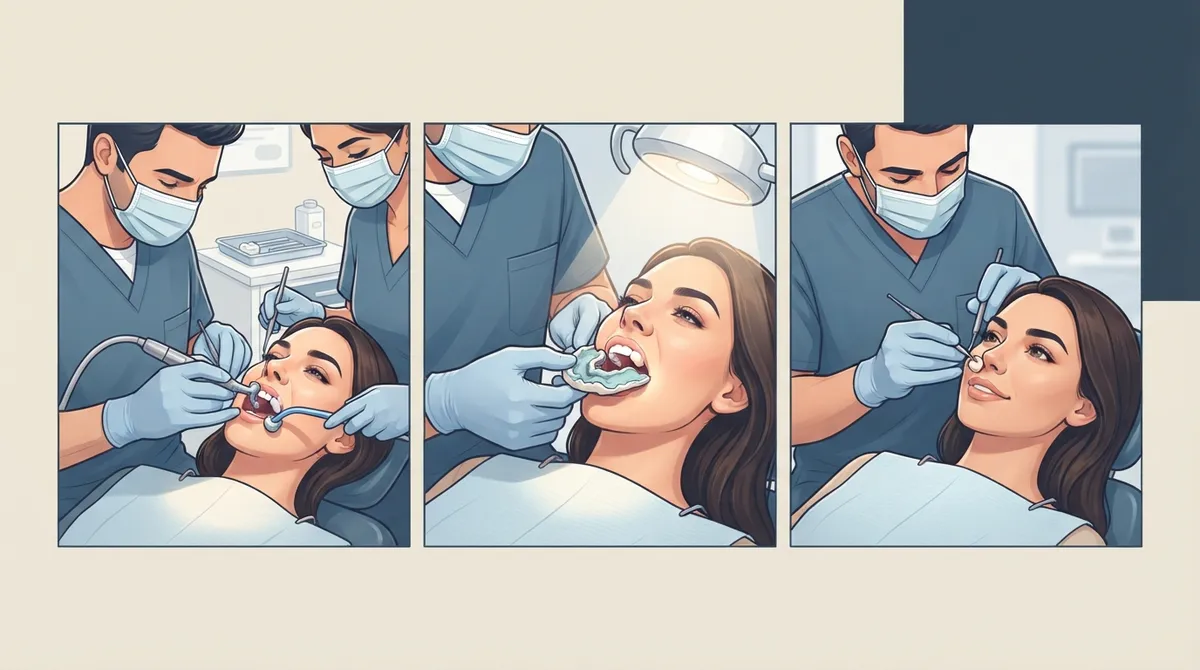
A dental crown covers a damaged or weak tooth. It works like a protective cap. Dentists use crowns to fix cracked teeth, cover large fillings, or protect a tooth after a root canal. Getting one usually takes two visits, though some offices offer same-day crowns too.
Here's the basic process, step by step:
- Numbing the area. Your dentist applies local anesthetic to the tooth and gum around it. This is the same numbing used for fillings.
- Reshaping the tooth. The dentist gently files down part of your tooth. This makes room for the crown to fit properly.
- Taking impressions. A mold or digital scan captures the shape of your tooth. This helps create a crown that fits just right.
- Placing a temporary crown. While your permanent crown is made, you wear a temporary one to protect the tooth.
- Fitting the permanent crown. At your next visit, the dentist removes the temporary crown and cements the permanent one in place.
Throughout all of this, you shouldn't feel sharp pain. You might feel some pushing or pressure. That's totally normal and expected.
Is Crown Procedure Painful? What the Research Says
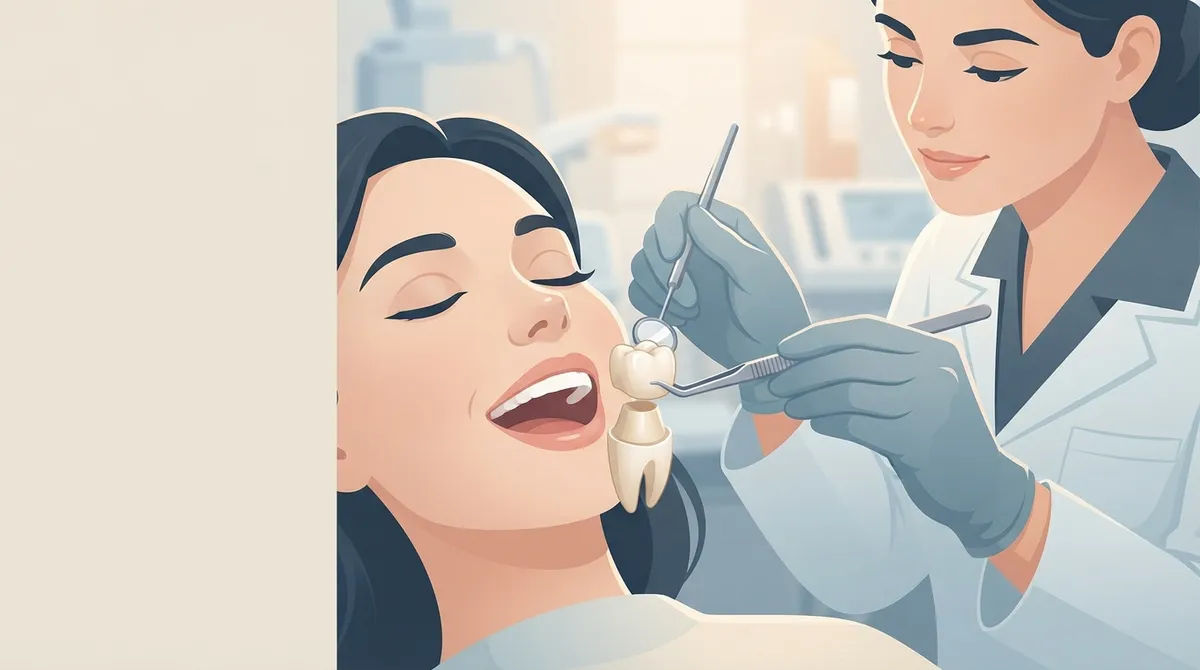
Let's get straight to the point. For most adults getting a routine crown, the answer is no, it's not painful. Local anesthetic blocks the nerve signals in that area. So during the actual procedure, you're numb and comfortable.
According to the Cleveland Clinic, sensitivity after crown placement is common but usually mild. It often fades within a couple of weeks. Most people go back to work, school, or their normal routine right after their appointment. The main thing to watch for is numbness. Your cheek or tongue might feel weird for a few hours, so be careful not to bite them by accident.
It's worth noting that some studies focus on children getting crowns on baby teeth, which is a different situation. One 2024 study found about 44.8% of kids reported some pain after getting stainless-steel crowns on primary molars. But this doesn't apply to adults getting standard permanent crowns. A separate 2025 study on children found that 94.5% reported no pain at all after six months, showing that even in more complex cases, most patients do just fine.
What You Might Actually Feel
Knowing what sensations are normal can ease a lot of worry. Here's what patients typically experience:
- Pressure or pushing. When your dentist shapes the tooth, you'll feel firm pressure, not pain.
- Vibration. The tools used to reshape teeth create a buzzing feeling. It's odd but not painful.
- Mild gum soreness. Your gums might feel tender for a day or two after the visit.
- Sensitivity to hot and cold. This is very common and usually goes away within a couple of weeks.
- Slight bite awkwardness. Your new crown might feel a little different at first as your mouth adjusts.
If you feel any actual pain during the procedure itself, speak up right away. Your dentist can give you more numbing medicine. There's no reason to tough it out. Comfort is always the goal, especially at a crowns and bridges specialist like ours.
After Your Crown: What's Normal and What's Not
Once the numbness wears off, you might notice some tenderness. This is your body's normal response to the procedure. Here's a simple breakdown of what to expect during recovery.
| Symptom | How Long It Lasts | What To Do |
|---|---|---|
| Gum soreness | A few days | Rinse with warm salt water, avoid hard foods |
| Hot and cold sensitivity | Up to two weeks | Use sensitivity toothpaste, avoid extreme temperatures |
| Slight bite discomfort | A few days | Chew on the other side, call if it doesn't improve |
| Temporary crown tenderness | Until permanent crown is placed | Avoid sticky or hard foods, chew carefully |
| Numbness after appointment | A few hours | Avoid hot drinks and be careful not to bite your cheek |
Most soreness fades within a week. If you're dealing with a temporary crown, try to avoid sticky candy, gum, or crunchy foods. Chewing on the opposite side can help too. This gives your tooth time to settle down before the permanent crown goes on.
When Pain Means Something More
Mild discomfort is expected. But some signs mean you should call your dentist right away. Don't wait these out.
- Pain that gets worse instead of better over time
- Sharp pain when you bite down, which could mean your crown sits too high
- Throbbing pain, especially at night
- Swelling around the gum or face
- A crown that feels loose or has fallen off
- Sensitivity that doesn't improve after two weeks
These symptoms could point to a bite that needs adjusting, decay hiding under the crown, or even nerve trouble that might require a root canal. Our team offers emergency dentistry for patients dealing with sudden or severe pain, so you're never stuck waiting in discomfort.
Why Some People Feel More Nervous Than Others
Dental anxiety is real, and it's more common than you think. Maybe a past experience left you feeling wary. Maybe you just don't like the sounds or smells of a dental office. Whatever the reason, your feelings are valid, and we take them seriously.
At Charming Smiles of Ocoee, we've built our whole practice around comfort. Dr. Aliuska Lopez, our smile expert, focuses on gentle, modern techniques that reduce stress for every patient. We offer a spa-like setting with soothing extras designed to help you relax. Many nervous patients tell us they were shocked at how easy their crown appointment turned out to be.
If dental fear has kept you away from the chair, we understand. Our team works patiently with you, explaining each step before it happens. You'll never feel rushed or unheard here in Ocoee.
Tips to Make Your Crown Appointment Easier
A little preparation goes a long way toward a smooth, comfortable visit. Try these simple steps before your appointment:
- Eat a good meal beforehand, since part of your mouth will be numb afterward.
- Tell your dentist about any anxiety you feel, so they can adjust their approach.
- Ask questions about the process ahead of time to ease uncertainty.
- Bring headphones if music helps you relax.
- Plan to take it easy for the rest of the day, especially after a longer appointment.
Being prepared helps you feel more in control. And feeling in control makes almost everything less scary.
Caring for Your Crown Long-Term
Once your crown settles in, taking care of it is simple. Brush and floss like normal, though you might want a soft-bristled brush at first. Avoid biting down on very hard foods like ice or hard candy, since this can crack or loosen a crown over time.
Regular checkups matter too. Our team can spot small issues before they turn into big problems. This is part of our general dentistry approach, keeping your whole mouth healthy, not just the tooth with the crown.
If you're curious about other tooth replacement or restoration options, we also offer dental implants and dentures for more advanced needs. And if your smile needs a little extra sparkle after your crown work, ask us about teeth whitening services or veneers too.
Why Ocoee Families Trust Us for Crown Procedures
Choosing the right dental team makes a real difference in how comfortable your experience feels. At Charming Smiles of Ocoee, we combine gentle care with modern tools to make crown procedures as smooth as possible. Our office sits conveniently near Publix here in Ocoee, making it easy to fit your visit into a busy day.
Don't just take our word for it. Feel free to visit us on Google — Charming Smiles of Ocoee and see what our neighbors are saying about their own visits. We're proud of our reputation for gentle, patient-focused care. You can also check out our Charming Smiles Facebook page or follow along on our Charming Smiles Instagram page for real patient stories and smile transformations.
We also make it easy to plan for treatment financially. Check out our insurance and financing options or ask about our dental savings plan if you don't have insurance. Flexible payment plans mean cost never has to stand between you and a healthy smile. And be sure to check our current specials for savings on cosmetic and restorative treatments too.
Ready to Feel Confident About Your Crown?
Now that you know the truth about crown procedures, you can walk into your appointment feeling calm and prepared. Remember, most people feel pressure, not pain. And any soreness afterward is short-lived and manageable.
If you're ready to schedule your visit or have more questions, our friendly team is here to help. You can call us at (407) 378-3704 to speak with someone right away, or you can also book online whenever it's convenient for you. Learn more about our location and hours so you can plan your visit around your busy Ocoee schedule. We can't wait to help you smile with confidence again.
FAQs
Q: Does getting a dental crown hurt during the procedure?
A: Nope, it shouldn't! Your dentist numbs the tooth and gum first, so you'll mostly feel pressure or vibration instead of pain. If you ever feel discomfort, just speak up. We can always add more numbing medicine to keep you comfortable.
Q: How long does pain or sensitivity last after a dental crown?
A: Most soreness fades within a few days, and hot and cold sensitivity can last up to two weeks. Everyone heals a little differently, but if things aren't improving after that, give us a call so we can take a look.
Q: Why does my crowned tooth hurt when I bite down?
A: This usually means your bite needs a small adjustment, which is a quick and easy fix. Sometimes the crown sits just a touch too high. Don't worry, this is a common and simple thing for us to correct.
Q: Is it normal for a crown to be sensitive to hot and cold?
A: Yes, this is one of the most common things patients notice after getting a crown. It usually calms down within a couple of weeks as your tooth settles. Using a sensitivity toothpaste can help speed things along.
Q: When should I call the dentist about pain after a crown?
A: If your pain feels sharp, keeps getting worse, or wakes you up at night, it's time to call us. Swelling, a loose crown, or pain that lingers past two weeks are also good reasons to reach out right away.