How to Speed Up Your Dental Implant Healing Time
Learn what affects dental implant healing time, from bone grafting to daily care tips, and discover how Charming Smiles of Ocoee supports every step.
Key Takeaways
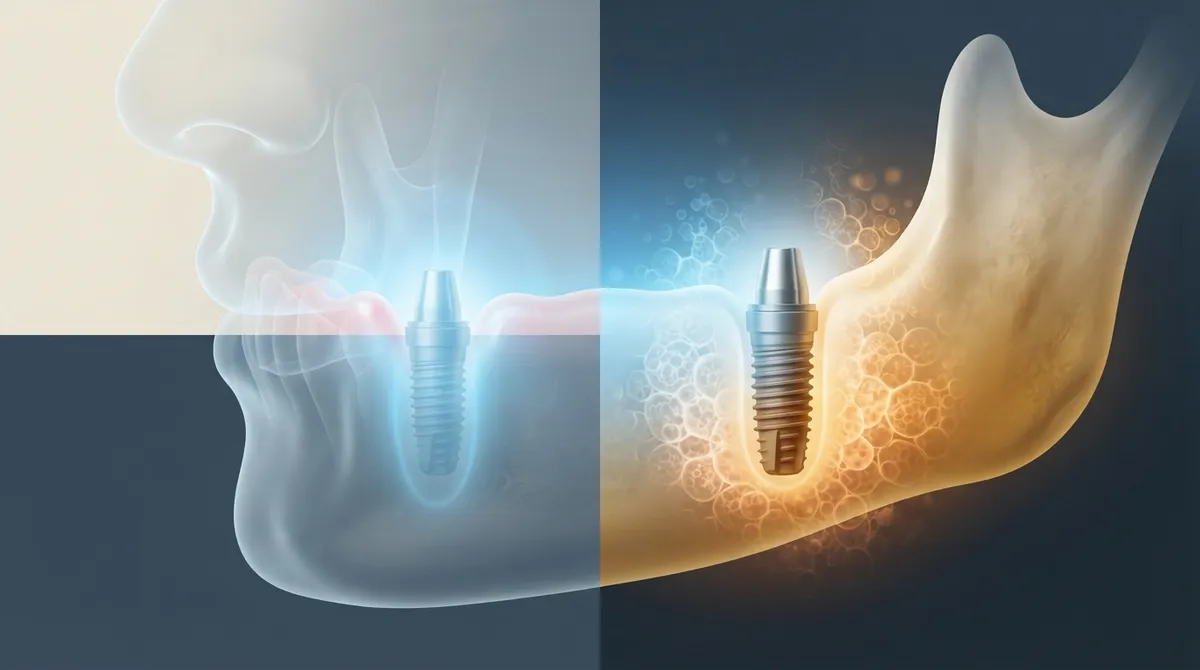
- Most patients require 3-6 months for complete dental implant healing, with soft tissue stabilizing in 6-8 weeks and osseointegration (bone bonding) taking the full timeframe to lock the implant securely in place.
- Bone quality, implant location, smoking habits, and diabetes management are critical factors affecting healing speed; smoking significantly delays healing while well-managed diabetes maintains 96-97% implant survival rates.
- If a bone graft is needed before implant placement, expect several additional months for graft maturation, though implants in grafted bone achieve 92-97% survival rates, justifying the extra time investment.
- Follow post-surgery protocols strictly: avoid smoking, stick to soft foods for weeks, attend all follow-up appointments, and contact your dentist immediately if you experience increasing pain, persistent swelling, or a loose implant.
So you're thinking about dental implants, and one question keeps popping into your head: how long will this actually take? You're not alone. This is one of the top questions we hear at Charming Smiles of Ocoee. The good news? Understanding what happens during healing can help you feel calm and confident about your journey. Let's walk through it together, step by step, so you know exactly what to expect.
Dental implant healing time isn't a one-size-fits-all number. It depends on your bone health, where the implant goes, and how well you follow aftercare steps. Most patients need about 3 to 6 months for full healing. But some heal faster, and others need a bit more time. Either way, Dr. Aliuska Lopez and our team are here to guide you through every stage with the same gentle, spa-like comfort we're known for in Ocoee.
What Happens During Dental Implant Healing Time
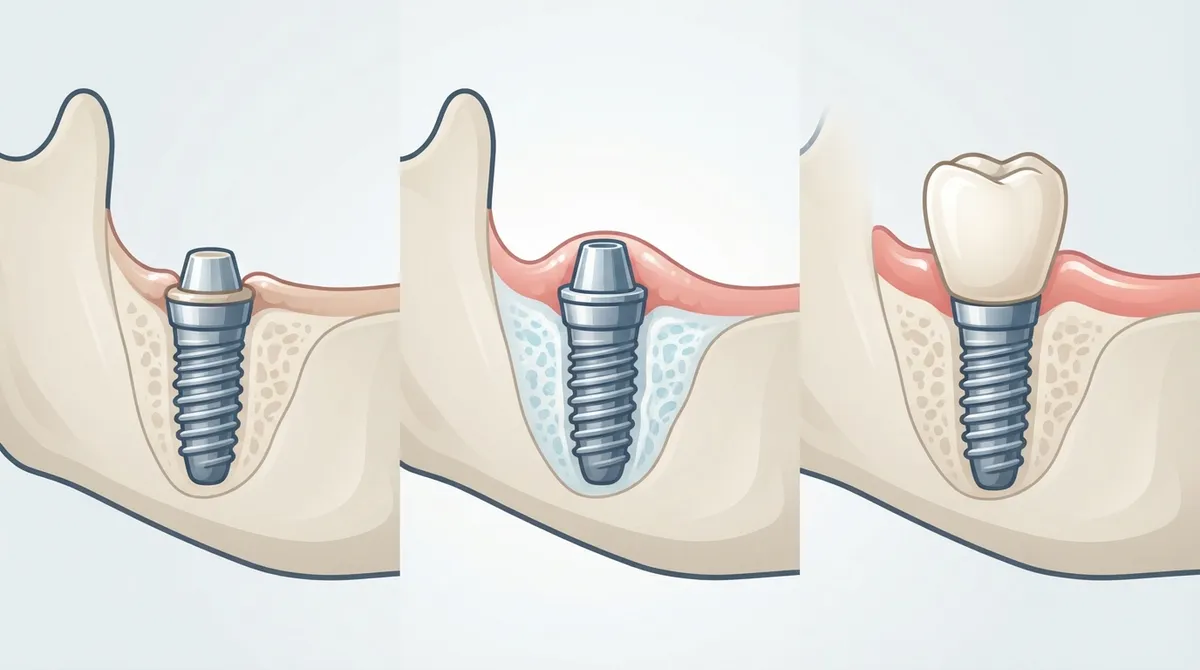
Dental implant healing actually involves two separate processes happening at once. Understanding both helps you know what your mouth is doing behind the scenes.
Soft Tissue Healing Around the Implant
The gum tissue around your new implant heals fairly quickly. Research shows this soft-tissue area becomes stable within about 6 to 8 weeks after surgery. During this time, your gums seal around the implant and start looking and feeling normal again.
Osseointegration: The Real Healing Work
This is the big one. Osseointegration means your jawbone slowly grows around the implant and locks it into place. This is what makes implants so strong and long-lasting. Most patients need 3 to 6 months for this bone-to-implant bond to fully form. Your bone quality, the implant's location, and your treatment plan all affect this timeline.
Average Dental Implant Healing Time by Stage
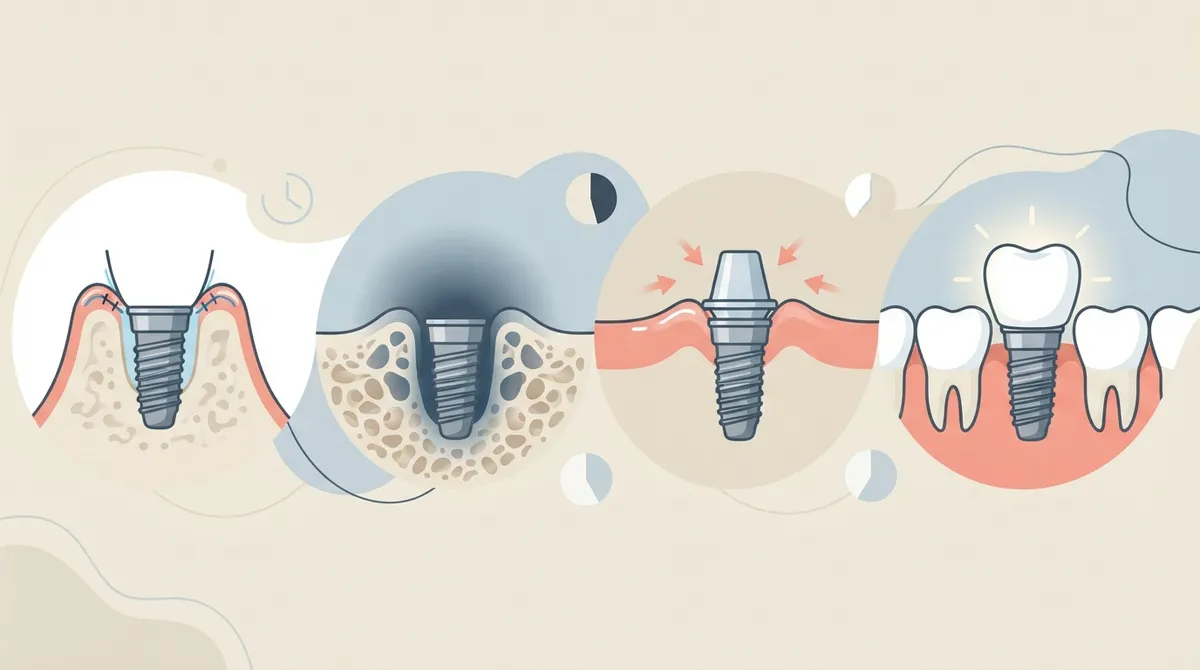
Here's a simple breakdown of what typically happens and when, based on current clinical research.
| Healing Stage | Typical Timeframe | What's Happening |
|---|---|---|
| Initial gum healing | 1-2 weeks | Swelling goes down, stitches heal |
| Soft tissue maturity | 6-8 weeks | Gums fully seal around implant |
| Early osseointegration | 2-3 months | Bone starts bonding to implant |
| Full osseointegration | 3-6 months | Bone fully locks implant in place |
| Final restoration | After full healing | Crown, bridge, or denture attached |
Keep in mind these are averages. Your dental implants specialist will check your progress and confirm when you're ready for the next step.
Factors That Affect Your Healing Timeline
Some patients heal faster than others. Here are the biggest factors that can shorten or lengthen your recovery.
- How and when the implant was placed (immediately after extraction versus after healing time)
- Whether you needed a bone graft or sinus lift beforehand
- Your overall bone density and quality in the jaw
- Where the implant sits in your mouth (upper jaw often heals slower than lower jaw)
- Smoking habits, which can slow healing significantly
- Health conditions like uncontrolled diabetes
- How well you follow oral hygiene instructions after surgery
- Whether you grind your teeth at night (bruxism)
Immediate vs. Early vs. Delayed Implant Placement
Not all implants follow the same schedule. Your dentist chooses the best approach based on your mouth's condition.
Immediate Placement
This happens right when a tooth is extracted. It saves time overall, but it requires very healthy bone and gum tissue to work well.
Early Placement
Here, the dentist waits several weeks to a few months after extraction. This gives the gum tissue time to heal first, which can improve long-term results.
Delayed Placement
Traditional protocols sometimes wait 6 to 12 months after extraction before placing the implant. This approach allows the bone to fully heal on its own first, though it takes longer overall.
How Bone Grafting Affects Healing Time
If you don't have enough bone to support an implant, a bone graft can help build it back up. This is common and nothing to worry about.
- Your dentist evaluates your bone with X-rays or a 3D scan
- Graft material is placed to encourage new bone growth
- You wait several months for the graft to mature and strengthen
- Once ready, the implant is placed into the new, sturdier bone
- Standard osseointegration healing begins from there
Yes, this adds extra months to your overall timeline. But it's often necessary to make sure your implant has a solid foundation. A 2024 review found that implants placed in bone-grafted areas had survival rates between 92% and 97%, proving this extra step pays off long term.
Steps to Support Faster, Healthier Healing
You have more control over your healing than you might think. Follow these steps to give your implant the best chance of success.
- Avoid smoking before and after surgery, since it slows healing dramatically
- Stick to soft foods for the first few days, then slowly return to normal eating
- Keep the surgical area clean using the rinse your dentist recommends
- Attend every follow-up appointment, even if you feel fine
- Manage health conditions like diabetes carefully during recovery
- Avoid touching or poking the implant site with your tongue or fingers
- Get plenty of rest during the first week after surgery
What You Can Eat During Dental Implant Healing
Food matters more than people realize during recovery. Here's a simple guide to help you plan meals.
- Days 1-3: Stick to soft foods like yogurt, mashed potatoes, and smoothies
- Days 4-7: Add soft-cooked eggs, oatmeal, and soups
- Weeks 2-4: Slowly reintroduce firmer foods as comfort allows
- Avoid hard, crunchy, or sticky foods near the implant site for several weeks
- Skip extremely hot or spicy foods until swelling goes down
Signs Your Implant May Not Be Healing Properly
Most patients heal without any issues, but it helps to know the warning signs. Contact your dentist right away if you notice any of these.
- Increasing pain instead of gradual improvement
- Swelling that gets worse after the first few days
- Persistent bad taste or odor near the implant
- The implant feels loose or wobbly
- Fever or general feeling of being unwell
If something feels off, don't wait. Our emergency dentistry team is ready to help quickly and calmly.
How Smoking and Diabetes Affect Healing Time
These two factors deserve special attention because they're so common and so impactful.
Smoking restricts blood flow, which your body needs to heal. Smokers often face longer healing times and higher risk of implant failure. If you're a smoker, even cutting back around your surgery date can help.
Diabetes doesn't automatically rule out implants, but it does require careful management. Research shows well-managed diabetes patients see implant survival rates around 96% to 97% after one year. The key word is "well-managed," so working closely with your doctor and dentist matters here.
Why Choose Charming Smiles of Ocoee for Your Implant Journey
Getting dental implants is a big decision, and you deserve a team that makes you feel comfortable every step of the way. At Charming Smiles of Ocoee, Dr. Aliuska Lopez and her team combine advanced technology with a relaxing, spa-like setting. We know dental anxiety is real, and we've built our practice around easing those fears with warm blankets, soothing music, and genuine care.
We also make the financial side easier with flexible insurance & financing options and a free implant consultation to help you plan confidently. Curious what past patients have to say? You can visit us on Google — Charming Smiles of Ocoee to read real reviews from families right here in Ocoee.
Frequently Asked Questions About Dental Implant Healing Time
Still have questions? You're in good company. Here are answers to what patients ask us most.
Ready to start your smile journey? Call us at (407) 378-3704 today to schedule your free implant consultation, or explore our current specials to save on treatment. You can also connect with us on the Charming Smiles Facebook page or follow along on the Charming Smiles Instagram page for smile inspiration and patient stories. We can't wait to help you feel confident again, one gentle step at a time.
For general guidance on oral health and implant care, resources from the National Institute of Dental and Craniofacial Research and the American Dental Association offer helpful background information alongside your dentist's personalized advice. You can also book online at a time that fits your schedule.
FAQs
Q: How long does it take for a dental implant to heal completely?
A: Most patients need about 3 to 6 months for full healing, though gum tissue often looks normal within 6 to 8 weeks. Your exact timeline depends on your bone quality and implant location, so your dentist will confirm when you're ready for your final crown.
Q: How long after dental implant surgery can I get my permanent crown?
A: Typically, patients wait 3 to 6 months after implant placement before getting the permanent crown attached. This gives your bone enough time to fully bond with the implant, which is worth the wait for a strong, lasting result.
Q: Can a dental implant be placed immediately after tooth extraction?
A: Yes, this is called immediate placement, and it can work great for patients with healthy bone and gum tissue. Your dentist will evaluate your specific situation to see if this faster approach is right for you.
Q: Does smoking or diabetes increase dental implant healing time?
A: Smoking can definitely slow healing by restricting blood flow to the area, so cutting back really helps. Diabetes doesn't rule out implants, but well-managed blood sugar levels lead to much better healing outcomes.
Q: What can I eat during dental implant healing?
A: Stick to soft foods like yogurt, mashed potatoes, and smoothies for the first few days after surgery. You can slowly add firmer foods back into your diet over the following weeks as your comfort level improves.