How to Protect Your Family's Teeth with Dental Sealants in Ocoee
Learn how dental sealants in Ocoee protect your family's teeth from cavities with this simple, painless preventive treatment backed by science.
Key Takeaways
- Dental sealants reduce molar decay risk by nearly 80% according to the ADA, making them one of the most effective preventive treatments available for cavity protection.
- The ideal time to get sealants is around age 6 when first permanent molars erupt and again at age 12 for second molars, though adults with healthy teeth can also benefit.
- The sealant application process is quick, painless, and requires no drilling or anesthesia—typically taking just minutes per tooth during a regular dental visit.
- Sealants last 5-10 years with proper care and can be easily reapplied if they chip or wear down, making them a durable and cost-effective preventive investment.
- Many dental insurance plans cover sealants for children up to age 14-16 as a preventive benefit, with financing options available for uninsured patients.
- Sealants work best alongside daily brushing, flossing, and regular dental checkups every six months—they protect grooves but don't replace other essential oral hygiene habits.
If you have kids, you know how tough it can be to keep their teeth clean. No matter how well they brush, those tiny grooves on the back teeth are almost impossible to reach. That's where dental sealants in Ocoee come in. This simple, painless treatment acts like a shield for your child's molars — and it can save you from dealing with painful, expensive cavities down the road.
Whether you're a busy parent trying to protect your kids' smiles or an adult looking for extra cavity protection, dental sealants are one of the smartest preventive moves you can make. According to the American Dental Association (ADA), sealants can reduce the risk of decay in molars by nearly 80%. That's a huge benefit for such a quick procedure! Let's walk through everything you need to know about getting dental sealants in Ocoee — from how they work to when to get them and how long they last.
What Are Dental Sealants and How Do They Work?
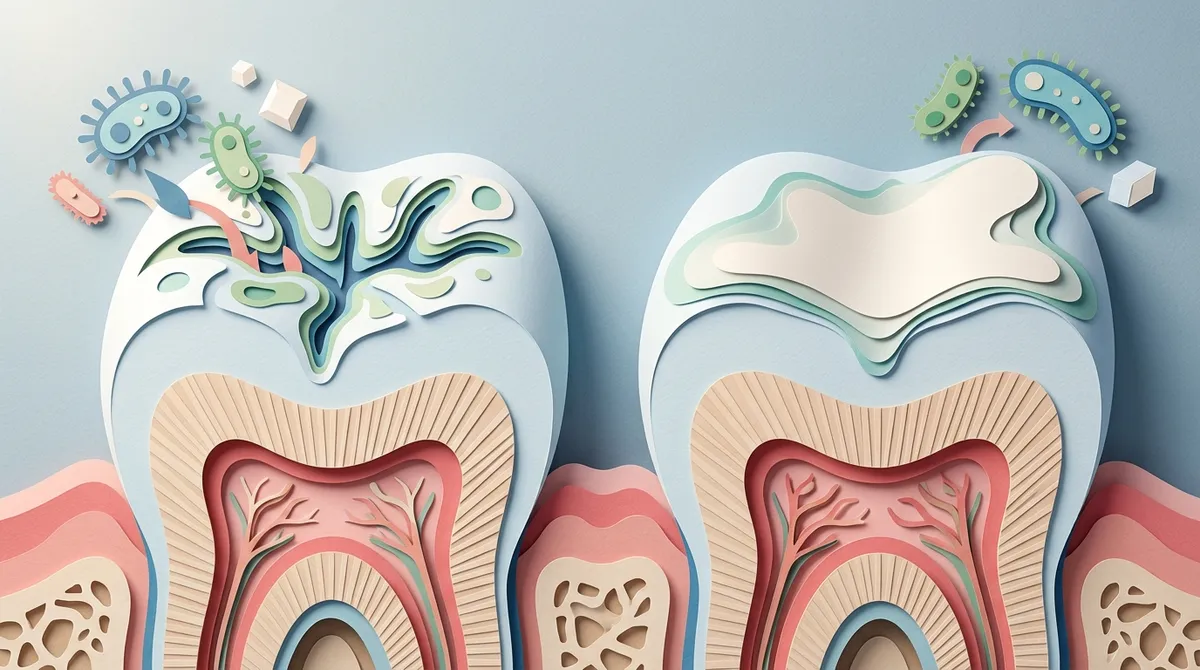
Dental sealants are thin, protective coatings painted onto the chewing surfaces of back teeth. These are your molars and premolars — the teeth with deep grooves and pits where food and plaque love to hide. Even the best brushing habits can leave those tiny crevices exposed to decay-causing bacteria.
A sealant fills in those grooves and hardens into a smooth surface. That makes it much harder for plaque and food debris to get stuck. Think of it like sealing a crack in a sidewalk before weeds can grow through. The result? A big drop in your cavity risk, especially for kids and teens.
This is one of the most popular general dentistry treatments for children — and for good reason. It's backed by strong science and decades of clinical use. You can learn more about how to get the best preventive dentistry in Ocoee to understand how sealants fit into a broader oral health plan.
Who Should Get Dental Sealants?
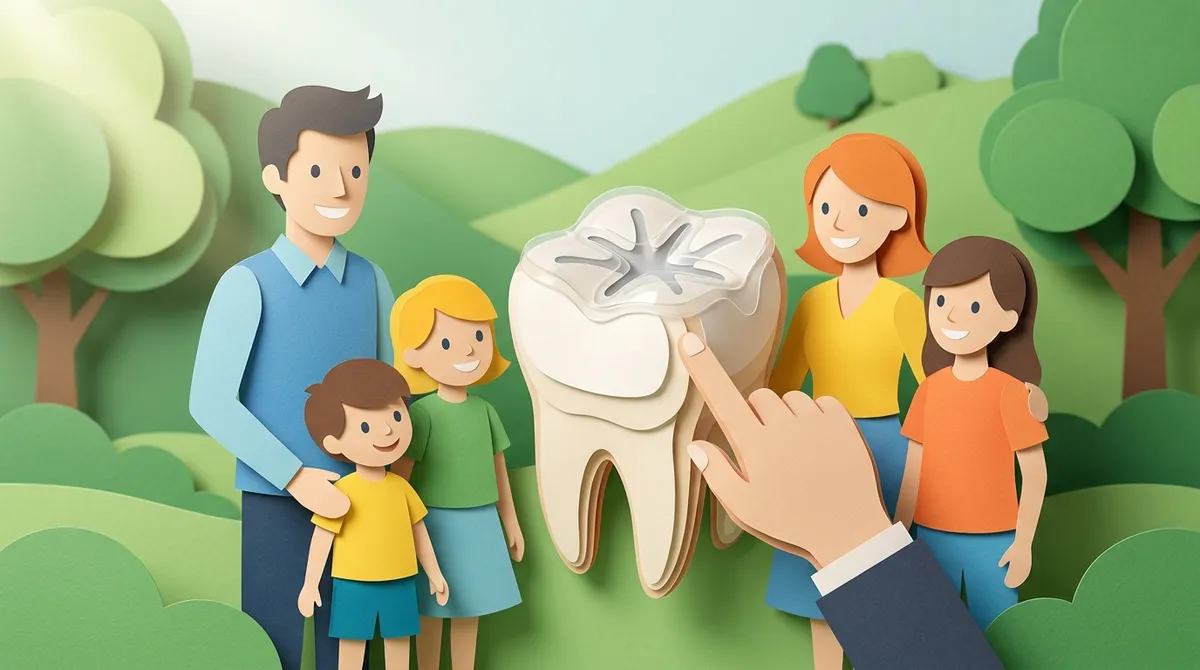
Most people think of sealants as just for kids, but that's not the whole story. Here's a quick breakdown of who can benefit the most:
- Children (ages 6–12): The best time to seal the first permanent molars is soon after they erupt around age 6. The second molars usually come in around age 12.
- Teenagers: Teens are often cavity-prone because of diet and sometimes inconsistent brushing habits. Sealants add a helpful extra layer of protection.
- Adults without fillings: If you have healthy back teeth with no existing decay or restorations, you may still benefit from sealants.
- Kids with baby teeth: In some cases, dentists recommend sealing deep grooves in primary teeth to prevent early childhood cavities.
If you're wondering whether your child is ready, pediatric dentistry services in Ocoee can help you figure out the best timing. You can also check out why parents should choose a pediatric dentist near them for guidance on getting kids started with preventive care early.
Step-by-Step: How Dental Sealants Are Applied
One of the best things about dental sealants is how simple and fast the process is. There are no shots, no drilling, and no pain. Here's exactly what happens during a sealant appointment:
- Cleaning the tooth: The dentist or hygienist thoroughly cleans the chewing surface of the tooth. This removes any plaque or debris from the grooves.
- Drying the tooth: The tooth is kept dry using absorbent material. A dry surface helps the sealant bond properly.
- Etching the surface: A mild acidic gel is applied to the chewing surface for a few seconds. This roughens the enamel slightly so the sealant sticks better. It's completely safe and doesn't hurt at all.
- Rinsing and drying again: The gel is rinsed off and the tooth is dried once more before the sealant is applied.
- Painting on the sealant: The liquid sealant material is carefully painted into the grooves of the tooth. It flows into all those tiny pits and fissures.
- Curing the sealant: A special blue curing light hardens the sealant within seconds. Once hardened, it forms a solid, protective shell.
The whole process typically takes just a few minutes per tooth. Most kids are in and out before they even realize anything happened! It's a quick addition to a regular general dentistry checkup or cleaning visit. If you're curious about what to expect at a dental visit overall, check out what happens during your first dental visit in Ocoee.
How Effective Are Dental Sealants?
The short answer: very effective. Research consistently shows that sealants deliver real, meaningful protection against tooth decay.
- The ADA reports sealants can reduce molar decay risk by nearly 80%.
- Resin-based sealants are more than 80% effective at two years after placement.
- Studies show about 60% effectiveness in reducing decay up to 4–5 years after application.
- Sealants can reduce the progression of early non-cavitated lesions to full cavities by about 70% over 5 years.
Those numbers really add up. When you consider the cost and discomfort of getting a filling — or worse, a root canal — sealants are an incredibly smart investment in prevention. You can read more about 10 preventive dental care tips for a healthier smile to see how sealants fit alongside other protective habits.
How Long Do Dental Sealants Last?
Dental sealants are durable, but they don't last forever. Here's what you need to know about their lifespan:
- With proper care, sealants can last 5 to 10 years or longer.
- They can wear down over time from chewing, especially on hard or sticky foods.
- Your dentist will check sealants at each regular visit to make sure they're still intact.
- If a sealant chips or wears off, it can simply be reapplied — no big deal at all!
Regular checkups are key to making sure your sealants stay effective. This is another great reason to stick to your twice-a-year dental visits. You can even check out why Ocoee dental checkups are worth every visit for some extra motivation to keep those appointments.
Are Dental Sealants Safe?
This is a very common question from parents, and the good news is: yes, dental sealants are safe. They've been used in dentistry for over 40 years and are endorsed by the ADA and the CDC. The materials used are BPA-free or contain only trace amounts that are far below any level of concern.
The procedure involves no anesthesia, no drilling, and no discomfort. For kids who feel nervous about the dentist, sealants are actually a great way to build positive dental experiences. At Charming Smiles of Ocoee, Dr. Aliuska Lopez and her team go out of their way to make every visit calm and stress-free — especially for younger patients. If your child has dental anxiety, you can find helpful advice at how to get help with dental anxiety in Ocoee.
Sealants vs. Fillings: What's the Difference?
Parents often ask how sealants compare to fillings. Here's a simple way to think about it:
- Sealants are preventive. They stop cavities before they start by blocking bacteria from entering grooves in healthy teeth.
- Fillings are restorative. They repair teeth that already have decay. The decayed area must first be removed before a filling can be placed.
- Sealants require no drilling. Fillings do require removing damaged tooth structure, which means a shot and more time in the chair.
Basically, sealants are your first line of defense. Fillings are what happen when that defense wasn't in place. Think of sealants as insurance — and pretty affordable insurance at that! To learn more about restorative options when cavities do occur, check out dental fillings in Ocoee: what to expect and why they matter.
Does Dental Insurance Cover Sealants in Ocoee?
Many dental insurance plans cover sealants for children, often up to a certain age (typically 14 or 16). Coverage for adults varies by plan and provider. Here are a few things to keep in mind when checking your benefits:
- Check whether your plan covers sealants as a preventive benefit.
- Ask about age limits — many plans only cover sealants for children and teens.
- Some plans may require sealants to be placed only on cavity-free teeth.
- If you don't have insurance, ask about in-office savings plans or financing options.
At Charming Smiles of Ocoee, the team is happy to help you navigate your benefits and figure out your coverage. You can also explore insurance and financing options or check out the dental savings plan if you're looking for an affordable alternative to traditional insurance. There are also payment plans available to make treatment even easier to fit into your budget.
Don't forget to check for current specials — you might be surprised at how affordable preventive care can be! If you'd like to stay connected and see patient stories, follow the Charming Smiles Facebook page for updates and tips.
Tips to Help Sealants Last Longer
Getting sealants is just the beginning. A few easy habits will help them stay effective for years:
- Brush twice a day with fluoride toothpaste. Sealants protect grooves, but good brushing covers all tooth surfaces.
- Floss daily. Sealants don't cover the spaces between teeth, so flossing is still essential.
- Avoid chewing on hard objects like ice, pens, or hard candy. These can chip or crack the sealant.
- Visit your dentist every six months for checkups and cleanings so sealants can be monitored and reapplied if needed.
- Eat a tooth-friendly diet and limit sugary snacks and drinks that feed cavity-causing bacteria.
Want more tips on building great oral health habits for your whole family? Check out how to build a dental hygiene routine that protects your smile and share it with your kids too.
Booking a Dental Sealant Appointment in Ocoee
Getting dental sealants in Ocoee is easy and convenient. Here's how to get started:
- Call the office to ask if sealants are right for your child (or you!).
- Bring your insurance card so the team can verify your benefits before your visit.
- Schedule the sealant application during a regular cleaning or checkup visit.
- The whole appointment typically adds only a few extra minutes to your visit.
You can also book online to find a convenient time for your family. We know life is busy, and making dental care easy and accessible is a top priority at Charming Smiles of Ocoee. Follow us on Charming Smiles Instagram page to stay inspired about your family's smile goals!
Take the First Step Toward Cavity-Free Smiles
Dental sealants are one of the simplest and most effective tools in preventive dentistry. A few minutes of treatment today can protect your child's teeth for years to come — and help you avoid far more costly and time-consuming dental work later. Whether your child just got their first permanent molars or you're an adult who wants to stay cavity-free, dental sealants in Ocoee are well worth asking about at your next visit.
At Charming Smiles of Ocoee, Dr. Aliuska Lopez and her caring team are here to make every visit comfortable, fast, and effective. From sealants and cleanings to cosmetic dentistry and dental implants, we offer a full range of services for patients of all ages. You can visit us on Google — Charming Smiles of Ocoee to read what our patients are saying, and see why families all over Ocoee trust us with their smiles.
Ready to protect your family's teeth? Call us at (407) 378-3704 to schedule your appointment today — we'd love to help your whole family smile with confidence!
FAQs
Q: What age should my child get dental sealants?
A: The ideal time is right after the first permanent molars come in, usually around age 6, and again when the second molars erupt around age 12. Getting sealants early gives your child the best protection during their most cavity-prone years — it's one of the easiest wins in kids' dental care!
Q: How long do dental sealants last in Ocoee?
A: With good care, dental sealants can last anywhere from 5 to 10 years or more. Your dentist will check them at every routine visit and can simply reapply them if they chip or wear down — quick, easy, and totally painless!
Q: Are dental sealants covered by insurance in Florida?
A: Many dental insurance plans cover sealants for children, typically up to age 14 or 16, as a preventive benefit. Adult coverage varies by plan, so it's always worth checking with your provider. If coverage is limited, affordable alternatives like in-office savings plans and flexible payment options can help.
Q: Do dental sealants replace brushing and flossing?
A: Not at all — sealants are an extra layer of protection, not a substitute for good daily habits! They protect the deep grooves on the chewing surfaces of back teeth, but brushing twice a day and flossing are still essential to protect all tooth surfaces and gum health.
Q: Can adults get dental sealants in Ocoee?
A: Absolutely! Adults with healthy back teeth that are free of decay and fillings can benefit from sealants just as much as kids can. If you're not sure whether you're a good candidate, just ask your dentist — it only takes a quick look to find out!