How to Prepare for Full Mouth Implant Surgery Pain
Wondering how painful full mouth implant surgery is? Learn what to expect, how recovery feels, and how to prepare for a comfortable experience.
Key Takeaways
- You should not feel sharp pain during full mouth implant surgery because the area is numbed first, though you may notice pressure, vibration, or movement.
- Pain is usually strongest in the first 24 to 72 hours, and swelling often peaks around days 2 to 3, then should steadily improve by days 4 to 7.
- One small 2016 study of 23 implant patients reported an average pain score of 4.6 out of 10, suggesting moderate rather than severe discomfort for many people.
- Symptoms should get better over time; if soreness or swelling climbs instead of fading, contact your dental team promptly.
- Added procedures like tooth extractions or bone grafting can increase soreness and swelling for a longer period, so ask your dentist for a pain plan specific to your case.
- Prepare ahead by stocking soft foods, arranging a ride home if sedation is used, using cold packs, and following your surgeon's medication and aftercare instructions.
Let's talk about the question on almost everyone's mind: how painful is full mouth implant surgery? If you're feeling a little nervous, you're in good company. Many of our patients in Ocoee ask this before anything else, and it's a smart question to ask.
Here's the short, friendly answer. You should not feel sharp pain during the procedure, because the area is numbed first. Afterward, you can expect soreness, swelling, and some bruising. Most people find this manageable with the right plan.
The good news is that you can do a lot to make the whole experience easier. Knowing what to expect takes away much of the fear. In this guide, we'll walk you through each stage, from the day of surgery to the first weeks of healing. We'll also share simple steps that help you feel more comfortable at every point along the way.
How Painful Is Full Mouth Implant Surgery During the Procedure?
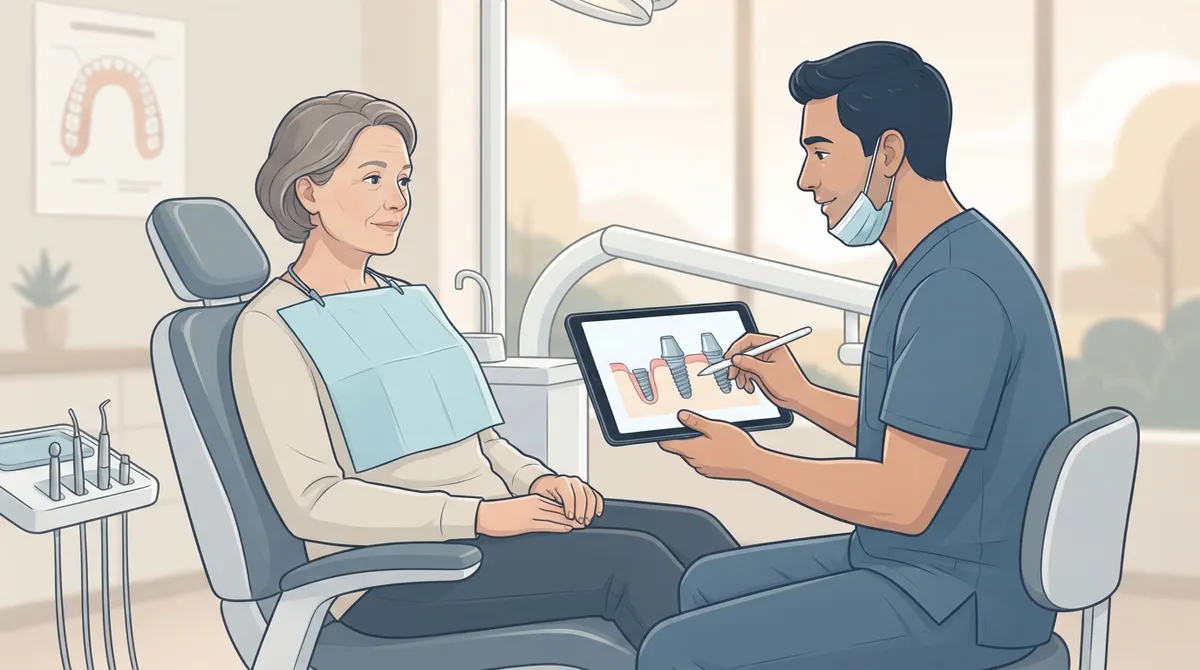
This is the part people worry about most, so let's tackle it first. During full mouth implant surgery, your dental team uses anesthesia to numb the treatment area. Local anesthesia is common. Sedation or general anesthesia may also be options, depending on your needs.
With numbing in place, you generally should not feel sharp pain. You may notice pressure, vibration, or a bit of movement. That's normal. Think of it like feeling someone press on your arm through a thick blanket. You know it's happening, but it doesn't hurt.
If you ever feel discomfort during the procedure, tell your dentist right away. They can add more numbing or adjust your comfort plan. You are never expected to tough it out.
Anesthesia and Sedation Choices
Different patients need different levels of comfort. Here are the common options your dental team may discuss with you:
- Local anesthesia: Numbs the treatment area while you stay awake and aware.
- Sedation: Helps you feel calm and relaxed during the visit.
- General anesthesia: Puts you fully to sleep for more involved treatment.
If dental fear has kept you away from the chair, tell us. Dr. Aliuska Lopez is known for her gentle approach and helps many anxious patients feel at ease. You can also read about getting help with dental anxiety in Ocoee to see how a calm, spa-like visit can feel.
What Does Pain Feel Like After Surgery?
Once the numbing wears off, you'll likely feel some soreness. This is the part where honest expectations really help. Common effects include:
- Soreness or aching at the implant sites
- Gum and facial swelling
- Bruising on the face or gums
- Minor bleeding or oozing
These effects are listed by trusted medical sources as normal after implant surgery. Mayo Clinic's patient guidance notes that pain at the site, swelling, bruising, and minor bleeding can all happen. It also says to contact your surgeon if soreness or swelling gets worse instead of better.
What about the actual pain level? One small 2016 study of 23 implant patients reported an average pain score of 4.6 out of 10. About 58% rated their pain below 5. That is a small group, so please don't treat it as a promise for your own surgery. Still, it shows that many people describe the pain as moderate rather than severe.
Why Some Patients Feel More Than Others
Full mouth treatment is not the same for everyone. Your own experience depends on several things:
- How many implants are placed
- Whether teeth need to be removed first
- Whether bone grafting is needed
- Your personal pain sensitivity
- Your overall health
A simple implant placement may feel milder than a full-arch case with multiple extractions and grafting. That's why a personal consultation matters so much. Your dentist can explain what your recovery will likely look like.
The Recovery Timeline: What to Expect Day by Day
Knowing the timeline helps you plan and feel more in control. Every person heals a little differently, but here's a general picture.
| Timeframe | What You May Notice |
|---|---|
| First 24 hours | Numbness fades, soreness begins, minor bleeding is common |
| Days 1 to 3 | Discomfort is often highest; swelling usually peaks around days 2 to 3 |
| Days 4 to 7 | Symptoms should begin improving steadily |
| Weeks 2 and beyond | Comfort keeps improving; the implants continue to bond with the jaw over time |
A research review from 2024 found that pain after implant placement is generally strongest in the first 72 hours. It can often be handled with short-term pain medicine. That review looked at implant surgery in general, not only full mouth cases, but the pattern matches what many patients report.
The key sign to watch for is direction. Your symptoms should slowly get better, not steadily worse. If they climb instead of fade, that's your cue to call us.
How to Prepare for Full Mouth Implant Surgery Pain: Step by Step
Now for the part you can control. A little planning goes a long way. Follow these steps to help your surgery and recovery feel smoother.
- Book a consultation first. Ask every question you have. Understanding the plan removes much of the fear.
- Talk about your comfort options. Discuss numbing, sedation, and anything that makes you anxious.
- Share your health history. Tell your dentist about medicines, allergies, and health conditions.
- Plan your ride home. If you receive sedation, you will need someone to drive you.
- Stock up on soft foods. Have yogurt, soup, smoothies, and mashed foods ready before surgery.
- Set up a recovery spot. Add extra pillows, cold packs, and your favorite shows.
- Clear your schedule. Give yourself a few easy days to rest.
If you'd like to understand the full path, our guide on how to get dental implants step by step in Ocoee walks through the journey from start to finish.
Managing Pain and Discomfort at Home
Good aftercare makes a real difference. The most important rule is simple: follow your own surgeon's instructions. Every case is unique, so your plan may differ from someone else's.
Medication and Comfort Tips
Pain is usually managed with the medication plan your clinician recommends. Please check before mixing medicines or taking anything that might not be safe for you. Here are some comfort habits that many patients find helpful:
- Use cold packs on your face in short intervals during the first day or two
- Rest with your head slightly raised to help reduce swelling
- Drink plenty of water
- Avoid pressing on or poking the surgical areas
- Skip straws and strong rinsing unless your dentist says it's okay
Eating During Early Healing
A soft-food diet is commonly recommended while your mouth heals. Avoid putting pressure on the surgical sites. How long you stay on soft foods depends on your procedure and your dentist's guidance.
Remember that the first recovery period is different from full implant healing. The implants take longer to bond with your jaw than the initial soreness lasts. So you may feel better quickly, yet your dentist will still guide your food choices for a while.
When to Call Your Dental Team
Most soreness is a normal part of healing. Still, some signs deserve a quick call rather than a wait-and-see approach. Contact your dental team promptly if you notice:
- Severe pain, or pain that keeps getting worse
- Swelling that grows worse after it started to improve
- Bleeding that won't stop
- Fever
- Pus or a foul-tasting discharge
- Numbness that doesn't go away
Please don't assume these are routine. If something feels off, trust your instincts. If you ever face sudden pain or a concern after hours, our emergency dentistry team is here to help.
Will Bone Grafting or Extractions Make It Hurt More?
This is a very common question. The honest answer is that added procedures can increase soreness. If teeth must be removed or bone needs to be built up, your recovery may feel a bit more involved. Swelling and tenderness can last a little longer in these cases.
That said, your dentist plans for this. You'll get a clear explanation of your timeline and a pain plan that fits your case. Reading about bone graft mistakes Ocoee patients should avoid can also help you feel prepared and confident.
Does Cost Worry You More Than Pain?
For many families, the price feels as scary as the surgery. You deserve clear answers on both. Charming Smiles of Ocoee offers a free dental implant consultation, so you can learn about your options with no pressure. You can also explore our insurance and financing options, our payment plans, and our dental savings plan to find a path that fits your budget. For a closer look at pricing, see how much dental implants cost in Ocoee.
Why Many Patients Feel Calmer at Charming Smiles of Ocoee
Comfort is at the heart of what we do. Our office offers a spa-like feel, with soothing music, pillows, blankets, and aromatherapy to help you relax. Dr. Lopez is a trusted local dentist who takes time to explain each step and listen to your worries.
If you want to know more about the person who will care for you, read why patients love Dr. Aliuska Lopez. You can also learn more about dental implants and see everything we offer on our services page. Prefer a first look at what patients say? See us on Google and read what our Charming Smiles of Ocoee patients share. We also share smiles and updates on our Instagram page.
Ready to Take the Next Step?
So, how painful is full mouth implant surgery? You shouldn't feel sharp pain during the procedure, and the soreness afterward is usually manageable with good planning and care. Most discomfort peaks in the first few days, then fades. With the right team, you can walk into surgery feeling prepared instead of scared.
You don't have to figure this out alone. Come talk with us about your goals and your worries. We'll build a plan that keeps you comfortable and confident. When you're ready, book online or call us at (407) 378-3704 to schedule your free implant consultation. We're located near Publix at 315 West Rd, Ocoee, FL 34761, and we can't wait to meet you.
FAQs
Q: Does full mouth dental implant surgery hurt while it is being done?
A: You generally should not feel sharp pain, because the area is numbed first. You may notice pressure, vibration, or movement, which is normal. If anything feels uncomfortable, just tell your dentist and they can adjust your comfort plan.
Q: How long does pain last after full mouth implant surgery?
A: Discomfort is often strongest during the first 24 to 72 hours, and swelling commonly peaks around days 2 to 3. After that, symptoms should slowly improve. Healing varies from person to person, so follow your own surgeon's guidance.
Q: What can I eat after full mouth implant surgery?
A: A soft-food diet is commonly recommended during early healing, with no pressure on the surgical sites. Think yogurt, soup, smoothies, and mashed foods. Your dentist will tell you how long to keep it up based on your procedure.
Q: When should I call my dentist after implant surgery?
A: Call promptly for severe or worsening pain, swelling that gets worse after improving, bleeding that won't stop, fever, pus or a foul discharge, or numbness that lingers. These signs need a professional check rather than a wait-and-see approach.
Q: Does bone grafting or tooth extraction make recovery more painful?
A: It can. Added procedures like extractions or grafting may mean more soreness and swelling for a bit longer. Your dentist will explain what to expect and build a pain plan that fits your case.