How to Know If You're a Candidate for Implants
Wondering if you're a candidate for dental implants? Learn the key factors dentists check and how Charming Smiles of Ocoee can help.

Key Takeaways
- Dental implant candidacy depends on jawbone height/width, healthy gums, overall health management, and commitment to aftercare—not age alone. Most people with missing teeth qualify once these factors are assessed through a consultation with imaging.
- Common obstacles like untreated gum disease, bone loss, and smoking aren't permanent disqualifiers; bone grafting, periodontal treatment, and quitting smoking can prepare you for successful implant placement within months.
- The implant process typically takes 3-9 months for straightforward cases, with healing time between implant placement and crown attachment being crucial for long-term durability and success.
- There's no upper age limit for dental implants—patients in their 70s and 80s can be successful candidates, while the minimum age is 18 when jaw growth is complete.
Missing a tooth can feel frustrating, whether it happened from an injury, decay, or just years of wear. If you've been wondering whether dental implants could work for you, you're not alone. So many folks in Ocoee ask us this exact question every week. The good news? Most people with missing teeth turn out to be great candidates once we take a closer look at their smile.
At Charming Smiles of Ocoee, we love helping patients figure out their options in a relaxed, no-pressure way. This guide will walk you through exactly what makes someone a good fit for dental implants, plus what might need extra attention first. Let's dig in together, shall we?
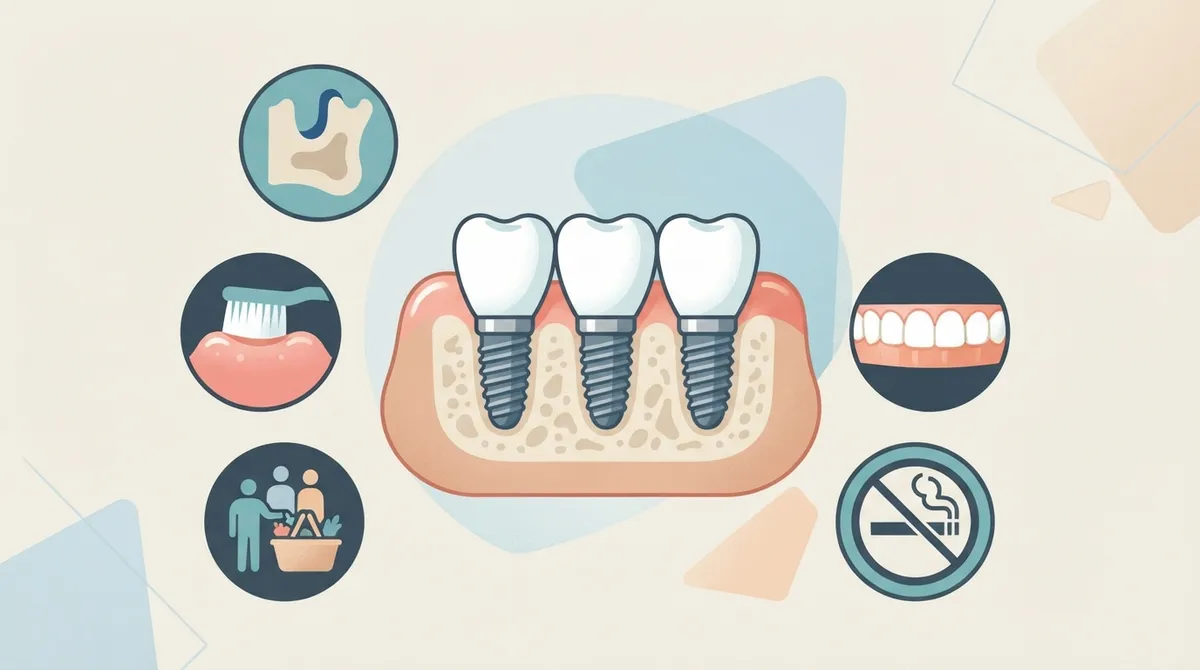
What Makes Someone a Good Candidate for Dental Implants
Dental implant candidacy isn't about your age. It's about your overall health, your gums, and your jawbone. Dentists look at a handful of key factors before saying yes to implants.
Here's what really matters:
- You have one or more missing teeth (implants work for a single tooth, several teeth, or a full arch)
- Your jawbone has enough height and width to support an implant
- Your gums are healthy and free of active disease
- You don't smoke, or you're willing to quit before treatment
- Any medical conditions you have are well managed
- You're committed to healing properly and following aftercare instructions
If most of these sound like you, there's a good chance implants could be a wonderful option. But the only way to know for sure is through a proper dental implant consultation with imaging and an exam.
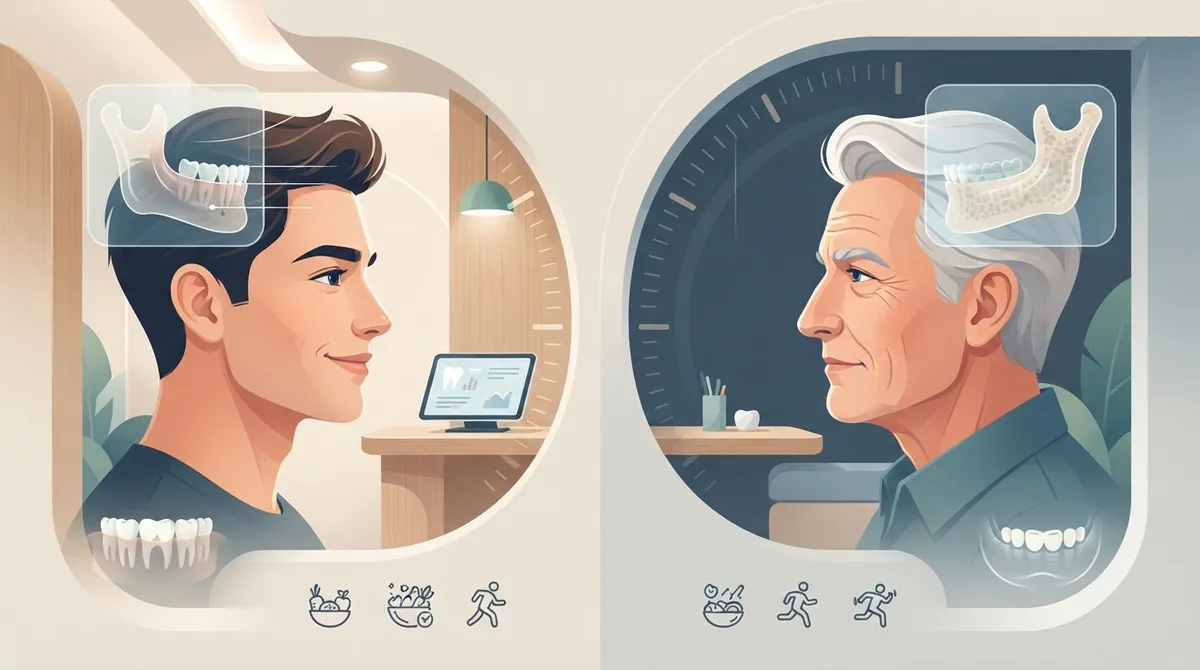
The Age Question: Is There a Minimum or Maximum?
Here's something that surprises a lot of our patients. There's technically no upper age limit for dental implants. As long as you're healthy enough for the procedure, age alone won't stop you.
The minimum age is typically 18. That's because younger jaws are still growing, and implants need a fully developed bone structure to succeed long term. So if you're a teen, your dentist will likely wait until your jaw finishes growing before considering implants.
Our senior patients often ask if they're too old. The honest answer is almost never. Many of our older adult patients in Ocoee have had wonderful success with implants well into their 70s and 80s.
5 Signs You're Likely a Strong Candidate
- You're missing one or more teeth. This is the most basic starting point. Implants replace the root and the crown, giving you a natural-feeling result.
- Your gums are healthy. No active gum disease, no bleeding, no swelling. Healthy tissue helps implants heal and stay secure.
- You have enough jawbone. Dentists often look for around 10 mm of height and 5 mm of width in the lower jaw for solid support, though every case is different.
- You don't smoke (or you're ready to quit). Smoking slows healing and raises the risk of implant failure significantly.
- Your health conditions are under control. Well-managed diabetes, for example, often doesn't rule out implants at all.
Sound like you? That's a great sign. But don't just take our word for it. A quick visit for imaging and a chat with your dentist will confirm things for certain.
Factors That Could Affect Your Candidacy
Now let's talk about the flip side. Some conditions don't automatically disqualify you, but they do mean your dentist might recommend extra steps first.
Untreated Gum Disease
This is probably the biggest red flag. Implants need healthy gum tissue to succeed. If you have active periodontal disease, your dentist will likely treat that first through periodontal therapy before moving forward with implants.
Insufficient Jawbone
Bone loss happens naturally after tooth loss, especially if it's been a while. The fix isn't a dead end though. Bone grafting can rebuild the area so it's strong enough to support an implant. It adds time to your treatment plan, but it's a proven solution.
Smoking or Vaping
Nicotine restricts blood flow, which slows healing and raises implant failure risk. If you smoke, your dentist may ask you to quit, or at least cut back significantly, before and after surgery.
Uncontrolled Medical Conditions
Conditions like poorly managed diabetes, certain autoimmune disorders, or uncontrolled heart disease can complicate healing. That said, well-managed versions of these same conditions often don't prevent someone from getting implants at all.
Common Reasons Someone Might Need to Wait or Explore Other Options
| Factor | Impact on Candidacy | Possible Next Step |
|---|---|---|
| Active gum disease | Reduces success rate significantly | Periodontal treatment first |
| Low bone density | May not support implant properly | Bone grafting procedure |
| Heavy smoking habit | Slows healing, raises failure risk | Quit or reduce before treatment |
| Uncontrolled diabetes | Can delay healing process | Work with physician to stabilize |
| Certain medications | May affect bone healing | Discuss with dentist and doctor |
None of these situations are automatic dead ends. They're simply things your dentist needs to plan around. Many patients who start off "not quite ready" become great candidates after a few months of preparation.
What Happens During a Dental Implant Consultation
Wondering what your first visit actually looks like? Here's a simple breakdown of the process:
- You'll chat with the dentist about your dental history and any health conditions.
- The team takes X-rays or 3D scans to check your jawbone and surrounding structures.
- Your gums get examined for any signs of disease.
- The dentist reviews your medications and overall health picture.
- You'll get a personalized recommendation, including whether you need bone grafting or gum treatment first.
This whole process is pretty quick and totally painless. It's really just about gathering information so your dentist can build the right plan for your smile.
How Long Does Implant Treatment Usually Take
Timelines vary from person to person, but here's a general idea of what to expect:
- Straightforward cases often take 3 to 9 months from start to finish
- More complex cases, like those needing bone grafting, can take up to 12 months
- Most treatment plans involve 3 to 5 main appointments
- Healing time between placing the implant and adding the crown is usually a few months
We know waiting can feel like a lot, especially when you're excited to see your new smile. But this healing period is what makes implants so sturdy and long-lasting once everything's done.
Why Ocoee Patients Trust Charming Smiles for Implant Care
Dr. Aliuska Lopez and her team have helped countless patients throughout Ocoee find their confidence again through implant dentistry. We combine advanced imaging technology with a genuinely caring, spa-like approach to treatment.
We know dental anxiety is real, and we've built our whole practice around making you feel comfortable from the moment you walk in. Curious what other patients think? Feel free to visit us on Google — Charming Smiles of Ocoee to read real reviews from folks just like you.
We also keep things affordable with flexible insurance & financing options and a helpful dental savings plan for patients without insurance. Be sure to check our current specials, including a free implant consultation and savings on treatment.
Alternatives If Implants Aren't the Right Fit Yet
If implants aren't quite right for you right now, don't worry. There are other solid options while you prepare, or as a permanent choice instead.
- Dentures for full or partial tooth replacement
- Crowns and bridges for replacing one or a few teeth
- Bone grafting followed by implants down the road
- Periodontal treatment to restore gum health first
Your dentist will walk you through every option so you feel confident about whatever path you choose. There's truly no wrong choice when it comes to protecting your smile and your health.
Ready to Find Out If You're a Candidate
The only real way to know for sure is to schedule a consultation. Our team at Charming Smiles of Ocoee is ready to answer your questions, review your smile, and map out a personalized plan just for you. You can learn more about our location or simply call us at (407) 378-3704 to get started today.
Want to see real patient stories and behind-the-scenes moments from our Ocoee office? Follow along on our Charming Smiles Facebook page and our Charming Smiles Instagram page. You can also book online whenever it's convenient for you. According to the Harvard Health Publishing, implants remain one of the most reliable ways to replace missing teeth for the right candidates.
We can't wait to help you smile with confidence again. Your journey toward a complete, healthy smile might be closer than you think.
FAQs
Q: How do I know if I'm a candidate for dental implants?
A: The best way to know for sure is through a consultation with your dentist. They'll check your jawbone, gum health, and medical history using X-rays or 3D scans. Most people with one or more missing teeth turn out to be great candidates once these factors are reviewed.
Q: What disqualifies you from getting dental implants?
A: Active untreated gum disease and severe bone loss are the biggest concerns, but they usually just mean extra treatment first, not a permanent no. Uncontrolled medical conditions like unmanaged diabetes can also complicate things until they're stabilized.
Q: Can I get dental implants if I have bone loss?
A: Yes, in many cases! Bone grafting can rebuild the area so it's strong enough to support an implant. It just means your treatment timeline will be a bit longer, but it's a well-established and successful solution.
Q: Can smokers get dental implants?
A: Smoking does raise the risk of implant failure because it slows healing. Many dentists recommend quitting or cutting back before and after surgery to give the implant the best chance of success.
Q: Are older adults good candidates for dental implants?
A: Absolutely! There's no upper age limit for dental implants as long as you're healthy enough for the procedure. We've helped plenty of patients in their 70s and 80s enjoy the benefits of a complete, confident smile.