How to Know If a Dental Crown Is Right for You
Wondering if a dental crown is right for your damaged tooth? Learn the signs, process, costs, and care tips in this friendly guide from Ocoee's trusted dentist.
Key Takeaways
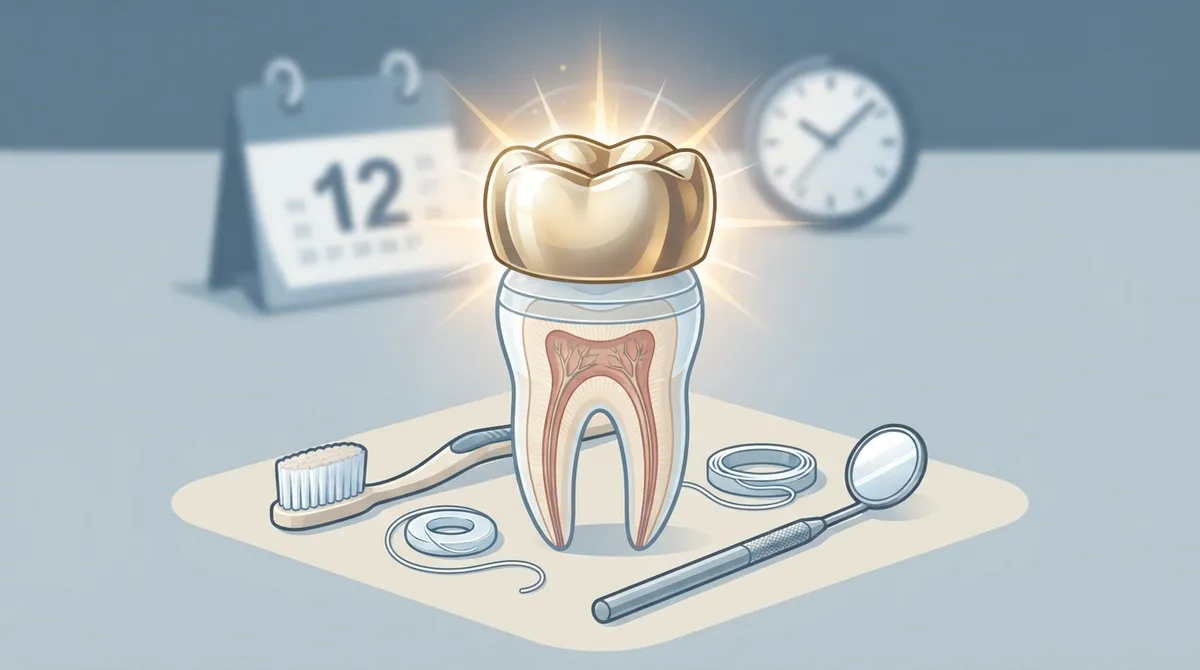
- Dental crowns last 5-15 years with proper care, but require consistent brushing, flossing, and regular checkups to prevent decay around the crown edges and maintain tooth health.
- Most crowns need two visits over 2-3 weeks, but same-day crown technology using CAD/CAM is now available at some dental offices for busy patients who want faster treatment.
- Crowns typically cost $800-$1,700 per tooth in the U.S., with many dental insurance plans covering 50% of costs as major restorative work after meeting your deductible.
- Choose crown material based on tooth location and function: zirconia for back teeth, all-ceramic for front teeth visibility, and gold for molars with heavy grinding forces.
- A loose or cracked crown requires immediate dental attention as it exposes teeth to bacteria and can lead to serious problems; avoid hard, sticky, or chewy foods after placement.
- Dental crowns are recommended when decay is too extensive for a filling, after root canal treatment, or for cracked/fractured teeth, but dentists first consider less invasive options like fillings or veneers.
Got a tooth that's cracked, worn down, or just doesn't feel strong anymore? You're not alone. Lots of folks in Ocoee walk into our office wondering if a dental crown is the answer. The good news? Crowns have helped millions of people save damaged teeth and get back to smiling with confidence. Let's break down everything you need to know, in plain simple terms, so you can make the best choice for your smile.
At Charming Smiles of Ocoee, we see this question all the time. Dr. Aliuska Lopez and her team love helping patients understand their options without the confusing dental jargon. So grab a cup of coffee, and let's talk crowns together.
What Is a Dental Crown, Really?
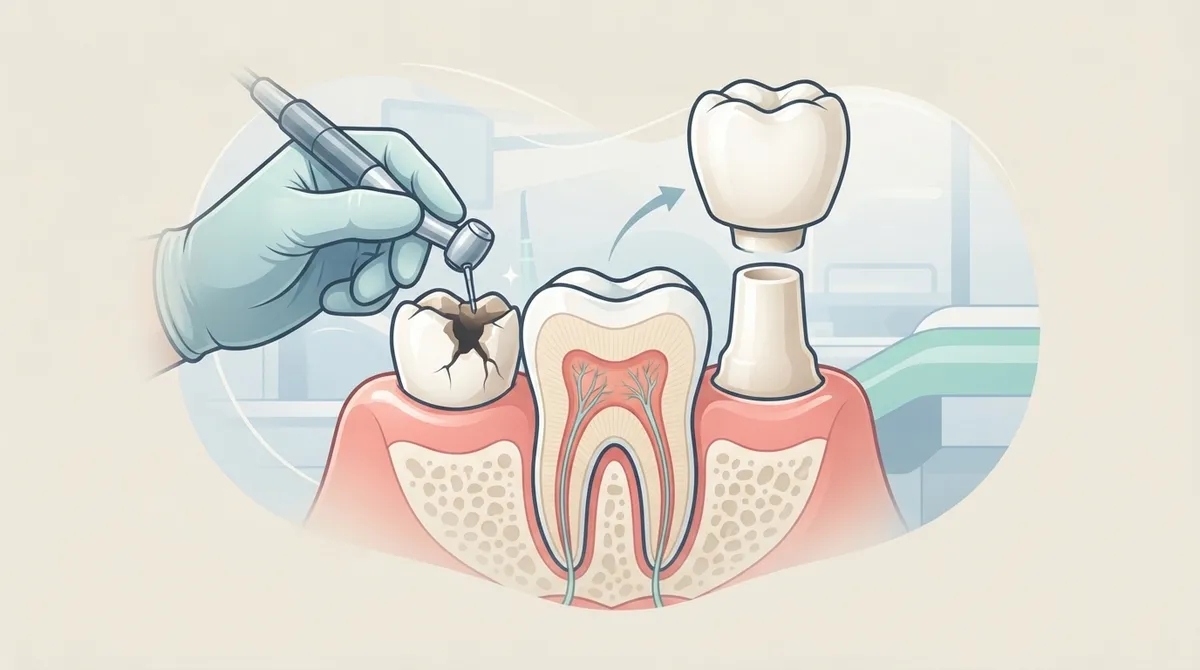
Think of a crown like a tiny helmet for your tooth. It's a custom-made cap that covers the whole visible part of a damaged tooth. Dentists sometimes call it a "cap" too, so don't get confused if you hear both terms.
A crown does more than just look pretty. It brings back your tooth's shape, strength, and normal bite function. It can also sit on top of a dental implant or help hold a bridge in place. Basically, it's a tooth-saving superhero.
When Might You Need One?
Not every dental problem needs a crown. But there are some clear signs it might be time to consider one. Here are the most common reasons people get crowns at our crowns & bridges service:
- A tooth is cracked or fractured and needs extra support
- Decay has eaten away too much of the tooth for a filling to work
- A large filling has weakened the tooth over time
- You just finished root canal treatment and need protection
- Your tooth is worn down from years of grinding or chewing
- You have a single-tooth dental implant that needs a crown on top
- A tooth is misshapen or discolored beyond what whitening can fix
Here's something important: a crown isn't always the first choice. Your dentist will look at your tooth and decide if a filling, bonding, or even a veneer might work better. Crowns are more involved, so they're saved for teeth that really need that extra layer of protection.
How the Crown Procedure Actually Works
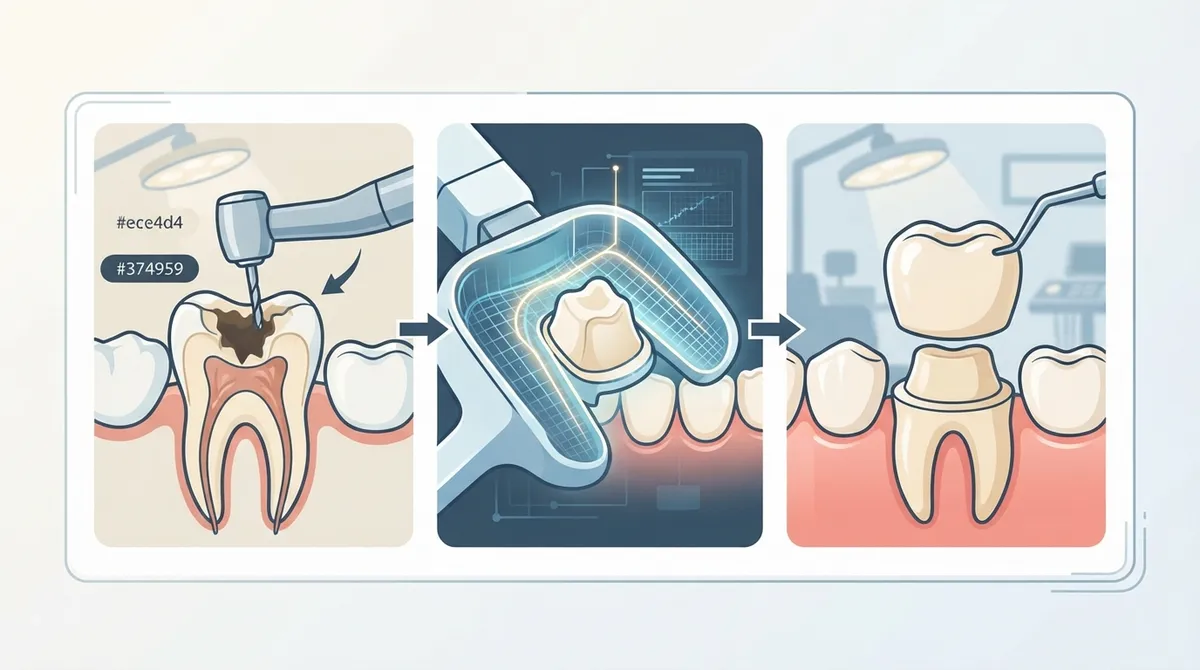
Getting a crown sounds scary to some people, but it's really a pretty simple process once you know the steps. Here's what typically happens:
- Your dentist examines the tooth and takes X-rays to check the roots and surrounding bone
- Any decay or old filling material gets removed
- The tooth gets reshaped slightly so the crown fits over it properly
- A digital scan or mold is taken to create your custom crown
- A temporary crown is placed to protect your tooth while the permanent one is made
- You come back (usually two to three weeks later) to have the permanent crown cemented in place
Most crown treatments take about two visits. But here's some exciting news: some dental offices, including ours, can offer same-day crowns using advanced CAD/CAM technology. That means less waiting and less hassle for busy families and anyone who just wants to get it done.
What Happens at the First Appointment?
Your first visit is all about diagnosis and prep work. We'll check if a crown is really the best fix, or if something more conservative could work just as well. If you're nervous, don't worry. Our team creates a calm, spa-like space with soothing music and comfort items to help you relax the whole time.
Types of Dental Crowns: Which One Fits You?
Not all crowns are created equal. The material you choose depends on where the tooth is, how much chewing force it takes, and how natural you want it to look. Here's a quick breakdown:
| Crown Material | Best For | Pros |
|---|---|---|
| Zirconia | Back teeth, high-bite-force areas | Very strong, durable, natural-looking |
| Porcelain-fused-to-metal | Both front and back teeth | Strong with a good natural appearance |
| All-ceramic/porcelain | Front teeth, visible smile areas | Best natural color match |
| Gold or metal alloy | Molars, teeth with heavy grinding | Extremely long-lasting, gentle on opposing teeth |
| Resin | Temporary crowns | Lower cost, less durable long-term |
Your dentist will help you pick the right material based on your bite, your budget, and how much you care about looks versus strength. It's a team decision, and we always want you to feel good about your choice.
How Long Do Dental Crowns Actually Last?
This is probably the question we hear most often. And it makes total sense, since a crown is an investment in your smile. According to the Cleveland Clinic, most crowns last somewhere between 5 and 15 years with proper care. Some crowns can even last 15 to 20 years or longer, depending on the material, your bite habits, and how well you take care of your teeth.
Here's the honest truth though: a crown doesn't make your tooth invincible. Plaque can still build up around the edges of the crown. That means the tooth underneath can still get cavities if you're not brushing and flossing well. Your gums can still get irritated or infected too. So even with a shiny new crown, you've got to keep up good habits.
Tips to Make Your Crown Last Longer
- Brush twice daily with fluoride toothpaste, just like normal
- Floss every day, especially around the crown's edges
- Avoid chewing on hard things like ice or pens
- Wear a nightguard if you grind your teeth at night
- Keep up with regular dental checkups and cleanings
How Much Does a Dental Crown Cost?
Let's talk money, because we know that's on everyone's mind. According to WebMD, dental crown prices in the U.S. typically range from about $800 to $1,700 or more per tooth. That price can shift based on where you live, what material you choose, and whether other treatments (like a root canal or buildup) are needed too.
Keep in mind that the crown fee usually doesn't include everything. Things like X-rays, exams, or a temporary crown might be billed separately. That's why it's smart to ask for a full breakdown before you start treatment.
Does Insurance Cover Crowns?
Good news: many dental insurance plans do cover crowns, though they're usually classified as "major restorative" work. Some plans pay around 50% of the cost after your deductible. But every plan is different, so it really pays to check your benefits first.
At Charming Smiles of Ocoee, we accept a wide range of insurance providers including MetLife, Delta Dental, Cigna, Aetna, Humana, and more. We also offer insurance & financing options like CareCredit and Cherry Financing, plus our own dental savings plan for patients without insurance. Curious about current deals? Check out our current specials, including a free cosmetic consultation that could help you plan your treatment.
Signs Your Crown Might Need Attention
Crowns are tough, but they're not indestructible. Here are signs you should call your dentist right away:
- The crown feels loose or wobbly when you bite down
- You notice a crack or chip in the crown
- There's ongoing pain or sensitivity around the tooth
- You taste something bad or notice persistent bad breath near that tooth
- Your gums look swollen or feel sore around the crown
- Biting or chewing feels different or uncomfortable
If any of these sound familiar, don't wait it out. A loose crown can expose your tooth to bacteria, and that can lead to bigger problems down the road. Our emergency dentistry team is ready to help if something feels off.
Crowns vs. Other Restoration Options
Sometimes patients ask us if a crown is really necessary, or if there's a simpler fix. Here's a quick comparison to help you understand your choices:
| Treatment | Best For | Durability |
|---|---|---|
| Filling | Small to moderate cavities | Good, but limited for large damage |
| Crown | Extensive decay, cracks, post-root canal | Excellent, long-term protection |
| Veneer | Cosmetic changes to front teeth | Good for appearance, less structural support |
| Inlay/Onlay | Moderate damage, less than a full crown | Good, more conservative than a crown |
If you're also curious about improving your smile's look alongside restoring function, our cosmetic dentistry options like veneers or teeth whitening services might be a great combo.
Caring for Your Crown: What to Eat and Avoid
Right after getting a crown, especially a temporary one, it helps to stick to soft foods for a few days. Avoid anything super sticky, chewy, or crunchy until your permanent crown is fully in place. Once the permanent crown is cemented, you can go back to eating normally.
Here are a few simple food tips:
- Stick to soft foods like yogurt, soup, and eggs right after the procedure
- Avoid super sticky foods like caramel or gum on the temporary crown
- Skip biting into hard foods like whole apples or nuts with a new crown
- Give it a day or two before eating on that side if it feels sensitive
Why Choose Charming Smiles of Ocoee for Your Crown
We know Ocoee has plenty of choices for dental care, but here's why so many families keep coming back to us. Dr. Aliuska Lopez is known as a real "smile expert," and she genuinely cares about making every visit stress-free. Our office feels more like a cozy spa than a dental clinic, with soothing music, aromatherapy, and blankets for anyone who feels nervous about dental work.
We're also big on convenience. Located near Publix in Ocoee, our office at 315 West Rd is easy to find and easy to get to. Want to see what other patients are saying? Check out our reviews and visit us on Google — Charming Smiles of Ocoee to read real experiences from folks just like you.
You can also connect with us on the Charming Smiles Facebook page or follow along on the Charming Smiles Instagram page for updates, tips, and smile inspiration.
Frequently Asked Questions About Crowns
We know you might still have questions swirling around in your head. Let's tackle a few more common ones before wrapping up.
Is Getting a Crown Painful?
Most patients say the procedure itself is pretty comfortable, especially with modern numbing techniques. You might feel some pressure but not sharp pain. Afterward, mild soreness is normal for a day or two.
Can Kids Get Crowns Too?
Yes! Sometimes kids need crowns on baby teeth if there's significant decay. Our pediatric dentistry team knows exactly how to make this experience gentle and even fun for little ones.
Ready to Protect Your Smile?
A dental crown can be a game-changer for a damaged or weakened tooth. It brings back strength, function, and confidence, all while blending in naturally with your smile. But like anything dental-related, the best move is talking to a professional who can look at your specific situation and guide you toward the right choice.
If you've been putting off that nagging tooth pain or you're just curious whether a crown makes sense for you, now's a great time to reach out. You can easily book online to get started, or simply call us at (407) 378-3704 and our friendly team will walk you through everything. We can't wait to help you smile with confidence again.
FAQs
Q: How do I know if I need a dental crown?
A: If your tooth is cracked, badly decayed, or weakened by a large filling, a crown might be the answer! The best way to know for sure is to visit your dentist for an exam. We're always happy to take a look and walk you through your options at Charming Smiles of Ocoee.
Q: How long does getting a crown take?
A: Most crown treatments take about two visits, with a few weeks in between for the permanent crown to be made. Some offices offer same-day crowns using special technology, so ask your dentist if that's an option for you.
Q: How long do dental crowns typically last?
A: Crowns usually last between 5 and 15 years, and some can go 15 to 20 years or more with good care. Brushing, flossing, and regular checkups make a huge difference in how long your crown stays strong.
Q: Does dental insurance cover crowns?
A: Many insurance plans do cover crowns since they're considered major restorative care, often paying around 50% after your deductible. We accept lots of major insurance plans and also offer flexible financing if you need extra help covering the cost.
Q: What should I do if my crown feels loose?
A: Give us a call right away! A loose crown can expose your tooth to bacteria, so it's best not to wait. Our emergency dentistry team is ready to help get you back to feeling comfortable fast.