How to Handle Crown Tooth Pain After Placement
Learn what's normal and what's not for crown tooth pain after placement, plus when to call your Ocoee dentist for relief.
Key Takeaways
- Most crown pain is temporary and normal; mild soreness typically fades within days while temperature sensitivity may linger up to two weeks, with symptoms trending downward rather than worsening.
- A high bite is the most common cause of pain when chewing on a new crown and requires a simple occlusal adjustment by your dentist to smooth down the elevated spot.
- Seek immediate dental care if you experience worsening throbbing pain, spontaneous pain at night, prolonged sensitivity after cold exposure, swelling, or fever, as these signal potential nerve involvement or infection.
- Temperature sensitivity after crown placement is common but rarely requires special products; cement choice by your dentist and gentle care matter more than desensitizing treatments.
- Avoid self-adjusting your crown or filing it down yourself; a loose crown allows bacteria underneath and can cause decay, so contact your dentist promptly if it feels wiggly or shifts.
- Contact your dentist if pain lingers beyond two weeks, worsens over several days, or if your crown feels loose, as early professional evaluation prevents complications and keeps fixes simple.
Just got a new dental crown and feeling some soreness? Take a breath, friend. You are not alone, and this is more common than you might think. Many patients notice tenderness, sensitivity, or an odd bite feeling in the first few days after crown placement. The good news is that most crown tooth pain after placement is temporary and totally manageable.
At Charming Smiles of Ocoee, we see this question a lot from patients across Ocoee, FL. Dr. Aliuska Lopez and her caring team want you to feel confident about what is normal and what needs a second look. This guide will walk you through exactly what to expect, when to relax, and when to pick up the phone.
Why Your Tooth Might Hurt After Getting a Crown
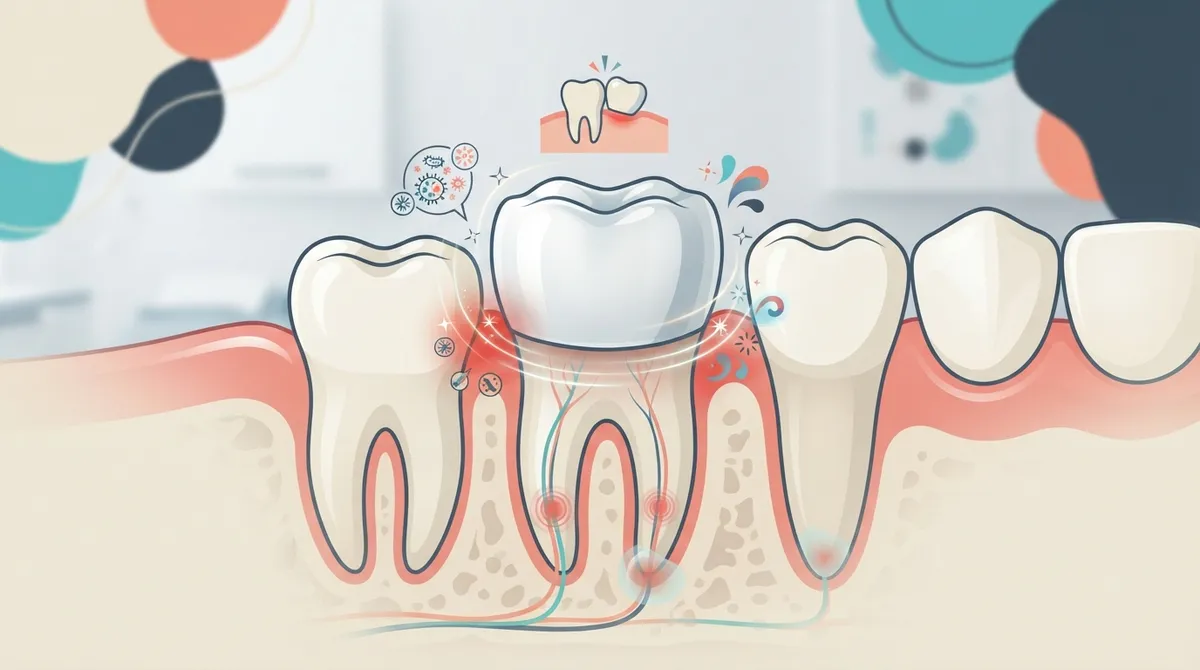
Your tooth just went through a lot. Getting a crown means your dentist reshaped the tooth, took impressions, and placed a new cap over it. That process can leave the area feeling irritated for a little while.
Here are the most common reasons for discomfort after crowns and bridges placement:
- Temporary irritation of the nerve inside the tooth from the preparation process
- Exposed or sensitive dentin, the softer layer under the outer enamel
- Mild gum inflammation around the new crown
- Reaction to the cement used to bond the crown in place
- Lingering effects from the temporary crown you wore before the permanent one
A 2009 clinical study published in Deutsche Zahnärztliche Zeitschrift looked at 43 vital abutment teeth after crown placement. Researchers found mild hypersensitivity in about 7% of teeth right after cementation, dropping to 4.7% at two weeks. By six months, no lingering hypersensitivity was reported. This tells us something important: most crown pain fades with time.
What Counts as Normal Crown Discomfort
So how do you know if your pain is just part of healing? Normal discomfort usually shares a few key traits.
- Mild soreness around the gums that slowly improves each day
- Brief sensitivity to hot or cold drinks that fades quickly once the stimulus is gone
- Slight tenderness when chewing directly on the new crown
- Symptoms that trend downward, not upward, over the following days
Clinical guidance often notes that mild soreness tends to ease within several days, while temperature sensitivity may linger up to about two weeks. These are helpful general timeframes rather than strict rules, since every mouth heals differently. If your discomfort feels like it is following this pattern, you are likely on the right track.
Signs Your Crown Pain Needs a Dentist's Attention
Some symptoms are your tooth's way of waving a red flag. Pay close attention if you notice any of these:
| Symptom | What It May Mean |
|---|---|
| Pain that lingers long after hot or cold exposure | Possible pulp inflammation or nerve involvement |
| Spontaneous pain with no trigger, especially at night | Could signal a deeper infection or nerve problem |
| Worsening throbbing pain over several days | May point to infection or a cracked tooth |
| Sharp pain only when biting down | Often a sign the crown sits too high |
| Swelling, fever, or a bad taste in your mouth | Requires urgent dental evaluation |
If you are dealing with any of these more serious signs, do not wait it out. Reach out to our emergency dentistry team right away so we can get you comfortable again.
Why Does Biting Down Hurt So Much?
This one trips up a lot of patients. If your new crown hurts mainly when you bite down, the culprit is often something simple: a high bite. When a crown sits just slightly taller than your natural bite line, your tooth takes on extra pressure every time you chew.
The fix is usually quick and painless. Your dentist will check your bite with special marking paper and gently smooth down the high spot. This is called an occlusal adjustment, and it often solves biting pain in one short visit.
Please resist the urge to file down the crown yourself or bite hard repeatedly to "wear it in." That approach can damage the crown or push the problem deeper. Let a trained professional make the adjustment instead.
What About Sensitivity to Hot and Cold?
Temperature sensitivity is one of the most talked-about symptoms after crown placement. A randomized clinical trial published in the Journal of Prosthetic Dentistry evaluated postoperative sensitivity after cementation of 77 crowns. Researchers tested several desensitizing agents, and interestingly, none proved clearly better than a placebo at the study's follow-up points.
What does this mean for you? Time and gentle care often matter more than special products. That said, a 2013 study comparing self-adhesive resin cement to resin-modified glass-ionomer cement found significantly lower sensitivity with the self-adhesive cement at one day and one week. This shows that cement choice can play a role, which is why experienced dentists like Dr. Lopez carefully select materials based on each patient's needs.
Simple Steps to Ease Discomfort at Home
While you wait for your tooth to settle, here are some friendly tips to make things easier:
- Avoid very hot or very cold foods and drinks for a few days
- Chew on the opposite side of your mouth when possible
- Keep brushing and flossing gently around the new crown
- Try a desensitizing toothpaste for temperature-related discomfort
- Use an over-the-counter pain reliever only as directed on the label
These small adjustments can make a big difference while your tooth finishes healing. Most patients notice steady improvement within a week or so.
Could It Be a Root Canal Issue?
This is one of the most common worries we hear. Not every crown pain means you need a root canal. However, certain signs do suggest the nerve inside your tooth may be inflamed or infected.
Watch for these warning signs that may point toward needing a root canal evaluation:
- Pain that lingers for more than 30 seconds after cold exposure
- Throbbing pain that wakes you up at night
- Pain that comes on its own, without any trigger
- Increasing sensitivity to pressure or chewing over time
- Visible swelling near the tooth or gum
Diagnosing this properly requires a clinical exam, pulp testing, and often dental X-rays. Sometimes pain that seems to come from a crowned tooth actually comes from a neighboring tooth or the gum tissue nearby. This is why a professional evaluation matters so much rather than guessing at home.
When Should You Call Your Dentist?
Trust your gut here. If something feels off, it is always okay to call and ask. That said, here are clear situations that call for a prompt appointment:
- Pain that gets worse instead of better after several days
- Sharp pain every time you bite down that does not improve
- A crown that feels loose or wiggly
- Swelling in your face or gums
- Fever combined with tooth pain
- A bad taste or odor near the crowned tooth
Do not sit with pain wondering if it will pass. Our friendly team makes it easy to get answers fast. You can book online or simply call us at (407) 378-3704 and we will help you figure out the next best step.
What Happens During a Follow-Up Visit
Worried about what a follow-up appointment involves? It is usually quick and stress-free. Here is what typically happens:
- Your dentist checks your bite and looks for high spots on the crown
- The crown margins are examined for gaps or leakage
- Gums around the tooth are checked for inflammation
- Pulp testing may be done to check nerve health
- X-rays may be taken if deeper issues are suspected
Most of the time, the fix is simple, like a small bite adjustment. Occasionally, further treatment such as a root canal may be recommended if the nerve is affected. Either way, catching problems early keeps things simple and comfortable.
Could the Problem Be a Loose Crown?
A crown that feels loose is different from normal soreness. This can happen if the cement weakens over time, if decay develops underneath the crown, or if grinding and clenching put extra stress on it. Gum recession can also expose the crown's edge, leading to new sensitivity even months or years after placement.
If your crown ever feels wiggly or shifts when you bite, do not ignore it. A loose crown can let bacteria sneak underneath, leading to decay on the natural tooth structure below. This is an easy fix when caught early, so please reach out promptly.
Why Choose Charming Smiles of Ocoee for Crown Care
Getting a crown should feel like a positive step toward a healthier smile, not a source of worry. That is exactly why Dr. Aliuska Lopez and her team focus on gentle techniques, careful bite adjustments, and clear communication every step of the way. Our spa-like office in Ocoee, FL makes even follow-up visits feel relaxed and easy.
Curious what other patients say about their experience? Feel free to visit us on Google — Charming Smiles of Ocoee and see real reviews from your neighbors here in Ocoee. You can also follow along with patient stories and smile transformations on our Charming Smiles Facebook page and our Charming Smiles Instagram page.
If you are also exploring other smile options, our team offers everything from veneers to Invisalign and dental implants, all handled with the same gentle, patient-first approach.
Your Next Step Toward Comfort
Crown tooth pain after placement is usually nothing to panic about, especially when it follows a normal, improving pattern. But you deserve peace of mind, not guesswork. If your discomfort lingers, worsens, or comes with swelling, please do not wait it out at home.
Ready to get checked out or have questions about your new crown? Reach out to our friendly Ocoee team today by visiting our location or giving us a call. We will make sure your smile feels as good as it looks.
FAQs
Q: How long should a tooth hurt after getting a crown?
A: Most mild soreness fades within a few days, while temperature sensitivity can linger up to about two weeks. The key thing to watch is direction: your pain should steadily improve, not get worse. If it lingers longer or grows more intense, give our Ocoee office a call so we can take a look.
Q: Is tooth sensitivity after a crown normal?
A: Yes, brief sensitivity to hot or cold is very common after crown placement. It happens because the tooth and surrounding gum tissue need time to settle after preparation and cementation. If the sensitivity lingers well beyond the cold or hot trigger, that is worth mentioning to your dentist.
Q: Why does my crowned tooth hurt when I bite down?
A: This is usually a sign that the crown sits a little too high, creating extra pressure when you chew. The good news is this is an easy fix. A quick bite adjustment during a follow-up visit almost always solves the problem.
Q: Does pain after a crown mean I need a root canal?
A: Not necessarily. Many crowns cause mild, temporary discomfort that has nothing to do with the nerve. However, lingering pain after cold, spontaneous throbbing, or nighttime pain can signal nerve involvement, so it is worth getting checked to know for sure.
Q: What should I do if my dental crown is painful or feels loose?
A: First, avoid chewing on that side and skip very hot or cold foods for now. Then reach out to your dentist as soon as you can, since a loose crown can let bacteria reach the tooth underneath. Our Ocoee team is always happy to fit you in quickly for these concerns.