How to Get Wisdom Tooth Removal Without the Worry
Learn everything about wisdom tooth removal, from signs you need it to recovery tips, at Charming Smiles of Ocoee in Ocoee, FL.
Key Takeaways
- Not all impacted wisdom teeth need removal; dentists only recommend extraction when the tooth causes pain, infection, decay, gum disease, or damage to neighboring teeth, not simply because it's impacted.
- Recovery typically takes 5-7 days with swelling peaking around days 2-3; most patients return to normal activities within 1-2 weeks, though many feel ready the next day depending on extraction complexity.
- Dry socket, the most common complication at 4.2% occurrence rate, can be prevented by avoiding straws, smoking, vigorous rinsing, and hard foods for the first few days after surgery.
- Anesthesia options range from local numbing alone for simple cases to sedation or general anesthesia for complex extractions, ensuring you won't feel pain during the procedure itself.
- Contact your dentist immediately if you experience uncontrolled bleeding, worsening swelling, severe unrelenting pain, fever, or persistent numbness after surgery, as these require urgent professional attention.
- Proper diagnosis using panoramic X-rays or 3D CT scans is essential before extraction; an experienced dentist can assess tooth position and proximity to nerves to determine if removal is truly necessary.
Sore jaw. Weird pressure in the back of your mouth. Maybe even a little swelling that showed up out of nowhere. If this sounds familiar, your wisdom teeth might be trying to tell you something. Wisdom tooth removal is one of the most common dental procedures out there, and while the words alone can feel scary, the actual process is usually smoother than most people expect.
At Charming Smiles of Ocoee, we know dental anxiety is real. That is why our whole practice is built around comfort, from the spa-like treatment rooms to Dr. Aliuska Lopez's gentle, patient-first approach. Whether you are a busy parent noticing your teen complain about jaw pain, or an adult finally dealing with that nagging back tooth, this guide will walk you through everything you need to know about wisdom tooth removal in 2026.

What Are Wisdom Teeth, Anyway?
Wisdom teeth are your third molars. They are the very last teeth to grow in, usually showing up in your late teens or early twenties. Think of them as your mouth's last guests to arrive at a party that is already full.
Because our jaws often do not have enough room, wisdom teeth can get impacted. That means they get stuck, either under the gum or angled sideways, unable to fully break through. Not every impacted tooth causes trouble. Some sit quietly and never bother anyone. Others cause a whole cascade of problems.
Signs You Might Need Wisdom Tooth Removal
Your body usually gives you clues. Here are common signs dentists look for:
- Recurring pain or tenderness in the back of your jaw
- Swollen or red gums around the back molars
- Bad breath or an odd taste that will not go away
- Difficulty opening your mouth all the way
- Visible decay or damage on the wisdom tooth or the tooth next to it
- Repeated gum infections in that area (dentists call this pericoronitis)
If any of these sound familiar, it is worth scheduling a checkup. Our team at Charming Smiles of Ocoee can take a look and figure out exactly what is going on. You can request an oral surgery consultation to get clear answers instead of guessing.
Do All Impacted Wisdom Teeth Need to Come Out?
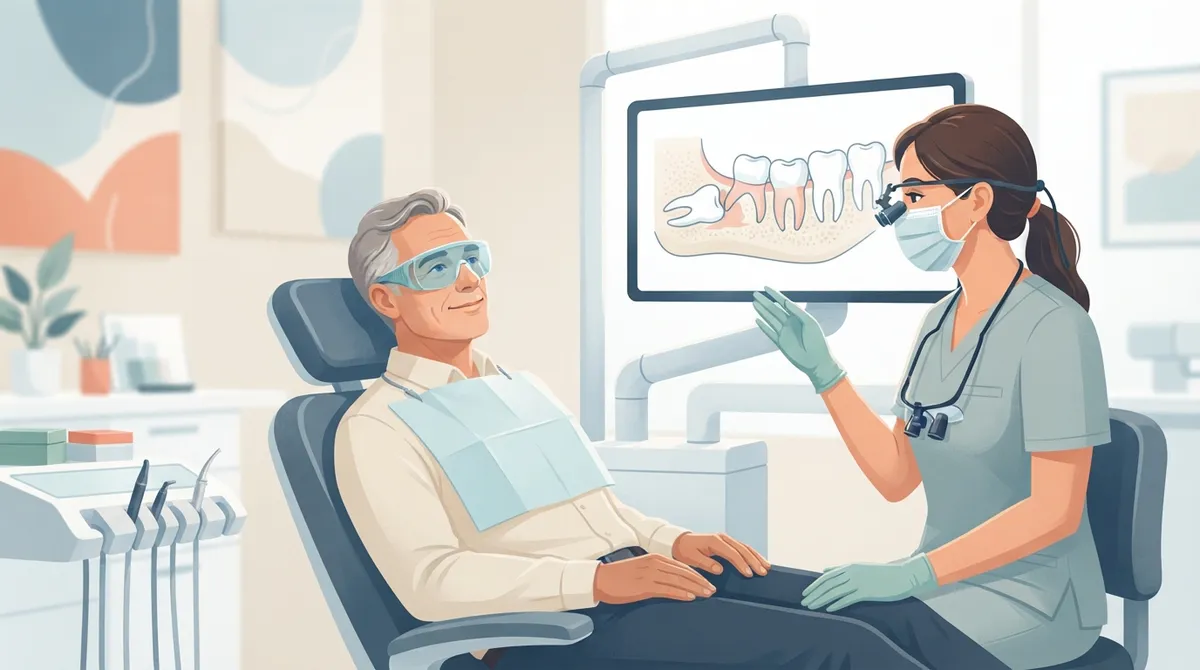
Here is some good news: not necessarily. According to the NHS guidance on wisdom tooth removal, there is no proven benefit to pulling out a problem-free impacted wisdom tooth. If it is not causing pain, infection, or damage, your dentist may simply keep an eye on it with regular checkups and X-rays.
Removal generally becomes the right call when a wisdom tooth causes or is likely to cause:
- Repeated gum infections around the tooth
- Tooth decay that is hard to treat because of the tooth's position
- Gum disease in the surrounding area
- An abscess, cyst, or tumor near the tooth
- Damage to the neighboring tooth
- Ongoing pain clearly linked to that specific tooth
This is why a proper exam matters so much. Guessing at home is never a good idea. A dentist can look at X-rays, check the tooth's position, and talk through your options honestly.
How Dentists Decide: The Diagnosis Process
Getting the full picture starts with a clinical exam and imaging. Most dental offices use panoramic X-rays to see the whole jaw at once. In trickier cases, where the roots sit close to nerves or other important structures, a 3D cone-beam CT scan may be used for extra clarity.
At Charming Smiles of Ocoee, we combine advanced imaging technology with a calm, unhurried appointment style. No rushing, no scary surprises. Just clear information so you can make a confident decision about your general dentistry care plan.
What Happens During the Wisdom Tooth Removal Procedure
Here is a simple step-by-step breakdown of what typically happens:
- Local anesthetic is applied to fully numb the area (sedation is available for anxious patients or more complex cases)
- The dentist may make a small incision in the gum if the tooth has not fully erupted
- A small amount of bone may be removed if it is blocking access to the tooth
- The tooth may be gently divided into smaller sections for easier removal
- The tooth pieces are removed and the socket is cleaned thoroughly
- Stitches are placed if needed, either dissolvable or ones that will be removed later
Straightforward cases can often be handled right in a general dental office. More complex or deeply impacted teeth sometimes need a referral to an oral surgeon. Either way, your comfort stays the top priority.
Anesthesia and Sedation Options
Nobody wants to feel pain during a procedure, and thankfully, you will not have to. Depending on the complexity of your case and your comfort level, options include:
- Local anesthetic alone, for simple extractions
- Local anesthetic plus sedation, for anxious patients or trickier extractions
- General anesthesia, reserved for select complex cases
For our dental anxiety patients, we go the extra mile with calming amenities like soothing music, cozy blankets, and a genuinely warm team who understands that fear of the dentist is completely valid. You deserve a stress-free visit, not a white-knuckle one.
Recovery Timeline: What to Expect
Recovery from wisdom tooth removal is different for everyone, but there are some general patterns worth knowing. According to patient guidance issued by Plymouth Hospitals NHS Trust in July 2025, most people recover in about 5 to 7 days, with swelling typically peaking around days 2 and 3.
| Recovery Stage | What to Expect | Typical Timing |
|---|---|---|
| Day 1 | Numbness wears off, mild soreness begins, some bleeding is normal | First 24 hours |
| Days 2-3 | Swelling and bruising often peak here | 48-72 hours |
| Days 4-7 | Swelling gradually goes down, discomfort eases | 1 week |
| Week 2 | Most people feel back to normal, gums continue healing | 10-14 days |
Many patients return to normal activities the very next day, though more complex extractions may require a few days off from work or school. Every mouth heals a little differently, and that is perfectly okay.
Tips for a Smoother Recovery
Here are some friendly reminders that make a real difference during healing:
- Stick to soft foods like yogurt, mashed potatoes, and smoothies for the first few days
- Avoid using straws, since the suction can disturb the healing blood clot
- Skip smoking and alcohol until your dentist gives the green light
- Avoid very hot drinks and hard, crunchy foods
- Rinse gently with warm salt water, but avoid vigorous swishing
- Follow any medication instructions exactly as given
That little blood clot that forms in the socket is doing important work. It protects the bone and nerves underneath while new tissue grows in. Treat it gently, and your recovery will go much more smoothly.
Possible Complications (and How Common They Really Are)
Let's talk honestly about risks, because informed patients make the best decisions. A systematic review found an overall complication rate of about 12 percent, though this varies quite a bit depending on the tooth's position, the surgeon's experience, and the patient's individual health factors.
One often-cited clinical study looked at 1,206 wisdom tooth removals and found 101 complications, or about 8.4 percent. Here is how those broke down:
| Complication | Reported Rate |
|---|---|
| Dry socket (alveolar osteitis) | 4.2% |
| Temporary nerve sensation changes | 1.0% |
| Persistent nerve sensation changes | 0.5% |
| Abscess | 1.25% |
| Postoperative bleeding | 0.4% |
These numbers might look intimidating at first glance, but remember: the vast majority of patients heal without any major issues. Choosing an experienced dental team, like the one at Charming Smiles of Ocoee, helps keep these risks as low as possible.
What Is Dry Socket, and How Can You Prevent It?
Dry socket happens when the blood clot in the extraction site gets dislodged too early. This exposes the bone and nerves underneath, which can cause a throbbing pain that often shows up around day 3 to 5. It is more common after lower jaw wisdom tooth removal, especially in smokers.
Here is how to lower your risk:
- Avoid straws, smoking, and vigorous spitting for the first few days
- Do not poke or disturb the extraction site with your tongue or fingers
- Follow all rinsing instructions carefully
- Eat only soft foods until your dentist says otherwise
- Attend any follow-up appointments your dentist recommends
When Should You Call Your Dentist After Surgery?
Most recovery bumps are normal and expected. But certain symptoms deserve a phone call right away. Reach out for urgent care if you experience:
- Bleeding that will not stop, even with gentle pressure
- Swelling that keeps getting worse instead of better
- Severe pain that pain relievers are not touching
- Fever
- Swelling in your face or neck
- Trouble breathing or swallowing
- Numbness that lingers or seems to be getting worse
If anything feels off, do not wait it out. Our emergency dentistry team is ready to help you fast, because peace of mind matters just as much as the procedure itself.
Do You Need Antibiotics After Wisdom Tooth Removal?
Not always. Antibiotics are not routinely prescribed after every single extraction. They may be recommended if there is an active or spreading infection, a specific medical risk factor, or another clinical reason. The key is following your dentist's advice rather than self-medicating with leftover prescriptions.
Why Choose Charming Smiles of Ocoee for Wisdom Tooth Removal
Location matters when you are nervous about a procedure. Our office sits conveniently near Publix in Ocoee, making it easy to fit into your busy week. But what really sets us apart is how we treat you once you walk through the door.
Dr. Aliuska Lopez has earned a reputation as a true smile expert, known for gentle, precise care that puts anxious patients at ease. We offer amenities like calming music, cozy blankets, and streaming entertainment in treatment rooms, because we believe dental care should never feel cold or clinical. You can visit us on Google to see what Charming Smiles of Ocoee patients say about their experiences here.
We also make the financial side easier. We accept many major insurance plans including Delta Dental, Cigna, Aetna, MetLife, and more. If you are between plans, our dental savings plan and flexible insurance and financing options can help make treatment affordable. We also currently offer an Emergency Consultation special for just $49 if you are dealing with sudden pain and need answers fast.
A Comfortable Approach for Every Patient
Whether you are bringing in a teenager for their first wisdom tooth consult, or you are an adult who has been putting off this appointment for years, our team meets you exactly where you are. We take time to explain every step, answer every question, and never rush you through decisions about your own mouth.
Curious what other patients are saying? Check out our Charming Smiles Facebook page or follow along on our Charming Smiles Instagram page for real patient stories and smile transformations from around Ocoee.
Getting Started: Your Next Steps
If you suspect your wisdom teeth are causing trouble, here is a simple path forward:
- Schedule a consultation to get X-rays and a professional opinion
- Ask questions about your specific tooth position and any risks involved
- Discuss anesthesia and sedation options that fit your comfort level
- Plan your recovery time around the procedure, even if it is just a day or two
- Follow aftercare instructions closely to avoid complications like dry socket
You do not have to figure this out alone. Our team is here to walk you through every step with patience and genuine care.
Final Thoughts on Wisdom Tooth Removal
Wisdom tooth removal sounds intimidating, but with the right dental team, it becomes a manageable, even routine, part of your oral health journey. Most people recover within one to two weeks, and complications are far less common than the internet rumor mill suggests.
The most important step is simply getting checked out by someone you trust. At Charming Smiles of Ocoee, we combine modern technology with a warm, spa-like environment designed to calm nerves and answer questions honestly. Ready to stop wondering and start feeling better? You can easily book online at a time that works for you, or call us at (407) 378-3704 to speak with our friendly front desk team today. We would love to help you feel confident and comfortable about your smile, starting with your very first visit near our location in Ocoee.
FAQs
Q: Do all impacted wisdom teeth need to be removed?
A: Not at all! If your wisdom tooth is impacted but not causing pain, infection, or damage, your dentist may simply monitor it with regular checkups and X-rays. Removal is usually recommended only when there is a clear problem or a strong risk of future trouble.
Q: How long does recovery take after wisdom tooth extraction?
A: Most patients feel back to normal within 5 to 7 days, with swelling often peaking around days 2 and 3. Many people return to their usual activities the very next day, though more complex cases might need a few extra days of rest.
Q: Is wisdom tooth removal painful, and what anesthesia options are available?
A: You will not feel pain during the procedure itself thanks to local anesthetic, and sedation options are available if you are nervous or need a more complex extraction. Some soreness afterward is normal, but it is very manageable with the right aftercare.
Q: How can I prevent dry socket after wisdom tooth surgery?
A: The best way to avoid dry socket is protecting that healing blood clot. Skip straws, smoking, and vigorous rinsing for the first few days, and stick to soft foods until your dentist gives you the all-clear.
Q: When should I contact a dentist after wisdom tooth removal?
A: Reach out right away if you notice uncontrolled bleeding, worsening swelling, severe pain that will not ease up, fever, or numbness that lingers or gets worse. It is always better to check in than to wait and wonder.