How to Get the Real Benefits of Dental Implants
Discover the real benefits of dental implants, from natural chewing to bone preservation, and learn how Charming Smiles of Ocoee can help.
Key Takeaways
- Dental implants have 92-98% cumulative 10-year survival rates and can last decades with proper care, making them a significantly more durable long-term solution than bridges (10-15 years) or dentures (5-8 years).
- Implants preserve jawbone health and don't require filing down neighboring teeth for support, unlike bridges which compromise adjacent healthy teeth and accelerate bone loss.
- Success requires healthy gums, adequate jawbone volume, good overall health management, and consistent daily oral hygiene plus regular checkups to prevent peri-implantitis infection.
- The implant process takes several months including consultation, potential bone grafting, surgery, healing, and crown placement, so patients must commit to the timeline and maintenance routine.
Missing a tooth changes more than your smile. It can make chewing hard, change how you talk, and chip away at your confidence. If you have been putting off a decision about a gap in your smile, you are not alone. Many folks in Ocoee come to us feeling unsure about their options, and that is completely okay. This guide walks you through how to actually get the full benefits of dental implants, step by step, so you can make a choice that feels right for you.
At Charming Smiles of Ocoee, Dr. Aliuska Lopez and her team have helped patients of all ages replace missing teeth with implants that look, feel, and function like the real thing. We will break down what implants actually do, who they help most, and how to make sure you get the most out of your treatment.
What Are Dental Implants, Really?
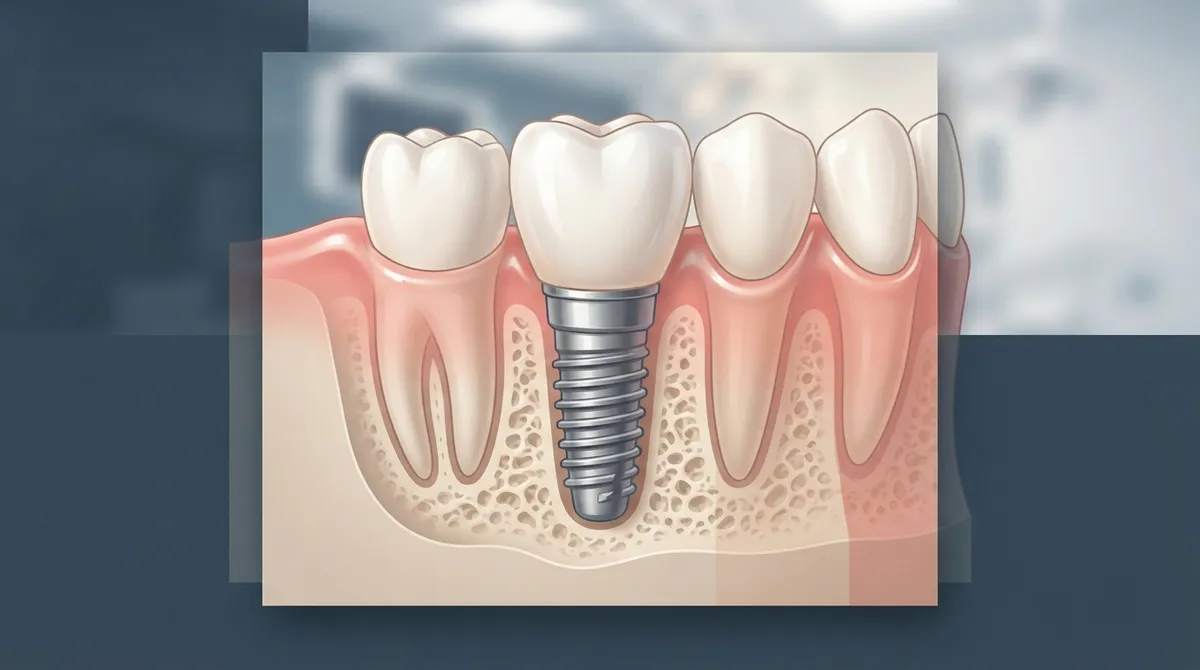
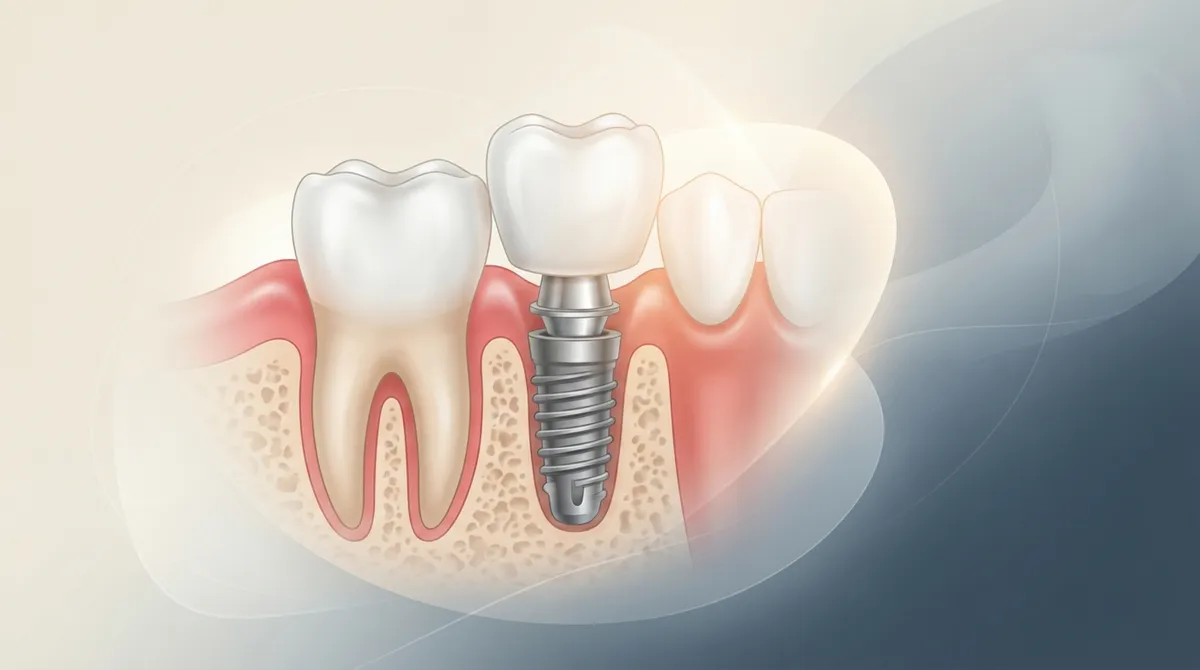
A dental implant is a small post, usually made of titanium, that replaces a missing tooth root. Your jawbone bonds to this post over time in a process called osseointegration. Once that bond is solid, a crown, bridge, or denture attaches on top. The result looks and works like a natural tooth.
This is different from a bridge, which relies on neighboring teeth for support. It is also different from a denture, which sits on your gums without anchoring into bone. Implants stand on their own, which is a big part of why they offer so many unique benefits.

Step 1: Understand the Core Benefits Before You Decide
Before jumping into treatment, it helps to know exactly what you are getting. Here are the main advantages patients experience with dental implants:
- Chewing feels natural again, so you can enjoy your favorite foods without worry
- Speech improves compared to loose dentures that can slip while talking
- Nearby healthy teeth stay untouched, since implants do not need to be anchored to them
- Jawbone gets stimulated, which helps slow down bone loss in that area
- Confidence grows because your smile looks complete and natural
- Cleaning is simple, since you brush and floss implants just like real teeth
These benefits are not just talk. Research backs this up. A guideline from the Royal College of Surgeons of England reports cumulative 10-year survival rates around 92% to 98% for implants and their attached crowns or dentures. That is a strong track record for a treatment that restores so much function.
Step 2: Know Who Benefits Most From Implants
Implants are not automatically the right fit for every single person. A good candidate usually has these traits:
- Healthy gums without active periodontal disease
- Enough jawbone volume to support the implant post
- Good overall health, with any diabetes or other conditions under control
- A commitment to daily brushing, flossing, and regular checkups
- Realistic expectations about healing time and maintenance
Smoking and uncontrolled diabetes can lower success rates, but that does not always rule someone out. During your consultation, Dr. Lopez will review your health history and mouth condition to see what is realistic for you. If you are curious whether you qualify, our general dentistry team can walk you through a full evaluation.
Step 3: Compare Implants to Other Options
It helps to see how implants stack up against other ways to replace a missing tooth. Here is a simple breakdown:
| Feature | Dental Implants | Fixed Bridge | Removable Denture |
|---|---|---|---|
| Affects neighboring teeth | No | Yes, teeth are filed down | No |
| Helps preserve jawbone | Yes | No | No |
| Typical longevity | 10+ years, often decades | 10-15 years | 5-8 years |
| Feels like a natural tooth | Yes | Mostly | Less so |
| Daily removal needed | No | No | Yes |
Bridges and dentures still have their place, especially depending on budget or bone health. But if you want a long-term solution that protects your other teeth, implants are usually the strongest choice.
Step 4: Learn What Success Rates Actually Look Like
Numbers can help set realistic expectations. Here is what current research tells us:
- Cambridge University Hospitals reports success rates of 80% to 95% over 15 years in patients with healthy mouths
- Patients with gum disease history see slightly lower rates, around 80% to 85% over seven years
- More than 90% of implants successfully bond with the jawbone
- A 2024 meta-analysis found survival rates ranging from 78% to 92% over 20 years, depending on the study design
An implant that is stable after one year can often be expected to last at least 10 years, sometimes much longer. The crown on top may need refurbishment around the 10 to 15 year mark, but the implant post itself tends to hold up well with proper care.
Step 5: Prepare for the Process
Getting a dental implant is not a single quick visit. It takes planning and healing time. Here is a general outline of what to expect:
- Initial consultation and imaging to check bone volume and gum health
- Bone grafting if needed, to build up areas with bone loss
- Implant placement surgery, done with local anesthesia for comfort
- Healing period of a few months while the bone bonds to the implant
- Placement of the abutment and final crown, bridge, or denture
Some patients only need a few months total, while others with more complex needs take longer. Our team explains every step clearly so there are no surprises. If dental visits make you nervous, know that our office is designed to be calming, with a spa-like feel meant to ease anxiety and stress during treatment.
Step 6: Take Care of Your Implant for the Long Haul
Implants are durable, but they still need attention. Follow these habits to protect your investment:
- Brush twice daily and floss around the implant just like a natural tooth
- Keep up with regular dental checkups and cleanings
- Avoid smoking, which raises the risk of implant failure
- Manage health conditions like diabetes with your doctor's guidance
- Watch for signs of gum inflammation and report them early
Peri-implantitis, a gum infection around the implant, is one of the main risks if hygiene slips. Catching it early makes treatment much easier, which is why routine visits matter so much.
Step 7: Watch for Possible Risks and Complications
No dental treatment is completely risk-free, and implants are no exception. Possible issues include:
- Failure of the implant to properly bond with bone
- Infection at the surgical site
- Gum inflammation or bone loss around the implant over time
- Loosening of the crown or implant components
- Rare nerve or sinus complications, depending on implant location
These risks are uncommon when implants are placed by an experienced provider and cared for properly. Dr. Aliuska Lopez has built a reputation as a skilled smile expert precisely because she takes time to plan each case carefully, reducing complications before they start.
Step 8: Consider the Full Picture, Not Just the Cost
Implants often cost more upfront than a bridge or denture. But when you factor in longevity, comfort, and the way they protect your remaining teeth, many patients find implants pay off over time. Our insurance & financing options and flexible payment plans can make treatment more manageable. We also offer a dental savings plan for patients without insurance, and you can check our current specials for savings on consultations and treatment.
According to the National Institute of Dental and Craniofacial Research, untreated tooth loss can lead to further oral health problems, which often cost more to fix later. Replacing a missing tooth sooner rather than later tends to be the smarter long-term move.
Why Choose Charming Smiles of Ocoee for Your Implant Journey
Dr. Lopez and her team combine advanced technology with a genuinely caring approach. Patients consistently mention how comfortable they feel, even those who came in nervous about dental work. You can follow our Facebook page for patient stories and updates, or check out our Instagram page to see real smiles we have helped restore. You can also visit us on Google — Charming Smiles of Ocoee to read what our patients say about their experience.
If you are exploring implant alternatives too, it helps to compare options like crowns and bridges or full cosmetic dentistry solutions before making your final decision. Our team is happy to walk through the pros and cons with you honestly.
Ready to Take the Next Step?
Getting the real benefits of dental implants starts with a conversation. Every mouth is different, and the best way to know if implants are right for you is a personal consultation with our team in Ocoee. You can easily book online at a time that works for you.
Whether you have one missing tooth or several, do not wait to explore your options. Visit our location in Ocoee, or simply call us at (407) 378-3704 to schedule your free implant consultation today. Your smile deserves a solution built to last.
FAQs
Q: What are the main benefits of dental implants?
A: Dental implants let you chew and speak naturally, protect your healthy neighboring teeth, and help preserve your jawbone. They also look and feel just like real teeth, which brings back a lot of confidence for our patients here in Ocoee.
Q: How long do dental implants actually last?
A: Many implants last 10 years or longer, with some patients enjoying theirs for decades. Success really depends on your gum health, bone quality, and how well you keep up with brushing, flossing, and regular checkups.
Q: Am I a good candidate for dental implants?
A: Good candidates usually have healthy gums, enough jawbone to support the implant, and manageable overall health. Even if you smoke or have diabetes, it does not always rule you out, so a consultation with our team is the best way to find out.
Q: Do dental implants hurt, and what is recovery like?
A: Most patients feel mild discomfort for a few days after surgery, similar to a tooth extraction. We use local anesthesia during the procedure, and full healing before the final crown is placed typically takes a few months.
Q: Can dental implants replace more than one missing tooth?
A: Yes, implants can support a bridge or even a full denture, replacing several teeth at once. This is a great option if you are missing multiple teeth and want something more stable than a removable denture.