How to Get Ready for Dental Implant Surgery in Ocoee
Learn what to expect from dental implant surgery, from consultation to recovery, with expert guidance from Charming Smiles of Ocoee.
Key Takeaways
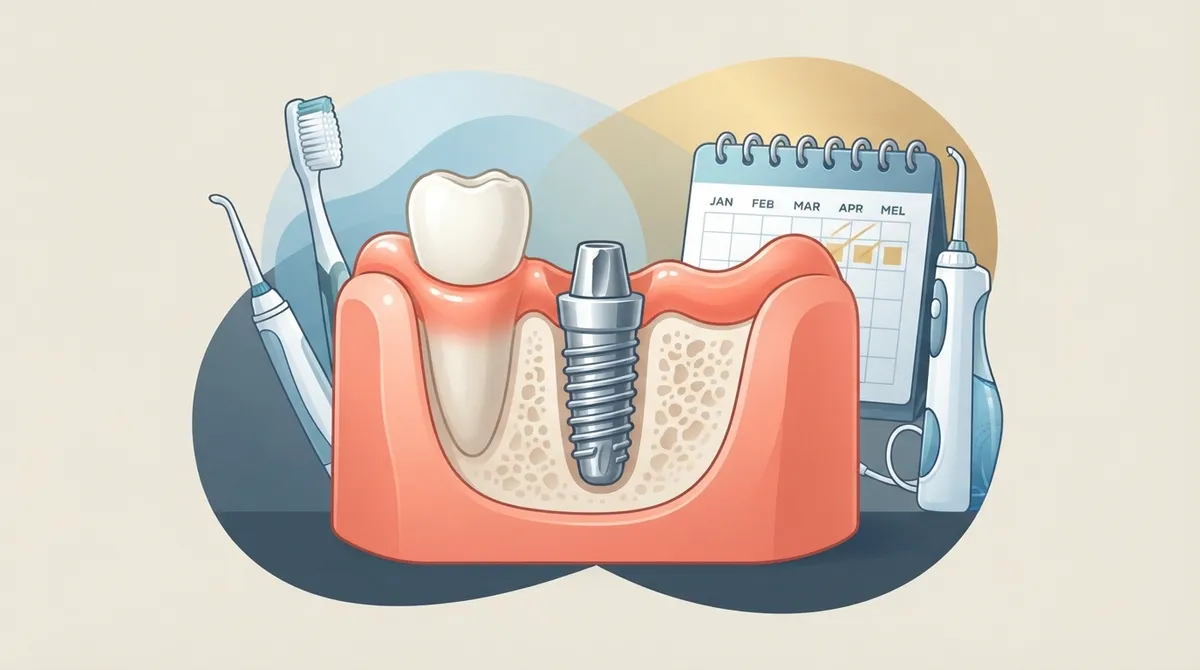
- Dental implants have a 97% success rate at 10 years and 75% at 20 years, but success depends on bone health, gum health, smoking habits, and proper maintenance with checkups every 3-6 months.
- Before implant surgery, treat any existing gum disease first, get imaging (X-rays or CT scan) to assess bone strength, and discuss bone grafting if your jawbone has thinned from tooth loss.
- The full implant process takes 3-6 months for osseointegration (jawbone bonding with the implant), plus additional time for bone grafting if needed, though the surgery itself is only 1-2 hours under local anesthesia.
- Post-surgery recovery is typically mild with soft swelling, bruising, and tenderness managed by over-the-counter pain relief; most patients return to work within 1-2 days but must follow soft food diet initially.
- Good implant candidates need healthy gums, adequate jawbone, well-managed overall health, and daily oral hygiene commitment; smoking, uncontrolled diabetes, and untreated gum disease significantly lower success rates.
- Long-term implant care requires brushing twice daily with soft bristles, daily flossing, avoiding hard foods, quitting smoking, wearing a night guard if you grind teeth, and attending professional cleanings every 3-6 months.
Missing a tooth can feel like more than a gap in your smile. It can change how you eat, speak, and even how confident you feel walking into a room. If you have been thinking about dental implant surgery, you are not alone. Many folks right here in Ocoee are choosing implants to get their smile — and their confidence — back for good.
At Charming Smiles of Ocoee, Dr. Aliuska Lopez and her team walk patients through every step of this journey with warmth and patience. This guide will help you understand what dental implant surgery involves, how to prepare, and what to expect so you can walk into your consultation feeling calm and informed.
What Is Dental Implant Surgery, Really?
Dental implant surgery replaces a missing tooth root with a small, biocompatible post, usually made of titanium. This post acts like a new root. Once it heals into your jawbone, it supports a crown, bridge, or denture on top.
Think of it like planting a sturdy fence post before building a fence. The post needs to be secure before anything gets attached to it. That is exactly what happens with dental implants during the healing period.
Am I a Good Candidate for Dental Implant Surgery?
Not everyone is ready for implants on day one, and that is perfectly okay. A good candidate typically has:
- Healthy gums, free from active gum disease
- Enough jawbone to support the implant
- Good overall health, with any diabetes well managed
- A commitment to daily brushing and flossing
- Realistic expectations about treatment time and results
Smoking, uncontrolled diabetes, and untreated gum disease can lower success rates. That is why Dr. Lopez always treats any gum issues first. She wants your implant to have the best possible chance to thrive for years to come.
How to Prepare: 7 Steps Before Your Implant Surgery
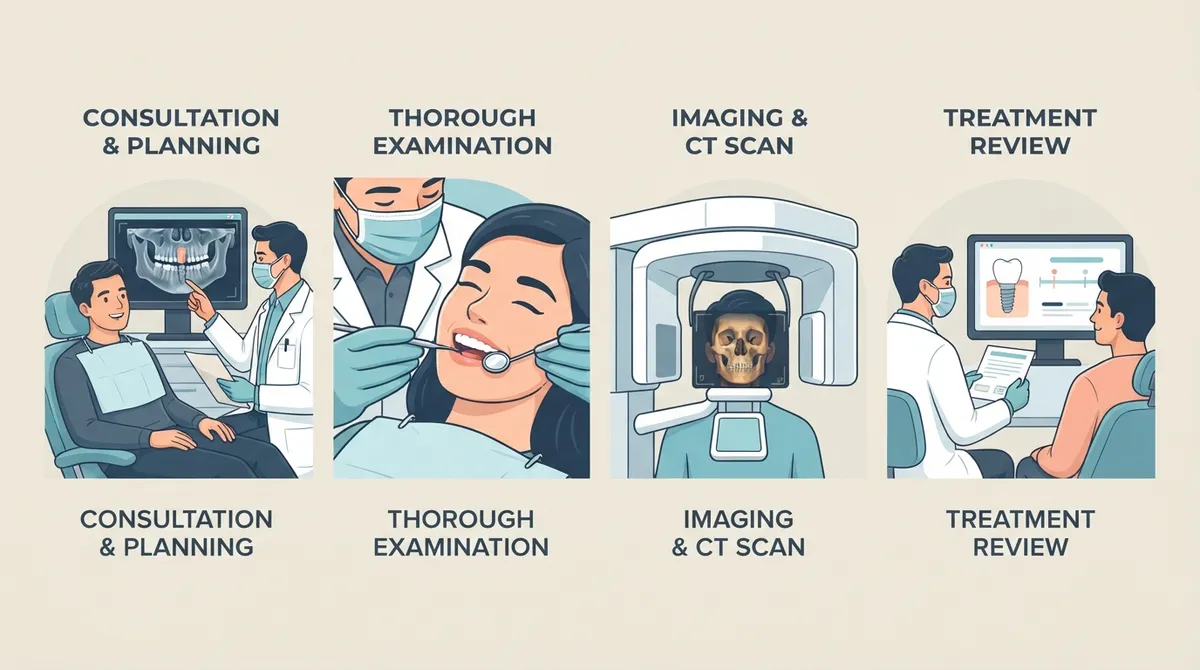
- Schedule a consultation. This visit includes a full exam and imaging to check your bone and gum health.
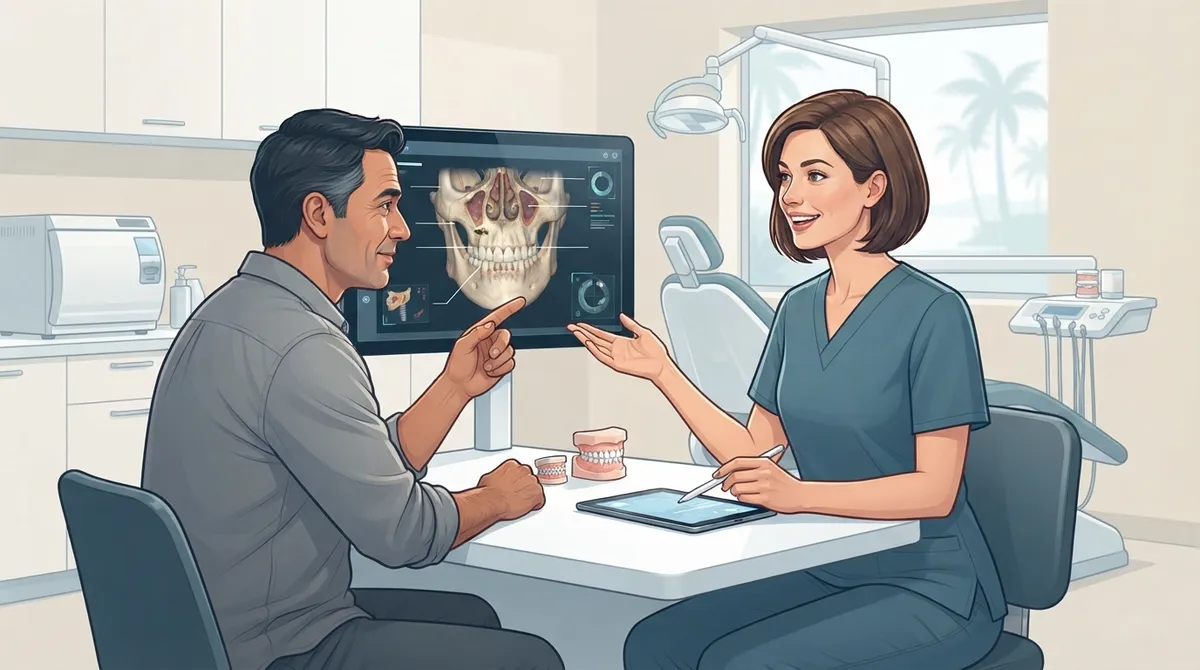
- Get digital X-rays or a CT scan. These images show exactly where your bone is strongest.
- Treat any gum disease first. Healthy gums are the foundation for implant success.
- Discuss bone grafting if needed. Some patients need extra bone before an implant can be placed.
- Review your medical history. Share all medications, health conditions, and habits like smoking.
- Plan your recovery time. Ask about time off work and soft food shopping.
- Ask about sedation options. If you feel nervous, options exist to help you relax.
Many nervous patients tell us this step-by-step approach makes all the difference. If dental anxiety has kept you away from the dentist chair, our gentle approach to easing dental anxiety might be exactly what you need.
The Dental Implant Process: What Happens Step by Step
Understanding each stage helps take the mystery out of the process. Here is a simple breakdown:
1. Consultation and Imaging
Your dentist examines your mouth and takes detailed images. This helps map out the safest, most precise placement for your implant.
2. Bone Grafting (If Needed)
If your jawbone has thinned from missing a tooth for a while, a bone graft may be added first. This gives the implant a strong, stable base. Healing from a graft can take a few months before implant placement.
3. Implant Placement
During surgery, the titanium post is placed into the jawbone. This is typically done with local anesthesia, so you should not feel pain during the procedure itself.
4. Osseointegration (Healing Time)
This is the waiting game. Your jawbone slowly grows around the implant, locking it into place. This process commonly takes about three to six months, though timelines can vary based on your healing and the type of loading protocol used.
5. Abutment Placement
Once healed, a small connector piece called an abutment is attached to the implant. This piece links the implant to your new tooth.
6. Final Restoration
Your custom crown, bridge, or implant-supported denture is placed on top. This is the part everyone gets excited about, since it is when your new smile becomes visible.
What Does Recovery Feel Like?
Most patients describe recovery as much easier than they expected. Common short-term effects include:
- Mild swelling around the gums and face
- Some bruising near the surgery site
- Minor bleeding for the first day or so
- Tenderness when chewing for a few days
- Slight discomfort managed with over-the-counter or prescribed medication
Your dental team will give you clear instructions about diet, oral hygiene, and activity level. Sticking to soft foods for the first few days helps protect the surgery site while it starts to heal.
How Successful Is Dental Implant Surgery?
Dental implants have a strong track record, though results can vary based on your health, habits, and how well you care for them afterward. Here is a snapshot of the data:
| Outcome Measure | Reported Range |
|---|---|
| Success rate at 10 years (2022 clinical review) | Approximately 97% |
| Success rate at 20 years (2022 clinical review) | Approximately 75% |
| Outcomes over 15 years in healthy mouths (Cambridge University Hospitals) | Approximately 80% to 95% |
| Outcomes over 7 years with gum disease history | Approximately 80% to 85% |
| Peri-implant mucositis (2025 review) | 7.2% |
| Peri-implantitis (2025 review) | 2.6% |
These numbers show implants are a reliable choice for many people, but they are not a guarantee. Your specific outcome depends on your bone health, gum health, habits like smoking, and how well you maintain your new smile.
Possible Risks and Complications
Every surgery carries some risk, and dental implants are no different. Being informed helps you make the best decision for your health. Potential complications include:
- Failure of the implant to fuse with the bone (osseointegration failure)
- Infection at the implant site
- Gum inflammation around the implant (peri-implant mucositis)
- Bone loss around the implant (peri-implantitis)
- Nerve irritation or numbness, in rare cases
- Screw loosening or crown fracture over time
A 2025 evidence review found an overall adverse-event rate of 7.5 per 100 person-years across implant patients, which includes both minor and more serious issues. This is why regular checkups matter so much after your implant heals.
Dental Implants vs. Other Tooth Replacement Options
Implants are not the only way to replace a missing tooth. Here is how they compare to two common alternatives:
| Option | Pros | Considerations |
|---|---|---|
| Dental Implants | Long-lasting, feels natural, preserves jawbone | Higher upfront cost, requires healing time |
| Dental Bridges | Faster process, no surgery needed | May require altering neighboring teeth |
| Dentures | Non-surgical, budget-friendly | Can shift, may need adjustments over time |
Every mouth is different, so the right choice depends on your bone health, budget, and personal goals. That is exactly why a thorough implant consultation matters so much before moving forward.
How to Care for Your Dental Implant Long Term
Implants are not "fix it and forget it." They need daily care, just like natural teeth. Here is how to protect your investment:
- Brush twice a day with a soft-bristled brush
- Floss daily around the implant crown
- Avoid chewing on very hard foods or ice
- Quit smoking, since it slows healing and raises failure risk
- Wear a night guard if you grind or clench your teeth
- Visit your dentist every three to six months for checkups
Cambridge University Hospitals notes that implants often need professional review and cleaning every three to six months, depending on your personal risk factors. Skipping these visits is one of the most common reasons implants fail early.
Why Choose Charming Smiles of Ocoee for Your Implant Journey
Dr. Aliuska Lopez has built a reputation as a trusted smile expert in Ocoee, known for gentle, precise care. Our spa-like office near Publix offers a calm setting, so even nervous patients feel at ease. We also offer a free dental implant consultation and $200 off treatment, plus flexible financing options to make your new smile affordable.
Curious what other patients have experienced? You can visit us on Google — Charming Smiles of Ocoee to read real reviews from your neighbors here in Ocoee. You can also follow along on our Charming Smiles Facebook page and Charming Smiles Instagram page for smile transformation stories and helpful tips.
According to the American Academy of Implant Dentistry, patient education and careful planning are two of the biggest factors in long-term implant success. This is exactly why our team spends extra time answering your questions before any surgery begins.
Frequently Asked Questions About Recovery Timelines
Many patients want to know how soon they can return to normal life after implant surgery. Most people go back to work within a day or two, depending on the job and how they feel. Full healing and bone integration, though, takes several months before the final crown goes on.
If you have more questions about the process, timing, or cost, our friendly team is just a phone call away. You can call us at (407) 378-3704 to ask anything on your mind, big or small.
Ready to Take the Next Step?
Dental implant surgery can feel like a big decision, but you do not have to figure it out alone. Our team at Charming Smiles of Ocoee is here to guide you with kindness, honesty, and real expertise every step of the way. Whether you are missing one tooth or several, we will help you find the right path forward for your smile and your budget.
Ready to see if implants are right for you? Book your free consultation today and take the first step toward a smile you will love showing off. You can also stop by our location to meet the team and see our comfortable, spa-like office in person. We cannot wait to welcome you.
FAQs
Q: How painful is dental implant surgery?
A: Most patients are pleasantly surprised at how manageable it is! You will have local anesthesia during the procedure, so you should not feel pain while it happens. Afterward, mild soreness and swelling are normal, and over-the-counter pain relief usually does the trick.
Q: How long does dental implant surgery and healing take?
A: The surgery itself often takes about one to two hours, but the full healing process is a journey, not a sprint. Osseointegration, when your jawbone bonds with the implant, typically takes three to six months before your final crown goes on.
Q: Do I need a bone graft before getting a dental implant?
A: Not everyone does! Bone grafting is only needed if your jawbone has thinned out too much to support the implant securely. Dr. Lopez will check this during your imaging appointment and let you know if it is necessary for your smile.
Q: What are the risks and complications of dental implants?
A: Like any surgery, there are some risks, including infection, gum inflammation, or the implant not fusing properly with the bone. The good news is these issues are relatively uncommon, and regular checkups help catch problems early before they become bigger concerns.
Q: How should I care for dental implants after surgery?
A: Treat your implant like a natural tooth with gentle brushing, daily flossing, and regular dental visits. Avoiding smoking and hard foods, along with wearing a night guard if you grind your teeth, will help your implant last for many years to come.