How to Get Dental Bridge Treatment That Lasts
Learn how dental bridge treatment restores missing teeth, plus costs, types, and care tips from Ocoee's trusted dental team.
Key Takeaways
- Dental bridges restore chewing ability, speech clarity, and prevent nearby teeth from shifting into the gap, while offering a fixed solution that feels natural and requires no removal.
- Traditional bridges cost around $3,769 on average, Maryland bridges $1,500-$2,500, and implant-supported bridges $4,000-$16,000; many dental insurance plans cover bridges as functional restoration.
- The bridge process typically takes 2-3 weeks across multiple visits: tooth preparation, impressions, temporary bridge placement, and final fitting with a permanent custom-made bridge.
- Maryland (resin-bonded) bridges require minimal tooth preparation by bonding to the back of nearby teeth, making them gentler for front teeth compared to traditional bridges that grind down supporting teeth.
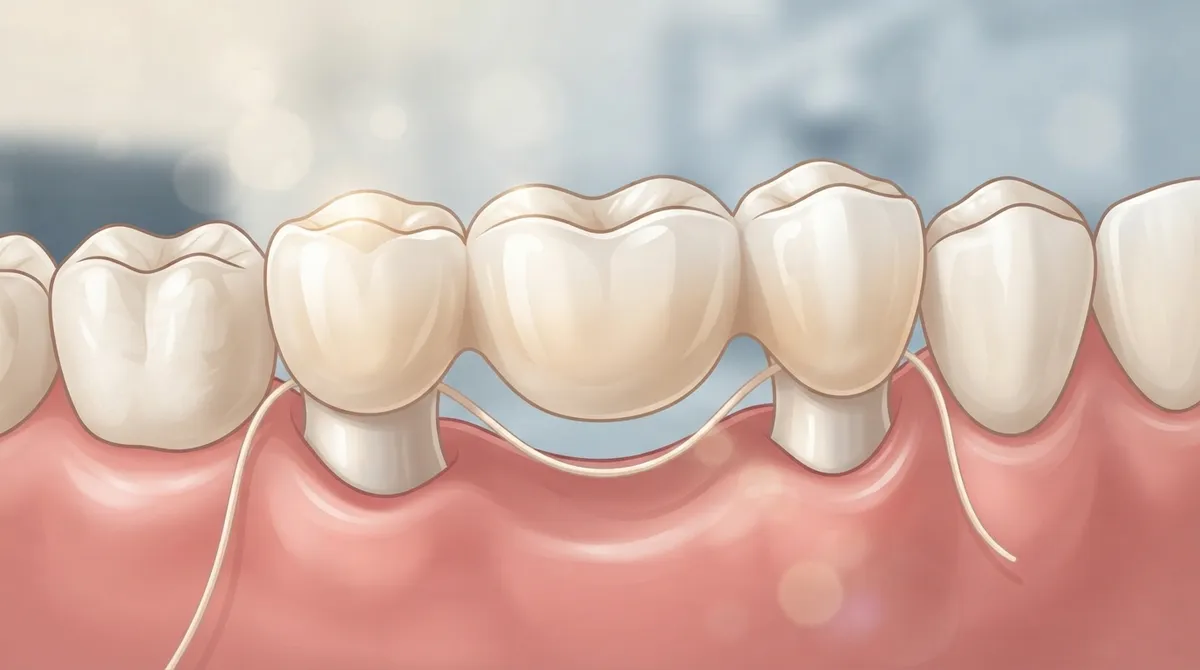
- Bridges last 10-15 years with proper care including twice-daily brushing, daily flossing under the bridge using a threader, avoiding hard foods, and regular dental checkups.
- Implant-supported bridges offer superior longevity (20+ years) and preserve jawbone health, making them better for long-term goals despite higher upfront costs and longer treatment time than traditional bridges.
Missing a tooth changes more than your smile. It can make chewing hard, shift your other teeth, and even affect the way you talk. If you are searching for a fix that feels natural and works well, dental bridge treatment might be exactly what you need. This guide walks you through everything, from types of bridges to costs, so you can make a smart choice for your smile.
At Charming Smiles of Ocoee, Dr. Aliuska Lopez and her team help patients in Ocoee, FL replace missing teeth every week. Whether you are a busy parent, a senior looking for comfort, or someone nervous about the dentist, this article breaks down dental bridge treatment in simple, friendly terms. Let's get started.
What Is Dental Bridge Treatment?
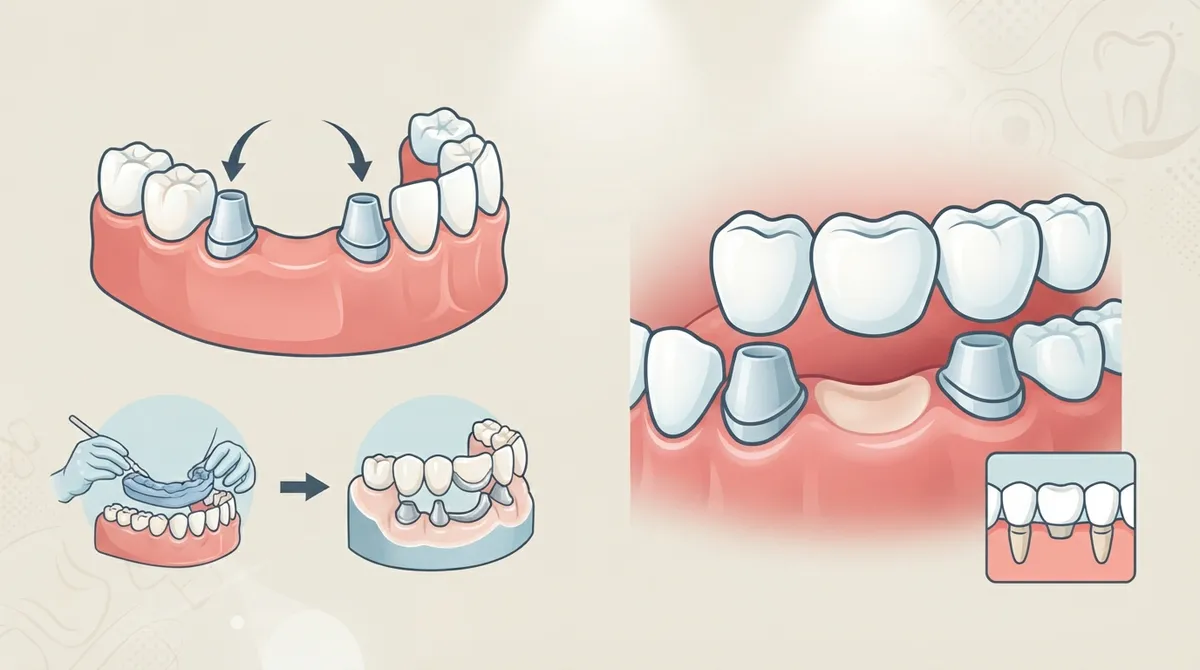
A dental bridge is a fixed replacement for one or more missing teeth. Unlike removable dentures, a bridge stays in your mouth all the time. It "bridges" the gap left by a missing tooth using nearby teeth or implants for support.
Your dentist takes impressions or digital scans of the teeth next to the gap. These teeth become the anchors for your new bridge. A lab crafts the bridge to match your natural teeth in size, shape, and color.
Bridges help with more than looks. They also:
- Restore your ability to chew comfortably
- Help you speak clearly again
- Stop nearby teeth from shifting into the empty space
- Support your facial shape and bite alignment
- Boost your confidence when you smile
Types of Dental Bridges Explained
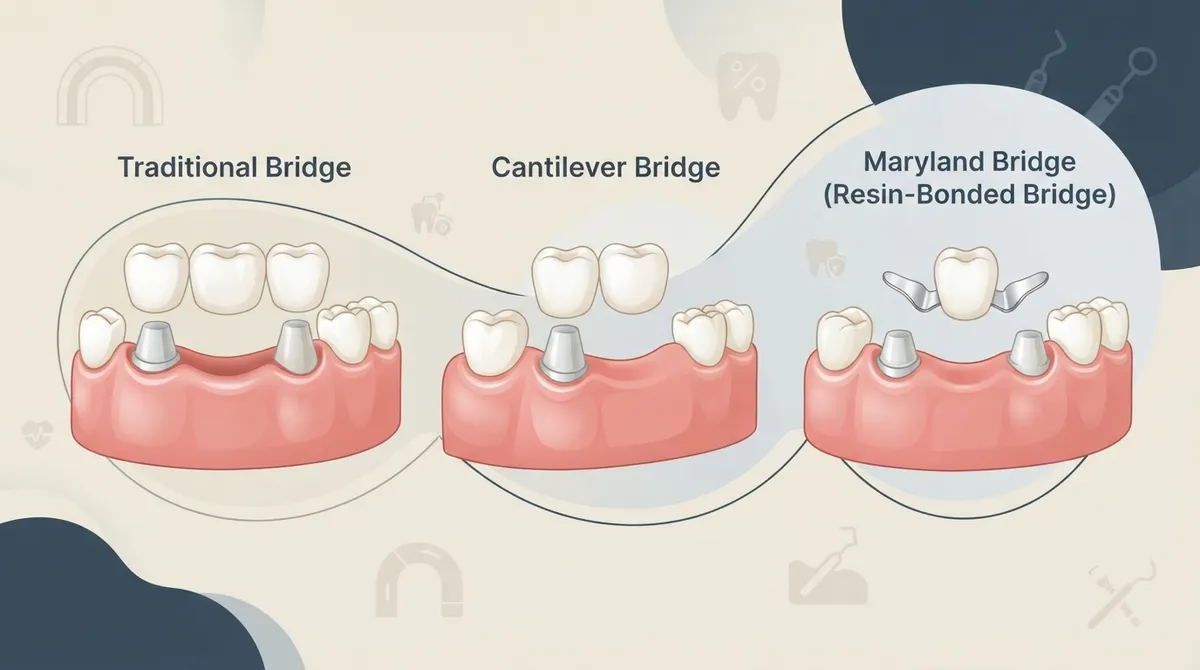
Not all bridges are the same. Your dentist will recommend a type based on your mouth, budget, and how many teeth you are missing. Here are the four main types you should know about.
1. Traditional Bridges
This is the most common type. It uses crowns on both sides of the gap to hold a false tooth (called a pontic) in place. Your dentist prepares the two neighboring teeth so crowns can fit snugly over them.
2. Cantilever Bridges
This style only needs one supporting tooth instead of two. It works well when you only have a tooth on one side of the gap. However, it puts more pressure on that single tooth, so your dentist will check if it is strong enough first.
3. Maryland (Resin-Bonded) Bridges
Maryland bridges use a metal or porcelain framework bonded to the back of nearby teeth. This method skips the need to grind down your natural teeth, making it a gentler option, especially for front teeth.
4. Implant-Supported Bridges
Instead of relying on natural teeth, this bridge attaches to dental implants. It works great when you are missing several teeth in a row and want a strong, long-lasting solution.
How Dental Bridge Treatment Works: Step-by-Step
Getting a bridge usually takes place over two or more visits. Here is what you can expect during your dental bridge treatment journey.
- Initial Consultation: Your dentist checks your teeth and gums, takes X-rays, and talks about your options.
- Tooth Preparation: If you are getting a traditional bridge, the supporting teeth are shaped to hold crowns.
- Impressions or Scans: Your dentist captures the exact shape of your teeth to create a custom bridge.
- Temporary Bridge: While your permanent bridge is made in a lab, you wear a temporary one to protect your teeth and gums.
- Fitting the Permanent Bridge: Once ready, your dentist checks the fit, bite, and appearance before cementing it in place.
- Follow-Up Visit: A quick check-up makes sure everything feels comfortable and functions well.
Many patients find the process much easier than they expected. The team at Charming Smiles of Ocoee creates a calm, spa-like setting so you feel relaxed at every step. If dental anxiety has kept you away from the dentist, this kind of gentle care can make a real difference.
How Much Does Dental Bridge Treatment Cost in 2026?
Cost is often the biggest question people have. The good news is that prices vary based on the type of bridge you choose, giving you options that fit different budgets.
| Bridge Type | Average Cost (2026) | Best For |
|---|---|---|
| Traditional Bridge | $2,500 - $5,000 (avg. $3,769) | Single tooth gaps with strong neighboring teeth |
| Maryland/Resin-Bonded Bridge | $1,500 - $2,500 | Front teeth, minimal tooth preparation |
| Cantilever Bridge | Similar to traditional pricing | Gaps with only one nearby tooth |
| Implant-Supported Bridge | $4,000 - $16,000 | Multiple missing teeth, long-term durability |
These numbers come from national pricing guides for 2026. Your actual cost depends on your specific case, materials used, and whether you need extra work like a bone graft first.
Is Dental Bridge Treatment Covered by Insurance?
Many dental insurance plans cover part of the cost for bridges since they restore function, not just looks. In England, the NHS classifies bridges under Band 3 treatment, which costs £332.10 as of April 2026. This band also covers crowns and dentures.
Here in the U.S., coverage depends on your specific plan. Charming Smiles of Ocoee works with many major insurance providers, including:
- MetLife
- Delta Dental
- Cigna
- Aetna
- United Healthcare
- Humana
- Guardian
- United Concordia
Not sure if your plan is accepted? Give the office a call and the team will check your benefits for you. You can also explore insurance & financing options or ask about the practice's dental savings plan if you do not have insurance.
Dental Bridge vs. Dental Implant: Which Is Right for You?
This is one of the most common questions patients ask. Both options replace missing teeth, but they work differently. Here is a simple comparison to help you decide.
| Factor | Dental Bridge | Dental Implant |
|---|---|---|
| Treatment Time | Usually 2-3 weeks | Several months (includes healing time) |
| Affects Nearby Teeth | Yes, teeth are prepared for crowns | No, implant stands alone |
| Bone Health | Does not stop bone loss in the gap | Helps preserve jawbone |
| Average Lifespan | 10-15 years | 20+ years, often a lifetime |
| Upfront Cost | Generally lower | Generally higher |
If you want a faster fix with a lower upfront cost, a bridge may be the better option. If you are focused on long-term bone health and durability, an implant-supported bridge or standalone implant could serve you well. Your dentist can walk you through both choices during a consultation.
Signs You Might Need a Dental Bridge
How do you know if a bridge is right for you? Watch for these common signs:
- You have a gap from a missing tooth that bothers you when eating or talking
- Your other teeth have started shifting into the empty space
- You feel self-conscious about smiling due to a missing tooth
- Your dentist has noted changes in your bite alignment
- You want a fixed solution instead of removable dentures
If any of these sound familiar, it may be time to schedule a checkup. Charming Smiles of Ocoee offers a free cosmetic consultation, so you can explore your options without any pressure.
Caring for Your Dental Bridge
A bridge can last many years with the right care. Here are simple habits that help protect your investment:
- Brush twice daily using a soft-bristled toothbrush
- Floss under the bridge daily using a floss threader or water flosser
- Avoid biting down on hard foods like ice or hard candy
- Visit your dentist for regular cleanings and checkups
- Wear a nightguard if you grind your teeth at night
Good oral hygiene keeps the supporting teeth healthy and helps your bridge stay in place longer. Regular general dentistry visits also let your dentist catch small issues before they become bigger problems.
Why Choose Charming Smiles of Ocoee for Your Bridge Treatment
Choosing where to get your dental bridge treatment matters just as much as choosing the right bridge type. Dr. Aliuska Lopez has built a reputation as a trusted smile expert in Ocoee, known for gentle care and precise results.
The practice combines advanced dental technology with a spa-like setting. Patients enjoy soothing music, streaming entertainment, cozy blankets, and aromatherapy during their visits. This makes the whole experience much easier, especially if you feel nervous about dental work.
Charming Smiles of Ocoee also offers flexible payment plans and third-party financing through CareCredit, Alphaeon Credit, and Cherry Financing. You do not have to put off treatment because of cost concerns. Check out the practice's current specials for savings on consultations and treatments.
Curious what other patients think? You can visit Charming Smiles of Ocoee on Google to read real reviews from local families. You can also connect with the practice on the Charming Smiles Facebook page or follow along on the Charming Smiles Instagram page for smile transformation photos and tips.
Frequently Searched Related Topics
If you found this guide helpful, you might also want to learn more about crowns & bridges as a combined treatment option. Many patients also explore dentures if they are missing multiple teeth, or ask about root canals before getting a crown placed on a damaged tooth.
For those weighing all their options, our article on Dental Implants vs. Bridges: Which Fits Your Smile? goes deeper into this comparison. You can also read about crowns and bridges in Ocoee to see real patient stories from the local community.
Ready to Restore Your Smile?
A missing tooth does not have to hold you back. Dental bridge treatment offers a reliable, natural-looking way to fill the gap and get back to eating, talking, and smiling with confidence. Whether you choose a traditional bridge, a Maryland bridge, or an implant-supported option, the team at Charming Smiles of Ocoee is here to guide you every step of the way.
Ready to take the next step? You can book online today, or simply call us at (407) 378-3704 to schedule your free consultation. Learn more about our location near Publix in Ocoee and find a time that works for you. Your confident, complete smile is closer than you think.
FAQs
Q: What is a dental bridge and how does it work?
A: A dental bridge is a fixed replacement for one or more missing teeth. It uses the teeth or implants next to the gap as anchors, holding a false tooth firmly in place so you can chew and speak normally again.
Q: How long does dental bridge treatment take?
A: Most patients complete treatment in two to three visits over a couple weeks. You will wear a temporary bridge while your permanent one is custom made, then come back for the final fitting.
Q: How much does a dental bridge cost in 2026?
A: Costs vary by type. Traditional bridges average around $3,769, Maryland bridges run $1,500 to $2,500, and implant-supported bridges can range from $4,000 to $16,000 depending on your case.
Q: How long do dental bridges last?
A: With good care, a dental bridge typically lasts 10 to 15 years, sometimes longer. Regular brushing, flossing under the bridge, and routine dental checkups all help extend its life.
Q: What are the pros and cons of a dental bridge versus an implant?
A: Bridges are usually faster and cost less upfront, but implants tend to last longer and help protect your jawbone. Your dentist can help you weigh both options based on your budget and long-term goals.