How to Fix a Crossbite with Invisalign in 2026
Learn how Invisalign can correct mild to moderate crossbites, what treatment involves, and why Charming Smiles of Ocoee is the trusted choice.
Key Takeaways
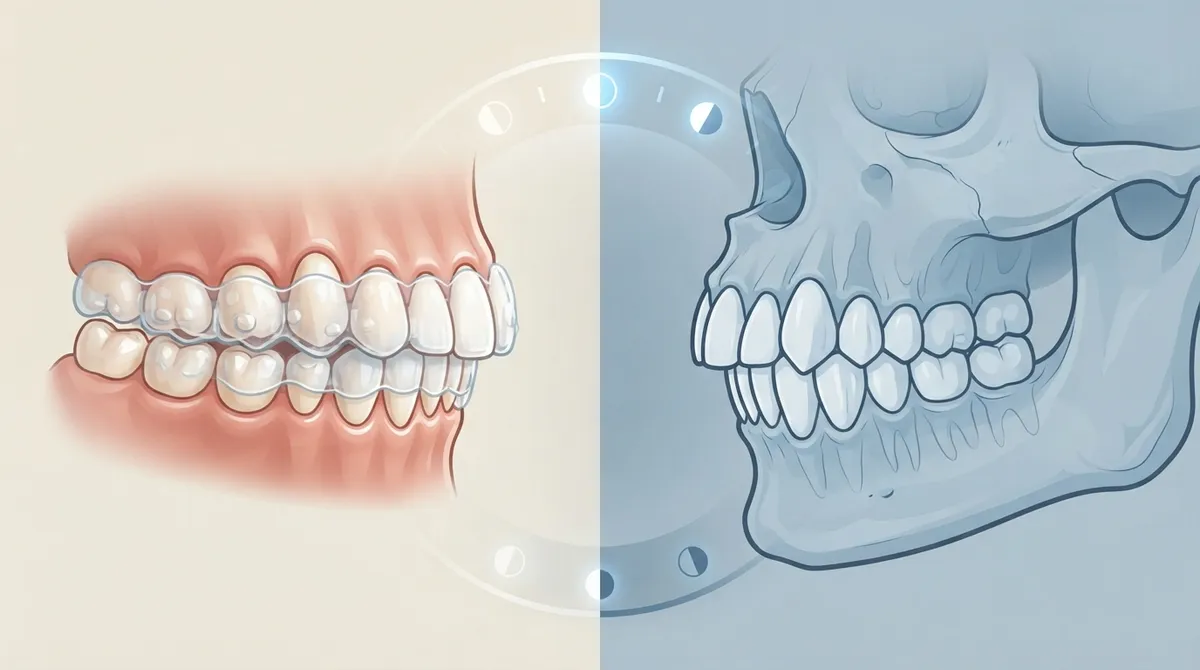
- Invisalign effectively treats mild to moderate dental crossbites, especially single-tooth cases, but cannot fix skeletal crossbites involving jaw misalignment without additional tools like expanders or surgery.
- Treatment duration varies significantly: mild single-tooth crossbites take 6-8 months, moderate cases 12-18 months, and complex cases 18-24 months, with children seeing faster results due to flexible growing jaws.
- Moderate to severe posterior crossbites often require elastics or palatal expanders alongside Invisalign for extra corrective force, while severe skeletal cases may need traditional braces or oral surgery.
- Clear aligners work best for dental crossbites caused by teeth misalignment rather than skeletal crossbites caused by jaw structure, making proper diagnosis essential before starting treatment.
- Crossbite symptoms like jaw shifting, tooth grinding, uneven wear, jaw pain, and asymmetrical smile indicate you should schedule a checkup, as untreated crossbites can lead to tooth damage and joint problems.
- Post-treatment retention with a retainer is critical for maintaining bite correction, as your bite took time to shift into the wrong position and needs ongoing support to stay properly aligned.
Do your back teeth feel like they're playing tug-of-war every time you bite down? Maybe your jaw shifts to one side, or your teeth just don't line up the way they should. If this sounds familiar, you might have a crossbite. And here's the good news: you may not need bulky metal braces to fix it. Invisalign for crossbite treatment has helped many patients in Ocoee straighten their bite while barely anyone notices they're wearing aligners at all.
At Charming Smiles of Ocoee, we get this question a lot: "Can clear aligners really fix my bite problem?" The answer depends on a few things, like how severe your crossbite is and whether it's a dental issue or a jaw issue. Let's break it all down together, step by step, so you know exactly what to expect.
What Is a Crossbite, Anyway?
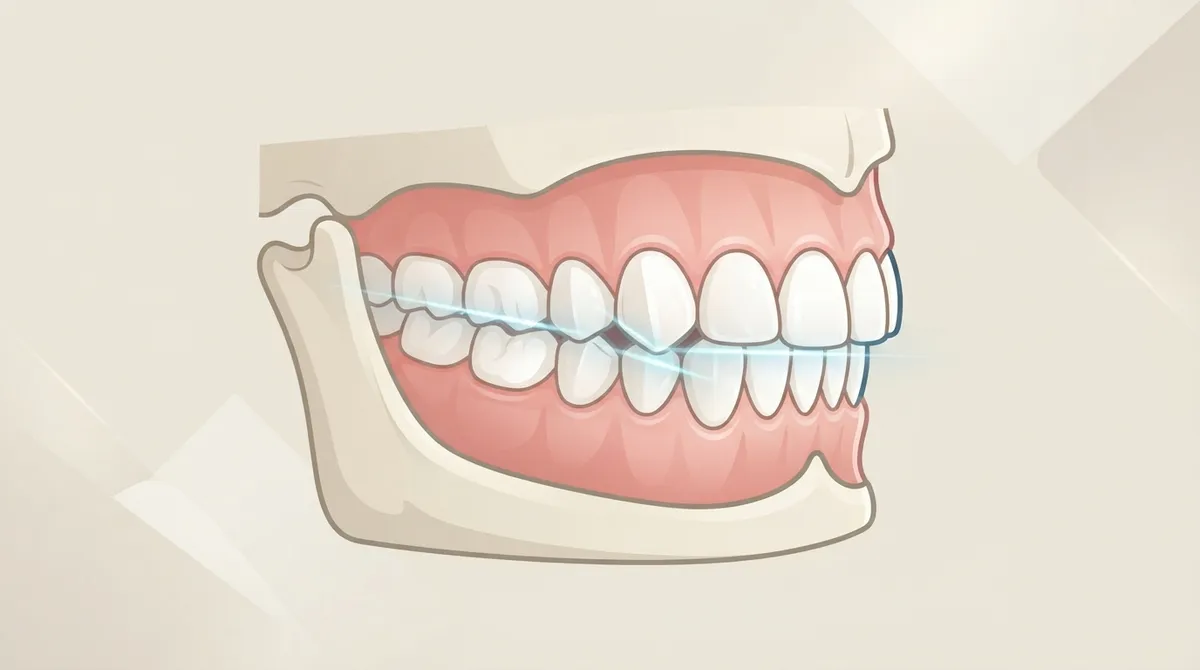
A crossbite happens when your upper and lower teeth don't line up correctly when you bite down. Normally, your upper teeth should sit slightly outside your lower teeth. With a crossbite, some upper teeth sit inside the lower teeth instead. This can happen with just one tooth, or with several teeth at once.
There are two main types of crossbites you should know about:
- Anterior crossbite: This affects your front teeth. One or more upper front teeth sit behind the lower front teeth.
- Posterior crossbite: This affects your back teeth. Upper back teeth sit inside the lower back teeth instead of outside them.
- Single-tooth crossbite: Just one tooth is out of alignment, which is often the easiest type to treat.
- Skeletal crossbite: The jawbone itself is misaligned, not just the teeth.
Knowing which type you have makes a big difference in how your dentist plans your treatment. This is exactly why a thorough general dentistry exam matters before starting any orthodontic plan.
Can Invisalign Fix a Crossbite?
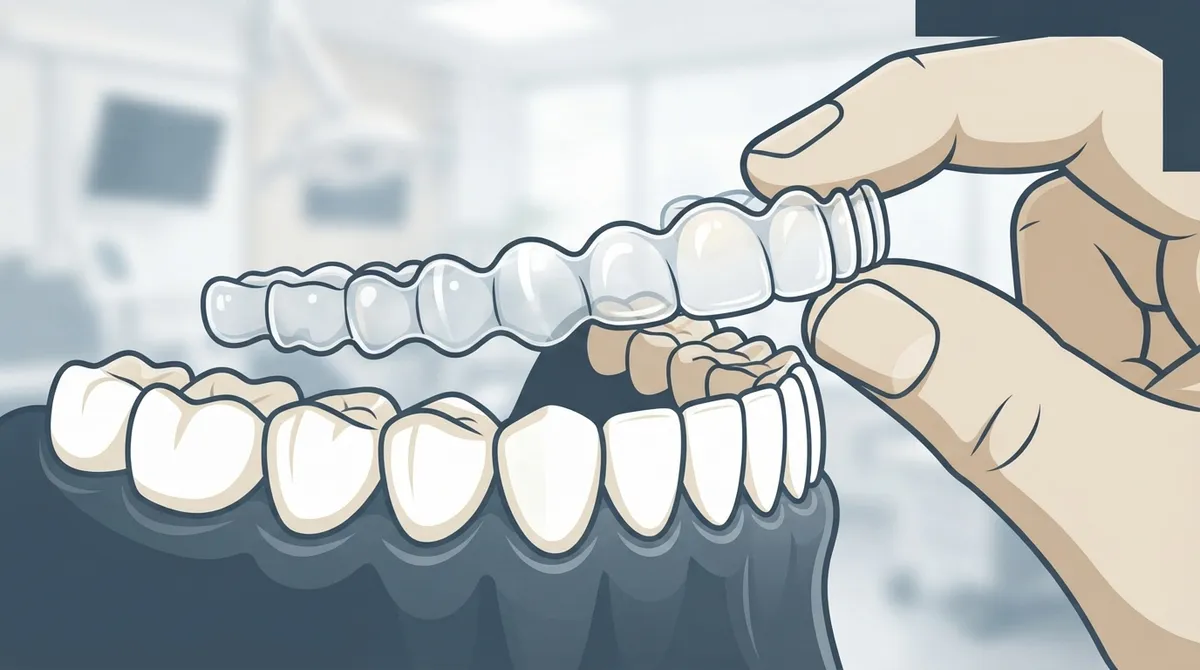
Yes, Invisalign can fix many crossbites. According to Invisalign's own patient resources, clear aligners can gradually move your upper and lower teeth into a better bite position. This works especially well for mild to moderate cases.
Here's the simple truth: Invisalign works best when the crossbite comes from your teeth, not your jawbone. Dental crossbites happen because teeth grew in the wrong spot. Skeletal crossbites happen because the jaw itself is shaped differently. Clear aligners move teeth, but they can't reshape bone.
Single-tooth crossbites are often the easiest cases. One tooth just needs a gentle nudge into the right spot. More involved cases, especially those affecting several back teeth, may need extra help along the way.
How Invisalign Treats Different Crossbite Types
Not every crossbite gets treated the same way. Your Invisalign treatment plan will look different depending on your specific situation. Here's what you can generally expect:
- Single-tooth crossbites: Often correctable with aligners alone. Treatment time is usually shorter since only one tooth needs to move.
- Mild anterior crossbites: Clear aligners can often handle these without any extra tools.
- Moderate posterior crossbites: These frequently need small rubber bands (elastics) attached to the aligners for extra force.
- Severe posterior crossbites: May require a palatal expander used alongside Invisalign, or in some cases, traditional braces instead.
- Skeletal crossbites: These usually need a combination approach, sometimes involving oral surgery for adult patients with fully developed jaws.
Dr. Aliuska Lopez and her team use digital scans to map out your teeth in 3D. This helps create a precise, staged plan for moving your teeth safely and predictably.
How Long Does Invisalign Take to Fix a Crossbite?
Treatment time really depends on how complex your crossbite is. Here's a general breakdown based on common orthodontic estimates:
| Crossbite Severity | Estimated Treatment Time | Likely Tools Needed |
|---|---|---|
| Mild single-tooth crossbite | 6 to 8 months | Aligners only |
| Moderate crossbite | 12 to 18 months | Aligners plus attachments or elastics |
| Complex crossbite | 18 to 24 months | Aligners, elastics, possible expander |
| Pediatric crossbite (early treatment) | Around 6 months | Aligners or expander, depending on age |
| Adult crossbite | 12 to 14 months (average) | Varies by case complexity |
Kids often see faster results because their jaws are still growing and more flexible. Adult treatment usually takes a bit longer since the jawbone has already fully formed. Either way, our team at Charming Smiles will give you a realistic timeline during your consultation.
Signs You Might Have a Crossbite
Not sure if you actually have a crossbite? Here are some common signs to watch for:
- Your jaw feels like it shifts to one side when you close your mouth
- Your teeth seem to click or grind against each other awkwardly
- You notice uneven wear on certain teeth
- You have jaw pain, tension headaches, or a sore jaw joint
- Your face looks slightly asymmetrical when you smile
- A tooth (or teeth) sits noticeably inside or outside where it should
If any of this sounds familiar, it's worth scheduling a checkup. Left untreated, crossbites can lead to tooth wear, gum problems, and jaw discomfort over time.
Steps to Get Started with Invisalign for Crossbite Treatment
Ready to fix your bite? Here's what the process typically looks like at our Ocoee practice:
- Schedule a consultation. We'll take digital scans and photos to understand your bite pattern.
- Get a diagnosis. Dr. Lopez will determine if your crossbite is dental, skeletal, or a mix of both.
- Review your treatment plan. You'll see a digital preview of how your teeth will move, stage by stage.
- Start wearing your aligners. Most patients wear each set for about one to two weeks before switching.
- Add elastics or attachments if needed. These give extra force to correct trickier bite issues.
- Attend regular check-ins. We'll monitor your progress and adjust your plan as needed.
- Wear a retainer after treatment. This keeps your new bite stable for the long haul.
Retention really matters here. Your bite took time to shift into the wrong position, and it needs support to stay in its new, correct spot.
Invisalign vs. Traditional Braces for Crossbite
Many patients ask us which option is better for their bite correction needs. Here's a simple comparison to help you decide:
| Feature | Invisalign | Traditional Braces |
|---|---|---|
| Appearance | Nearly invisible | Visible metal brackets |
| Comfort | Smooth plastic, fewer irritations | Wires and brackets can cause soreness |
| Removability | Removable for eating and cleaning | Fixed in place until removed by dentist |
| Best for | Mild to moderate dental crossbites | Severe or skeletal crossbites |
| Maintenance | Daily cleaning required | Careful brushing around brackets |
For many of our patients seeking orthodontics options, Invisalign offers a more comfortable, discreet path to a corrected bite. But every mouth is different, and our team will always recommend what actually works best for you.
Why Choose Charming Smiles of Ocoee for Your Invisalign Treatment
Dr. Aliuska Lopez is known as a true "smile expert" in the Ocoee community. She combines careful diagnosis with a gentle touch, which matters a lot if you feel nervous about dental visits. Our spa-like office includes cozy blankets, soothing music, and streaming entertainment to help you relax during every appointment.
We also make treatment more affordable. Right now, we're offering a free Invisalign consultation plus $200 off your treatment plan. We accept most major insurance plans and offer flexible insurance & financing options, including CareCredit and Cherry Financing, so cost doesn't have to stand between you and a healthier bite.
Curious what other patients say about their experience? You can visit us on Google — Charming Smiles of Ocoee to read real reviews from real patients. You can also follow along and see smile transformations on our Charming Smiles Instagram page or connect with us on our Charming Smiles Facebook page.
What Happens If Invisalign Alone Isn't Enough?
Sometimes a crossbite is just too complex for aligners by themselves. This doesn't mean you're out of options. It just means your treatment plan needs a bit more support. Here's what that might include:
- Elastics: Small rubber bands that connect your upper and lower aligners to apply extra pulling force
- Palatal expanders: Devices that widen the upper jaw, often used in younger patients
- Attachments: Small tooth-colored bumps bonded to teeth that give aligners more grip
- Combination therapy: Using Invisalign alongside limited traditional braces for certain teeth
- Referral for jaw surgery: Reserved for severe skeletal cases in fully grown adults
The good news is that according to the American Dental Association, most crossbite cases identified early can be treated without invasive procedures. That's one more reason not to put off your dental checkup.
Caring for Your Teeth During Crossbite Treatment
While you're working through your Invisalign journey, keeping your mouth healthy matters just as much as the alignment itself. A few quick tips:
- Brush your teeth (and your aligners) after every meal
- Avoid sugary drinks while wearing your trays
- Keep up with your regular dental services checkups and cleanings
- Wear your aligners for the recommended 20 to 22 hours a day
- Store your aligners in their case when not in use to avoid losing them
Good habits now mean a smoother, faster path to that comfortable, properly aligned bite you're working toward.
Ready to Start Your Crossbite Journey?
A crossbite doesn't have to control your smile, your comfort, or your confidence. Whether you have a single misaligned tooth or a more involved bite issue, Charming Smiles of Ocoee is here to guide you through every step with care and expertise. Dr. Lopez and our team genuinely love helping patients feel good about their smiles again.
Ready to see if Invisalign is right for your bite? Give us a call today to call us at (407) 378-3704 and schedule your free consultation, or explore appointment times at our location near Publix in Ocoee. You can also book online whenever it's convenient for you. Your straighter, healthier smile is closer than you think.
FAQs
Q: Can Invisalign fix a crossbite completely?
A: Invisalign can fully correct many mild to moderate crossbites, especially dental ones affecting a single tooth or a few teeth. For more severe or skeletal crossbites, you might need extra tools like elastics or an expander alongside your aligners. Our team at Charming Smiles of Ocoee will let you know exactly what to expect after your consultation.
Q: Does Invisalign work for posterior crossbite?
A: Yes, Invisalign can treat many posterior crossbites, though more severe cases often need elastics or a palatal expander for extra support. The good news is that even complex posterior crossbites can usually be managed without traditional metal braces. We'll map out the best plan for your specific bite during your visit.
Q: How long does Invisalign take to fix a crossbite?
A: Treatment time varies quite a bit based on severity. Mild single-tooth crossbites might resolve in about 6 to 8 months, while more complex cases can take 18 to 24 months. Adults typically see slightly longer treatment times than kids since young jaws are still growing and more adaptable.
Q: What's the difference between dental crossbite and skeletal crossbite?
A: A dental crossbite happens when teeth grow in at the wrong angle, while a skeletal crossbite involves the actual shape or position of the jawbone. Invisalign works great for dental crossbites since it moves teeth directly. Skeletal crossbites often need extra treatment, sometimes including jaw surgery for adult patients.
Q: How much does Invisalign cost for crossbite treatment?
A: Cost depends on how complex your crossbite is and how long treatment takes. Right now, Charming Smiles of Ocoee offers a free Invisalign consultation plus $200 off your treatment plan. We also accept most major insurance plans and offer flexible financing so you can spread out payments comfortably.