How to Fix a Broken Tooth With a Dental Crown
Learn when crowns for broken teeth make sense, how dentists decide, and what to expect from the process at Charming Smiles of Ocoee.

Key Takeaways
- Crowns are the most trusted solution for broken teeth, with a 2022 study showing they provide better chewing comfort, stronger bite force, and better gum health compared to fillings for larger breaks.
- Early crown placement on cracked teeth is linked to 98% improvement in long-term tooth outlook over 11 years, making quick action critical to prevent the tooth from worsening.
- Not all broken teeth need crowns—small chips can be fixed with bonding or filling, but crowns are necessary when a large chunk is missing, a cusp snaps off, or the remaining tooth is too weak.
- If a break exposes the nerve, root canal treatment must be completed first to remove infected tissue before placing a crown for long-term protection.
- Breaks below the gumline may require crown lengthening surgery, post-and-core buildup, or tooth extraction with implant/bridge alternatives if insufficient healthy structure remains.
- Crowns last a decade or longer with proper care including daily flossing, regular dental checkups, avoiding hard foods, and wearing a night guard if you grind your teeth.
Chip a tooth on popcorn or take a hard fall, and your first thought is probably: can this even be fixed? Good news — in most cases, yes. Crowns for broken teeth are one of the most trusted ways dentists rebuild strength, shape, and confidence after a tooth breaks. If you're in Ocoee and staring at a jagged edge in the mirror right now, take a breath. This guide walks you through exactly what happens next, in plain, simple language.
At Charming Smiles of Ocoee, we see broken teeth every week. Dr. Aliuska Lopez and her team have helped hundreds of Ocoee patients go from panicked to smiling again. This article explains when a crown makes sense, what the process looks like, and how to know if your tooth can be saved.
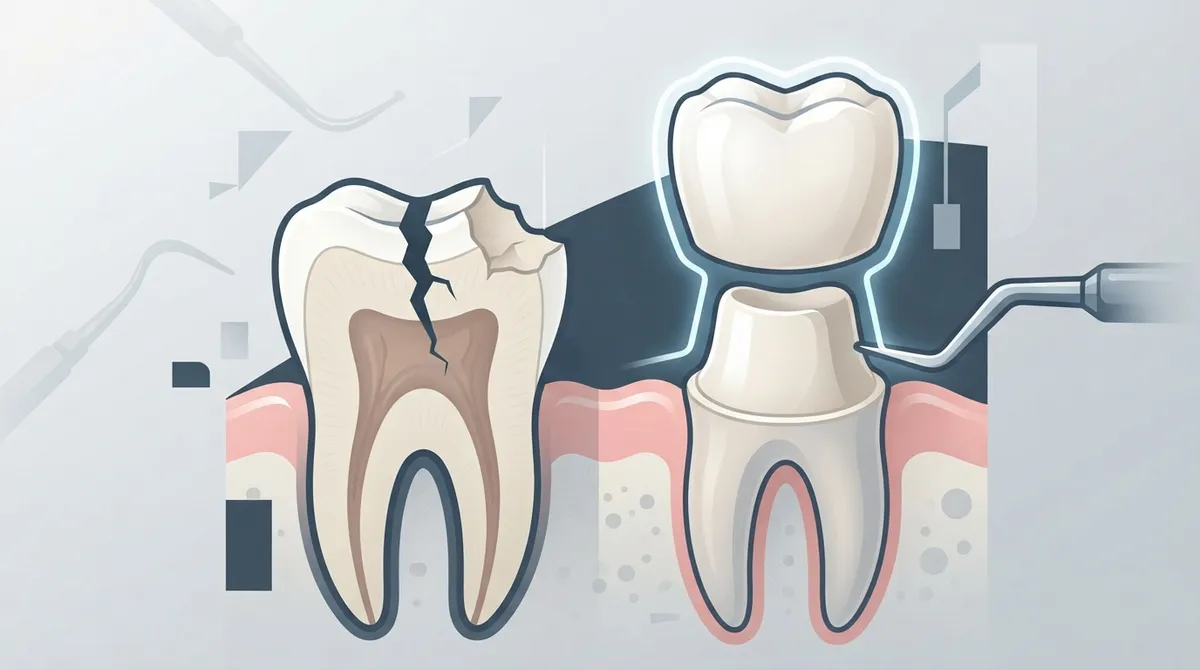
What Is a Dental Crown, and Why Does It Help a Broken Tooth?
A dental crown is a custom-made cap that fits over your whole tooth. Think of it like a helmet for a damaged tooth. It covers the part you can see, protecting what's left of your natural tooth from further cracking or wear.
Crowns are often recommended when a tooth is broken, badly cracked, heavily filled, decayed, or just too weak to hold a regular filling. If a chip is small, your dentist might suggest simpler options first. But when a large chunk of the tooth is gone, or a cusp (the pointy part) has snapped off, a crown is usually the safer bet. It spreads out the force of your bite so the tooth doesn't break again.
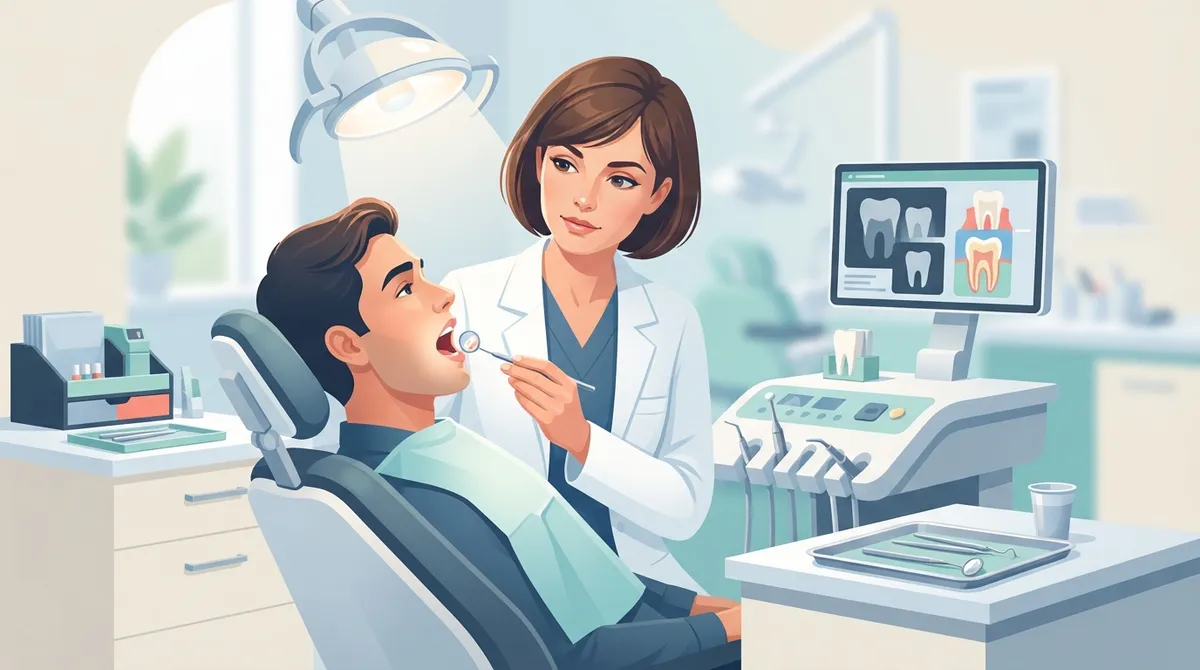
How Do Dentists Decide If You Need a Crown?
Not every broken tooth needs a crown. Your dentist looks at a few key things before deciding:
- How much healthy tooth is left after the break
- Whether the crack goes below the gumline
- If the nerve (pulp) inside the tooth is exposed or infected
- How much pressure that tooth takes when you chew
- The health of the gum and bone supporting the tooth
To check all this, your dentist will do a visual exam and usually take dental X-rays. X-rays show what's happening under the surface, including hidden cracks or bone loss you can't see on your own. This step matters because guessing wrong can lead to a crown that fails early or a tooth that needed different treatment altogether.
Crown vs. Filling vs. Bonding: Which One Do You Actually Need?
Not every broken tooth needs the same fix. Here's a simple breakdown of how dentists usually choose between the common options.
| Damage Type | Likely Treatment | Why |
|---|---|---|
| Small chip on the edge | Bonding or filling | Minimal tooth structure lost, easy to repair |
| Broken cusp or large missing piece | Crown | Remaining tooth is weak and needs full coverage |
| Deep crack with nerve exposure | Root canal, then crown | Infection or pain must be treated before capping the tooth |
| Fracture below the gumline | Crown lengthening, extraction, or implant | Not enough healthy structure to support a crown alone |
A 2022 review of cracked-tooth treatment found that crowns made up roughly two-thirds of restorations used for cracked teeth with healthy or mildly irritated nerves. That same review looked at 87 teeth over six months — 45 got crowns, 42 got direct fillings. The crown group reported better chewing comfort, stronger bite force, and better gum health scores over that short period. It's not proof crowns beat fillings in every case, but it shows why dentists often lean toward crowns for bigger breaks.
What Happens If the Nerve Is Exposed?
Sometimes a break goes deep enough to expose or injure the nerve inside your tooth. This is often when people feel sharp pain, especially with hot or cold food. If this happens, a crown alone won't solve the problem.
Your dentist will likely recommend root canals first. This treatment removes the infected or damaged nerve tissue and seals the inside of the tooth. Once that's done and the tooth has healed, a crown is placed on top to protect it long-term. The crown doesn't treat infection — it protects the tooth after the infection is handled.
According to the American Association of Endodontists, one study found that placing a crown early on a cracked tooth was linked to a 98% improvement in the tooth's long-term outlook over an 11-year period. That's a strong number, though it applies to that specific study group, not every case. Still, it's a good reminder that acting quickly on a cracked or broken tooth really matters.
Can a Badly Broken Tooth Below the Gumline Still Be Saved?
This is one of the trickiest situations. If the fracture line goes below the gumline, there may not be enough healthy tooth left to hold a crown steady. In these cases, your dentist has a few paths forward:
- Crown lengthening surgery to expose more tooth structure
- Building up the tooth with a post and core before placing a crown
- Extraction, followed by a dental bridge or dental implants
- In some cases, monitoring if symptoms are mild and structure allows for observation
There's no magic percentage that decides this for every patient. You'll often hear "more than 50% damage" as a rule of thumb, but that's not an official medical guideline. Dentists look at remaining walls, root strength, gum health, and how the tooth lines up with your bite. A 2015 Cochrane review even found there wasn't strong enough evidence to say fillings always beat crowns (or vice versa) for certain root-treated back teeth with enough structure left. Every mouth is different, and your treatment plan should be too.
What Materials Are Used for Crowns on Broken Teeth?
Modern crowns come in a few common materials, each with its own strengths:
- All-ceramic or zirconia: Looks the most natural, great for front teeth
- Porcelain fused to metal: Strong and still fairly natural-looking, often used on back teeth
- Metal alloys: Extremely durable, best for molars that take heavy chewing force
Your dentist will help you choose based on where the tooth is, how much force it handles, and how important the look is to you. If you're curious about the full range of options, our crowns & bridges page breaks down each choice in more detail.
What Does the Crown Procedure Actually Look Like?
Here's a simple step-by-step of what usually happens when you get a crown for a broken tooth:
- Your dentist examines the tooth and takes X-rays to check the damage
- Any decay or weak, broken tooth material is removed
- The tooth is reshaped so the crown can fit over it properly
- If a lot of structure is missing, a core buildup fills in the gap first
- A digital scan or impression captures the exact shape of your tooth
- A temporary crown is placed while your custom crown is made
- Your permanent crown is checked for fit, then cemented or bonded into place
Some dental offices offer same-day crowns made right in the office. Traditional crowns made in an outside lab usually take more than one visit, since the crown needs time to be crafted to match your bite and smile perfectly.
What Should You Do Right Now If You Have a Broken Tooth?
If you're dealing with a broken tooth today, here's what to do while you wait for your dental visit:
- Avoid chewing on the side with the broken tooth
- Rinse gently with warm water to keep the area clean
- If you found a broken piece, keep it in milk or saliva, not dry tissue
- Never try to glue the tooth or a crown back on yourself
- Call your dentist right away if you notice swelling, bleeding, or severe pain
Sharp edges, visible nerve tissue, or ongoing pain are all signs you need care fast, not later this week. Waiting too long can turn a simple fix into a more complicated one.
How Long Do Crowns Last on Broken Teeth?
With good care, a crown can last many years — often a decade or longer. But crowns aren't invincible. Decay can still form at the edge where the crown meets your natural tooth. Crowns can also loosen, crack, or wear down over time, especially if you grind your teeth at night.
To help your crown last as long as possible:
- Brush and floss around the crown just like a natural tooth
- Keep up with regular dental checkups and cleanings
- Avoid biting down on very hard foods like ice or hard candy
- Ask about a custom night guard if you grind or clench your teeth
Simple habits go a long way in protecting your investment and keeping your smile strong.
Why Ocoee Patients Trust Charming Smiles for Crown Treatment
Broken teeth are stressful enough without added worry about where to go. At Charming Smiles of Ocoee, Dr. Lopez and her team focus on gentle, modern care in a calm, spa-like setting. We know dental visits can feel scary, so we work hard to make every step comfortable, from your first exam to your final crown fitting.
Our patients often mention how relaxed they feel during treatment, and you can visit us on Google — Charming Smiles of Ocoee to read real reviews from Ocoee neighbors who've been through the same experience. You can also see photos and updates on our Charming Smiles Facebook page or follow along on our Charming Smiles Instagram page for behind-the-scenes looks at our office and patient smiles.
We also understand that cost matters. That's why we offer flexible insurance & financing options, a helpful dental savings plan, and manageable payment plans so a broken tooth doesn't have to break your budget too. Be sure to check our current specials, including our Emergency Consultation offer, before your visit.
When Should You See a Dentist for a Broken Tooth?
The short answer: as soon as possible. Even if the pain isn't severe, a broken tooth can worsen quickly if left untreated. Bacteria can sneak into exposed areas, leading to infection or nerve damage. What starts as a simple crown case can turn into a root canal or extraction if you wait too long.
If you're dealing with a chipped, cracked, or broken tooth, don't try to tough it out. According to the NHS, chipped or cracked teeth should be checked by a dentist promptly to prevent further damage, and this advice applies just as much here in Florida as anywhere else. For more general guidance on urgent dental issues, the emergency dentistry team at Charming Smiles is ready to help when you need us most.
Ready to Fix Your Broken Tooth?
A broken tooth doesn't have to mean a broken smile. With the right crown and the right dental team, your tooth can be strong, comfortable, and good-looking again. Dr. Lopez and the Charming Smiles of Ocoee team are here to guide you through every step, from your first exam to your final crown placement.
Don't wait for a small break to become a bigger problem. Call us at (407) 378-3704 today to schedule your consultation, or stop by our location in Ocoee to get started on restoring your smile. You can also book online at a time that works best for you. We're here, ready, and happy to help.
FAQs
Q: Do all broken teeth need a crown?
A: Not always! Small chips can often be fixed with bonding or a filling. Crowns usually come into play when a bigger piece of the tooth breaks off or a cusp is damaged. Your dentist will check the tooth and let you know the best fit for your situation.
Q: Is a crown better than a filling for a broken tooth?
A: It depends on how much tooth is left. Fillings work great for small breaks, but crowns give more protection when a large chunk is missing or the tooth is weak. Think of a crown as extra armor for a tooth that needs more support.
Q: What happens if a broken tooth has an exposed nerve?
A: If the nerve is exposed or infected, you'll likely need a root canal before getting a crown. The root canal clears out the damaged nerve tissue, and then the crown seals and protects the tooth afterward. It sounds scary, but it's a routine process that saves teeth every day.
Q: How long does it take to get a crown for a broken tooth?
A: It really depends on your dentist's setup. Some offices offer same-day crowns made right there in the office. Traditional lab-made crowns usually take two visits, with a temporary crown protecting your tooth in between.
Q: Can a broken tooth below the gumline be saved?
A: Sometimes, yes! It depends on how much healthy tooth structure remains. Options include crown lengthening surgery or building up the tooth with a post before adding a crown. If there's not enough left to work with, an implant or bridge might be the better long-term solution.