How to Eat Safely and Confidently with E.max Veneers
Wondering if you can eat with E.max veneers? Learn what foods to enjoy, what to avoid, and how to protect your new smile for years to come.

Key Takeaways
- You can eat normally with E.max veneers after a few days of adjustment; stick to soft foods for the first 24-48 hours while numbness fades and your bite adjusts.
- Avoid chewing ice, sticky candy, and very hard foods as they can chip the ceramic or weaken the veneer bond; cut hard fruits and vegetables into small pieces instead.
- E.max veneers have a 90-97% survival rate over 10+ years when properly placed and maintained, with regular dental visits and consistent care habits being crucial.
- If a veneer chips or falls off, stop chewing on that side immediately and contact your dentist without attempting home repairs to prevent further damage to the tooth underneath.
So you're thinking about getting E.max veneers, or maybe you just got them, and now you're staring at your dinner plate wondering if that crusty bread is off-limits forever. Good news: you can absolutely eat with E.max veneers! In fact, most patients at Charming Smiles of Ocoee go back to enjoying nearly all their favorite foods within a short time. E.max is a strong, durable material made to handle everyday chewing. But there are a few smart habits that help your new smile last for years to come.
Whether you're a busy parent grabbing lunch between school drop-offs, or you've been dreaming of a confident smile for that big Ocoee event, this guide covers exactly what to eat, what to skip, and how to protect your investment. Let's dig in (pun intended).
Can You Eat Normally with E.max Veneers?
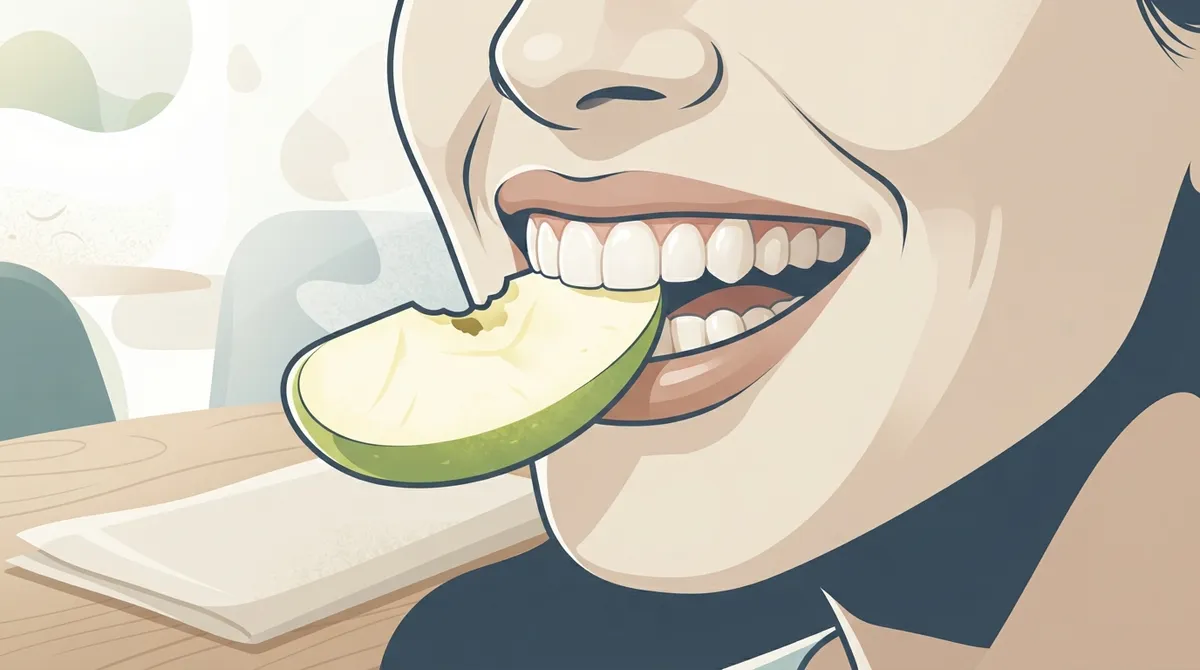
Yes, you can eat normally with E.max veneers once your dentist gives you the green light. E.max is a lithium disilicate glass-ceramic material. It's popular for veneers because it looks natural and holds up well to daily wear. When it's placed and bonded correctly, it's built to handle the normal forces of chewing.
That said, your mouth needs a little time to adjust. Your bite may feel slightly different at first. This is completely normal and usually settles within a few days.
What Happens Right After Placement
Immediately after your veneers are placed, follow your dentist's instructions closely. Here's what most patients experience:
- Numbness from local anesthetic that can last a few hours
- A slightly unfamiliar bite feeling as your mouth adjusts
- Mild sensitivity to hot or cold foods for a short time
- A need to chew carefully until full feeling returns
Stick to soft, lukewarm foods for the first day or so. Think scrambled eggs, mashed potatoes, yogurt, or soup. This helps you avoid accidentally biting your cheek or putting too much pressure on your new veneers before you can fully feel what you're doing.
Foods You Should Avoid with E.max Veneers
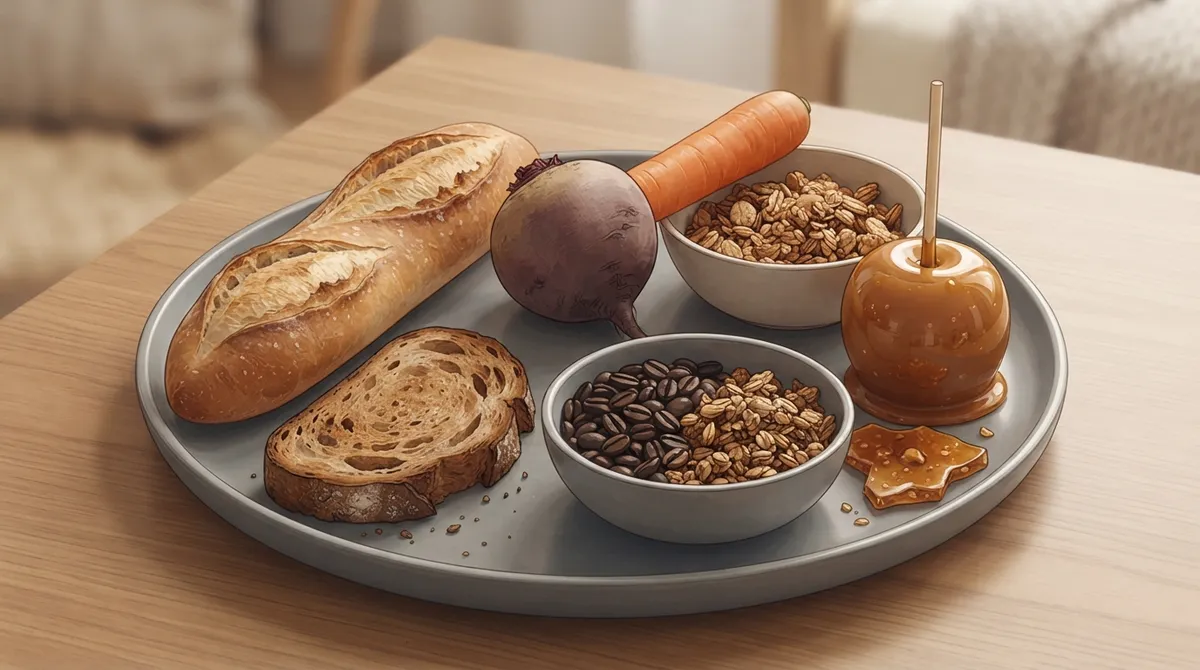
While E.max is tough, it's not indestructible. Certain foods create concentrated pressure points that can chip or crack the ceramic, or weaken the bond holding it to your tooth. Here's a helpful breakdown:
| Food Category | Examples | Why to Avoid |
|---|---|---|
| Very Hard Foods | Ice, hard candy, popcorn kernels, nuts | Can chip or crack the ceramic surface |
| Sticky Foods | Caramel, taffy, chewing gum, gummy candy | Can pull on the bond and loosen veneers |
| Tough or Chewy Foods | Beef jerky, hard bagels, bones | Requires excessive biting force on front teeth |
| Staining Foods and Drinks | Coffee, red wine, tea, curry, tobacco | Can discolor natural tooth structure and margins |
None of this means you have to give up these foods forever. It just means being smart about how and when you eat them.
1. Skip Ice Chewing Completely
This one's a big deal. Chewing ice puts sudden, sharp pressure on your teeth. It's one of the top causes of cracked veneers and natural teeth alike. Let your ice melt in your drink instead.
2. Cut Hard Fruits and Vegetables Into Small Pieces
Apples, carrots, and similar crunchy foods don't need to disappear from your diet. Just cut them into bite-sized pieces first. Chew with your back teeth instead of biting directly with your front veneers.
3. Give Sticky Candy a Pass
Caramel and taffy can tug at the edges of your veneer where it meets your natural tooth. This is especially risky in the weeks right after placement, while the bond is still settling in.
4. Rinse After Staining Foods and Drinks
E.max is more stain-resistant than many other materials. But the natural tooth structure around your veneer, and the bonding margins, can still pick up color over time. A quick water rinse after coffee or wine helps a lot.
5. Chew Evenly on Both Sides
Try not to favor one side of your mouth when eating tougher foods. Even chewing distributes pressure more evenly and reduces strain on any single veneer.
How Long Do E.max Veneers Actually Last?
This is where the science gets encouraging. Long-term studies on lithium disilicate veneers show impressive results. Here's a quick look at the numbers:
- A 10-year study of 364 pressable lithium disilicate veneers found a 97.4% survival rate, with complications in less than 2% of cases.
- A 2024 review of veneer outcomes reported survival rates above 90% for more than 10 years across multiple materials.
- CAD/CAM E.max veneers showed an estimated 92.7% survival rate over roughly 10 years, depending on tooth location.
- A recent meta-analysis found approximately 96.81% survival for lithium disilicate veneers over an average follow-up of 10.4 years.
These numbers reflect careful placement, good habits, and regular checkups. Patients dealing with grinding, untreated bite issues, or poor hygiene may see different results. That's why routine visits matter so much.
What Else Affects How Long Your Veneers Last?
Diet is just one piece of the puzzle. Several other habits can impact the lifespan of your veneers:
- Teeth grinding or clenching (bruxism), especially at night
- Nail biting or chewing on pens
- Using your teeth to open packages or bottles
- An uneven bite that puts extra stress on certain teeth
- Skipping regular dental cleanings and checkups
- Poor bonding during the original placement
If you grind your teeth, ask your dentist about a custom night guard. It's a simple way to protect your veneers while you sleep. Many patients dealing with dental anxiety worry that discussing habits like grinding will lead to a lecture. At Charming Smiles of Ocoee, the team focuses on gentle, judgment-free guidance to help you protect your smile long term.
What to Do If a Veneer Chips or Falls Off
Accidents happen, even with the best care. If you notice a chip, crack, or a veneer that feels loose, don't panic. But don't try to fix it yourself either.
- Stop chewing on that side of your mouth right away
- If the veneer came off completely, save it in a safe container
- Avoid using super glue or any home remedy to reattach it
- Call your dentist as soon as possible for an evaluation
- Keep the area clean by gently rinsing with warm water
Waiting too long to address a damaged veneer can lead to further damage to the tooth underneath. Quick action gives you the best chance at an easy, affordable repair.
Tips for Eating Confidently with New Veneers
Getting used to your new smile doesn't take long. Here are some simple habits that make the transition smooth:
- Start with softer foods for the first 24 to 48 hours
- Chew slowly and pay attention to how your bite feels
- Avoid extremely hot or cold foods until sensitivity fades
- Cut larger foods into smaller, manageable bites
- Keep up with your regular brushing and flossing routine
- Schedule follow-up visits to catch small issues early
Most patients find that within a week, eating feels completely natural again. Many even say their new smile makes them more excited to enjoy meals out with friends and family across Ocoee.
Why Choose Charming Smiles of Ocoee for Your Veneers
Getting veneers is about more than just the procedure. It's about trusting the hands doing the work. Dr. Aliuska Lopez and her team at Charming Smiles of Ocoee are known as smile experts who combine precision with genuine compassion. The practice blends advanced dental technology with a spa-like, relaxing environment, which is especially helpful for patients who feel nervous about dental visits.
From your first cosmetic dentistry consultation to your final follow-up, the goal is always the same: a healthy, beautiful smile you feel proud to show off. If you're curious about the cost of treatment in our area, you can learn more in this guide on veneers cost in Ocoee. And if you're comparing options, our article on dental caps versus veneers can help you decide what's right for your smile.
Curious what real patients think? You can visit us on Google — Charming Smiles of Ocoee to read reviews, or check out our Charming Smiles Facebook page and Charming Smiles Instagram page for smile transformations and patient stories. For general background on lithium disilicate materials and their clinical performance, the National Center for Biotechnology Information hosts several peer-reviewed studies worth exploring, including research on lithium disilicate veneers in esthetic dentistry.
Financing and Insurance Options for Veneers
Investing in your smile shouldn't feel overwhelming. Charming Smiles of Ocoee accepts many major insurance plans and offers flexible insurance & financing options to fit different budgets. Third-party financing through providers like CareCredit and Cherry Financing means you can spread out payments over time.
Ask about current current specials, including our free cosmetic consultation, so you can explore whether E.max veneers are the right fit for your smile goals without any upfront pressure.
Final Thoughts on Eating with E.max Veneers
Getting E.max veneers doesn't mean giving up the foods you love. It just means being a little more thoughtful about how you eat them. Skip the ice chewing, cut hard foods into smaller pieces, and rinse after enjoying that cup of coffee. With good habits and regular dental visits, your veneers can last for many years while you enjoy life's meals worry-free.
Ready to explore whether E.max veneers are right for you? Reach out to our friendly team today or call us at (407) 378-3704 to schedule your free cosmetic consultation. We're conveniently located near Publix in Ocoee, and we can't wait to help you build a smile you'll love showing off at every meal.
FAQs
Q: Can you eat normally after getting E.max veneers?
A: Yes, you sure can! Most patients return to their normal diet within a few days. Right after placement, stick to soft foods until any numbness wears off and your bite feels natural again.
Q: How long should you wait to eat after E.max veneers are placed?
A: We recommend waiting until any numbness fades, usually a few hours, before eating anything. Stick with soft, easy foods for the first day so you don't accidentally bite your cheek or stress your new veneers.
Q: What foods should you avoid with E.max veneers?
A: Try to skip very hard foods like ice and hard candy, plus sticky treats like caramel and taffy. These can chip the ceramic or loosen the bond, so it's best to enjoy them in moderation, if at all.
Q: Can you bite into apples or carrots with veneers?
A: You don't have to give these up! Just cut them into smaller pieces first and chew with your back teeth instead of biting directly with your front veneers. This simple habit protects your smile.
Q: What should you do if an E.max veneer becomes loose or falls off?
A: Stay calm and avoid chewing on that side of your mouth. Save the veneer if it comes off completely, and give our office a call right away so we can get you back to smiling comfortably.