How to Ease Crown Discomfort After Placement Fast
Learn what's normal after a dental crown, how long discomfort lasts, and when to call your Ocoee dentist for help.

Key Takeaways
- Most crown discomfort is normal and resolves within 1-2 weeks; symptoms should trend better daily, not worse. Call your dentist if pain persists beyond two weeks or intensifies.
- A crown that feels too high during biting is usually fixable with a quick in-office bite adjustment using special marking paper; never attempt to adjust it yourself.
- Gum soreness and mild sensitivity after crown placement are caused by enamel removal, gum tissue retraction, and inflammation, all of which typically fade within days without intervention.
- Warning signs requiring immediate dental attention include throbbing or worsening pain, swelling, bad taste, loose crown, fever, or pain disrupting sleep—these may indicate infection or decay under the crown.
- Home relief measures include soft foods, gentle salt water rinses, over-the-counter pain relief, sensitive toothpaste, and careful oral hygiene, which support faster healing during recovery.
- If your crown falls off, store it safely, avoid chewing on that side, and call your dentist immediately for recementing—never use household glue to reattach it yourself.
Just got a new dental crown and wondering why your tooth still feels a little off? You're not alone, and you're not doing anything wrong. Crown discomfort after placement is one of the most common questions our patients ask us at Charming Smiles of Ocoee. The good news? Most of what you're feeling right now is completely normal and part of your mouth adjusting to its new resident.
Whether you're a busy parent squeezing in dental care between school pickups, or you've been putting off dental work because of anxiety, understanding what's normal (and what's not) can bring huge peace of mind. In this guide, we'll walk you through exactly what to expect, how long discomfort usually lasts, and when it's time to give us a call. Dr. Aliuska Lopez and our caring team want every patient in Ocoee, FL to feel confident and comfortable during recovery.
What Causes Crown Discomfort After Placement?
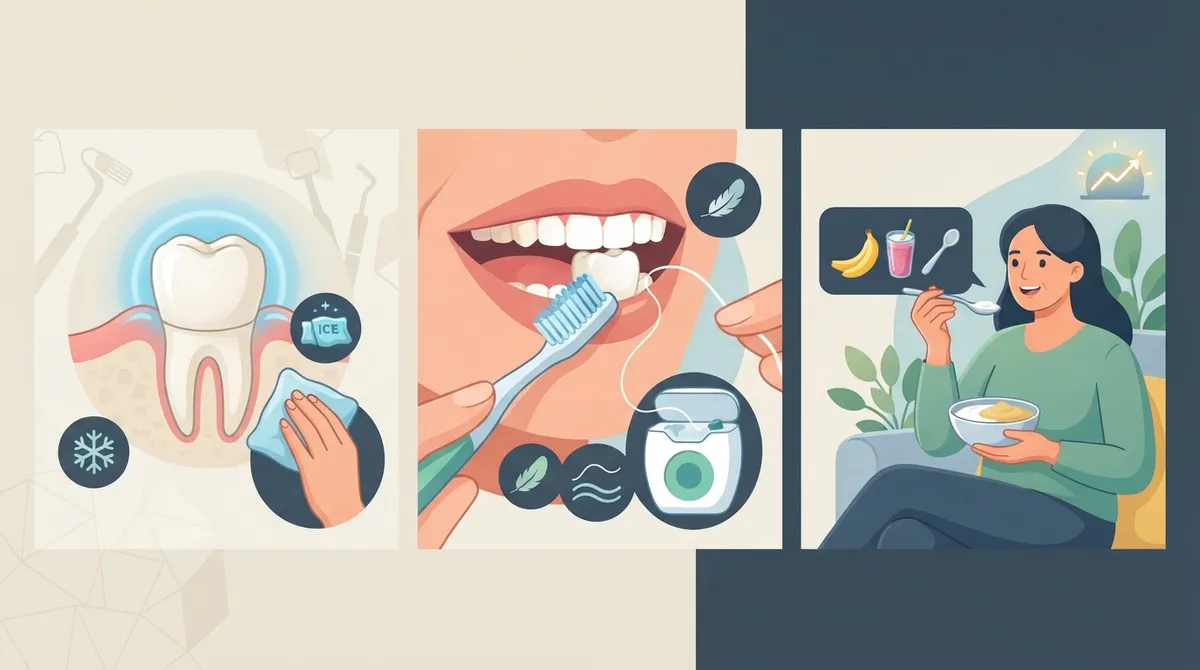
Getting a crown involves reshaping your natural tooth and fitting a new cap over it. This process is gentle, but your tooth and gums still need time to heal. Think of it like getting new shoes. They might feel a bit stiff at first, but they settle in with time.
Here are the most common reasons your tooth may feel sore or sensitive after your visit:
- Tooth preparation removed a thin layer of enamel, which can leave nerves temporarily more sensitive
- Gum tissue near the crown may be irritated from the retraction cord or dental cement
- Your bite may need a small adjustment if the crown feels slightly high
- Mild inflammation inside the tooth is settling down after the procedure
These issues are common and usually fade on their own within a short time. Our team at Crowns Bridges services always walks patients through this recovery process so nothing feels surprising.
How Long Should Crown Discomfort Last?
This is probably the question we hear the most. The honest answer: it depends on your body, but there are clear patterns dentists see again and again.
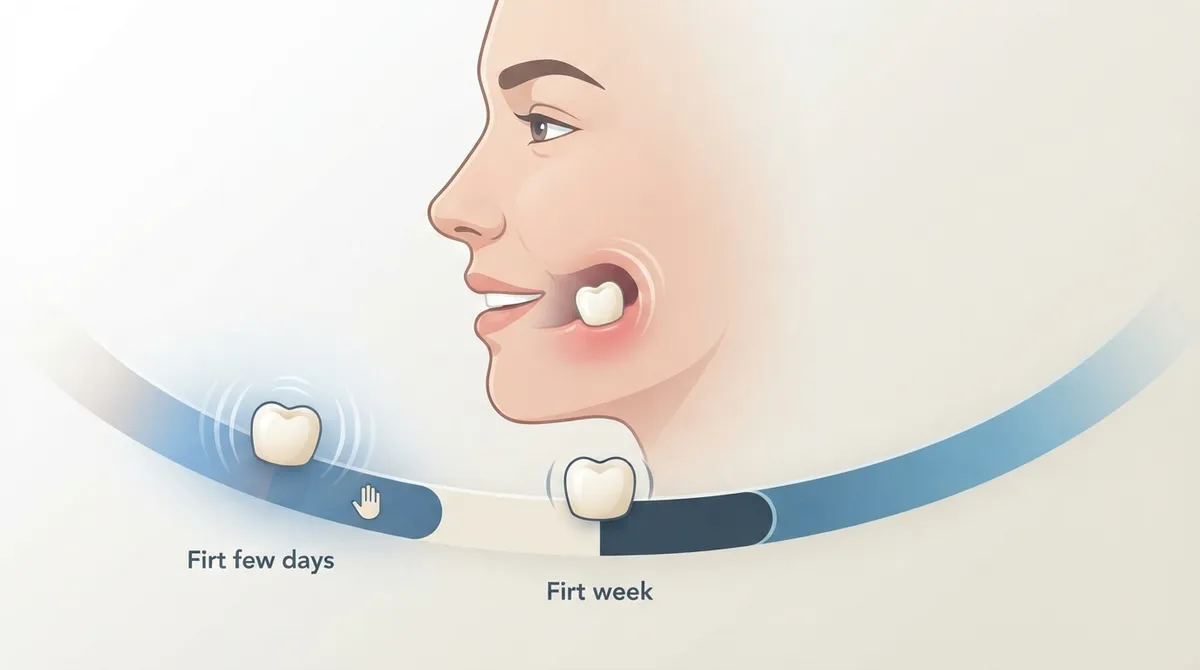
- First 24 to 48 hours: Mild soreness and pressure are common right after your appointment. This is your gum tissue and tooth adjusting.
- Days 3 through 7: Discomfort should be improving, not worsening. Sensitivity to hot and cold may still show up but should feel milder each day.
- One to two weeks: Most temperature sensitivity resolves during this window. Some patients feel mild twinges for up to two to three weeks, which can still be normal.
- Beyond two weeks: If discomfort hasn't faded, or it's getting worse instead of better, it's time to call your dentist.
According to patient care resources from Aspen Dental, most crown-related discomfort improves within a few days, and temperature sensitivity may last up to about two weeks. Some clinical sources note that mild cold sensitivity can occasionally linger three to four weeks before fully resolving. The key thing to watch for is direction: your symptoms should be trending better, not worse.
Normal vs. Concerning Symptoms: A Quick Comparison
It helps to have a simple way to tell the difference between "this is healing" and "this needs attention." Here's a breakdown we share with our Ocoee patients:
| Symptom | Likely Normal | Possible Warning Sign |
|---|---|---|
| Cold sensitivity | Brief, fades within seconds | Lingers minutes after stimulus is removed |
| Gum soreness | Mild tenderness, improves daily | Increasing swelling or bleeding |
| Biting pressure | Slight awareness of the crown | Sharp pain every time you bite down |
| Pain pattern | Gradually decreasing over days | Throbbing, spontaneous, or worsening |
| Timeline | Resolves within 1 to 2 weeks | Persists beyond 2 weeks or intensifies |
Why Does My New Crown Hurt When I Bite Down?
This is a very common concern, and it usually has a simple fix. If your crown feels "too high," your bite may be slightly off. Even a tiny difference in height can cause your tooth to take on extra pressure every time you chew.
Here's what you should NOT do: try to file down or adjust the crown yourself. Instead, call our office so we can check your bite with special marking paper and make a precise adjustment. This is a quick, painless fix that usually resolves biting discomfort right away.
Signs your bite may need adjusting include:
- You notice the crowned tooth touches before your other teeth do
- Chewing on that side feels uncomfortable or tender
- You feel like you're "biting into" the crown rather than around it
- The discomfort started immediately after your appointment and hasn't improved
When Pain Under a Crown Signals a Bigger Problem
While most discomfort is simply part of healing, some symptoms point to something that needs prompt attention. Pain that comes and goes, or pain that intensifies over time, can be a sign of nerve inflammation, infection, or decay hiding beneath the crown.
According to a review from Healthline on dental crown pain, ongoing or worsening pain after crown placement may indicate deeper issues like pulp irritation or an ill-fitting crown that needs professional correction. If a cavity was left untreated before the crown, or the crown doesn't seal perfectly, bacteria can sneak in and cause trouble underneath.
Here's a helpful checklist for symptoms that warrant a call to our office right away:
- Pain that wakes you up at night or interrupts sleep
- Sharp pain when biting down or when releasing pressure from a bite
- Swelling in the gums, cheek, or jaw near the crown
- A bad taste in your mouth or visible pus around the tooth
- Fever accompanying tooth pain
- A crown that feels loose, wiggly, or has fallen off
- Pain that continues to worsen instead of improve after two weeks
If you notice facial swelling along with difficulty breathing or swallowing, this is a medical emergency. Please seek immediate care at an emergency room. For all other urgent dental concerns, our emergency dentistry team is ready to help Ocoee families get fast relief.
How to Relieve Crown Discomfort at Home
While you wait for natural healing (or an appointment, if needed), there are gentle steps you can take to feel more comfortable:
- Take over-the-counter pain relief as directed on the label, unless your dentist advises otherwise
- Stick to soft foods for the first day or two, avoiding anything too hot, cold, or crunchy
- Rinse gently with warm salt water to soothe irritated gum tissue
- Brush and floss gently around the crown unless told otherwise, since good hygiene supports healing
- Avoid chewing directly on the crowned tooth until soreness fades
- Use a toothpaste designed for sensitive teeth if cold or hot sensitivity lingers
These small steps make a big difference for many patients. Our hygienists often share extra tips during your visit, and if you ever have questions between appointments, don't hesitate to call us at (407) 378-3704 for guidance.
Why Gums Feel Sore or Bleed Around a New Crown
Gum tenderness near a new crown is extremely common and rarely something to worry about. During your procedure, your dentist may have used a retraction cord to gently push gum tissue away from the tooth. This helps create a clean, precise fit for your crown, but it can leave the gum feeling a little tender afterward.
Excess dental cement near the gumline can also cause mild irritation. This typically resolves within a few days as your gums heal and any cement residue is cleaned away. Gentle brushing, careful flossing, and warm salt water rinses usually help speed up the process.
What to Do If Your Crown Feels Loose or Falls Off
A loose or dislodged crown needs prompt attention, but it's rarely a true emergency in most cases. Here's what we recommend:
- Keep the crown if it comes out completely, and store it somewhere safe
- Avoid chewing on that side of your mouth until you're seen
- Call our office as soon as possible to schedule a repair or recementing appointment
- Do not use household glue to reattach the crown yourself
- If the exposed tooth is sensitive, dental wax or sugar-free gum can offer temporary comfort
Our team at Charming Smiles of Ocoee treats these situations with urgency because we know how disruptive a loose crown can feel. We often see patients same-day for this exact issue, keeping your smile protected and your schedule on track.
Why Choose Charming Smiles of Ocoee for Crown Care
Dr. Aliuska Lopez and her team take pride in creating a calm, spa-like environment for every dental visit, especially for patients feeling nervous about crown work or recovery. From soothing amenities in our treatment rooms to clear, friendly communication about what to expect, we want your experience to feel supported from start to finish.
We also make it simple to keep up with follow-up care through flexible insurance & financing options and a helpful dental savings plan for patients without insurance. Many Ocoee families also take advantage of our current specials, including free consultations for cosmetic and restorative care.
Curious what other patients say about their experience? You can visit us on Google — Charming Smiles of Ocoee to read real reviews from neighbors right here in Ocoee, FL. You can also follow along and see behind-the-scenes moments on our Charming Smiles Facebook page and Charming Smiles Instagram page.
Protecting Your Crown for the Long Run
Once your discomfort has settled, a little ongoing care goes a long way toward protecting your investment. Crowns can last many years with the right habits.
- Continue brushing twice daily and flossing gently around the crown
- Avoid chewing ice, hard candy, or pens, which can crack or loosen crowns
- Wear a nightguard if you grind your teeth while sleeping
- Keep up with regular checkups so we can catch small issues early
- Report any new discomfort promptly, even if it seems minor
Regular visits to our general dentistry team help ensure your crown stays strong and your surrounding teeth stay healthy too.
Final Thoughts on Crown Discomfort After Placement
Feeling a little sore or sensitive after getting a crown is a normal part of healing for most people. As long as your symptoms are improving day by day, you're likely right on track. But if pain worsens, lingers past two weeks, or comes with swelling, fever, or a loose crown, it's time to reach out for help.
At Charming Smiles of Ocoee, we believe every patient deserves clear answers and gentle care, especially during recovery. Our team is here to support you every step of the way, from your first consultation through years of confident smiling.
If your crown doesn't feel right, don't wait it out in worry. Reach out to our location today, or simply call us at (407) 378-3704 to speak with our friendly team. You can also book online at a time that works best for your busy schedule. We're honored to be a trusted resource for dental care in Ocoee, FL, and we can't wait to help you feel comfortable and confident again.
FAQs
Q: How long should a tooth hurt after getting a crown?
A: Most soreness fades within a few days, and mild sensitivity often clears up within one to two weeks. Some patients feel gentle twinges for up to three weeks, which can still be normal. If pain lasts longer than two weeks or gets worse, give our Ocoee office a call so we can take a look.
Q: Is sensitivity after crown placement normal?
A: Yes, brief sensitivity to hot and cold is very common right after your tooth adjusts to its new crown. It should feel milder each day and typically fades within one to two weeks. Lingering pain that sticks around after the hot or cold sensation is gone deserves a check-up with your dentist.
Q: Why does my new crown hurt when I bite down?
A: This usually means your bite needs a small adjustment because the crown feels slightly high. It's a quick, painless fix we can handle in our office with special marking paper. Please don't try to adjust it yourself, just give us a call and we'll get you comfortable fast.
Q: What should I do if my crown feels too high?
A: Reach out to our team right away so we can schedule a simple bite adjustment. Leaving it unadjusted can cause ongoing discomfort or even stress on the tooth over time. Most patients feel immediate relief after this quick in-office fix.
Q: When does pain under a crown indicate an infection or root canal problem?
A: Watch for throbbing pain, spontaneous pain that comes without warning, swelling, or a bad taste near the crown. These symptoms can point to infection or nerve inflammation that needs prompt evaluation. Don't wait it out, contact our office so we can check things with an exam and, if needed, dental X-rays.