How to Close Teeth Gaps with Invisalign in 2026
Learn how Invisalign can close gaps and spacing issues comfortably and discreetly at Charming Smiles of Ocoee in 2026.
Key Takeaways
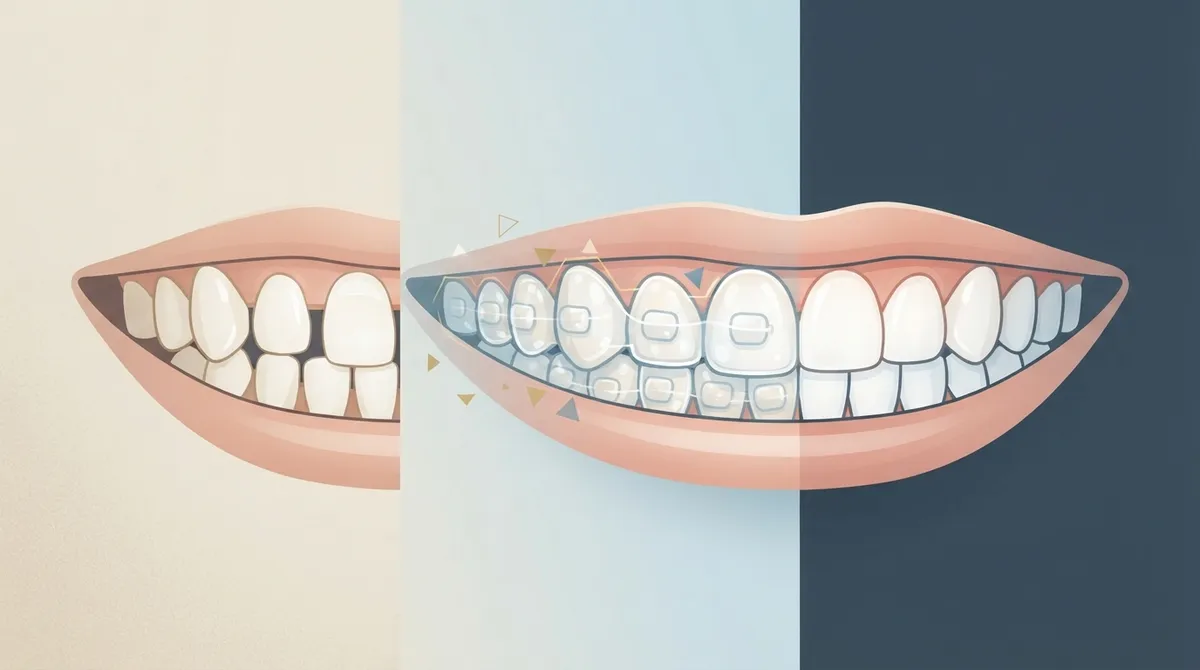
- Invisalign can close mild-to-moderate spacing issues like single midline gaps in as few as 7 months, though treatment time varies based on gap complexity and individual tooth anatomy.
- Identifying the root cause of spacing (genetics, missing teeth, gum disease, tongue thrusting) is critical before treatment, as addressing only the symptom without treating the cause can lead to gaps reopening later.
- Consistent wear of 20-22 hours daily is essential for success; skipping wear time slows progress and may require additional refinement trays, making patient compliance the primary factor in treatment outcomes.
- Retainers are non-negotiable after treatment since spacing naturally tends to relapse; most patients need full-time retainer wear initially, then nightly wear long-term, sometimes supplemented with bonded retainers.
- Additional tools like tooth-colored attachments, elastics, and interproximal reduction (IPR) are common additions to close gaps evenly, but gum disease and active decay must be treated first before starting Invisalign.
- Gingival embrasures (small triangular gaps near the gum line) occur in 35-38% of clear aligner cases versus 18-24% with traditional braces; your dentist can monitor and address this during treatment planning.
Do you smile with your lips closed because of a gap between your teeth? You are not alone. Gaps, or spacing issues, are one of the most common reasons patients visit our Ocoee office asking about clear aligners. The good news? Invisalign can often close these gaps beautifully, without a single metal bracket in sight. At Charming Smiles of Ocoee, Dr. Aliuska Lopez and her team help patients of every age find a comfortable, discreet path to a gap-free smile. In this guide, we will walk through how Invisalign treats spacing, what causes those gaps in the first place, and what to expect from start to finish. Let's get you smiling with confidence again.
What Causes Spacing Between Teeth?
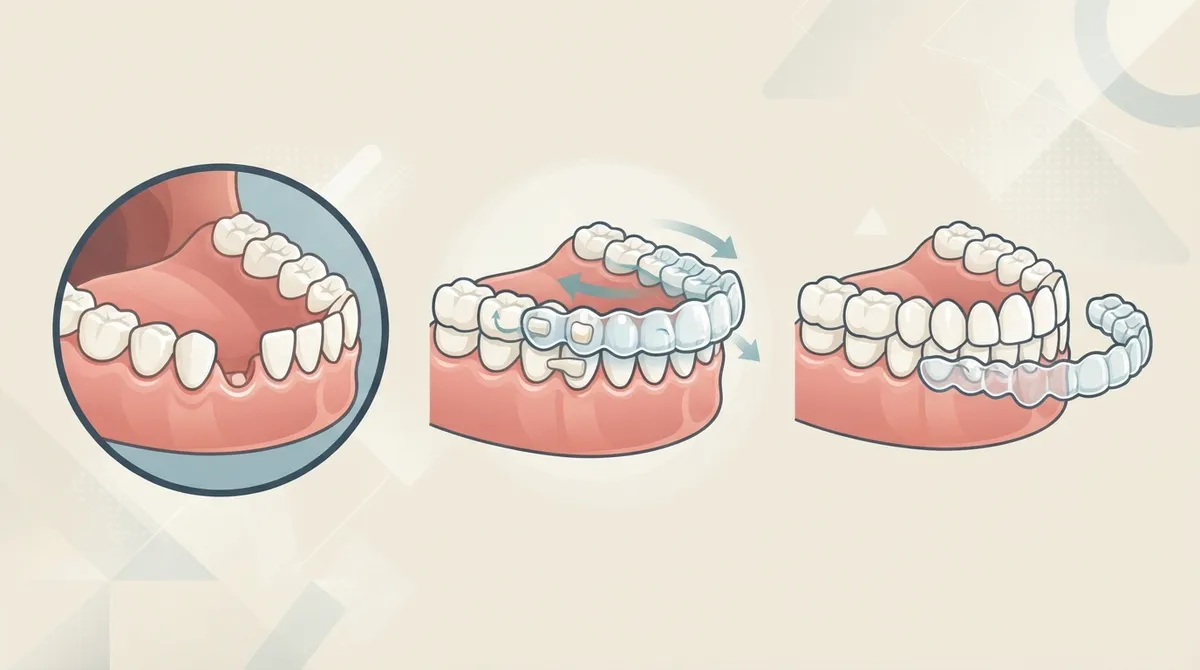
Before jumping into treatment, it helps to know why gaps show up. Spacing issues are not one-size-fits-all. Each cause can affect how your dentist plans your Invisalign treatment.
- Genetics that run in your family, giving you naturally smaller teeth or a wider jaw
- Missing or undersized teeth that leave extra room
- A prominent frenum, the tissue connecting your lip to your gums, pushing teeth apart
- Tongue thrusting habits that press teeth outward over time
- Gum disease that has caused teeth to shift or loosen
- Teeth that are simply too small for your jaw size
A thorough exam helps your dentist pinpoint the real cause. This matters because treating the symptom without understanding the cause can lead to gaps reopening later.
How Invisalign Works for Spacing Issues
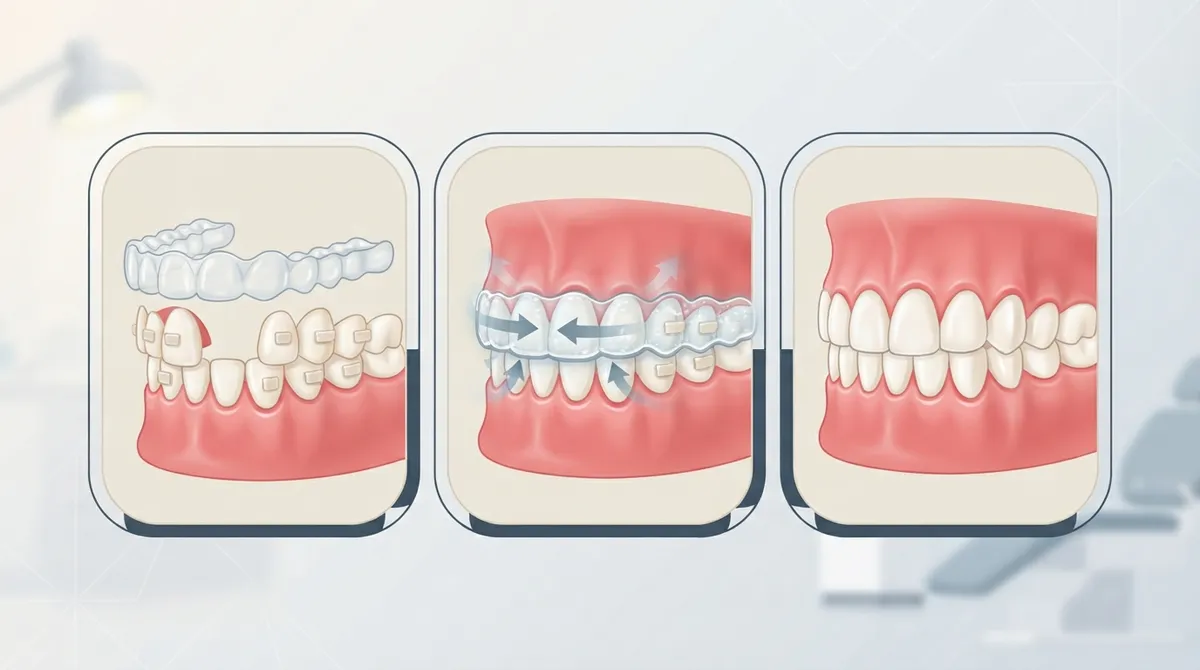
Invisalign uses a series of custom, clear plastic trays called aligners. Each tray nudges your teeth a tiny bit closer together. Over several months, those small movements add up to real change. Many patients find this process much gentler than traditional metal braces.
For simple gaps, like a single space between your two front teeth (called a midline diastema), treatment can be fairly quick. In fact, one published Invisalign clinical case study reported closing a midline gap in about seven months. Keep in mind that every mouth is different, so your own timeline may vary.
Tools That Help Close Gaps
Depending on your specific case, your dentist may add a few extra tools to your treatment plan:
- Attachments: Small, tooth-colored bumps bonded to certain teeth that give aligners extra grip
- Elastics: Tiny rubber bands that help correct bite alignment along with spacing
- Interproximal reduction (IPR): A gentle, painless shaving of a tiny bit of enamel between teeth to improve fit and prevent small leftover gaps
- Refinement aligners: A second round of trays if your teeth need a little extra fine-tuning
These additions are common and nothing to worry about. Your dentist will explain exactly what your plan includes before you start.
Is Invisalign Right for Every Type of Gap?
Invisalign shines when it comes to mild-to-moderate spacing. According to the American Association of Orthodontists, clear aligners are a solid option for many spacing cases, though every smile is different.
| Type of Spacing | Invisalign Suitability | Extra Considerations |
|---|---|---|
| Single midline gap (front teeth) | Highly predictable | Often closes in a few months |
| Multiple small gaps | Generally good candidate | May need attachments or IPR |
| Large gaps from missing teeth | Case by case | May need restorative work like bonding or veneers |
| Spacing with bite problems | Possible, but complex | May require longer treatment or a combined approach |
| Spacing from active gum disease | Not yet ready | Gum disease must be treated first |
If your teeth are unusually small, closing every single gap with aligners alone might leave your smile looking a bit off. In these cases, your dentist might suggest closing most of the space with Invisalign, then finishing with veneers or bonding for a natural, balanced look.
What to Expect at Your Invisalign Consultation
Your first visit is all about gathering information so your dentist can build the right plan for you. Here is what typically happens, step by step:
- A full exam of your teeth, gums, and bite
- Digital scans or photos of your smile
- X-rays, if needed, to check roots, bone support, and any hidden teeth
- A conversation about what caused your spacing
- A custom treatment plan with an estimated timeline
This careful planning is a big reason why patients trust Charming Smiles of Ocoee for their Invisalign journey. We never rush this step, because a good diagnosis leads to a great result. Curious what a first visit really looks like? Check out our guide on 8 Things to Expect at Your First Dental Consultation.
How Long Does Invisalign Take to Close Gaps?
Treatment time really depends on your unique smile. Simple, single-gap cases might wrap up in a matter of months. More complex cases with multiple gaps, rotations, or bite issues can take longer.
A 2020 case report on Invisalign Lite described success in fixing a midline gap along with mild crowding. However, researchers noted that more complex cases still need careful clinical judgment. This is exactly why working with an experienced provider matters so much. Promotional timelines you see online should never be treated as guarantees, since your mouth is one of a kind.
Wearing Your Aligners the Right Way
Invisalign only works if you wear it consistently. Most dentists recommend about 20 to 22 hours of wear each day. That leaves plenty of time for meals, drinks, and brushing.
- Remove aligners only for eating and drinking anything other than water
- Brush and floss before putting trays back in
- Clean your aligners daily to avoid buildup and odor
- Keep your case with you so you never lose a tray
- Follow your dentist's schedule for switching to new trays
Skipping wear time can slow things down and may mean extra refinement trays later. Staying consistent is the simplest way to keep your treatment on track.
Common Challenges (And How to Handle Them)
Most patients breeze through Invisalign, but it helps to know what might come up along the way.
- Temporary soreness: Normal for the first day or two with each new tray
- Attachment visibility: Small bumps may be slightly noticeable up close
- Incomplete tracking: Sometimes trays need a little extra time to seat properly
- Open gingival embrasures: Small triangular gaps near the gum line after treatment
- Hygiene challenges: Attachments and trays require a bit more careful brushing
Interestingly, a 2025 report noted that gaps near the gum line after treatment (not the original tooth gaps) happened in about 35% to 38% of clear aligner cases, compared to 18% to 24% with fixed braces. This is something your dentist can watch for and address during planning, so don't let it scare you away from treatment.
Why Retainers Matter So Much
Here is something many patients don't expect: spacing has a strong tendency to come back. Your gum tissue and the muscles around your mouth can slowly push teeth toward their old positions.
This is why retainers are non-negotiable after Invisalign. Most patients wear a retainer full-time for a while, then switch to nighttime-only wear long term. Some patients also benefit from a bonded retainer, a thin wire attached behind the front teeth, for extra insurance against relapse.
Think of retainers like sunscreen for your smile. You would not skip sunscreen after a day at the beach, and you should not skip your retainer after all the work you put into straightening your teeth.
Invisalign vs. Traditional Braces for Spacing
Many patients ask which option is better for closing gaps. Here is a simple comparison:
| Feature | Invisalign | Traditional Braces |
|---|---|---|
| Appearance | Nearly invisible | Visible metal or ceramic brackets |
| Removability | Removable for eating and brushing | Fixed in place |
| Comfort | Smooth plastic, fewer irritations | Wires and brackets can rub cheeks |
| Best for | Mild to moderate spacing | Complex spacing or bite issues |
| Compliance needed | High (patient must wear consistently) | Lower (always on your teeth) |
For most spacing cases we see at our Ocoee practice, Invisalign offers the comfort and discretion patients want, without sacrificing results. If you would like to explore other options for straightening your smile, our page on orthodontics covers everything available at our office.
Why Diagnosis Matters Before Treatment
Active tooth decay or gum disease should always be treated before you start moving teeth. If gum disease caused your spacing, jumping straight to Invisalign without addressing the gum issue first can lead to bigger problems down the road.
This is one reason why Invisalign should always be planned and supervised by a licensed dentist or orthodontist. A remote, mail-order aligner service simply cannot provide the exam, X-rays, and hands-on monitoring that safe, effective treatment requires. Dr. Lopez personally reviews each case to make sure your smile gets the attention it deserves.
Why Choose Charming Smiles of Ocoee for Invisalign
Our Ocoee office blends advanced dental technology with a relaxing, spa-like atmosphere. Patients tell us again and again how much they appreciate the calm environment, especially if they feel nervous about dental visits. You can browse patient testimonials to see what real patients have to say, or visit our Facebook page for more smile stories and updates.
We currently offer a free Invisalign consultation, plus $200 off treatment, making it easier than ever to start closing your gap. You can also check out our current specials for more ways to save on your smile goals. Want to see what other patients are saying? Visit us on Google — Charming Smiles of Ocoee to read real reviews from our community.
Frequently Asked Questions About Invisalign for Spacing
We know you probably have more questions, so let's tackle a few common ones our Ocoee patients ask.
Getting Started Is Easier Than You Think
Closing a gap does not have to mean months of metal brackets or awkward smiles in photos. With Invisalign, you can treat spacing issues quietly, comfortably, and on your own schedule. Dr. Lopez and the caring team at Charming Smiles of Ocoee are ready to walk you through every step, from your first scan to your final retainer fitting.
Ready to see what Invisalign can do for your smile? Book your free consultation online today, or feel free to call us at (407) 378-3704 to ask any questions. You can also learn more about our office by visiting our location near Publix in Ocoee. We cannot wait to help you close that gap and show off your best smile yet. For daily smile inspiration, follow us on our Instagram page too.
FAQs
Q: Can Invisalign close a gap between the front teeth?
A: Yes! In fact, a single gap between the front teeth (called a midline diastema) is one of the most predictable cases for Invisalign. Many patients see noticeable closure in just a few months, though your dentist will give you a personalized timeline.
Q: How long does Invisalign take to fix spacing issues?
A: It really depends on your unique smile. Simple, single-gap cases can wrap up in several months, while multiple gaps or bite issues may take longer. Your dentist at Charming Smiles of Ocoee will map out a realistic timeline during your consultation.
Q: Will I need attachments or IPR to close my gaps?
A: Maybe! Many patients need small attachments or a tiny bit of interproximal reduction (IPR) to help close gaps evenly. Don't worry, these are gentle, routine parts of many Invisalign plans.
Q: Do gaps come back after Invisalign treatment?
A: They can, which is exactly why retainers are so important. Wearing your retainer as directed, first full-time and then at night, helps keep your new smile in place for years to come.
Q: Is Invisalign or traditional braces better for spacing problems?
A: For mild to moderate spacing, most patients prefer Invisalign because it is nearly invisible and removable for eating and brushing. Traditional braces may be recommended for more complex spacing combined with bite issues, but our team will help you choose what fits your smile best.