How to Choose Tooth Colored Crowns That Last
Learn how tooth colored crowns protect damaged teeth while looking completely natural. Get costs, materials, and care tips from Charming Smiles of Ocoee.
Key Takeaways
- Tooth colored crowns fully cover and protect damaged teeth while looking completely natural, unlike old metal crowns that show when you laugh or talk.
- Material choice matters: use lithium disilicate for front teeth (95-100% survival rate), zirconia for back teeth and grinders (causes less wear on opposing teeth), and all-ceramic for cosmetic cases.
- Costs range from $900-$2,500 per tooth depending on material; most dental insurance covers 40-60% after deductible, and flexible payment plans can make treatment affordable.
- Proper daily care including soft-bristled brushing, daily flossing, wearing a night guard if you grind, and six-month checkups can extend crown lifespan well over ten years.
- A full examination is essential before treatment because crowns aren't always needed—sometimes a simple filling, veneer, or Invisalign can solve the problem with less tooth alteration.
- Modern same-day crowns using CAD/CAM technology eliminate messy molds and multiple visits, though availability depends on your dentist's equipment.
Cracked a tooth eating popcorn? Got a dark, old filling that makes you self-conscious about smiling? You are not alone, and the good news is simple: tooth colored crowns can fix these problems fast. They protect weak teeth and still look completely natural. No more metal flashing when you laugh at family dinners.
At Charming Smiles of Ocoee, we help patients across Ocoee, FL pick the right crown for their smile every week. This guide breaks down everything in simple terms. You will learn what these crowns are made of, how much they cost, and how to know if you need one. Let's get started.
What Are Tooth Colored Crowns?
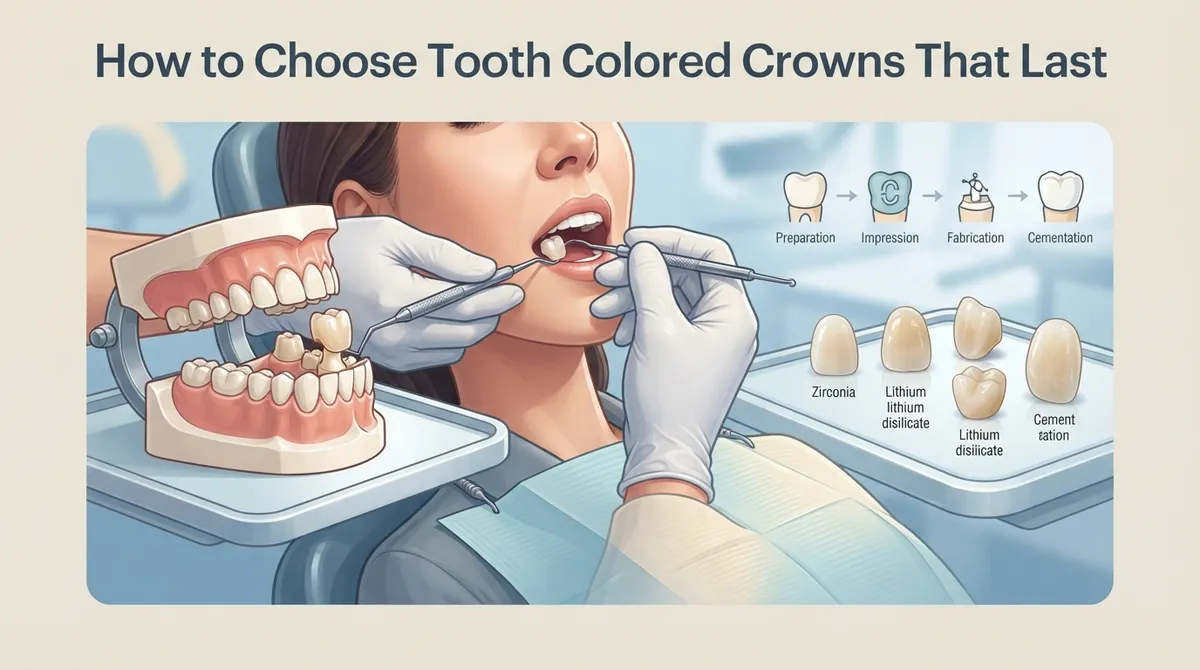
A tooth colored crown is a cap that covers your whole tooth. It matches the shade of your natural teeth. Unlike old silver crowns, nobody can tell you have one. Dentists use them to fix teeth that are cracked, badly decayed, discolored, or weak after a root canal.
These crowns are different from veneers. A veneer only covers the front of your tooth, like a thin shell. A crown wraps around the entire tooth. Think of a crown like a helmet and a veneer like a mask. Both protect, but in different ways.
Crowns do more than look nice. They also help you chew better, protect the tooth from more damage, and can add years to a tooth's life. For families and busy adults in Ocoee, this means less worry about a tooth breaking further down the road.
Types of Tooth Colored Crown Materials
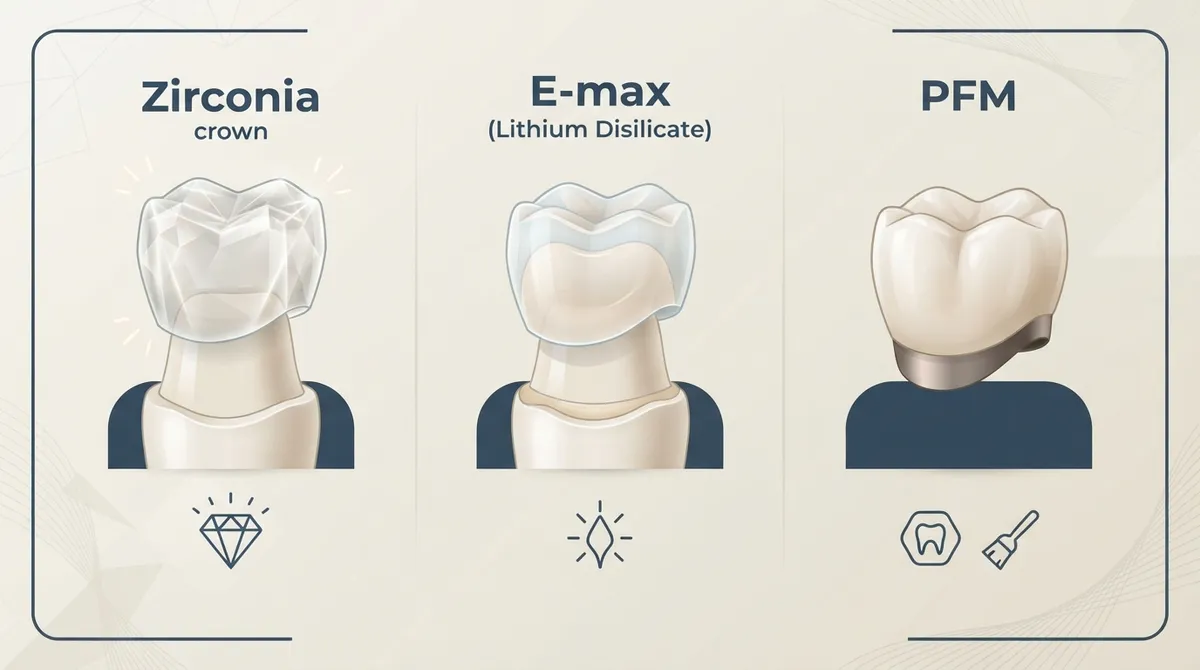
Not all tooth colored crowns are the same. Each material has strengths and best uses. Here is a simple breakdown to help you understand your options before your visit.
| Material | Best For | Look | Strength |
|---|---|---|---|
| All-Ceramic / Porcelain | Front teeth, cosmetic cases | Very natural, translucent | Good, but less than zirconia |
| Lithium Disilicate | Front teeth needing a bright, clear look | Excellent match to natural enamel | Strong for most bite forces |
| Zirconia | Back teeth, heavy chewers, grinders | Good, slightly less translucent | Very strong, metal-free |
| Porcelain-Fused-to-Metal (PFM) | Teeth needing extra support | Good, but may show a dark line at gum line over time | Very strong due to metal base |
A 2025 clinical review in the Journal of Clinical and Diagnostic Research noted that all-ceramic crowns are becoming more popular because of how natural they look and how well they hold up over time. Lithium disilicate crowns are often picked for front teeth because they let light pass through just like real enamel does.
Zirconia crowns are a favorite for back teeth because people who grind their teeth at night need something tough. Research from 2024 found that zirconia crowns cause less wear on the teeth they touch compared to some other materials. This matters if you clench your jaw during stressful days (we all have them).
How to Know If You Need a Tooth Colored Crown
Wondering if a crown is right for you? Here are common signs your dentist may look for during an exam:
- A large filling that has weakened the tooth structure
- A tooth that is cracked or has a large chip
- A tooth that just had a root canal and needs protection
- Severe discoloration that whitening cannot fix
- A tooth that is worn down from years of grinding
- A misshapen tooth affecting your bite or smile
Not every cosmetic issue needs a crown, though. Sometimes a filling, veneer, or even Invisalign treatment might solve the problem with less work done to your tooth. That is why a proper exam matters so much. Our team at Charming Smiles of Ocoee always checks your bite, gum health, and remaining tooth structure before suggesting any treatment.
The Crown Process: What to Expect Step by Step
Getting a crown might sound scary if you have never had one before. Here is how the process usually works, broken into easy steps:
- Exam and X-rays: Your dentist checks the tooth and surrounding bone to plan the right treatment.
- Tooth preparation: The dentist gently shapes the tooth to make room for the crown. Numbing gel and local anesthesia keep this comfortable.
- Impression or digital scan: A mold or scan captures your tooth's exact shape. Some offices use CAD/CAM technology for same-day crowns.
- Temporary crown placement: While your permanent crown is made, a temporary one protects your tooth.
- Crown fabrication: A lab (or in-office machine) crafts your custom crown to match your smile.
- Final fitting: Your dentist checks the fit, bite, and color before cementing it in place for good.
Some practices now offer same-day crowns using advanced digital scanning. This means no messy molds and no second visit. Ask your dentist if this option fits your case.
How Much Do Tooth Colored Crowns Cost?
Cost is often the first question people ask, and that's fair. Nobody likes surprise bills. Here is a general breakdown based on 2025 cost guides for the United States.
| Crown Type | Estimated Cost Range (Per Tooth) |
|---|---|
| All-Ceramic Crowns | $1,000 - $2,500 |
| Zirconia Crowns | $1,000 - $2,300 |
| Porcelain-Fused-to-Metal Crowns | $900 - $1,600 |
These numbers can shift based on where you live, which material you choose, and if you need extra treatment like a root canal first. Many dental insurance plans treat crowns as a major service. They may cover about 40% to 60% of the cost after your deductible, though this varies a lot by plan.
If you don't have insurance or want more flexibility, our practice offers helpful insurance & financing options and a payment plans program built for real families. We also run a dental savings plan that gives you a discount on many procedures, including crowns, for one simple yearly fee. Be sure to check our current specials too, since we often have deals on cosmetic and restorative care.
How to Care for Your New Crown
Getting a crown is not a "set it and forget it" fix. Good care helps it last many years. Follow these simple habits:
- Brush twice daily with a soft-bristled toothbrush
- Floss every day, being gentle near the crown's edge
- Avoid chewing on ice, hard candy, or pens
- Wear a night guard if you grind your teeth while sleeping
- Visit your dentist every six months for checkups
Skipping these steps can lead to problems like decay at the crown's edge or the crown coming loose. A little daily effort goes a long way toward protecting your investment.
Possible Risks and How to Avoid Them
Like any dental treatment, crowns come with a few possible issues. Being aware of them helps you catch problems early:
- Temporary sensitivity: Your tooth may feel sensitive to hot or cold for a few days after placement. This usually fades.
- Bite discomfort: If the crown feels too high, your dentist can quickly adjust it.
- Gum irritation: Mild redness near the crown is common at first but should settle down.
- Chipping: Ceramic materials can chip under heavy force, especially if you grind your teeth.
- Loosening: Over years of use, cement can wear down, requiring a simple re-cementing visit.
Clinical research backs up how well modern crowns perform. Studies show lithium disilicate crowns have roughly 95% to 100% survival rates over one to five years. A 2025 meta-analysis also found no major difference in three-year outcomes between zirconia and lithium disilicate crowns, meaning both are solid, dependable choices when placed correctly.
Why Choose Charming Smiles of Ocoee for Your Crown
Dr. Aliuska Lopez has built a reputation as a true smile expert in Ocoee, FL. She understands that dental work can feel stressful, especially for patients dealing with dental anxiety. That's why our office is designed like a spa, not a clinic. Soft music, cozy blankets, and a caring team help you relax during your visit.
We serve busy families, cosmetic dentistry seekers, and anyone needing emergency dentistry for a sudden broken tooth. Whether you need one crown or a full mouth of crowns & bridges, our team walks you through every step with patience and care.
Curious what other patients think? You can visit us on Google — Charming Smiles of Ocoee to read real reviews from our Ocoee community. You can also follow along on our Charming Smiles Facebook page or check out smile transformations on our Charming Smiles Instagram page for inspiration before your visit.
Tooth Colored Crowns vs Other Treatments
Sometimes patients wonder if a crown is really needed, or if something simpler will work. Here's a quick comparison to help clear things up:
- Filling: Best for small cavities where most of the tooth is healthy.
- Veneer: Best for cosmetic fixes on the front surface of healthy teeth.
- Crown: Best for teeth with major damage, large fillings, or after root canal treatment.
- Dental Implant: Best when the tooth is missing entirely, not just damaged.
Your dentist will always recommend the most conservative option that protects your long-term oral health. This means we won't push you toward a crown if a simple filling will do the job just as well.
Taking the Next Step Toward a Healthier Smile
Tooth colored crowns give you strength and beauty in one simple treatment. They protect damaged teeth while blending in perfectly with your smile. Whether you're dealing with a cracked tooth, an old filling, or a tooth after a root canal, a crown might be exactly what you need.
For extra peace of mind between dental visits, keeping your yard and home clean can reduce stress too. If you're tackling a home project this season, Wayne & Sons Landscaping & Junk Removal is a trusted name many Ocoee families rely on for outdoor cleanup and care.
Ready to protect your smile with a crown that looks completely natural? Visit our location in Ocoee, or simply call us at (407) 378-3704 to schedule your consultation today. You can also book online at a time that works best for your schedule. Our team at Charming Smiles of Ocoee is here to make your visit comfortable, easy, and worth smiling about.
FAQs
Q: What are tooth colored dental crowns made of?
A: Tooth colored crowns are usually made from all-ceramic porcelain, lithium disilicate, zirconia, or porcelain-fused-to-metal. Each material has its own strengths, so your dentist will help pick the best one for your tooth's location and your bite. We're always happy to explain your options in plain language during your visit!
Q: How long do tooth colored crowns last?
A: Many tooth colored crowns last well over ten years with good care, and studies show lithium disilicate crowns have survival rates near 95% to 100% over one to five years. Brushing, flossing, and regular checkups make a big difference in how long yours lasts. Think of it like a favorite pair of shoes—the better you treat them, the longer they serve you well.
Q: How much do tooth colored crowns cost without insurance?
A: Costs typically range from about $900 to $2,500 per tooth, depending on the material and your specific case. We know that number can feel like a lot, which is why we offer flexible payment plans and a dental savings plan to help make treatment affordable. Our friendly team is always ready to walk you through your options with zero pressure.
Q: What is the difference between a tooth colored crown and a veneer?
A: A crown covers your entire tooth like a protective cap, while a veneer only covers the front surface, like a thin cosmetic shell. Crowns are typically used for more damaged teeth, while veneers are great for cosmetic improvements on otherwise healthy teeth. Your dentist can help you figure out which one truly fits your smile goals!
Q: Can a tooth colored crown be placed after a root canal?
A: Yes, this is actually one of the most common reasons patients need a crown. After a root canal, the tooth can become brittle, so a crown protects it from cracking and helps it function normally again. Many of our Ocoee patients are pleasantly surprised at how natural and comfortable their crown feels once it's in place.