How Do You Know It's Time for Replacement Dentures in Ocoee?
Loose or worn dentures? Learn the signs you need replacement dentures in Ocoee, your options, costs, and what to expect at your visit.
Key Takeaways
- Replacement dentures aren't always necessary: a dentist may recommend a repair, adjustment, or reline if your current set is in good enough shape.
- Warning signs include constant slipping, sore spots, difficulty chewing, cracks or chips, needing more adhesive, a changed bite, and awkward speech, so book a visit if two or more apply.
- Ask for a written estimate that clarifies whether exams, X-rays, extractions, temporary dentures, adjustments, and follow-up visits are included, since advertised starting prices aren't guaranteed totals.
- Check your dental insurance for waiting periods or replacement limits, and ask about payment plans or financing before committing to treatment.
- Choose between full, partial, or implant-supported dentures; implants require enough healthy jawbone and good overall health, so they aren't right for everyone.
- Extend denture life by cleaning them daily with a soft brush and denture-safe cleaner, handling them over a folded towel, and keeping regular checkups.
Let's be honest: nobody wakes up excited to talk about their dentures. But if yours have started to feel loose, sore, or just a little off, you're not alone. And you don't have to put up with it. Many people in our community deal with the same thing, and the fix is often simpler than you'd think.
If you're searching for replacement dentures in Ocoee, you're probably wondering a few things. Do I need a brand-new set? Can my current ones be repaired? What will it cost? How long will it take? Those are all great questions, and we'll walk through each one together in this guide.
Here's the short version. Replacement dentures are for people whose full or partial dentures are worn, damaged, or no longer fit well. A dentist needs to take a look to decide if a repair, a reline, or a whole new appliance makes the most sense. So grab a cup of coffee, and let's sort this out together.
What Are Replacement Dentures, Exactly?
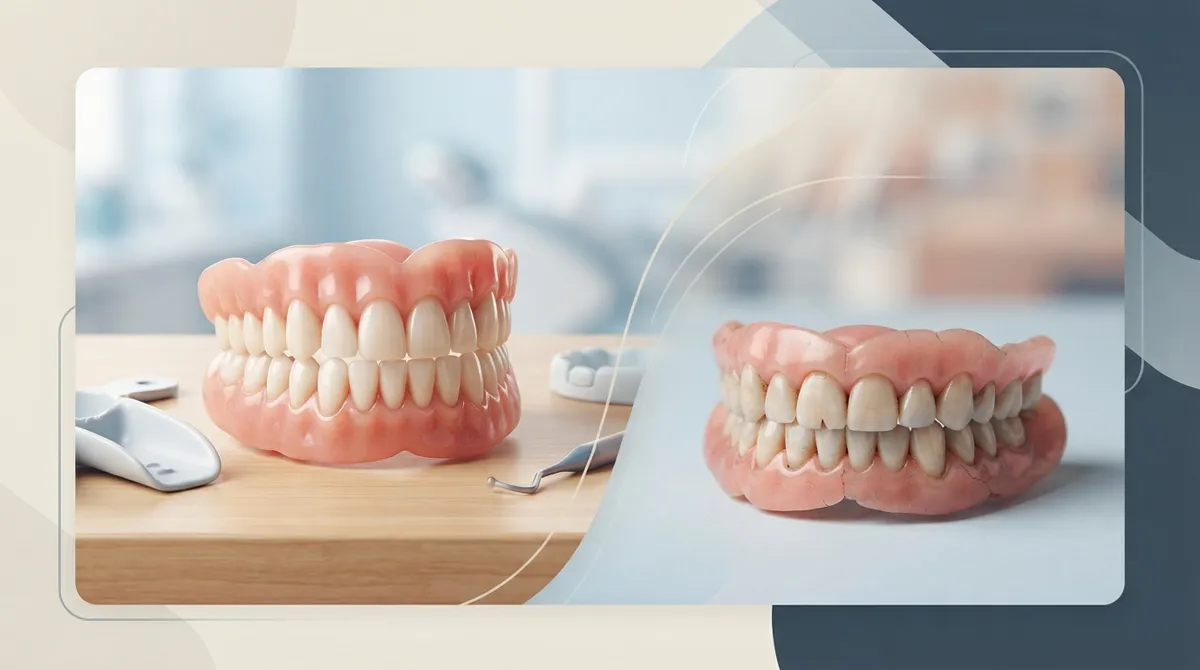
Replacement dentures simply mean getting a new set of dentures to take the place of your old ones. That might be a full denture, which replaces all the teeth on the top or bottom. Or it might be a partial denture, which fills in some missing teeth and fits around the natural teeth you still have.
Sometimes "replacement" also covers fixes along the way. A dentist may find that your current denture just needs a repair or an adjustment. That's good news, because it can save you time and money. Only a proper exam can tell you which path fits your mouth.
If you want to see how the different options compare, our guide on dentures services in Ocoee is a helpful place to start.
7 Signs Your Dentures May Need to Be Replaced
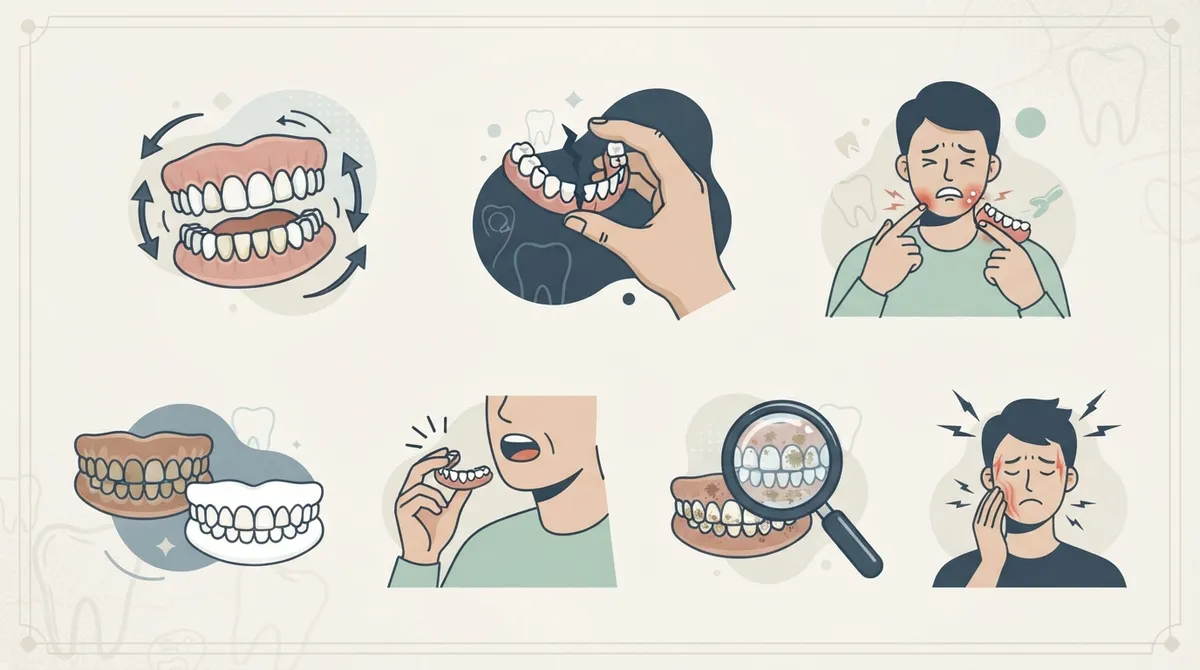
Your mouth changes over time. The gums and jawbone slowly shrink after teeth are lost, and that can change how your dentures sit. Here are the signs we hear about most often:
- They feel loose or slip when you talk or eat. A little movement can be normal at first, but constant slipping is not.
- You have sore spots or irritation. Rubbing and pressure points often mean the fit has changed.
- Chewing has become difficult. If favorite foods feel off-limits, something needs attention.
- You need more and more adhesive. Adhesive should be a helper, not a fix for a poor fit.
- There are cracks, chips, or worn-down teeth. Damage can weaken the whole appliance.
- Your bite feels different. A shifting bite can strain your jaw and face.
- Speaking feels awkward. Lisps, clicking, or slipping words can signal a fit problem.
If two or more of these sound familiar, it's worth booking a visit. Putting it off can lead to more irritation and even more bone change over time.
Repair, Reline, or Replace: Which Do You Need?
Here's something many people don't realize. You may not need a whole new set. A dentist can look at your current denture and tell you if a smaller fix will do the trick. This table gives you a simple overview:
| Option | What It Means | Often Used When |
|---|---|---|
| Repair | Fixing a crack, chip, or broken tooth | The denture still fits well but has minor damage |
| Adjustment | Small tweaks to ease sore spots or fix the bite | You have minor rubbing or pressure |
| Reline | Reshaping the inside surface to match your gums | The denture is in good shape but has become loose |
| Replacement | Making a brand-new denture | Wear, damage, or major changes make the old one hard to fix |
Your dentist will help you pick the right one after a hands-on exam. The goal is comfort, a good bite, and a smile you feel proud to show off.
Full, Partial, or Implant-Supported: Know Your Options
When you replace dentures, you also get a chance to rethink what type works best for you. Let's look at the main choices.
Full Dentures
Full dentures replace every tooth in an upper or lower arch. They rest on the gums and are made to match your mouth. Many people choose them when most or all natural teeth are gone.
Partial Dentures
Partial dentures fill in the gaps when you still have some healthy teeth. They fit around your natural teeth and help keep your smile balanced. If this sounds like you, take a peek at our post on partials and dentures in Ocoee.
Implant-Supported Dentures
Implant-supported dentures snap onto dental implants placed in the jaw. Many patients love the extra hold, since the denture is less likely to shift. They're not right for everyone, though, since you need enough healthy bone and good overall health. Our article on why implant supported dentures beat regular ones explains the benefits in plain language.
Not sure which way to lean? Our comparison of dental implants vs. dentures can help you think it through.
What to Expect When You Replace Your Dentures
A lot of folks feel nervous before this visit. That's completely normal, and it's okay to say so. The process is usually friendly and simple. Here's how it often goes:
- Exam and conversation. Your dentist checks your mouth, gums, and current denture. You talk about what's bothering you.
- Imaging if needed. X-rays may help show the health of your jaw and any remaining teeth.
- Impressions or scans. These capture the shape of your mouth so the new denture fits well.
- Bite records. Your dentist records how your upper and lower jaws meet.
- Fabrication. Your new denture is made to match your mouth and your smile.
- Fitting and follow-up. Small adjustments help make it comfortable. Follow-up visits are common.
The number of visits can vary. It depends on your oral health, whether any teeth need to come out, and the type of denture you choose. Ask your dentist for a clear timeline during your consultation so there are no surprises.
How Much Do Replacement Dentures Cost in Ocoee?
This is the question on almost everyone's mind, so let's talk about it openly. There isn't one single price. Cost depends on the type of denture, the materials, your oral health, and any prep work like extractions.
To give you a sense of how wide the range can be, local offices advertise a variety of starting prices. For example, one denture provider in Ocoee lists economy dentures starting at $395 per single arch, with higher tiers starting at $845 and $1,285. Another national office lists options starting at $499 per arch with a savings-plan membership. Another lists implant dentures with an average patient payment of $8,289. Keep in mind that these are advertised starting prices or provider-specific figures. They are not guaranteed totals, and they are not a local average.
The smartest move is to ask for a written estimate before you commit. Here's what to ask about:
- Does the price include the exam and X-rays?
- Are extractions or other prep work extra?
- Is a temporary denture included?
- Are adjustments, relines, and follow-up visits covered?
- What does my insurance cover, and are there waiting periods or exclusions?
- Are payment plans or financing available?
Understanding the full picture helps you avoid surprise bills. Our post on dental financing options in Ocoee walks through ways to spread out the cost, and our guide on dental insurance accepted in Ocoee can help you understand your benefits.
Why Choose a Local Dentist for Your Replacement Dentures?
Dentures aren't a one-and-done product. They need follow-up care, tweaks, and check-ins as your mouth changes. That's why working with a dentist close to home matters. You can pop in for a quick adjustment without a long drive.
At Charming Smiles of Ocoee, Dr. Aliuska Lopez and our team focus on gentle, personal care in a calm, spa-like setting. If dental visits make you anxious, we get it. We offer comfort touches like soothing music, blankets, and a friendly team that takes the time to explain each step. Learn more in our post on why a spa-like atmosphere makes dental visits better.
We also believe in clear, honest communication. You'll get a plan you understand and a team that's glad to answer questions. If you're weighing different kinds of practices, our comparison of a local dentist vs. a big chain clinic may be useful.
Tips to Help Your New Dentures Last Longer
Once you have a comfortable new set, a little daily care goes a long way. Try these simple habits:
- Clean them daily. Use a soft brush and a denture-safe cleaner, not harsh toothpaste.
- Handle them gently. Clean them over a folded towel or a sink of water in case they slip.
- Give your gums a break. Take them out as your dentist recommends, and soak them in a denture solution.
- Care for your mouth, too. Brush your gums, tongue, and any remaining teeth every day.
- Keep your checkups. Regular visits help catch fit changes early.
For more ideas, check out our list of denture care mistakes to avoid. A few small changes can save you real trouble down the road.
What Should You Bring to Your Consultation?
A little prep makes your visit smoother. Bring your current dentures, even if they're cracked or worn. Bring a list of any medicines you take and your insurance card if you have one. Write down your questions too. It's easy to forget them once you're in the chair.
Also, think about what matters most to you. Maybe it's eating your favorite foods again, speaking with confidence, or simply feeling comfortable all day. Sharing your goals helps your dentist build a plan that fits your life.
Ready to Feel Comfortable in Your Smile Again?
Loose, worn, or uncomfortable dentures don't have to be your new normal. Whether you need a quick repair, a reline, or a full replacement, the first step is a friendly conversation and a careful exam. You deserve a smile that feels good and looks natural.
If you're ready to talk about replacement dentures in Ocoee, we'd love to meet you. You can book online or call us at (407) 378-3704 to set up a visit. You can also find our location and hours on our website, or see what our Charming Smiles of Ocoee patients say on Google. Come see why so many neighbors trust us with their smiles.
FAQs
Q: How much do replacement dentures cost in Ocoee, FL?
A: Prices vary a lot based on the type of denture, materials, and any prep work like extractions. Advertised starting prices are not guaranteed totals, so ask for a written estimate that spells out exams, imaging, adjustments, and follow-up care. We're happy to walk you through it so there are no surprises.
Q: Do I need new dentures, or can mine be repaired or relined?
A: Sometimes a small fix does the trick! Cracks and chips can often be repaired, and a reline can help a loose denture fit snugly again. A quick exam is the best way to know if you need a repair, an adjustment, or a brand-new set.
Q: How long does it take to get replacement dentures?
A: It depends on the type of denture and your oral health. The process usually includes an exam, impressions or scans, bite records, fitting, and a few follow-up adjustments. Your dentist can give you a clearer timeline once they see your mouth.
Q: Does dental insurance cover replacement dentures?
A: Coverage varies from plan to plan, and some plans have waiting periods or limits on how often you can replace dentures. It's smart to check with your insurer and our office before treatment. We'll gladly help you understand your benefits and talk through financing options.
Q: How can I tell if my dentures no longer fit properly?
A: Common signs include slipping, sore spots, trouble chewing, cracks, and a bite that feels off. If you need more and more adhesive just to keep them in place, that's another clue. Reach out for a visit so we can check the fit and get you comfortable again.