Home Remedies vs. Dentist Care: Which Stops Tooth Pain?
Learn which tooth pain relief methods actually work, which ones to avoid, and when it's time to see a dentist in Ocoee, FL.
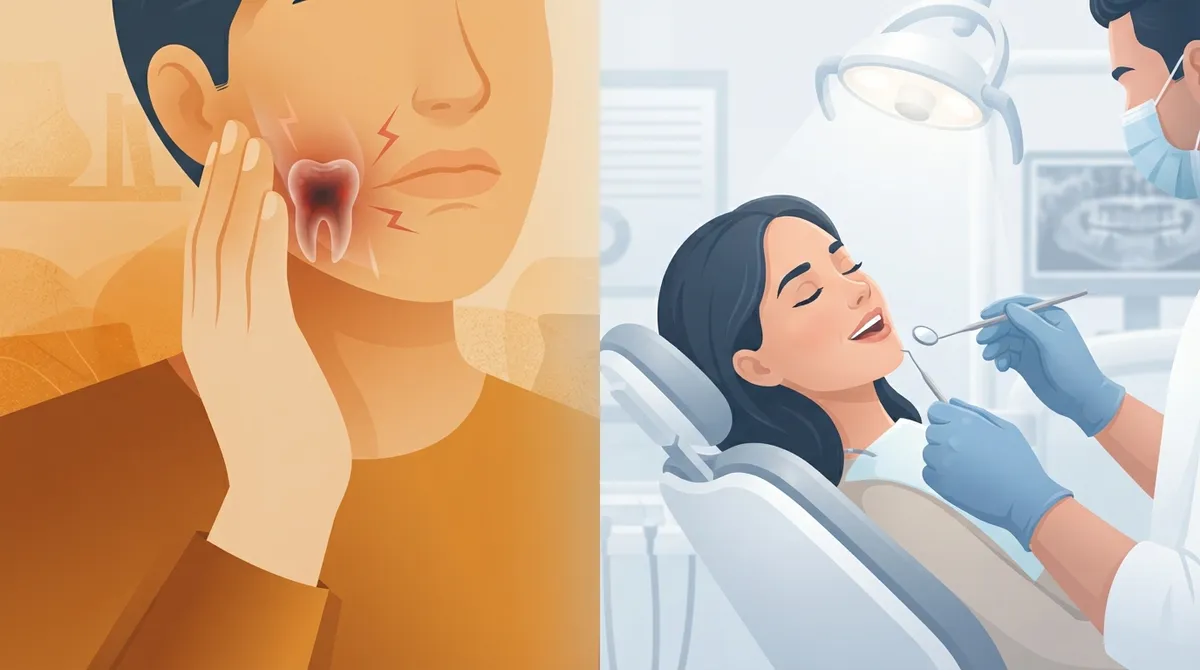
Key Takeaways
- NSAIDs like ibuprofen (400 mg) or naproxen (440 mg) are the ADA-recommended first choice for tooth pain relief as they reduce inflammation at the source, and combining them with acetaminophen can provide stronger relief than opioids with fewer side effects.
- Tooth pain is a warning sign of underlying problems like decay, cracks, gum disease, or infection that require professional diagnosis; home remedies only mask symptoms temporarily and pain disappearing doesn't mean the problem is gone.
- Seek immediate dental care if pain lasts over two days, is accompanied by facial/jaw swelling, fever, difficulty swallowing or breathing, or if sharp pain occurs when biting down, as these indicate serious infections needing urgent treatment.
- Warm salt water rinses (30 seconds with half teaspoon salt) and cold compresses on the cheek for 15-20 minutes can provide temporary relief, but avoid applying ice directly to teeth and never place aspirin topically as it damages oral tissue.
- NSAIDs and acetaminophen are unsafe for people with stomach ulcers, kidney disease, cardiovascular conditions, pregnancy, liver disease, or heavy alcohol use, so consult a pharmacist or dentist before use if you have these conditions.
- Regular dental checkups every six months, daily flossing, brushing with fluoride toothpaste, and wearing a night guard if you grind your teeth can prevent tooth pain before it develops and catch problems early before they become expensive emergencies.
That sharp jolt when you bite into ice cream. The dull throb that keeps you up at 2 a.m. If you're dealing with tooth pain right now, you want relief fast. But here's something important to know: not all pain relief is the same. Some methods just mask your pain for a while. Others actually fix the problem for good.
At Charming Smiles of Ocoee, we see patients every week who tried everything at home before finally calling us. We get it. Nobody wants to rush to the dentist. But knowing the difference between home remedies and professional care can save you from bigger problems (and bigger bills) down the road. Let's break down what actually works, what's risky, and when it's time to pick up the phone.
What Causes Tooth Pain in the First Place?
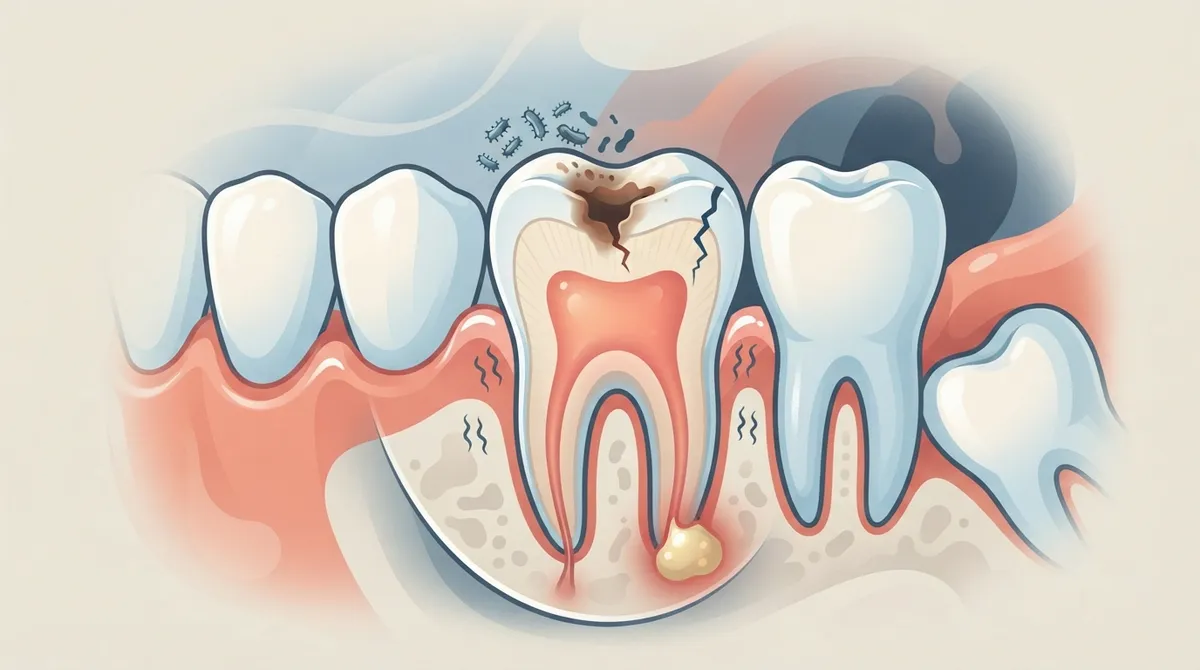
Tooth pain is not a diagnosis. It's a warning sign. Your tooth is telling you something is wrong underneath the surface. Common causes include:
- Tooth decay or cavities eating through enamel
- Cracked or fractured teeth from grinding or injury
- Gum disease pulling away from the tooth root
- A dental abscess (infection) forming near the root
- Exposed tooth roots from receding gums
- Loose or damaged fillings letting bacteria sneak in
- Impacted wisdom teeth pushing against other teeth
- Teeth grinding (bruxism) wearing down your enamel at night
According to the American Dental Association, tooth pain almost always points to something that needs a professional exam. The CDC reports that about 21% of U.S. adults ages 20 to 64 have at least one untreated cavity right now. If you're in that group, you're not alone. But you also shouldn't wait too long to get checked.
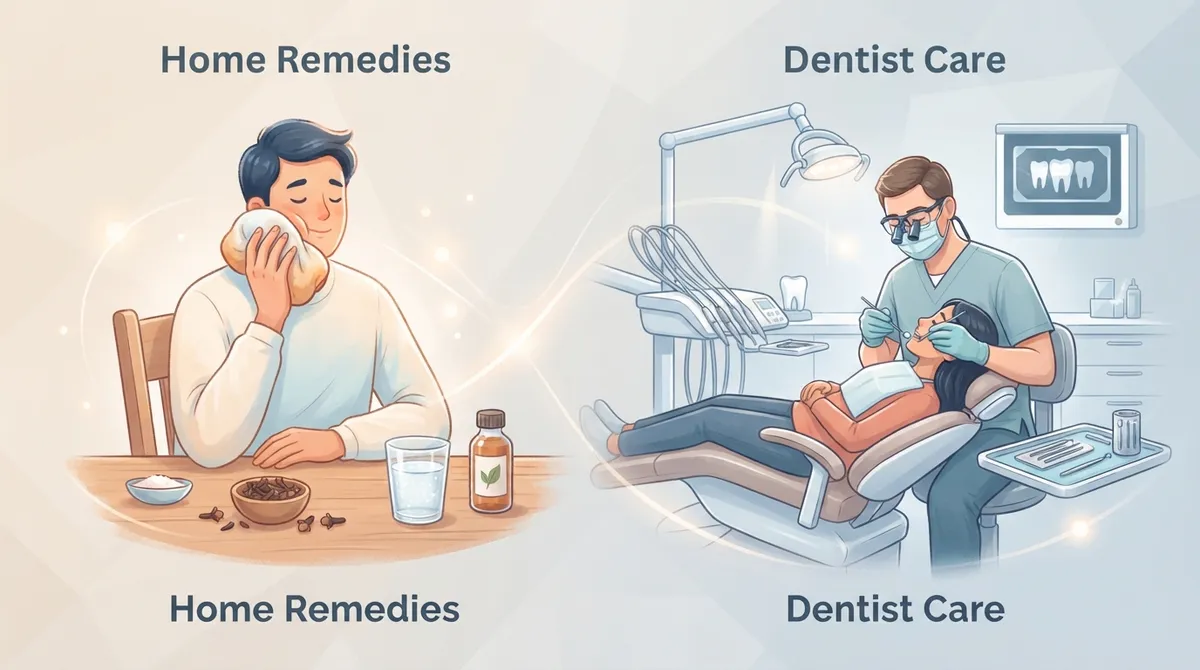
Home Remedies: What Really Works
When your emergency dentistry appointment isn't until tomorrow, you need something to get through tonight. Here's what dental experts actually recommend, based on the 2024 ADA-endorsed pain management guideline.
1. Over-the-Counter Pain Medication
For adults and teens age 12 and older, the ADA-backed guideline recommends NSAIDs like ibuprofen (400 mg) or naproxen sodium (440 mg) as the first choice for toothache relief. These work by reducing inflammation right at the source of your pain, not just numbing the feeling.
If NSAIDs aren't safe for you, acetaminophen (1,000 mg) is another option. Some dentists suggest combining ibuprofen and acetaminophen together for stronger relief. In fact, a major evidence review of over 58,000 patients found that ibuprofen plus acetaminophen worked better than opioid-based pain relievers after wisdom tooth removal, with fewer side effects too. That said, this data is specific to post-surgery pain, so always check the product label and ask your dentist or pharmacist what's right for your situation.
2. Warm Salt Water Rinse
Mix half a teaspoon of salt into a warm glass of water. Swish gently for 30 seconds, then spit. This simple rinse can reduce swelling and clean out food particles or bacteria near the sore spot. It won't cure an infection, but it can bring some short-term comfort.
3. Cold Compress on Your Cheek
If your pain comes from an injury or swelling, hold a cold pack against your outer cheek for 15 to 20 minutes. This helps numb the area and slow down swelling. Never apply ice directly to the tooth or gum tissue.
4. Soft Foods and Gentle Brushing
While you wait for your appointment, stick to soft foods like yogurt, mashed potatoes, and soup. Avoid chewing on the painful side. Switch to a soft-bristle toothbrush and skip very hot, cold, or sugary foods that can trigger sharp pain.
Home Remedies vs. Professional Dental Care: A Side-by-Side Look
| Factor | Home Remedies | Professional Dental Care |
|---|---|---|
| Speed of relief | Fast (minutes to hours) | Fast for severe pain with emergency visits |
| Treats the cause | No, only masks symptoms | Yes, fixes the actual problem |
| Long-term results | Temporary, pain often returns | Lasting, prevents future pain |
| Risk level | Low if used correctly, risky if misused | Low, performed by trained professionals |
| Best for | Bridging the gap until your appointment | Actual diagnosis and repair |
What You Should Never Do for Tooth Pain
Some old wives' tales about tooth pain can actually make things worse. Here's what to avoid:
- Never place aspirin directly on your gum or tooth. This can burn and damage your oral tissue. Aspirin only works when swallowed, not applied topically.
- Don't use leftover antibiotics or someone else's prescription. Antibiotics don't fix the actual dental problem. They're only used for specific infections with your dentist's guidance.
- Avoid skipping your dental exam because the pain went away. Pain that disappears doesn't mean the problem is gone. It might mean a nerve has died, which is actually more serious.
- Don't ignore swelling in your face, jaw, or neck. This can signal a spreading infection that needs urgent care.
- Never exceed the recommended dose of pain medication. More medicine doesn't mean more relief, and it can cause serious health problems.
Who Should Be Extra Careful With Pain Medication?
NSAIDs and acetaminophen are generally safe, but they're not right for everyone. You should talk to a dentist, physician, or pharmacist before taking these medications if you have:
- A history of stomach ulcers or bleeding
- Kidney disease
- Certain heart or cardiovascular conditions
- A known allergy to NSAIDs
- Pregnancy (always check with your doctor first)
- Liver disease or heavy alcohol use (this affects acetaminophen safety)
This is why we always recommend a quick call to our office before you start any new pain relief routine, especially if you're an older adult managing other health conditions. Our team at Charming Smiles of Ocoee can help you figure out the safest option for your situation.
When Tooth Pain Becomes a Dental Emergency
Some symptoms mean you need to see a dentist right away, not tomorrow. According to NHS and ADA guidance, you should seek care immediately if you notice:
- Pain that lasts more than two days without improvement
- Swelling in your face, jaw, eye, or neck area
- Fever along with tooth pain
- A bad taste in your mouth or visible pus
- Sharp pain when biting down
- Difficulty opening your mouth all the way
- Trouble breathing, swallowing, or speaking (this is a true medical emergency)
If you're experiencing any of these signs, don't wait. Call us at (407) 378-3704 so we can get you in quickly. Our emergency dental care team in Ocoee understands that dental pain doesn't wait for convenient business hours, and we work hard to fit urgent patients in fast.
What Happens When You See a Dentist for Tooth Pain?
Walking into a dental office with a toothache can feel scary if you don't know what to expect. Here's what a typical visit looks like at Charming Smiles of Ocoee:
- We'll ask about your pain, medical history, and any medications you're taking
- A gentle exam of the painful tooth and surrounding gum tissue
- Digital X-rays to see what's happening beneath the surface
- A clear explanation of what's causing your pain
- A treatment plan built around your comfort and budget
Depending on what we find, treatment might include a simple filling, a crown, a root canal, gum treatment, or in some cases, an extraction. Dr. Aliuska Lopez and our team take extra care to explain every step, especially for patients who feel nervous about dental visits.
Why Choose Charming Smiles of Ocoee for Tooth Pain Relief
We know dental anxiety is real. That's why our Ocoee office feels more like a spa than a clinic. Soft music, cozy blankets, and a calm environment help even the most nervous patients relax. Our team is known for gentle care, and you can visit us on Google to see what our Charming Smiles of Ocoee patients say about their experiences.
We also make urgent care affordable. Our Emergency Consultation special is just $49, so you can get answers fast without breaking the bank. We accept most major insurance plans, including MetLife, Delta Dental, Cigna, and Aetna, plus flexible financing options like CareCredit and Cherry Financing.
Located conveniently near Publix in Ocoee, our office is easy to find when you're in pain and need help fast. You can also follow us on our Charming Smiles Facebook page or check out patient smiles on our Charming Smiles Instagram page to see the kind of care our community trusts.
Preventing Tooth Pain Before It Starts
The best pain relief is the pain you never have to feel. Simple habits can go a long way:
- Brush twice a day with fluoride toothpaste
- Floss daily to remove hidden food particles
- Schedule regular checkups and cleanings every six months
- Wear a night guard if you grind your teeth
- Address small dental issues before they become big ones
Our full range of dental services is designed to catch problems early, before they turn into painful emergencies. Regular visits also mean lower costs and less stress for you and your family in the long run.
Ready to Get Real Relief?
Home remedies can help you get through a rough night, but they're not a long-term fix. If your tooth pain has lasted more than two days, comes back after medicine wears off, or comes with swelling or fever, it's time to see a professional. Waiting only lets the problem grow, and that usually means more pain and a bigger bill later.
At Charming Smiles of Ocoee, we combine gentle, modern care with a truly relaxing environment. Whether you need a quick check or urgent treatment, we're ready to help you feel better fast. Reach out today to book an appointment at our location, and let's get your smile back to feeling great.
FAQs
Q: What is the fastest way to relieve tooth pain at home?
A: Taking ibuprofen or naproxen, as recommended by the ADA, usually brings the fastest relief for adults and teens 12 and up. A warm salt water rinse and a cold compress on your cheek can also help while you wait to see your dentist. Just remember, these only ease the pain temporarily, they don't fix what's actually wrong.
Q: Should I take ibuprofen or acetaminophen for a toothache?
A: For most people, ibuprofen (an NSAID) is the first choice because it reduces inflammation right at the source of your pain. If you can't take NSAIDs due to health reasons, acetaminophen is a good alternative. Always check with a dentist or pharmacist first, especially if you have other health conditions.
Q: Can I take ibuprofen and acetaminophen together for dental pain?
A: Yes, many dentists recommend combining ibuprofen and acetaminophen for stronger relief, and research shows this combo can work better than opioid pain relievers after dental procedures. Just follow the product label carefully and don't exceed the recommended doses. When in doubt, give our Charming Smiles of Ocoee team a call to confirm it's safe for you.
Q: When should tooth pain be treated as a dental emergency?
A: If your pain lasts more than two days, doesn't improve with medicine, or comes back after wearing off, it's time to see a dentist. Swelling in your face or jaw, fever, or trouble breathing or swallowing means you need care right away. Don't wait it out. Call us at (407) 378-3704 so we can get you seen quickly.
Q: Is it safe to put aspirin directly on a painful tooth?
A: No, this is actually one of the most common tooth pain myths, and it can hurt you. Aspirin placed directly on your gum or tooth can burn and damage the soft tissue. Aspirin only helps when swallowed as directed, never applied topically.