ER vs. Emergency Dentist: Which Should You Choose?
ER or emergency dentist — which is right for your dental crisis? Learn the key differences and when each option makes the most sense for fast relief.
Key Takeaways
- Emergency dental consultations provide same-day diagnosis and actual treatment (extractions, root canals, re-implantation) within one appointment, while ERs can only prescribe medication and typically cannot perform dental procedures.
- A knocked-out tooth must be seen by a dentist within 30-60 minutes to maximize chances of saving it; keep it moist in milk or between cheek and gum while seeking immediate care.
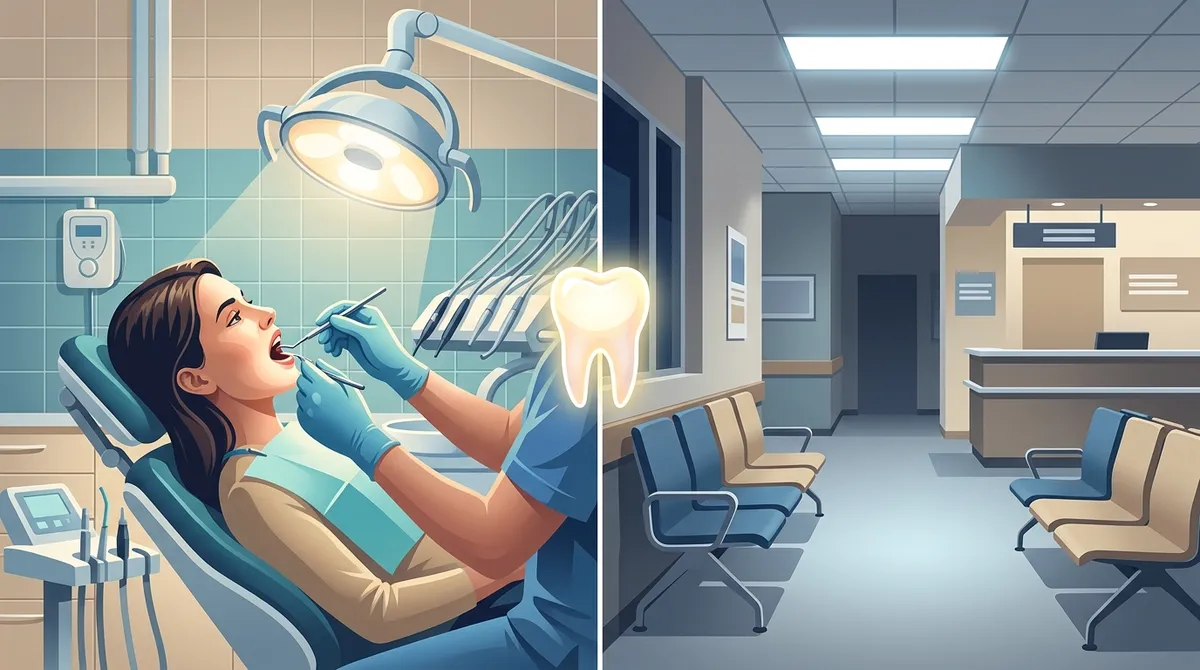
- Emergency dentists offer faster access, lower costs, complete treatment plans, and long-term solutions compared to ER visits which involve hours of waiting for temporary relief only.
- Reserve ER visits only for life-threatening situations: jaw fractures, severe facial trauma, difficulty breathing/swallowing, or uncontrolled bleeding; seek a dentist first for toothaches, cracked teeth, and infections.
- Many dental insurance plans cover emergency consultations including exams and X-rays; uninsured patients can use dental savings plans, CareCredit, or Sunbit financing to make emergency care affordable.
- Before reaching the dentist, manage emergencies by rinsing with salt water, using cold compresses, taking over-the-counter pain relievers, and applying temporary dental cement—these steps provide comfort but cannot replace professional treatment.
Picture this: it's Saturday evening, and a sharp, throbbing toothache wakes you up out of a dead sleep. Or maybe your child takes a tumble at the playground and knocks out a tooth. Your first instinct might be to rush to the nearest emergency room — but is that really the best move? Knowing the difference between heading to the ER and scheduling an emergency consultation with a dentist can save you time, money, and a whole lot of unnecessary stress. In this article, we'll break down both options clearly, help you understand what each can and can't do, and guide you toward the smartest choice for your specific situation. Whether you're a busy parent, a senior dealing with sudden tooth pain, or just someone caught off guard by a dental crisis, this guide is for you.
What Is a Dental Emergency Consultation?
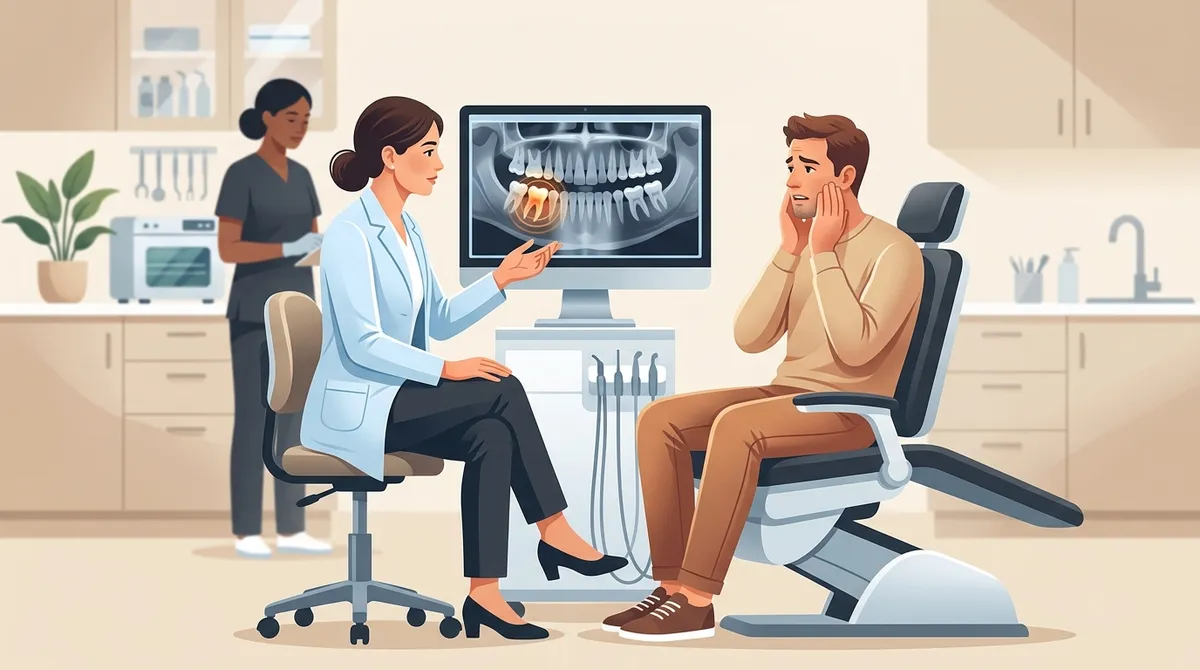
A dental emergency consultation is a same-day or urgent appointment with a licensed dentist to evaluate and treat sudden oral health problems. Unlike a routine checkup, an emergency consultation focuses on diagnosing the cause of your pain or trauma right away and providing immediate relief. Think of it as a fast-track dental visit designed specifically for those moments when waiting a week just isn't an option.
At practices like emergency dentistry providers in Ocoee, the goal is to get you seen quickly, diagnose the issue accurately, and start treatment before things get worse. These visits often include X-rays, a thorough exam, pain management, and a clear treatment plan — all in one appointment.
Common Dental Emergencies That Need Immediate Attention
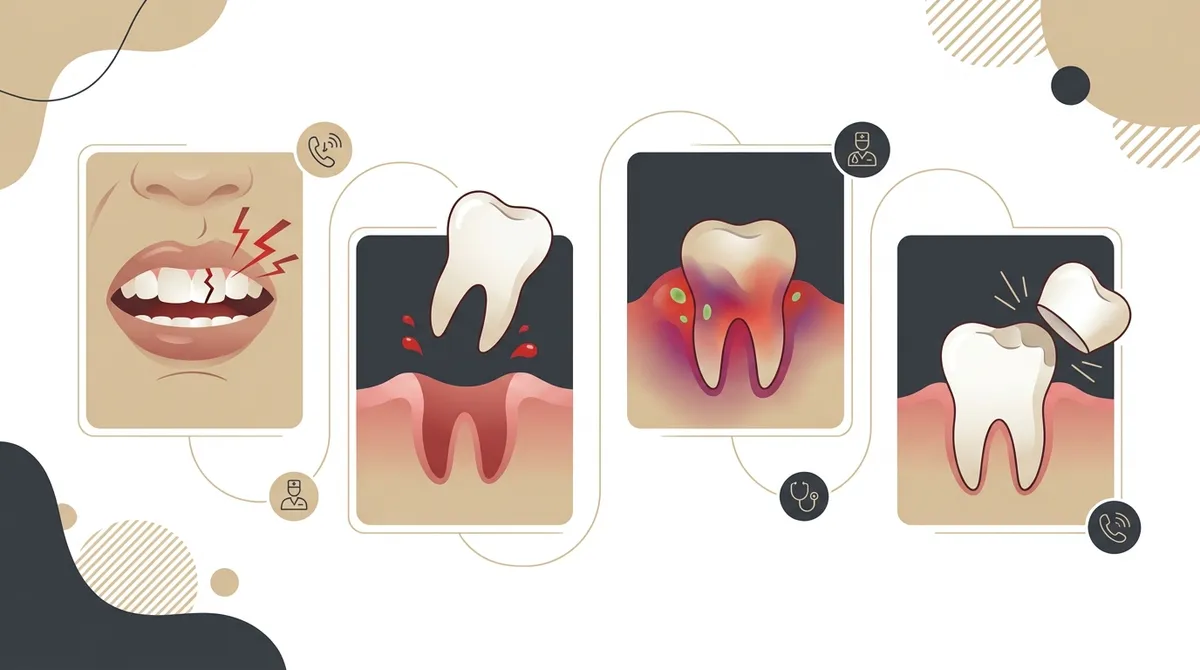
Not every dental problem is a true emergency. But there are situations where waiting even a day or two can make things significantly worse. Here are the most common issues that call for an emergency consultation:
- Severe toothache — Intense, throbbing pain that doesn't go away with over-the-counter pain relievers
- Knocked-out tooth — A fully dislodged tooth that may still be saved if treated within 30–60 minutes
- Cracked or fractured tooth — Especially when pain or sensitivity is involved
- Dental abscess — A pus-filled infection near the tooth root that can spread to your jaw or neck
- Lost filling or crown — Leaves the tooth exposed and vulnerable to further damage
- Bleeding that won't stop — Uncontrolled bleeding from the gums or after an extraction
- Swelling in the jaw or face — Could signal a serious infection needing prompt treatment
If you're experiencing any of these, don't wait. You can call us at (407) 378-3704 to get seen as quickly as possible at Charming Smiles of Ocoee.
What the Emergency Room Can and Cannot Do
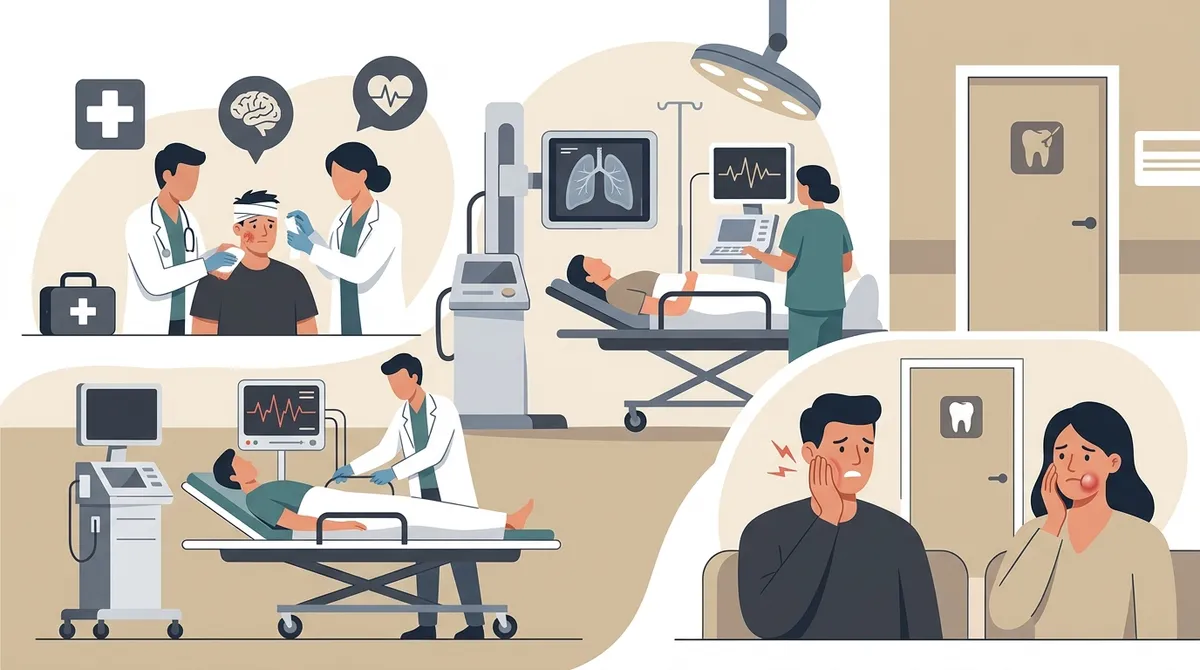
Emergency rooms are equipped to handle life-threatening situations. But when it comes to dental problems, they have real limitations. Understanding those limits helps you make a smarter decision in the heat of the moment.
When the ER Makes Sense
There are a few specific scenarios where going to the emergency room is absolutely the right call. These include:
- Jaw fractures or dislocations — These require imaging and possibly surgical intervention beyond dental scope
- Severe facial trauma — Major injuries from accidents that affect bone structure and airways
- Difficulty breathing or swallowing — This can indicate a rapidly spreading infection that needs immediate medical intervention
- Uncontrolled bleeding — When bleeding is severe and doesn't respond to pressure
In these situations, call 911 or head to the ER without hesitation. Your life is more important than any tooth.
What the ER Cannot Do for Dental Pain
Here's the hard truth: most ERs are not equipped to provide real dental treatment. ER physicians can prescribe antibiotics or pain medication, but they generally cannot perform extractions, root canals, or any hands-on dental procedure. That means you may spend hours in the waiting room, receive a prescription, and still need to see a dentist the next day anyway.
This is exactly why a dental emergency consultation is almost always the better first step for tooth-related problems. You get actual treatment — not just temporary relief. You can learn more about what a full-service dental practice offers by exploring our services page.
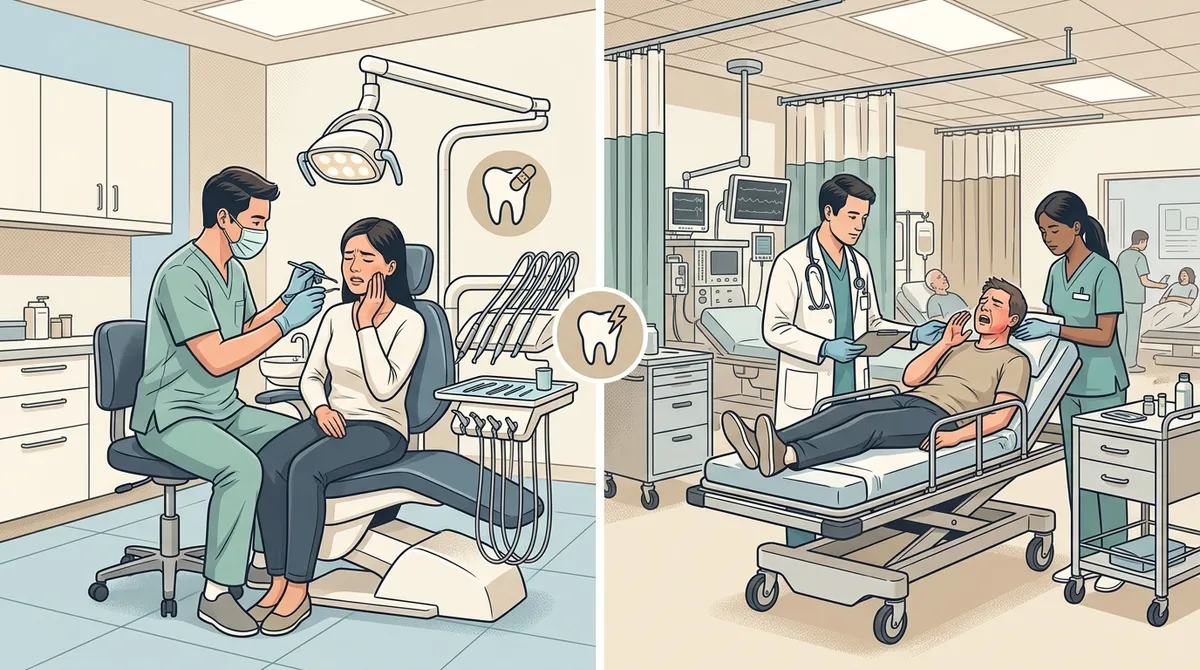
Emergency Dentist vs. ER: A Side-by-Side Breakdown
Let's make this really simple. Here's how the two options stack up across the most important factors:
Speed and Access
Many dental practices prioritize same-day appointments for emergency patients. When you call a dental office with an urgent concern, the goal is to get you in the chair — not the waiting room — as fast as possible. ER wait times, on the other hand, can stretch for several hours, especially on weekends or holidays when dental offices may be closed.
Treatment Quality
A dentist can actually fix the problem. Whether that means performing a root canal to save an infected tooth, providing a temporary crown for a broken tooth, or re-implanting a knocked-out tooth, dentists have the tools and training to treat the issue at its source. ER doctors simply do not have that ability.
Cost
ER visits are notoriously expensive — even for something as straightforward as a toothache. An emergency dental consultation is typically far more affordable, especially when you have insurance and financing options in place. Many dental offices also offer payment plans to make emergency care accessible to everyone.
Long-Term Results
Seeing a dentist for an emergency gives you a complete treatment plan — not just a bandage solution. You walk away knowing what caused the problem, what was done to fix it, and what steps come next. That kind of clarity is priceless when it comes to your oral health. If you've ever wondered what a dental consultation involves, check out 8 Things to Expect at Your First Dental Consultation.
What Happens During an Emergency Dental Consultation
If you've never had an emergency dental visit, here's what you can expect when you walk through the door. The process is straightforward, efficient, and focused entirely on your comfort and relief.
- Intake and triage — The team gathers your basic information and assesses the severity of your situation right away
- Diagnostic imaging — X-rays help the dentist see what's happening beneath the surface, including infections, fractures, or root damage
- Comprehensive exam — The dentist evaluates the affected area, identifies the problem, and determines the best course of action
- Immediate treatment — Depending on your situation, this may include pain relief, drainage of an abscess, a temporary filling, extraction, or starting a root canal
- Follow-up plan — You leave with a clear next-step plan so your care doesn't stop at the emergency visit
Modern dental practices use advanced technology to make this process quick and accurate. If you're curious about how dental technology is improving patient care, read our article on how dental technology is changing your smile in 2026.
Handling a Dental Emergency Before You Reach the Office
Sometimes there's a gap between when the emergency happens and when you can get to the dentist. Here's what you can do to manage the situation in the meantime:
- Knocked-out tooth — Keep it moist by placing it in milk or holding it gently between your cheek and gum. Time is critical — aim to see a dentist within 30–60 minutes.
- Severe toothache — Rinse with warm salt water and take an over-the-counter pain reliever. Avoid placing aspirin directly on the gum.
- Cracked tooth — Rinse with warm water and apply a cold compress to reduce swelling. Avoid chewing on that side.
- Lost crown or filling — Dental cement from a pharmacy can provide temporary protection until you see your dentist.
- Abscess — Rinse with salt water several times a day to help draw out infection. Seek care immediately — do not try to pop it yourself.
These steps won't replace professional treatment, but they can make you more comfortable while you wait. For more guidance on what to do in urgent situations, visit our article on what to do when you need emergency dental care in Ocoee.
Does Insurance Cover Emergency Dental Consultations?
The good news is that many dental insurance plans do cover emergency consultations, at least partially. Coverage typically includes the exam and diagnostic X-rays, while procedures like extractions or root canals may have additional costs depending on your plan. It's always worth calling your insurance provider first to understand your benefits.
If you're uninsured or underinsured, don't panic. Options like a dental savings plan can significantly reduce your out-of-pocket costs. Many practices also offer flexible third-party financing through providers like CareCredit or Sunbit. Check out our dental insurance facts every patient should know in 2026 to get a clearer picture of your options.
You can also explore current specials at Charming Smiles of Ocoee, where new patient offers may help reduce the cost of your first emergency visit.
Why Charming Smiles of Ocoee Is Your Go-To for Emergency Care
When a dental crisis strikes, you want a team that's calm, experienced, and ready to help — not a waiting room full of uncertainty. At Charming Smiles of Ocoee, led by the highly rated Dr. Aliuska Lopez, emergency patients are treated with the same gentle, compassionate care as any scheduled appointment. The spa-like environment — complete with soothing music, aromatherapy, and streaming entertainment — means even stressful emergency visits feel a little more bearable.
The practice is conveniently located at 315 West Rd, Ocoee, FL 34761, near Publix. You can visit us on Google to check reviews and find directions. Patients consistently rave about the welcoming front desk team, the gentle clinical care, and how efficiently the office handles urgent situations. Follow along on the Charming Smiles Facebook page and Charming Smiles Instagram page for updates, tips, and patient stories.
From general dentistry to cosmetic dentistry and full emergency dentistry services, the team is equipped to handle virtually any dental situation that comes through the door. And if you're dealing with ongoing issues like tooth loss, you can also ask about long-term solutions like dental implants during your follow-up care.
The Verdict: Emergency Dentist Wins for Most Dental Crises
When it comes to dental pain, trauma, infections, and most other oral health emergencies, the emergency dentist is almost always the smarter choice over the ER. You get faster relief, actual treatment, a clearer diagnosis, and a long-term care plan — usually at a lower cost and without the hours-long wait.
Save the ER for true medical emergencies involving jaw fractures, breathing difficulties, or uncontrolled severe bleeding. For everything else dental-related, pick up the phone and call your dentist first. Your smile — and your wallet — will thank you.
Don't let a dental emergency catch you off guard. Learn more about dental consultation mistakes Ocoee patients must avoid so you're always prepared. And when the unexpected happens, reach out right away —call us at (407) 378-3704 to schedule your emergency consultation and get the fast, compassionate care you deserve.
FAQs
Q: What counts as a dental emergency that needs an emergency consultation?
A: Great question! A dental emergency includes severe toothaches, knocked-out or cracked teeth, dental abscesses, lost fillings or crowns, uncontrolled bleeding, and facial swelling. If you're in pain or something feels seriously wrong, it's always better to call your dentist right away rather than wait it out.
Q: How quickly should I seek an emergency dental consultation for a knocked-out tooth?
A: Time really matters here — ideally, you want to see a dentist within 30 to 60 minutes of losing a tooth. Keep the tooth moist (in milk or tucked between your cheek and gum) and call your dental office immediately. The faster you act, the better the chances of saving the tooth!
Q: Should I go to the ER or a dentist for a bad toothache?
A: For most toothaches, a dentist is your best bet! ERs can offer pain medication but generally can't perform dental procedures, meaning you'll likely end up needing to see a dentist anyway. Head to the ER only if you have trouble breathing, severe swelling, or a jaw injury — otherwise, call your dental office first.
Q: Is an emergency dental consultation covered by insurance?
A: Many dental insurance plans cover at least part of an emergency consultation, including the exam and X-rays. Coverage for procedures like extractions or root canals may vary by plan. If you're unsure, call your insurance provider and ask your dental office — they can often help you navigate your benefits.
Q: What treatments are available during an emergency dental consultation?
A: During an emergency consultation, your dentist can provide a wide range of treatments depending on your situation — including pain relief, temporary fillings, tooth re-implantation, abscess drainage, emergency root canals, and tooth extractions. The goal is to relieve your pain and protect your oral health right away.