e.max Veneers Tooth Prep: What Ocoee Patients Should Know
Learn how e.max veneer tooth preparation works, how much tooth is removed, and why Ocoee patients trust Charming Smiles for gentle, precise care.
Key Takeaways
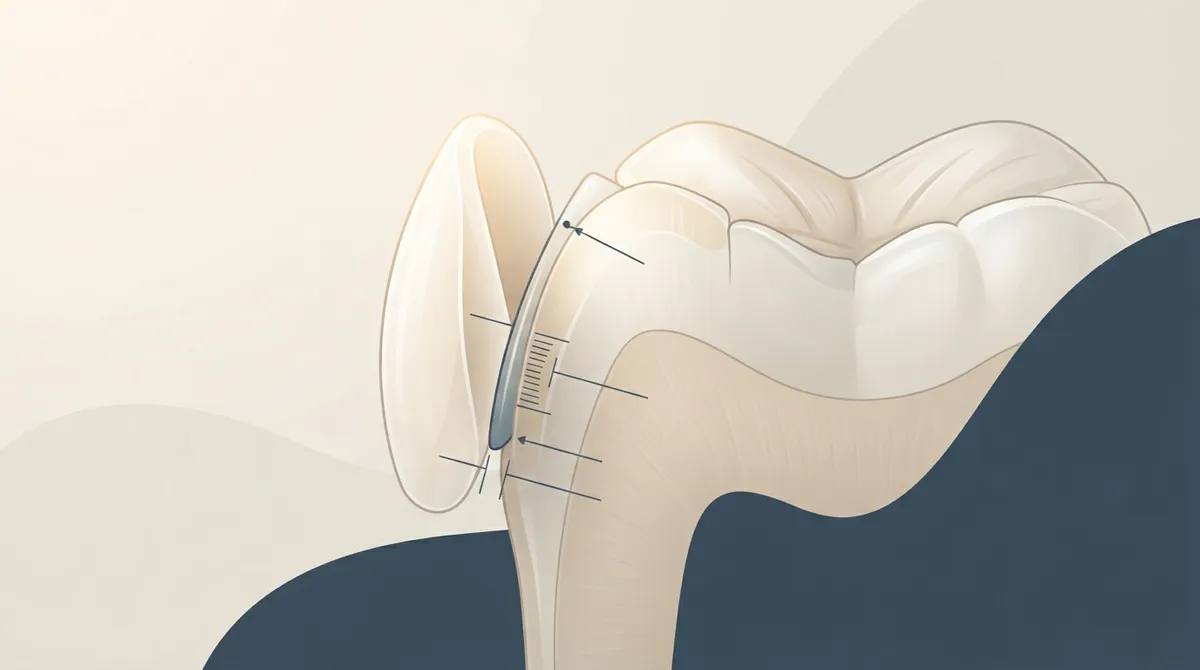
- E.max veneers require minimal tooth reduction of only 0.6mm on the front surface (thinner than a credit card) for standard veneers, with slightly more (0.7mm) needed at the biting edge if incisal coverage is required.
- Dentists should aim to keep tooth preparation within the enamel layer whenever possible, as enamel bonds more predictably with adhesive materials, reduces sensitivity, and supports better long-term veneer success rates.
- The step-by-step preparation process includes depth-orientation grooves, two-plane enamel smoothing, rounded edges, finish line creation, and precise impressions—precision at each stage is critical for natural appearance and durability.
- Ultra-thin e.max veneers (0.3-0.4mm) are possible only in specific cases with adequate space, healthy enamel, and favorable bite patterns; standard veneers remain the safer, more predictable option for most patients.
- Proper bonding technique using etched ceramic, silane coating, bonding agents, and resin cement is equally important as tooth preparation; together they create seamless, long-lasting results indistinguishable from natural teeth.
- Patients with severe bruxism, inadequate enamel, active decay, or gum disease may not be suitable for veneers; a custom night guard can allow many grinders to safely receive veneers with proper planning.
Thinking about getting e.max veneers but nervous about how much of your tooth gets "shaved down"? You're not alone. This is one of the most common questions we hear at Charming Smiles of Ocoee. The good news is that e.max veneer tooth preparation is a gentle, careful process. Your dentist removes only the smallest amount of tooth needed to make room for a strong, beautiful ceramic shell.
e.max veneers are made from a material called lithium disilicate. It's known for being both strong and lifelike. But before any veneer can be bonded to your smile, your teeth need a little bit of shaping. This step is called tooth preparation, and it's one of the most important parts of the whole process. Get it right, and your veneers will look natural, fit perfectly, and last for years. Get it wrong, and you could end up with veneers that feel bulky, look fake, or fail early.
In this guide, we'll walk through exactly what happens during e.max veneer preparation, how much tooth structure is really removed, and why choosing an experienced cosmetic dentist matters so much. Dr. Aliuska Lopez and our team have helped many Ocoee families and cosmetic dentistry seekers achieve stunning, natural-looking smiles with careful, minimally invasive veneer preparation.
What Is e.max Veneer Tooth Preparation?
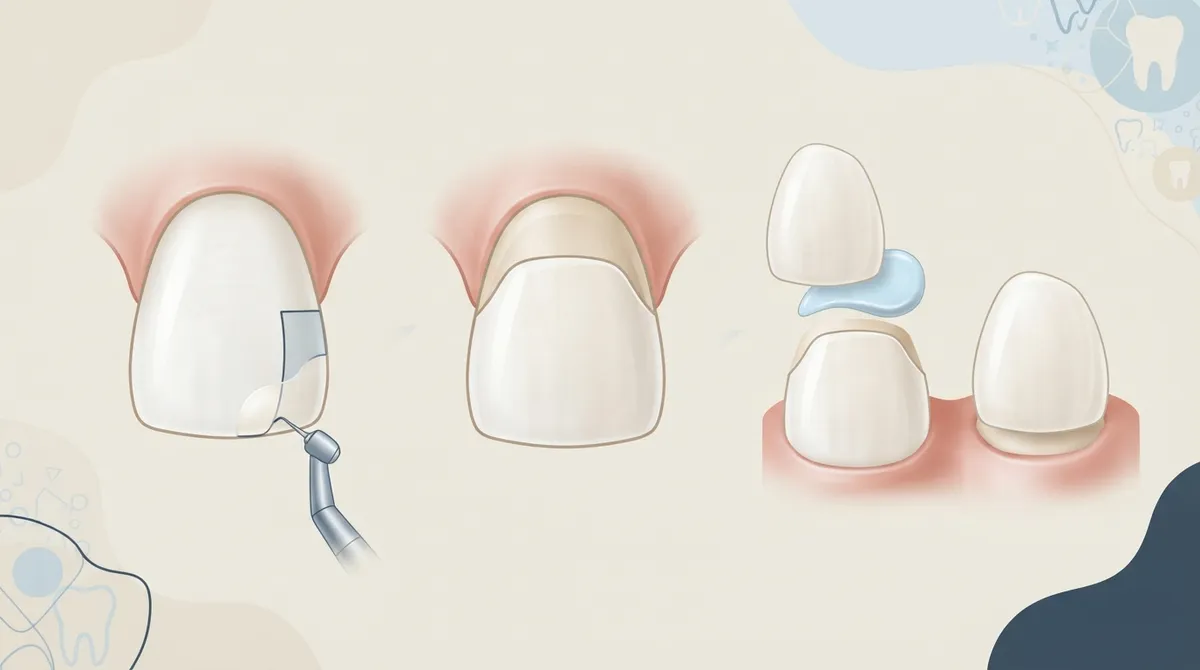
Tooth preparation simply means shaping your tooth's surface so a veneer has room to fit. Think of it like sanding a small patch on a wall before painting. You're not tearing the wall down. You're just smoothing a small area so the new layer sits flush and looks natural.
e.max veneers are prosthodontic restorations, which means they replace or cover part of your tooth's surface. For most veneers, only the front and edge of the tooth are involved. Your back teeth and biting surfaces usually stay untouched, unless you're getting a different type of restoration like a crown.
Why Any Reduction Is Needed at All
You might wonder why we need to remove any tooth structure at all. Here's the simple answer: veneers need a certain thickness to look right and hold up to daily wear. Without a little room, the veneer would sit too far forward, making your tooth look bulky or unnatural.
- Creates space for the ceramic material without making teeth look too big
- Helps the veneer blend smoothly with your natural gum line
- Gives the dental lab room to hide any discoloration in your natural tooth
- Improves how light passes through the veneer for a natural glow
- Supports a stronger bond between the tooth and the ceramic
How Much Tooth Is Actually Removed?
This is the question most patients care about most. The honest answer is: not much. According to manufacturer guidance for IPS e.max, a standard veneer without incisal coverage needs about 0.6 mm of reduction on the front surface of the tooth. That's thinner than a credit card.
If the veneer needs to cover the biting edge of the tooth (called incisal coverage), a bit more room is needed there. Guidance suggests about 0.6 mm on the front and cervical areas, plus roughly 0.7 mm at the incisal edge. This extra room helps the veneer handle normal biting forces without chipping.
Thin Veneer Options
Some patients are great candidates for ultra-thin e.max veneers. These can be made with as little as 0.3 mm of thickness on the front surface and about 0.4 mm at the edge. However, this only works in specific cases. Your dentist needs enough space, healthy enamel, and a bite pattern that supports thinner ceramic.
| Veneer Type | Facial/Cervical Reduction | Incisal Reduction |
|---|---|---|
| Standard veneer (no incisal coverage) | ~0.6 mm | Not applicable |
| Veneer with incisal coverage | ~0.6 mm | ~0.7 mm |
| Thin/minimal veneer | ~0.3 mm | ~0.4 mm |
| Full e.max crown (for comparison) | ~1.0 mm or more | ~1.5 mm or more |
As you can see, veneer preparation is much more conservative than crown preparation. This is one reason so many cosmetic dentistry patients prefer veneers when they want a smile upgrade without major tooth reduction.
The Step-by-Step e.max Veneer Preparation Process
Every case is a little different, but most e.max veneer preparations follow these general steps:
- Your dentist examines your teeth, bite, and gum health to confirm you're a good candidate.
- Photos, X-rays, and sometimes digital scans are taken to plan your new smile design.
- Local anesthetic is applied if needed, though many veneer preps require little to no numbing since the reduction is so shallow.
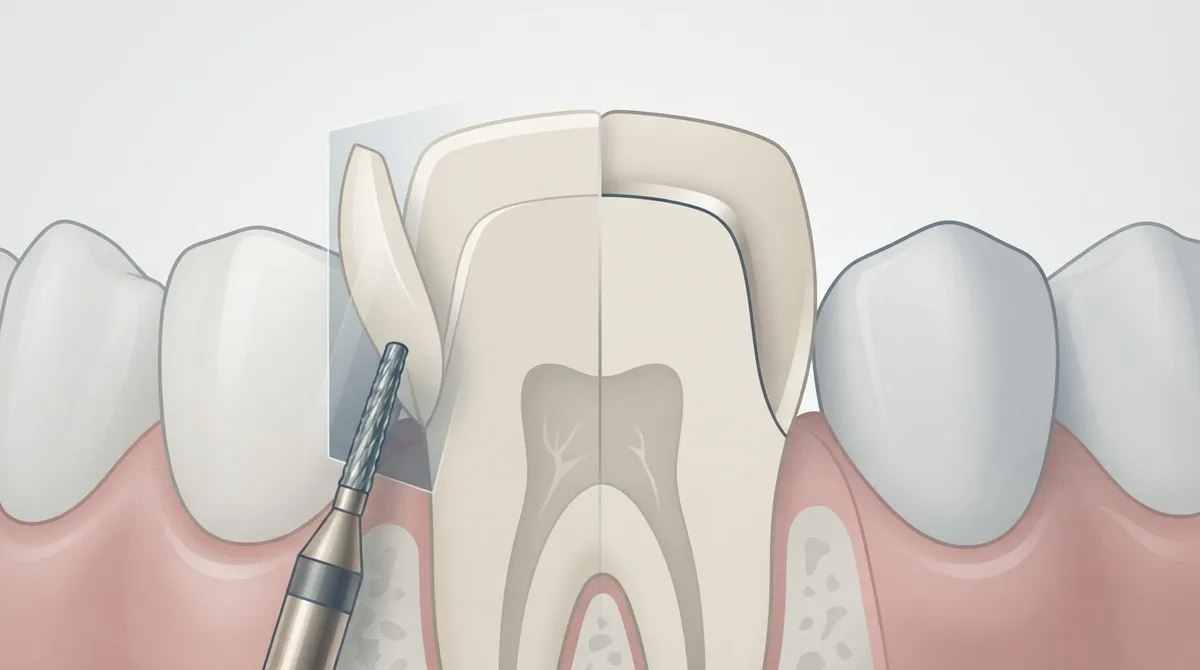
- Small depth-orientation grooves are placed to guide precise, even reduction.
- The dentist smooths the enamel surface using a two-plane technique that follows your tooth's natural curve.
- Sharp edges and corners are rounded off to reduce stress on the future ceramic veneer.
- A finish line (margin) is created, usually as a rounded shoulder or deep chamfer, so the veneer edge blends invisibly.
- An impression or digital scan captures the exact shape for the dental lab.
- Temporary veneers may be placed while your permanent e.max veneers are crafted.
- Once ready, your final veneers are bonded using a strong resin cement system.
This process is why choosing a skilled, detail-oriented dentist matters so much. Precision at every step leads to veneers that feel natural in your mouth and look stunning in photos.
Staying in Enamel: Why It Matters
Whenever possible, your dentist will try to keep the preparation within your enamel layer. Enamel is the hard, protective outer layer of your tooth. It bonds more predictably with adhesive materials than the softer dentin layer underneath.
- Enamel offers a stronger, longer-lasting bond
- It reduces the risk of sensitivity after the procedure
- It helps preserve your tooth's natural strength
- It supports better long-term success rates for your veneers
This is one reason your dentist will carefully evaluate your enamel thickness before recommending veneers. If there isn't enough healthy enamel, other options like crowns & bridges or bonding might be discussed instead.
Do Veneers Always Need Reduction Between Teeth?
Not necessarily. Whether the sides of your teeth (proximal areas) need to be opened up depends on a few things:
- Your desired final tooth shape and width
- Whether you have gaps (diastema) that need closing
- How your teeth currently overlap or contact each other
- What your digital smile design calls for
Your dentist will discuss this with you during your veneer consultation, so there are no surprises before treatment begins.
Who Is a Good Candidate for e.max Veneers?
Most healthy adults with good oral hygiene are great candidates for e.max veneers. However, some situations call for a different approach. Veneers may not be the best option if you have:
- Very little healthy enamel remaining
- Active cavities or untreated tooth decay
- Uncontrolled gum disease
- Severe teeth grinding or clenching (bruxism) without a protective plan
- Not enough space for even minimal ceramic thickness
- An unstable bite that needs orthodontic correction first
If you grind your teeth, don't worry. Many patients still qualify for e.max veneers when paired with a custom night guard to protect the ceramic. Your dentist will evaluate your bite and habits carefully before moving forward.
How e.max Veneers Are Bonded to Your Teeth
After your teeth are prepared, the actual bonding process is just as important as the reduction itself. Here's a simplified breakdown:
- The inside surface of the ceramic veneer is etched with a special acid to create a rough texture for bonding.
- A ceramic primer or silane coating is applied to help the cement stick to the veneer.
- Your tooth surface is cleaned and treated with a bonding agent.
- Resin cement is placed on the veneer and the tooth.
- The veneer is seated carefully into its final position.
- A curing light hardens the cement, locking the veneer securely in place.
- Any excess cement is removed, and your bite is checked for comfort.
This bonding process is why e.max veneers can look so seamless. When done correctly, it's nearly impossible to tell where your natural tooth ends and the veneer begins.
What Happens If Too Little Tooth Is Prepared?
You might think less reduction is always better, but that's not quite true. If too little tooth structure is removed, the lab may not have enough room to create a veneer with the right strength, color, and shape. This can lead to:
- A veneer that looks too bulky or unnatural
- Poor fit along the gum line
- Increased risk of the veneer popping off over time
- Difficulty matching the veneer color to your other teeth
This is exactly why exact measurements and skilled hands matter so much. At Charming Smiles of Ocoee, treatment plans are always personalized, never one-size-fits-all.
Why Ocoee Patients Trust Charming Smiles for Veneer Preparation
Dr. Aliuska Lopez is known throughout Ocoee as a true smile expert. Her careful, conservative approach to veneers means patients get beautiful results without giving up more tooth structure than necessary. Our spa-like office also helps ease nerves for dental anxiety patients who might otherwise put off cosmetic treatment.
A 2020 clinical study following 265 lithium-disilicate veneers found that minimally invasive vertical preparation designs performed well over time, with good color matching and marginal integrity. This supports what we already believe: conservative, precise preparation leads to long-lasting, natural-looking smiles.
Curious what real patients think? You can visit us on Google — Charming Smiles of Ocoee to read reviews, or check out our Charming Smiles Facebook page and Charming Smiles Instagram page for before-and-after smile transformations.
Preparing for Your Veneer Consultation
If you're considering e.max veneers, here's how to make the most of your first visit:
- Bring a list of any concerns about your smile's shape, color, or spacing.
- Mention if you grind your teeth or have jaw discomfort.
- Ask about financing, since we offer insurance & financing options and a helpful dental savings plan.
- Ask to see before-and-after photos of similar cases.
- Discuss whether a minimally invasive design fits your goals.
We also recommend checking our current specials, since we occasionally offer complimentary cosmetic consultations that make it easy to explore your options risk-free.
Final Thoughts on e.max Veneer Preparation
e.max veneer tooth preparation doesn't have to be scary. In fact, it's one of the most conservative cosmetic dental procedures available today. With careful planning, minimal enamel removal, and a skilled dentist guiding the process, you can enjoy a natural, confident smile without sacrificing your healthy tooth structure.
If you're ready to explore whether e.max veneers are right for you, our team at Charming Smiles of Ocoee is here to help every step of the way. You can book online to schedule your consultation, or simply call us at (407) 378-3704 to speak with our friendly front desk team. We can't wait to help you love your smile again.
FAQs
Q: How much tooth is removed for e.max veneers?
A: Usually very little! Most veneers need about 0.6 mm of reduction on the front surface, which is thinner than a credit card. If the veneer covers the biting edge, a bit more room, around 0.7 mm, is needed there too.
Q: Can e.max veneers be placed without shaving the teeth?
A: In some cases, yes! If you have enough natural space and thin enamel already, minimal or no-prep veneers might work. Your dentist will check your bite and tooth shape to see if you qualify.
Q: What is the difference between e.max veneer and e.max crown preparation?
A: Veneer preparation is much more conservative, removing only a thin layer from the front of your tooth. Crown preparation involves shaping the entire tooth, often removing 1.0 mm or more all around.
Q: Are e.max veneers suitable for people who grind their teeth?
A: Many grinders can still get veneers safely, especially when paired with a custom night guard. Your dentist will evaluate your grinding habits and bite before recommending the right plan.
Q: What happens if too little tooth structure is prepared for an e.max veneer?
A: If not enough room is created, the veneer might look bulky, fit poorly, or come loose over time. That's why precise, personalized preparation from an experienced dentist really matters.