E.max Veneers Material: What It Is & Why It Lasts
Discover what e.max veneers material really is, how strong it is, and why Ocoee patients trust this ceramic for lasting, natural-looking smiles.
Key Takeaways
- E.max veneers are made from lithium disilicate glass-ceramic containing 70% crystalline reinforcement, making them significantly stronger than traditional porcelain while maintaining natural translucency and light-passing properties similar to real enamel.
- Clinical studies show e.max veneers have a 96.81% survival rate over 10 years and 95.6% survival over 2-10 years, with only 1.1% fracture rate, outperforming composite resin veneers at 73.9% survival in the same timeframe.
- E.max veneers can be made extremely thin (0.3-0.4mm) using CAD-milling or heat-pressing methods, requiring minimal tooth structure removal and allowing for minimally invasive cosmetic treatment in most cases.
- E.max is technically a glass-ceramic material, not traditional porcelain, representing an advanced improvement that delivers better strength (360-530 MPa flexural strength) while preserving the lifelike appearance patients desire.
- Good candidates require healthy gums and teeth, adequate enamel for bonding, stable bites, and commitment to wearing a night guard if they grind their teeth; daily care involves soft brushing, gentle flossing, and avoiding hard foods.
- E.max veneers can work on dark or root-canal-treated teeth through opacity and shade adjustments by dental labs, though slightly thicker veneers or pre-treatment whitening may be recommended for optimal color coverage.
Thinking about veneers but not sure what they're actually made of? You're not alone! One of the most common questions we hear at our Ocoee dental office is about e.max veneers material. Patients want to know if it's real ceramic, how strong it is, and whether it will look natural in their smile. We get it. Your smile matters, and you deserve real answers before making a big decision.
At Charming Smiles of Ocoee, Dr. Aliuska Lopez and her team love helping patients understand their options. Whether you're a busy parent, someone dealing with dental anxiety, or simply want a brighter smile, this guide breaks down everything about e.max veneers material in plain, friendly language. No confusing dental jargon here. Just clear facts to help you feel confident about your veneers journey.
What Exactly Is E.max Veneers Material?
E.max is a brand name, not a generic term for all veneers. It's important to know this difference. Many people assume all porcelain veneers are the same, but they're not.
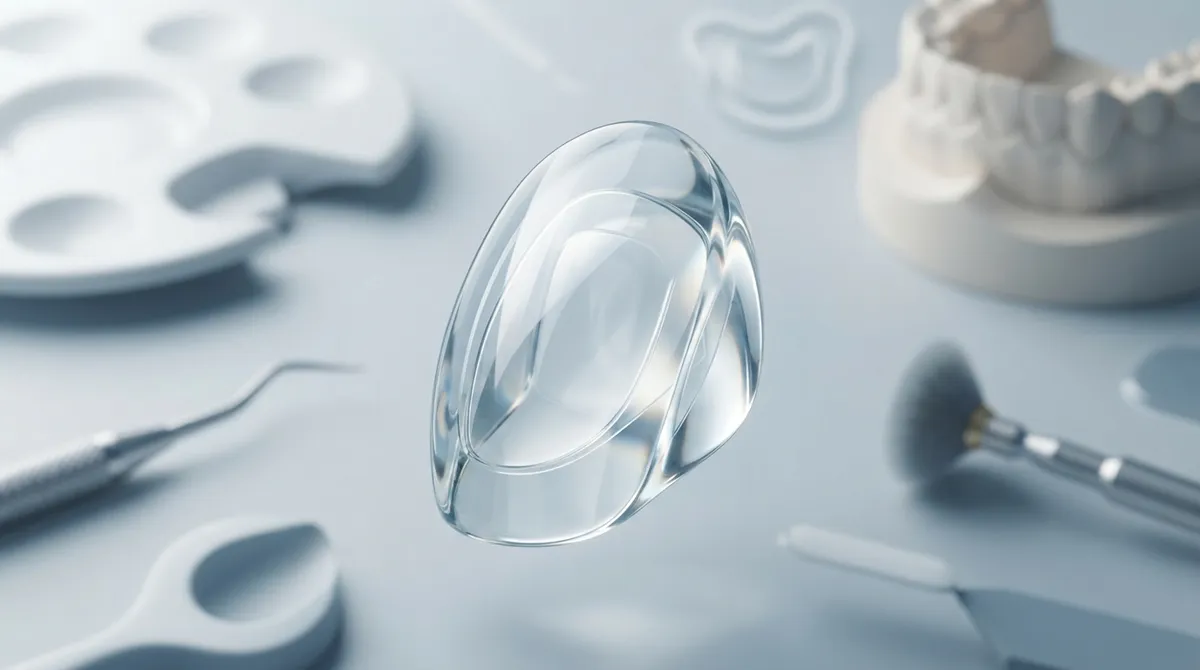
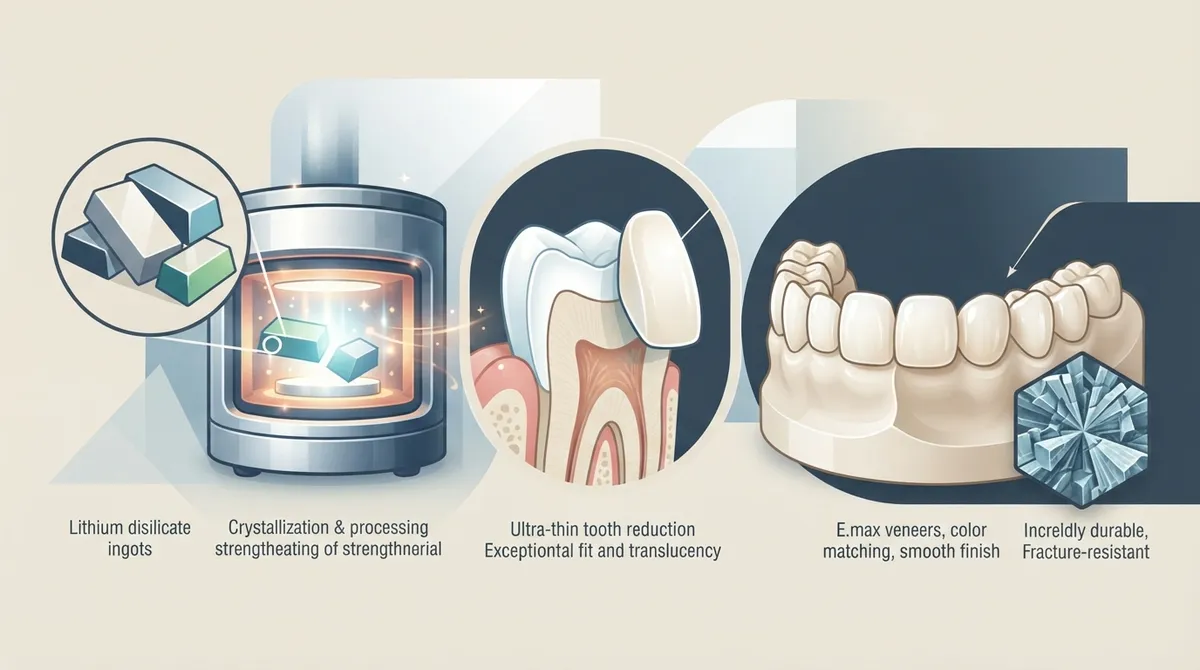
E.max veneers are made from lithium disilicate glass-ceramic. This material contains roughly 70% crystalline lithium disilicate embedded in a glass matrix. Think of it like tiny reinforced crystals mixed into glass, giving it both strength and a beautiful, tooth-like glow.
This combination makes e.max stand out from older porcelain options. It handles daily wear better while still looking incredibly natural under different lighting.
Why the Material Composition Matters
- The glass-ceramic structure allows light to pass through like real enamel
- Lithium disilicate crystals add strength without sacrificing beauty
- The material can be etched and bonded for a secure, long-lasting fit
- Manufacturing methods can be adjusted for different aesthetic needs
- Thickness options allow for minimally invasive treatment in many cases
Is E.max Porcelain or Ceramic?
This question comes up a lot. The simple answer is both terms apply, but with a twist. E.max is technically a glass-ceramic material, not traditional porcelain.
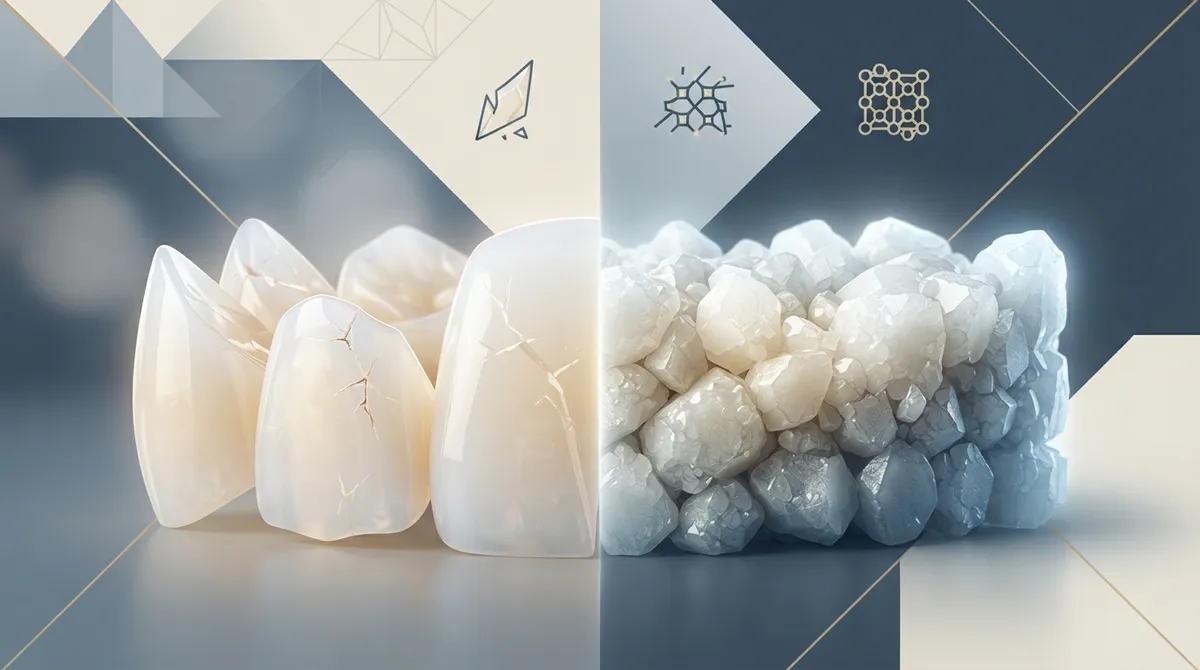
Traditional feldspathic porcelain has been used in dentistry for decades. It looks great but tends to be more fragile. E.max improves on this by adding lithium disilicate crystals, making it noticeably stronger while keeping that lifelike translucency patients want.
So when someone asks if e.max veneers are porcelain, the honest answer is they're a more advanced ceramic that outperforms older porcelain in strength testing.
How Strong Are E.max Veneers Really?
Strength is often the biggest concern for patients considering cosmetic dentistry options. Nobody wants to invest in a new smile only to have it chip or crack.
According to manufacturer data, e.max lithium disilicate products typically show flexural strength around 360 to 400 MPa. Some CAD versions report strength up to 530 MPa depending on the specific product and processing method used.
But numbers on paper only tell part of the story. Real-world clinical results matter more to patients. A 2024 systematic review found lithium disilicate laminate veneers had a 96.81% survival rate over an average follow-up period of about 10.4 years. That's a fantastic track record for something so thin and delicate-looking.
Comparing E.max to Composite Veneers
A 2025 review looked at 765 lithium disilicate veneers and compared them to 1,811 composite veneers. The results were pretty telling:
| Material Type | Survival Rate | Follow-Up Period |
|---|---|---|
| Lithium Disilicate (E.max) | Approximately 95.6% | 2 to 10 years |
| Composite Resin | Approximately 73.9% | 2 to 10 years |
The same review found color mismatch occurred in about 4.8% of evaluated lithium disilicate veneers, and fractures happened in roughly 1.1% of cases. These numbers show e.max holds up well over time, though every patient's results can vary based on habits and care.
How Thick Are E.max Veneers?
One of the best things about e.max veneers material is how thin it can be while still staying strong. This means less tooth structure needs to be removed during preparation, which many patients appreciate.
- Standard e.max veneers often range around 0.4mm for CAD-milled versions
- Pressed e.max veneers can go as thin as 0.3mm in select cases
- Your dentist will determine the ideal thickness based on your bite and tooth color
- Thicker veneers may be needed for patients wanting more dramatic color change
- Ultra-thin options work best for patients with minimal alignment issues
These are general guidelines, not hard rules. Every smile is different, and Dr. Lopez customizes each treatment plan during your consultation at our Ocoee practice.
Two Ways E.max Veneers Are Made
You might hear your dentist mention IPS e.max Press or IPS e.max CAD. Both use the same lithium disilicate material but get made differently.
IPS E.max Press
This method uses a heat-pressing technique. A wax model gets created first, then pressed into ceramic form under high heat and pressure. This process has been trusted in labs for years and produces beautifully detailed results.
IPS E.max CAD
This approach uses computer-aided design and milling technology. A digital scan of your teeth gets used to carve the veneer from a solid ceramic block. Many modern dental offices favor this method because it's fast and precise.
Both methods create excellent, durable veneers. The choice often comes down to what works best for your specific case and what your dental lab recommends.
Can E.max Veneers Work on Dark or Treated Teeth?
This is a great question, especially for patients who've had a root canal or have naturally darker teeth. The translucent nature of e.max can sometimes make it tricky to mask deep discoloration.
The good news is dental labs can adjust the opacity and shade of e.max material to help cover darker teeth. Your dentist may also recommend slightly thicker veneers or additional whitening treatments beforehand for the best results.
If you've had root canal treatment and want veneers afterward, it's worth discussing your specific situation during a consultation. Every case is unique, and there are usually good solutions available.
Who Makes a Good Candidate for E.max Veneers?
Not everyone is automatically a perfect fit for veneers, and that's okay. A good dentist will tell you honestly if another treatment might serve you better.
- You have good overall oral health with no untreated decay
- Your gums are healthy without active periodontal disease
- You have enough enamel remaining for proper bonding
- Your bite is stable without severe misalignment issues
- You don't grind your teeth heavily, or you're willing to wear a night guard
- You have realistic expectations about the final results
Patients dealing with severe bruxism (teeth grinding) may still get veneers, but a protective night guard is usually recommended. This simple step helps protect your investment for years to come.
Caring for Your E.max Veneers
Good news: caring for e.max veneers isn't complicated. They don't require special products beyond what you already do for healthy teeth.
- Brush twice daily with a soft-bristled toothbrush
- Floss gently around the veneer edges to prevent gum issues
- Avoid biting down on extremely hard foods like ice or hard candy
- Wear a night guard if you grind your teeth while sleeping
- Visit our office for regular checkups so we can monitor your veneers
- Avoid using your teeth as tools to open packages
Following these simple habits helps your veneers last as long as possible. Most patients find these steps easy to fit into their existing routine.
Why Choose Charming Smiles of Ocoee for Your Veneers
Dr. Aliuska Lopez has built a reputation as a trusted smile expert in Ocoee. She takes time to explain every step, so you never feel rushed or confused about your treatment options.
Our spa-like office includes calming touches like soft music, cozy blankets, and even streaming entertainment during your visit. We understand dental anxiety is real, and we've designed our space to help you relax from the moment you walk in.
We proudly accept many major insurance plans, including Delta Dental, Cigna, MetLife, and more. We also offer flexible insurance & financing options through providers like CareCredit and Cherry Financing, making it easier to fit veneers into your budget.
Right now, we're offering a free cosmetic consultation, plus free teeth whitening when you book another cosmetic treatment. Check out our current specials to see how you can save on your smile transformation.
Frequently Asked Questions About Veneer Options
Patients often have more questions once they start exploring their options. If you're curious about how veneers compare to other treatments, browse our guide on how to transform your smile with cosmetic dentistry in 2026. It covers additional treatments that pair well with veneers for a complete smile makeover.
Many of our patients also want to see real results before committing. That's completely understandable! You can follow our Instagram page to see before-and-after transformations from real patients right here in Ocoee.
What Our Patients Say
Don't just take our word for it. Patients throughout Ocoee, Winter Garden, and surrounding areas trust our team for gentle, skilled care. You can visit us on Google — Charming Smiles of Ocoee to read real reviews from patients who've experienced our veneer treatments firsthand.
We also share patient stories and helpful tips on our Charming Smiles Facebook page, where our community connects and shares their smile journeys.
Making Your Decision With Confidence
Choosing the right veneer material shouldn't feel overwhelming. Now that you understand what e.max veneers material is made of, how strong it is, and what to expect, you're in a much better position to make an informed choice.
According to the American Dental Association, patients should always discuss material options thoroughly with their dentist before committing to any cosmetic procedure. This ensures your specific dental needs and goals align with the treatment you choose.
Research published through the National Center for Biotechnology Information continues to support lithium disilicate as a reliable, long-lasting option for cosmetic dental work when properly placed and maintained.
Ready to Explore Your Smile Options?
Every great smile starts with a conversation. Whether you're curious about e.max veneers material or want to explore other cosmetic options like teeth whitening services, our team is here to help you feel confident and informed.
We also work with families throughout the area, offering everything from general dentistry to Invisalign for teens and adults wanting straighter smiles without traditional braces.
Don't let uncertainty hold you back from the smile you've always wanted. Give us a call at (407) 378-3704 to schedule your free cosmetic consultation, or you can conveniently book online at a time that works for your schedule. Our friendly Ocoee team is ready to answer every question and guide you toward a smile you'll love showing off.
FAQs
Q: What is e.max veneer material made of?
A: E.max veneers are made from lithium disilicate glass-ceramic, a material containing roughly 70% crystalline lithium disilicate mixed into a glass matrix. This blend gives the veneers both strength and a natural, tooth-like appearance that patients love.
Q: Are e.max veneers porcelain or ceramic?
A: Great question! E.max is technically a glass-ceramic, which is a step up from traditional feldspathic porcelain. It's stronger than older porcelain while still keeping that beautiful, translucent look everyone wants in a smile.
Q: How strong are e.max veneers compared to other options?
A: E.max veneers show impressive strength, with manufacturer data reporting flexural strength between 360 and 530 MPa depending on the product. Clinical studies also show a survival rate around 96.81% over roughly 10 years, which is a wonderful track record for cosmetic dental work.
Q: How thick are e.max veneers, and will I need my teeth shaved down?
A: E.max veneers can be as thin as 0.3mm to 0.4mm in many cases, meaning less tooth structure needs removal. Your dentist will determine the exact thickness that fits your smile goals and bite during your personalized consultation.
Q: Can e.max veneers be used on teeth that have had a root canal?
A: Yes, in many cases! Dental labs can adjust the opacity and shade of e.max material to help cover discoloration from root canal-treated teeth. It's best to discuss your specific situation with your dentist so they can recommend the ideal approach for your smile.