Do E.max Veneers Stain? What Ocoee Patients Should Know
Wondering do emax veneers stain? Learn what really causes discoloration and how to keep your E.max smile bright for years in Ocoee.

Key Takeaways
- E.max veneers are made from nonporous lithium disilicate ceramic that resists absorbing pigments from coffee, tea, red wine, and tobacco, making them one of the most stain-resistant veneer options available.
- Most discoloration on E.max veneers comes from plaque buildup, cement at margins, or wear on the glaze—not from the ceramic itself absorbing stains, as shown by clinical studies finding no marginal staining in 91.7% of cases.
- A 2023 clinical study found only 37.5% of E.max veneers showed surface staining after 3 years, while comparative research confirms lithium disilicate has superior color stability compared to composite or zirconia materials.
- Professional glazing during veneer placement significantly improves stain resistance compared to polished surfaces, making dentist expertise crucial for long-term results.
- Traditional whitening treatments don't work on E.max veneers; instead, professional cleaning and polishing removes surface discoloration, and regular six-month dental visits prevent small issues from becoming costly problems.
- Daily brushing with soft bristles, flossing around veneer edges, limiting tobacco use, and rinsing after dark beverages are key habits to maintain veneer brightness for 10+ years.
If you love your morning coffee or can't say no to a glass of red wine, you might wonder: do emax veneers stain? It's one of the most common questions we hear at Charming Smiles of Ocoee. The good news? E.max veneers are one of the most stain-resistant options in cosmetic dentistry today. But there's more to the story, and we want you to have all the facts before you invest in your new smile.
Dr. Aliuska Lopez and our team see patients every week who want beautiful, long-lasting results from their veneers. Whether you're a busy parent squeezing in appointments between school runs or someone who's dreamed of a confident smile for years, understanding how E.max veneers hold up over time helps you make a smart choice. Let's break down exactly what causes staining, what doesn't, and how to keep your smile bright for years to come.
What Are E.max Veneers Made Of?
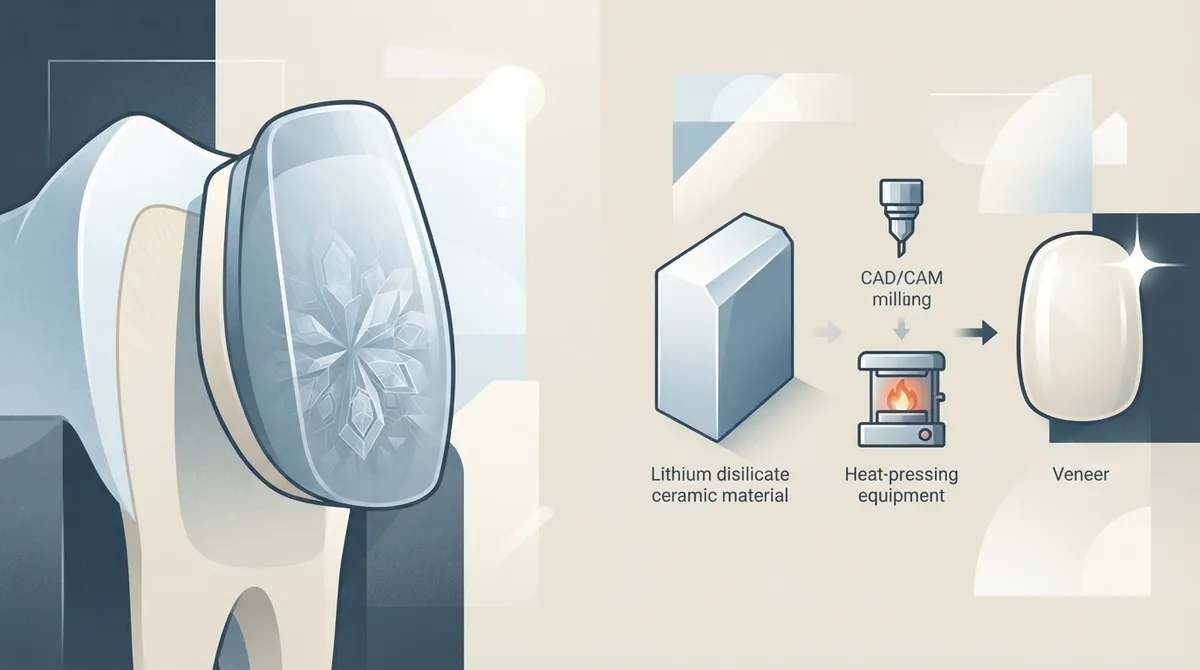
E.max veneers are crafted from a material called lithium disilicate glass-ceramic. Think of it like a super-dense, smooth glass. This material is naturally nonporous, meaning it doesn't have tiny holes or gaps where pigments can sneak in and settle.
Compare this to your natural tooth enamel or composite resin fillings. Those materials have a more porous structure. Over time, they can soak up color from foods and drinks like a sponge. E.max simply doesn't work that way, which is one reason cosmetic dentistry seekers love this option so much.
Do E.max Veneers Stain? The Short Answer
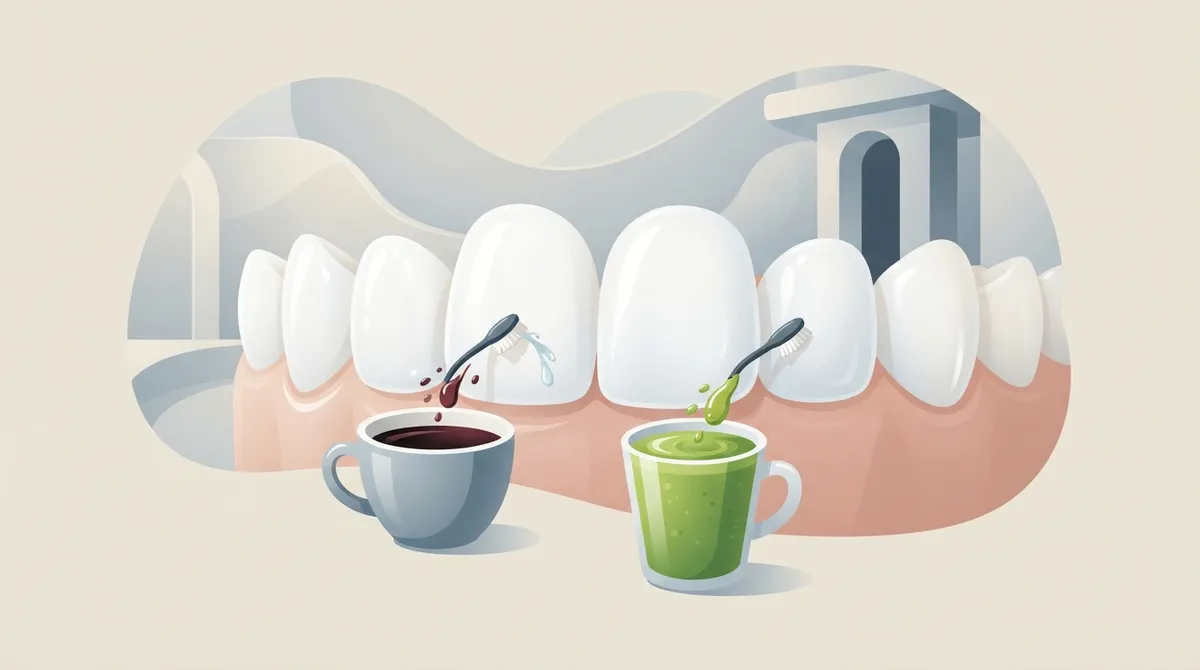
Here's the straightforward answer: E.max veneers generally do not stain the way natural teeth or composite veneers do. The ceramic material resists absorbing pigments from coffee, tea, red wine, tobacco, and dark sauces.
However, that doesn't mean your veneers are completely immune to discoloration. Some surface staining can still happen, but it's usually related to different factors than you might expect. Let's dig into what those factors are.
What Actually Causes Discoloration on E.max Veneers
Even though the ceramic itself resists stains, a few things can still make your veneers look less bright over time:
- Plaque and tartar buildup on the surface of the veneer
- Rough spots from adjustments made during placement
- Wear on the glaze or polish over many years
- Cement or bonding material visible at the edges
- Poor fit at the gum line that traps bacteria
- Smoking, which affects the margins more than the ceramic itself
Notice a pattern here? Most of these issues aren't about the veneer material itself. They're about maintenance, fit, and the materials used to bond the veneer to your tooth. This is exactly why choosing an experienced cosmetic dentist matters so much.
The Research Behind E.max Stain Resistance
We're not just telling you this because we love E.max veneers (though we do). Real studies back up these claims. Let's look at what researchers have found.
Clinical Study Results
A 2023 clinical study followed patients with E.max and zirconia veneers over three years. Here's what they discovered:
| Time Period | E.max Cases with Surface Staining | Percentage |
|---|---|---|
| 3 months | 2 out of 32 cases | 6.25% |
| 3 years | 12 out of 32 cases | 37.5% |
Interesting note: no marginal staining was found in either group at any point. This tells us that the surface staining that did occur was likely from external factors like plaque, not the ceramic absorbing pigments.
Comparing Materials
A 2025 comparative study looked at multiple materials, including lithium disilicate (what E.max is made from), indirect resin composite, and zirconia. The lithium disilicate came out on top for color stability. This is strong evidence for anyone weighing their options between different veneer materials.
Another 2023 laboratory study tested ceramic veneers against staining agents over 14 days. Coca-Cola caused the most noticeable color change, followed by coffee. Keep in mind, though, that this test used prolonged immersion, not typical daily sipping habits.
How Does Polish and Glaze Affect Staining?
Here's something many patients don't realize: the finishing process makes a real difference. Research shows that glazed lithium disilicate often has better color stability than veneers that are only polished.
Think of it like a car's paint job. A smooth, professionally applied clear coat resists dirt and grime better than a rough surface. The same principle applies to your veneers. This is why choosing a skilled dentist for your veneer placement matters just as much as the material itself.
Why Marginal Staining Happens
You might notice a thin dark line where your veneer meets your gum. This is called marginal staining, and it's different from staining on the ceramic surface itself. Common causes include:
- Excess cement left behind during placement
- Poor marginal fit that leaves tiny gaps
- Plaque buildup along the gum line
- Exposed resin cement peeking through
- Natural gum recession over time
The encouraging news? A study of 60 lithium disilicate veneer restorations found that 91.7% showed no marginal discoloration at the initial check. By the follow-up visit, 100% showed no marginal discoloration. Any slight staining that appeared early on could simply be polished away by a dental professional.
E.max Veneers vs Composite Veneers: Stain Resistance Compared
If you're weighing your cosmetic dentistry options, here's a helpful comparison:
| Feature | E.max Veneers | Composite Veneers |
|---|---|---|
| Material | Lithium disilicate ceramic | Resin-based composite |
| Porosity | Nonporous | More porous |
| Stain resistance | Very high | Lower, can absorb pigments |
| Typical lifespan | 10-15+ years | 5-7 years |
| Cost | Higher upfront | Lower upfront |
For patients focused on long-term results and minimal upkeep, E.max often makes more sense. That said, everyone's situation is different, which is why a consultation with our team helps you find the right fit for your smile goals and budget.
Can You Whiten Stained E.max Veneers?
This is where things get a little tricky. Traditional whitening treatments work by breaking down pigment molecules inside your natural tooth enamel. Since E.max veneers are ceramic, whitening gels don't really do anything to them.
If your veneers look duller than they used to, the fix usually isn't whitening. Instead, your dentist can:
- Professionally clean and polish the surface
- Remove any plaque or tartar buildup
- Address staining at the margins with polishing tools
- Evaluate whether the cement layer needs attention
- Recommend replacement if the ceramic itself is damaged
This is why regular dental visits matter so much, even after you get veneers. Our team can catch small issues before they turn into bigger, more expensive problems.
Simple Steps to Keep Your E.max Veneers Looking Bright
Want to protect your investment? Here's what we recommend to every patient who gets veneers at our Ocoee practice:
- Brush twice daily with a soft-bristled toothbrush
- Floss every day, especially around the veneer edges
- Avoid abrasive whitening toothpastes that can scratch the glaze
- Schedule professional cleanings every six months
- Limit tobacco use, which affects the margins over time
- Rinse your mouth after drinking coffee, tea, or wine
- Wear a nightguard if you grind your teeth
- Visit your dentist right away if you notice any discoloration
These habits aren't just good for your veneers. They support your overall oral health too, which matters for patients of every age, from young Invisalign candidates to seniors managing gum health.
Why Choose an Experienced Dentist for Your Veneers
The quality of your veneer placement affects how well it resists staining down the road. A dentist who takes time with the fit, finish, and bonding process gives you the best chance at a long-lasting, bright smile.
At Charming Smiles of Ocoee, Dr. Lopez is known throughout the community as a true smile expert. Patients often mention her precision and gentle approach in reviews, and you can visit us on Google — Charming Smiles of Ocoee to read what our neighbors are saying. We also share smile transformations and patient stories on our Charming Smiles Facebook page and our Charming Smiles Instagram page, so you can see real results before booking your own consultation.
Who Makes a Good Candidate for E.max Veneers?
Not everyone needs veneers, and that's okay. Our team looks at your specific goals during a cosmetic dentistry consultation. E.max veneers tend to work well for patients who:
- Want to fix chips, cracks, or minor gaps
- Have discoloration that doesn't respond to whitening
- Are looking for a long-term cosmetic solution
- Have good overall gum health
- Want a natural-looking, translucent finish
If you're dealing with more significant alignment issues, treatments like Invisalign might be worth exploring first or alongside veneers. Our team can walk you through every option during your visit.
What About Cost and Financing?
We understand that cosmetic treatments are an investment. That's why we offer several ways to make care more affordable, including our insurance and financing options and flexible payment plans. We also run a helpful dental savings plan for patients without traditional insurance.
Right now, we're offering a free cosmetic consultation, so you can explore your veneer options without any upfront cost. Check out our current specials to see what other savings might apply to your treatment plan.
Final Thoughts on E.max Veneer Stain Resistance
So, do E.max veneers stain? Based on the research and our years of clinical experience, the answer is mostly no. The ceramic material itself resists absorbing pigments from your favorite foods and drinks. Any changes you notice over time usually come from plaque, wear on the finish, or issues at the margins, not the ceramic soaking up color.
The best way to protect your smile is simple: brush and floss daily, keep up with regular cleanings, and choose an experienced dental team for your initial placement. Studies consistently show that E.max holds its color better than many other materials, making it a smart choice for patients who want lasting, low-maintenance results.
Ready to see if E.max veneers are right for you? Our friendly team at Charming Smiles of Ocoee is here to answer your questions and guide you through every step. You can book online at a time that works for your schedule, or simply call us at (407) 378-3704 to speak with our team directly. We can't wait to help you achieve the confident, bright smile you deserve.
FAQs
Q: Do E.max veneers stain from coffee or tea?
A: Not really! E.max veneers are made from a dense, nonporous ceramic that resists soaking up pigments from coffee and tea. Any discoloration you see is more likely from plaque buildup or the cement at the edges, not the ceramic itself.
Q: Can red wine and smoking discolor E.max veneers?
A: The ceramic surface itself holds up well against wine and smoke, but these habits can affect the margins where the veneer meets your gum. Good brushing habits and regular cleanings at Charming Smiles of Ocoee help keep everything looking fresh.
Q: Why is there a dark line around my E.max veneer?
A: That dark line is usually marginal staining, caused by things like excess cement, plaque buildup, or a slight gap at the edge. The good news is our team can often polish this away during a routine cleaning visit.
Q: Can stained E.max veneers be whitened?
A: Traditional whitening gels don't work on ceramic material, so whitening isn't the answer here. Instead, a professional cleaning and polish usually restores the shine, and we're happy to take a look during your next appointment.
Q: How long do E.max veneers keep their color?
A: Many patients enjoy bright, stable color for 10 years or more with good care. Research shows lithium disilicate ceramic holds up better than many other materials, especially when you keep up with brushing, flossing, and regular checkups.