Do E.max Veneers Really Require Shaving Your Teeth?
Wondering if e.max veneers require shaving your teeth? Learn what really happens, how much enamel is removed, and if no-prep options fit your smile.
Key Takeaways
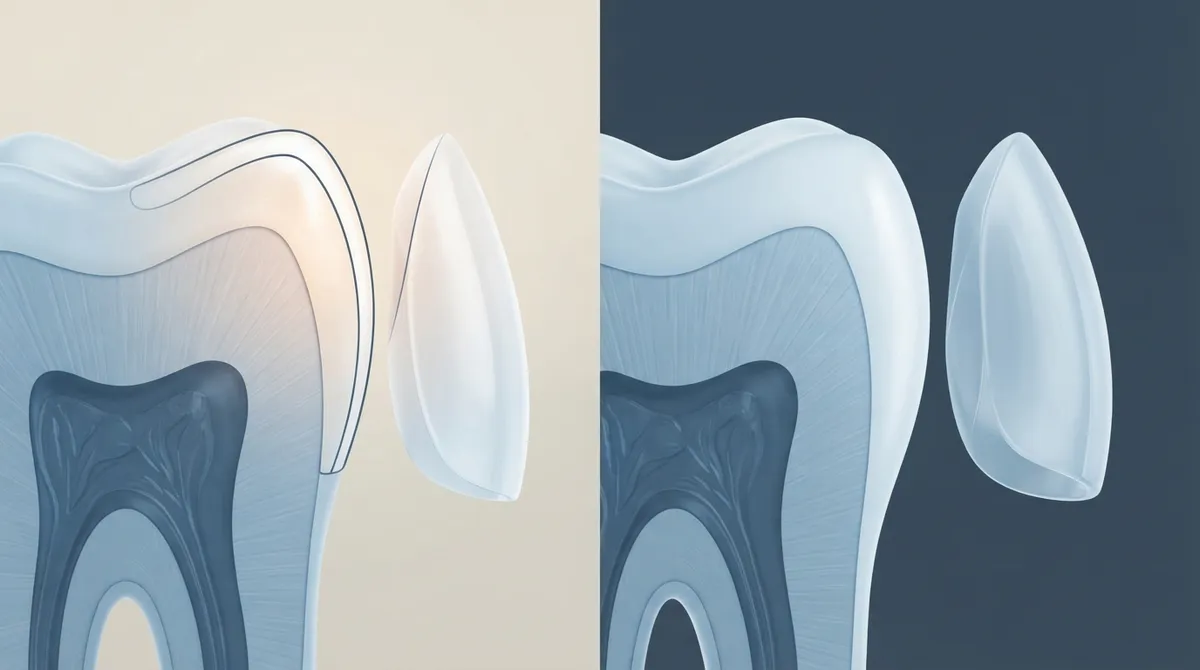
- E.max veneers don't always require tooth shaving; some patients qualify for no-prep or minimal-prep options, while others need small amounts of enamel removed (0.3-1.0mm) for optimal results based on individual tooth characteristics.
- No-prep veneers work best for naturally small, recessed, or spaced teeth with stable bites; crowded or protruding teeth typically require conservative shaving to prevent bulky appearance and bite problems.
- When shaving is needed, dentists remove only 0.3-1.0mm of enamel (thinner than a credit card) to preserve the strong outer enamel layer, which provides better bonding and reduces sensitivity compared to exposing softer dentin.
- E.max veneers placed with minimal shaving (0.3mm) show no significant difference in edge fit compared to no-prep veneers and create a thinner, more even cement layer for enhanced longevity and bond strength.
- The tooth shaving procedure uses local anesthesia so you won't feel pain during treatment; mild sensitivity may occur for a few days afterward, similar to filling placement, but typically resolves quickly.
- Enamel removed for veneers is permanent and doesn't regrow, making this a long-term commitment that requires careful pre-treatment planning with digital imaging, wax-ups, and bite evaluation to ensure optimal results.
If you're dreaming of a brighter, straighter smile but nervous about the idea of your dentist filing down your teeth, you're not alone. This is one of the most common questions we hear at our Ocoee dental office. The good news? The answer is not a simple yes or no. It depends on your smile, your goals, and your natural teeth. Let's break it down together in plain, friendly terms so you can walk into your consultation feeling confident and informed.
At Charming Smiles of Ocoee, Dr. Aliuska Lopez and her team take pride in helping patients understand every step of their cosmetic dentistry journey. Whether you're a busy parent squeezing in a consultation between school pickups or someone who has waited years to finally fix a smile you're self-conscious about, we want you to feel comfortable asking questions. So grab a cup of coffee, and let's talk about what really happens when you get e.max veneers.
What Are E.max Veneers, Exactly?
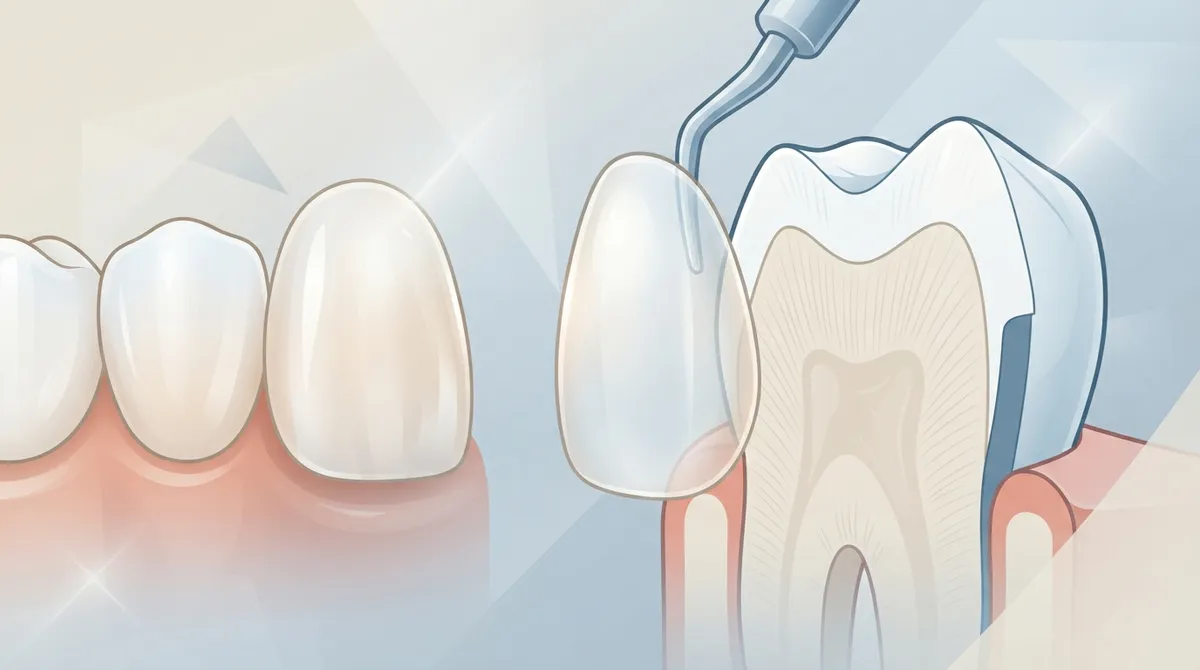
E.max veneers are thin shells made from a strong, tooth-colored material called lithium disilicate. This ceramic is known for looking incredibly natural while also being tough enough to handle daily biting and chewing. Many patients love e.max because it can be made very thin without looking fake or bulky.
Because these veneers can be crafted so thin, some dentists offer no-prep or minimal-prep options. This means little to no tooth shaving is needed for certain smiles. But that doesn't mean everyone qualifies for this approach.
So, Do E.max Veneers Require Shaving Teeth?
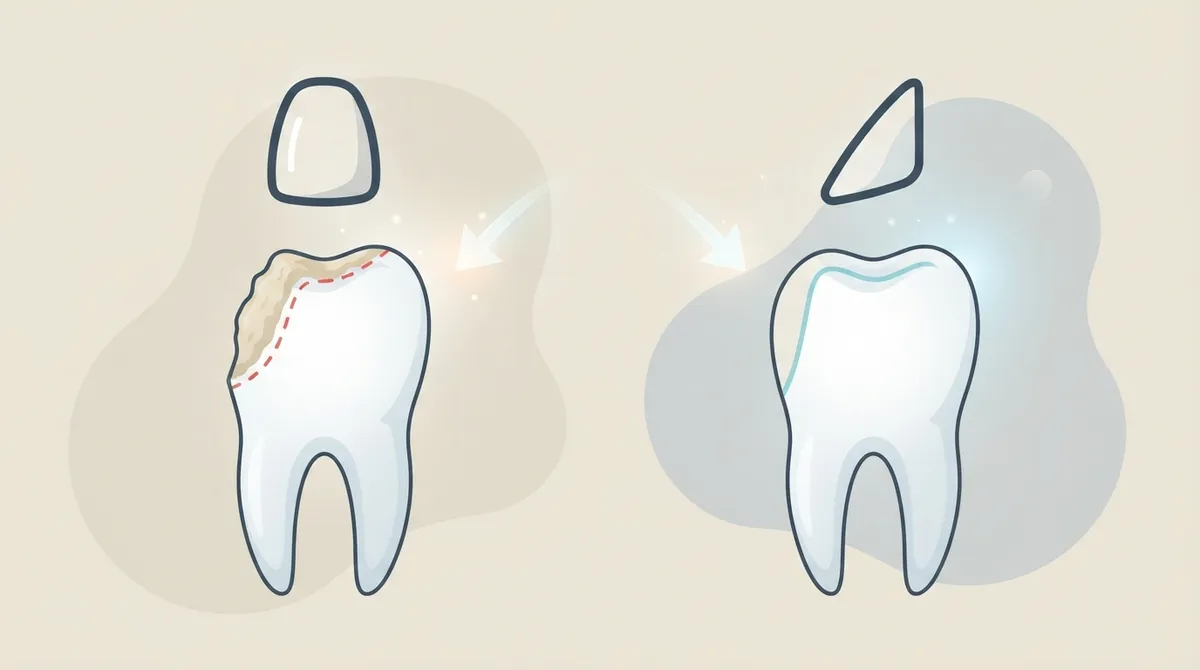
Here's the honest answer: it depends on your teeth. E.max veneers do not always require shaving down your enamel. Some patients are great candidates for no-prep veneers. Others need a small, careful amount of enamel removed to get the best results.
Research backs this up. A 2023 laboratory study looked at 24 extracted human teeth and compared veneers placed with minimal shaving (about 0.3mm) versus no shaving at all. The results showed no big difference in how well the veneers fit at the edges. However, teeth with a small amount of shaving had a thinner, more even layer of cement underneath, which can help with a long-lasting bond.
Meanwhile, a well-known clinical trial from 2021 used a more traditional approach, removing about 0.5 to 1.0mm from the front of the tooth and 1.0mm from the biting edge. Patients in that study reported high satisfaction, jumping from a comfort score of 7.06 before treatment to 9.5 after treatment, after just 12 months.
Why Might Your Dentist Recommend Some Shaving?
Removing a small layer of enamel is not done to hurt your smile. It is done to help it look and feel its best. Here are the main reasons a dentist may suggest light tooth preparation:
- To make room for the veneer so your tooth doesn't look bulky or unnatural
- To help cover up stains or dark discoloration underneath
- To adjust the shape of a tooth that is crowded, twisted, or uneven
- To create a smooth, secure edge where the veneer meets your gum line
- To make sure your bite feels comfortable once the veneer is in place
Think of it like tailoring a suit. Sometimes fabric needs a small trim to fit perfectly. The same idea applies here, just on a much smaller, more precise scale.
When Can You Skip the Shaving? No-Prep Veneers Explained
No-prep or minimal-prep e.max veneers work best for certain smiles. You might be a good candidate if your teeth have any of these traits:
- Your teeth are naturally small or slightly recessed
- You have some spacing between your teeth already
- Your teeth show mild wear that created a bit of extra room
- Your teeth are not overly crowded or protruding
- Your bite is stable and balanced
If your teeth stick out further than average or are crowded together, placing a veneer without any shaving could make your teeth look too big or bulky. It might also throw off your bite. This is why a hands-on exam matters so much before deciding on your treatment plan.
How Much Enamel Actually Gets Removed?
When shaving is needed, the amount removed is usually very small. Here's a simple breakdown based on published dental research:
| Type of Preparation | Typical Amount Removed | Best For |
|---|---|---|
| No-Prep Veneers | 0mm (none) | Small, recessed, or spaced teeth |
| Minimal-Prep Veneers | 0.3mm to 0.5mm | Slight adjustments for shape or shade |
| Conventional Veneers | 0.5mm to 1.0mm (front), up to 1.0mm (edge) | Crowded, discolored, or protruding teeth |
To put that in perspective, 0.5mm is about the thickness of a credit card. It sounds small because it is small. Your dentist removes only what is needed to make your veneer look natural and fit properly.
Why Preserving Your Enamel Matters
Your enamel is the hard, protective outer layer of your tooth. It plays a big role in how well a veneer bonds to your tooth. Bonding to enamel tends to be more reliable and long-lasting than bonding to the softer layer underneath, called dentin.
This is why a skilled cosmetic dentist is so careful about how much is removed. Taking off too much enamel can expose dentin, which may lead to tooth sensitivity and make the bonding process trickier. One dental study from 2018 warned that going deeper than 0.5mm near the gum line can risk exposing this sensitive layer, since enamel is naturally thinner there.
Is Tooth Shaving Painful?
This is a big worry for many patients, especially those managing dental anxiety. Here's some reassurance: the process is usually done with local anesthesia, so you shouldn't feel pain during the procedure itself. Some patients notice mild sensitivity for a few days afterward, similar to how you might feel after a filling.
At our Ocoee practice, we go the extra mile to keep you relaxed. From cozy blankets to calming music and even something to watch during your visit, we want your experience to feel more like a spa day than a dental appointment. If dental fear has kept you away from the dentist chair for years, we would love to show you a gentler way to care for your smile.
Is the Decision Reversible?
This is important to understand before moving forward. Once enamel is removed, it does not grow back. Veneers are considered a long-term commitment. That said, this is exactly why working with an experienced dentist matters so much.
Dr. Lopez and her team take time to review your smile carefully using digital imaging, wax-ups, and a full bite evaluation before recommending any treatment plan. This helps make sure you fully understand your options, whether that means minimal shaving, more traditional preparation, or exploring other cosmetic dentistry options first.
E.max Veneers vs. Other Types: A Quick Comparison
Choosing the right veneer material also affects how much shaving is needed. Here's a simple breakdown:
- E.max veneers: Strong, natural-looking, can be made very thin for select cases
- Traditional porcelain veneers: Often require more shaving due to thicker material
- Composite veneers: Usually require little to no shaving but may not last as long
Every material has pros and cons. That's why a personal consultation matters so much. What works beautifully for your neighbor's smile might not be the best fit for yours.
How Long Do Minimally Prepped E.max Veneers Last?
You'll be glad to know that even with conservative shaving, e.max veneers can be incredibly durable. One large study following over 1,000 lithium disilicate veneers found a survival rate of 99.83% over an average follow-up of nearly 31 months. That's an impressive track record for a treatment that also gives you a gorgeous smile.
Newer research is also pushing boundaries. A 2025 case study successfully placed six ultra-thin, no-prep veneers as slim as 0.1mm. While this shows exciting potential, it's still early days, and this approach isn't right for everyone yet.
Steps to Find Out If You Need Shaving for Your Veneers
Curious how your own smile would be treated? Here's what typically happens during your veneer consultation at our office:
- A full clinical exam of your teeth, gums, and bite
- Digital photos or a smile simulation so you can see potential results
- A conversation about your goals, like whitening, straightening, or reshaping
- An evaluation of enamel thickness and overall dental health
- A personalized recommendation for prep, minimal-prep, or no-prep veneers
This process helps us build a plan that fits your smile and your comfort level. We never take a one-size-fits-all approach because your smile is uniquely yours.
Why Choose Charming Smiles of Ocoee for Your Veneers?
Dr. Aliuska Lopez is known throughout Ocoee as a true smile expert, someone who blends precision with genuine compassion. Our office feels more like a relaxing retreat than a clinical space, which makes a big difference for patients who feel nervous about dental work.
We also make treatment more accessible with insurance & financing options and a helpful dental savings plan for patients without insurance. Right now, we're even offering a free cosmetic consultation, so you can explore your veneer options without any pressure. Want to see what real patients say about their experience? You can visit us on Google — Charming Smiles of Ocoee to read honest reviews from our Ocoee community.
You can also follow our smile transformations and patient stories on our Charming Smiles Facebook page or get a behind-the-scenes look at our cozy office on our Charming Smiles Instagram page. For more general guidance on cosmetic dentistry, the American Dental Association also offers helpful patient resources.
Ready to Explore Your Veneer Options?
Whether your smile needs a little shaping or none at all, the most important step is getting a professional opinion from someone you trust. Dr. Lopez and our caring Ocoee team are here to walk you through every detail, answer every question, and help you feel excited about your smile again.
If you're ready to see what's possible for your smile, why not book online for a free cosmetic consultation? You can also stop by our location near Publix in Ocoee, or simply call us at (407) 378-3704 to chat with our friendly front desk team. Your dream smile might be closer than you think.
FAQs
Q: Do e.max veneers always require shaving my teeth?
A: Not always! Some smiles qualify for no-prep or minimal-prep veneers, especially if your teeth are already small, spaced, or slightly recessed. Others may need a little enamel removed to get the best fit and look. Your dentist can tell you which option fits your smile after a simple exam.
Q: How much enamel gets removed for e.max veneers?
A: It's usually a very small amount, often between 0.3mm and 0.7mm, which is thinner than a credit card. Some traditional cases may need up to 1.0mm on the biting edge. Your dentist will only remove what's truly needed for a natural, comfortable result.
Q: Is getting my teeth shaved for veneers painful?
A: Not typically! Your dentist uses local anesthesia, so you shouldn't feel pain during the process. You might notice mild sensitivity for a few days afterward, similar to a filling, but it usually fades quickly.
Q: Can I get no-prep veneers if my teeth are crowded?
A: It depends on your specific smile. No-prep veneers work best on teeth that are already small, spaced, or slightly worn. If your teeth are crowded or protrude a bit, some shaving may help your veneers look natural and keep your bite comfortable.
Q: Are e.max veneers permanent once teeth are prepped?
A: Yes, once enamel is removed, it does not grow back, so veneers are considered a long-term commitment. That's why it's so important to work with an experienced cosmetic dentist who takes time to plan your treatment carefully before starting.