Dental Implants vs. Bridges: Which Is Actually Safer?
Wondering if dental implants are safe? Compare implants vs. bridges and learn why Charming Smiles of Ocoee trusts implants for lasting smiles.
Key Takeaways
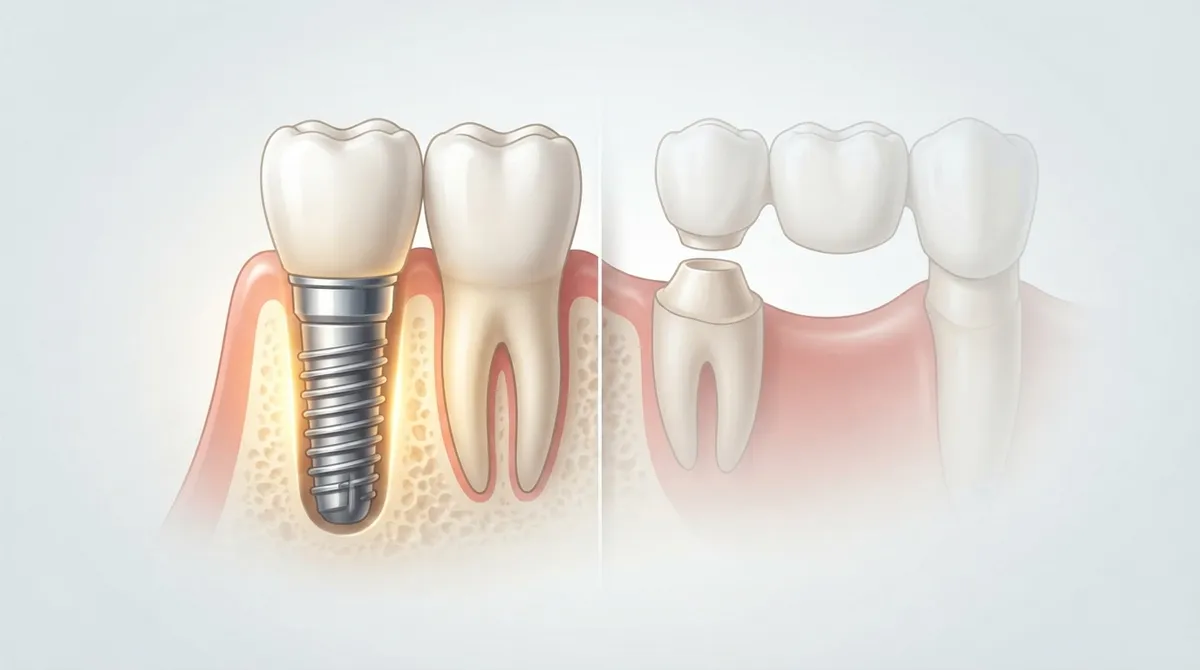
- Dental implants have a 95-98% success rate and titanium has been safely used in human jaws since 1965 with no evidence of long-term toxic effects or harmful metal buildup over 30+ years of monitoring.
- Implants preserve jawbone health and last 20+ years or a lifetime with proper care, compared to bridges which require filing down healthy teeth and typically last only 10-15 years.
- Most implant risks including infection, nerve irritation, and failure can be avoided through detailed imaging, thorough health history review, and choosing a skilled, experienced dentist to perform the procedure.
- Smokers and patients with well-controlled diabetes can safely get implants, but smoking slows healing and uncontrolled blood sugar increases infection risk, so pre-procedure planning with your doctor is essential.
If you've been putting off replacing a missing tooth because you're worried about safety, you're not alone. So many patients walk into Charming Smiles of Ocoee asking the same question: are dental implants safe? It's a fair question, and honestly, we love that you're asking it. Your smile deserves careful thought, not a rushed decision.
The short answer is yes. Dental implants are one of the safest and most reliable ways to replace missing teeth today. But let's dig deeper, because you deserve real answers, not just a quick "don't worry about it." In this article, we'll compare dental implants to another common option, dental bridges, so you can see exactly why implants have become the gold standard in modern dentistry.
What Makes Dental Implants Safe?
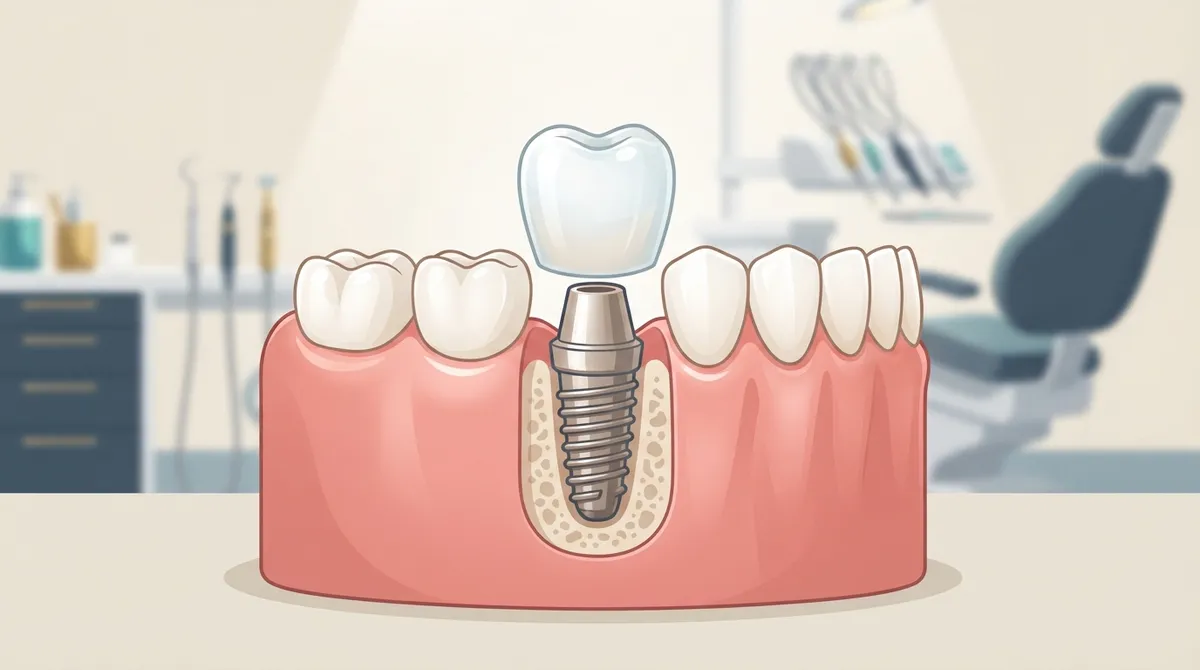
Dental implants are small titanium or zirconia posts that a dentist places into your jawbone. Over time, your bone actually fuses to the implant. This creates a strong, stable base for a replacement tooth. It's a process called osseointegration, and it's been studied for decades.
Here's something reassuring: titanium implants have been used safely in human jaws since 1965. That's over 60 years of real-world use. Researchers have found no evidence of long-term toxic effects or harmful metal buildup in the body, even after 30-plus years of monitoring patients.
Success rates for dental implants are impressively high, too. Studies show implants succeed 95% to 98% of the time when placed by a trained, experienced dentist. That's a fantastic track record for any medical or dental procedure.
Why Titanium and Zirconia Are Trusted Materials
You might wonder if your body could reject the implant material. It's a valid concern. The good news is that true allergic reactions to titanium are extremely rare, affecting less than 0.6% of patients. Both titanium and zirconia are biocompatible, meaning your body typically accepts them without issue.
- Titanium has decades of proven safety data in medical and dental use
- Zirconia is a popular metal-free alternative for patients with sensitivities
- Both materials resist corrosion and bond well with bone tissue
- Neither material has been linked to systemic toxicity in long-term studies
Dental Implants vs. Dental Bridges: A Side-by-Side Look
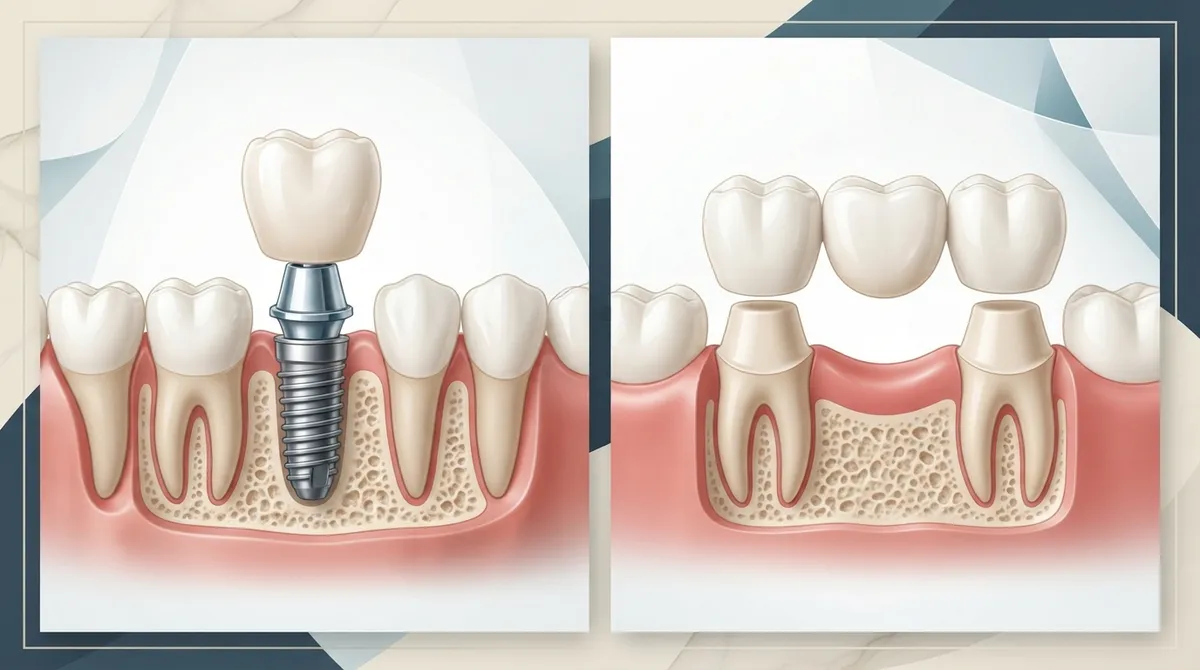
So how do implants stack up against bridges, another popular tooth replacement option? Let's break it down so you can see the real differences.
| Feature | Dental Implants | Dental Bridges |
|---|---|---|
| Impact on nearby teeth | None, implant stands alone | Requires filing down healthy teeth |
| Bone health | Stimulates and preserves jawbone | Does not prevent bone loss |
| Average lifespan | 20+ years, often a lifetime | 10-15 years |
| Success rate | 95-98% | 90% over 10 years |
| Daily care | Brush and floss like natural teeth | Requires special floss threaders |
As you can see, implants often come out ahead when it comes to long-term safety and bone health. Since a bridge relies on neighboring teeth for support, those healthy teeth must be shaved down. This can weaken teeth that were perfectly fine to begin with. If you want to learn more about your options, our dental implants page walks through the process in detail.
Common Concerns About Dental Implant Safety
Let's talk honestly about the risks. No medical procedure is 100% risk-free, and implants are no exception. But knowing what to watch for helps you feel more confident.
- Infection at the implant site. This is rare but possible, especially if oral hygiene isn't kept up after surgery.
- Nerve irritation. In some cases, patients may feel temporary numbness or tingling near the implant area.
- Sinus issues. Upper jaw implants placed too close to the sinus cavity can sometimes cause minor complications.
- Implant failure. This happens in about 2% of cases, often linked to smoking, poor bone density, or an inexperienced provider.
- Damage to nearby structures. Rarely, an implant can affect nearby teeth or bone if not placed with precision.
Here's the encouraging part: most of these risks can be avoided with proper planning. That means detailed imaging, a thorough health history review, and a skilled dentist who knows exactly what they're doing. This is exactly why choosing the right provider matters so much.
Are Dental Implants Safe for Smokers?
Smoking does raise your risk for complications. It slows healing and reduces blood flow to the gums, which can lead to implant failure. If you smoke, your dentist may recommend quitting or cutting back before and after your procedure to boost your chances of success.
Are Dental Implants Safe for People with Diabetes?
Good news here too. Patients with well-controlled diabetes can usually get implants safely. The key word is "controlled." Uncontrolled blood sugar levels can slow healing and increase infection risk, so your dentist will want to check in with your primary doctor first.
Steps to a Safe Dental Implant Experience
Wondering what actually happens during the process? Here's a simple breakdown of what to expect when you choose implants at a trusted local practice.
- Initial consultation and detailed dental X-rays or 3D imaging
- Review of your medical history, including any conditions like diabetes
- A custom treatment plan built around your mouth and goals
- Placement of the titanium or zirconia implant post
- A healing period of a few months for the bone to fuse properly
- Attachment of the abutment and custom-crafted crown
- Follow-up visits to make sure everything is healing well
Every single step is designed with your safety in mind. That's the kind of careful, unhurried approach you'll find at Charming Smiles of Ocoee, where Dr. Aliuska Lopez and her team take time to explain each phase before moving forward.
Why Choosing the Right Dentist Matters So Much
Here's something the research makes very clear: implant failure is much more likely when the procedure is done by someone without proper training or experience. Choosing a skilled, experienced dentist is honestly one of the biggest safety factors you can control.
At Charming Smiles of Ocoee, we combine advanced dental technology with a genuinely calming, spa-like atmosphere. Many of our patients tell us they actually feel relaxed during their visit, which says a lot for a dental office. If dental anxiety has kept you from getting the care you need, we understand, and we've built our whole practice around helping you feel comfortable every step of the way.
- Detailed 3D imaging for precise implant placement
- A calm, welcoming environment designed to ease anxiety
- Personalized treatment plans tailored to your health history
- Transparent communication about risks and expectations
- Ongoing support throughout your healing process
Curious what past patients have experienced? You can visit us on Google — Charming Smiles of Ocoee to read real reviews from neighbors right here in Ocoee. We also share smile transformations and patient stories on our Charming Smiles Instagram page and our Charming Smiles Facebook page.
How Long Do Dental Implants Really Last?
This is one of the best parts of the implant story. With good care, implants can last 20 years or even a lifetime. Studies show a 10-year survival rate of around 96% for implants that are properly maintained. Compare that to bridges, which often need replacing after 10 to 15 years, and the long-term value becomes pretty clear.
Good oral hygiene plays a huge role here. Brushing twice a day, flossing, and keeping up with regular checkups all help your implant last as long as possible. Think of it like caring for a natural tooth. The same habits that protect your smile protect your investment, too.
Simple Habits That Support Implant Safety
- Brush gently around the implant site twice daily
- Floss carefully to remove plaque near the gum line
- Avoid chewing on hard items like ice or pen caps
- Keep up with routine dental cleanings and checkups
- Tell your dentist right away if you notice pain or swelling
These small habits go a long way toward keeping your new smile strong for years to come. If you're also considering other restorative options, our guide on crowns & bridges can help you compare choices side by side.
Making the Decision That's Right for You
At the end of the day, safety comes down to three things: quality materials, skilled hands, and good aftercare. Dental implants check all three boxes when placed by an experienced provider like Dr. Lopez, who has built a reputation in Ocoee as a true smile expert.
Whether you're comparing implants to bridges, dentures, or simply wondering if it's the right time to replace a missing tooth, we're here to answer every question, no matter how small it might seem. Every patient deserves clarity, comfort, and confidence in their care.
Ready to see if dental implants are the right fit for your smile? We'd love to walk you through the process at our location near Publix in Ocoee, or you can simply call us at (407) 378-3704 to schedule your free implant consultation today. You can also book online at a time that works best for you. Your safe, confident, and comfortable smile is waiting for you at Charming Smiles of Ocoee.
FAQs
Q: Are dental implants safe for most people?
A: Yes, dental implants are safe for the vast majority of healthy adults. With success rates between 95% and 98%, they're one of the most trusted tooth replacement options in modern dentistry. Your dentist will check your bone health and medical history first to make sure implants are the right fit for you.
Q: What are the biggest risks of dental implants?
A: The main risks include infection, temporary nerve numbness, and implant failure, though these are all fairly rare. Choosing an experienced dentist and following aftercare instructions greatly lowers these risks. Most patients heal smoothly with no complications at all.
Q: Can smokers safely get dental implants?
A: Smokers can get implants, but smoking does raise the risk of delayed healing and implant failure. Cutting back or quitting before and after surgery really helps improve your success rate. Your dentist can talk through a plan that works for your lifestyle.
Q: How long do dental implants typically last?
A: Many implants last 20 years or even a lifetime with proper care. Brushing, flossing, and regular checkups all help protect your investment. It's honestly one of the most durable options out there for replacing a missing tooth.
Q: Is titanium in dental implants harmful to the body?
A: No, titanium has a long safety record dating back to 1965 with no evidence of harmful buildup in the body. True titanium allergies are very rare, affecting less than 0.6% of patients. For those with sensitivities, zirconia implants are also a safe, metal-free option.
Our Service Area
iframe src="https://maps.google.com/maps?q=Ocoee%2C%20FL&z=11&output=embed" width="100%" height="450" style="border:0;" loading="lazy" referrerpolicy="no-referrer-when-downgrade" title="Our Service Area">/iframe>