Dental Implant Problem Signs: When to See Your Dentist
Learn the key implant problem signs to watch for, from pain to looseness, and when to seek care in Ocoee, FL to protect your smile.
Key Takeaways
- Watch for persistent pain lasting beyond the first week or two, looseness/wobbling, and swelling that appears weeks after surgery—these are red flags requiring immediate dental attention, not normal healing.
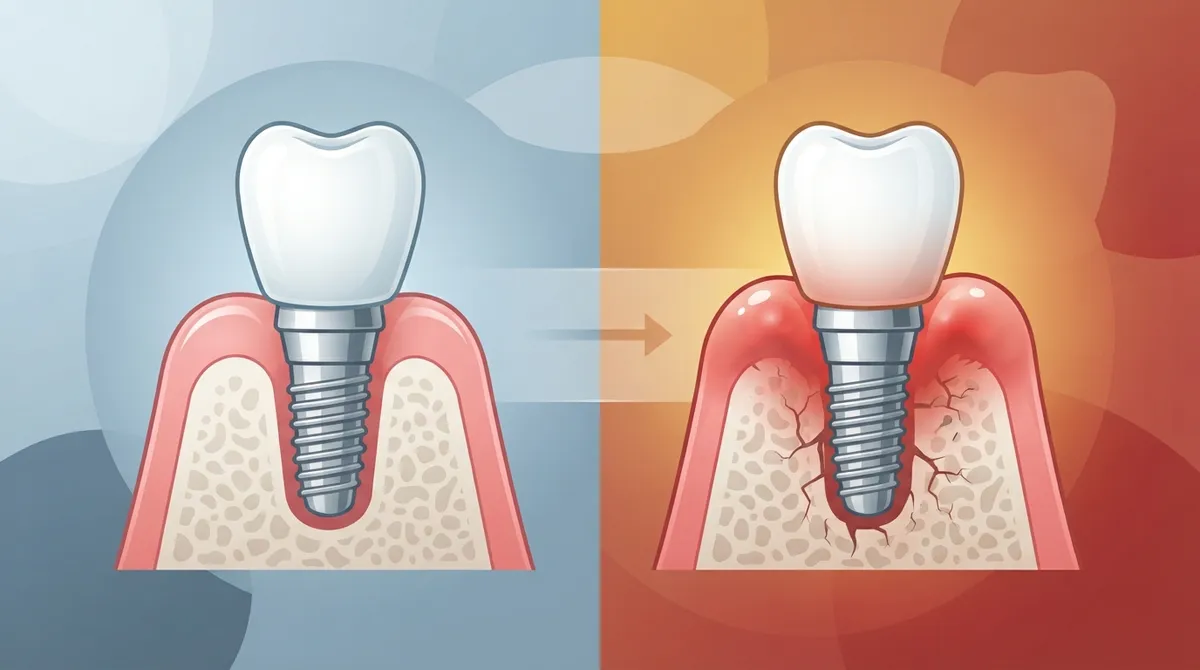
- Early detection of implant problems like peri-implant mucositis (inflammation) or peri-implantitis (infection) almost always leads to better outcomes; waiting typically makes complications worse and more costly.
- Bleeding gums, gum recession, pus, bad taste, or persistent bad breath around the implant site signal infection or bone loss and need prompt evaluation to prevent implant failure.
- Control your risk factors: quit smoking, maintain excellent oral hygiene with soft-bristle brushing and gentle flossing, wear a nightguard if you grind teeth, and attend regular checkups every six months.
- Ignoring implant problem signs can lead to progression from mild inflammation to severe peri-implantitis, bone loss, loosening, and eventual implant failure requiring complex and expensive treatment.
- Numbness, tingling, or burning sensations in your lip, tongue, or chin are uncommon but serious signs of possible nerve irritation that warrant immediate contact with your dentist.
Getting a dental implant is a big step toward a healthier, more confident smile. Most implants do wonderfully for years, even decades. But just like any part of your body, implants can sometimes run into trouble. Knowing the implant problem signs to watch for can save you pain, money, and even the implant itself.
At Charming Smiles of Ocoee, we've helped many patients throughout Ocoee, FL enjoy long-lasting, healthy implants. We've also helped folks catch small issues early, before they turn into bigger headaches. This guide walks you through the warning signs every implant patient should know, so you can act fast and protect your investment in your smile.
Why Catching Implant Problem Signs Early Matters
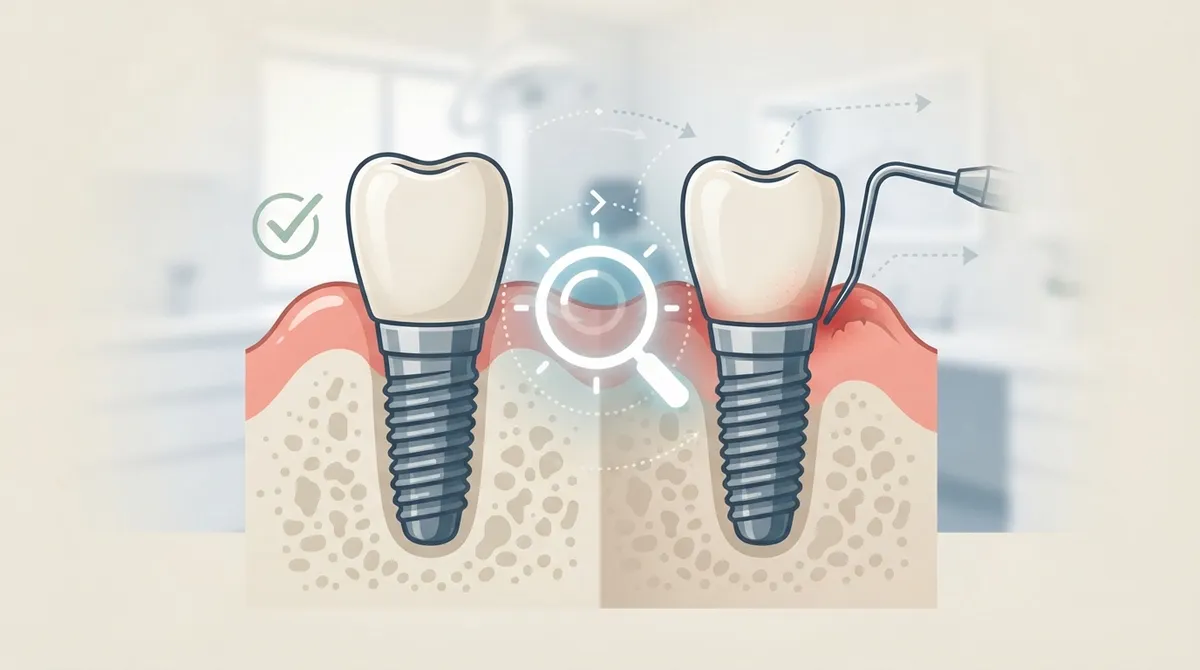
Dental implants are designed to fuse with your jawbone through a process called osseointegration. This creates a strong, stable foundation for your new tooth. When everything goes right, implants can last a lifetime with good care.
But complications do happen. Research shows that a fair number of implant patients experience some form of peri-implant mucositis, which is inflammation around the implant. A smaller but still meaningful group develops peri-implantitis, a more serious infection that can lead to bone loss and implant failure if ignored.
The good news? Catching these implant problem signs early almost always leads to a better outcome. Waiting it out rarely helps and often makes things worse.
7 Key Implant Problem Signs You Should Never Ignore
Here's a rundown of the most common warning signs that something isn't right with your implant. If you notice any of these, don't wait around hoping it goes away on its own.
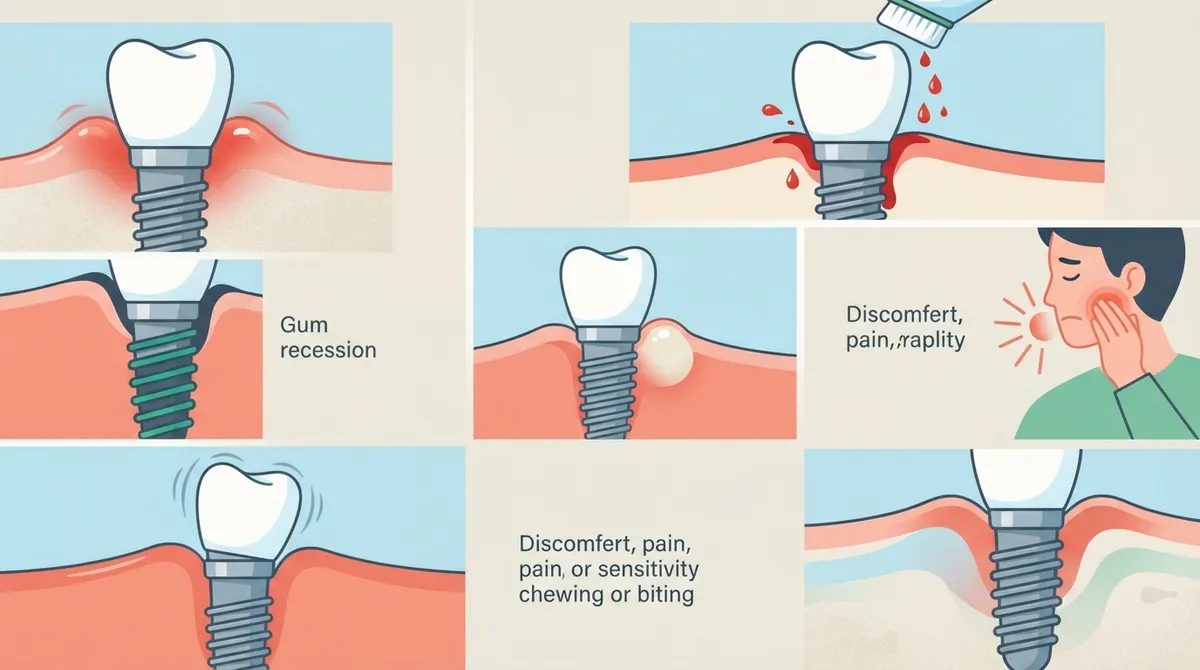
- Persistent or worsening pain. A little soreness after surgery is normal. Pain that lingers past the first week or two, or pain that gets worse instead of better, is a red flag.
- Looseness or wobbling. A healthy implant should feel just as solid as a natural tooth. If your implant or crown feels loose, wiggly, or shifts when you bite down, call your dentist right away.
- Swelling, redness, or tenderness. Some swelling right after your procedure is expected. But swelling that shows up weeks or months later, especially with redness or warmth, often points to inflammation or infection.
- Bleeding gums around the implant. Gums that bleed easily when you brush or floss near the implant site can be an early sign of peri-implant disease.
- Gum recession. If the gum tissue around your implant starts pulling back and exposing the metal post, this can signal tissue breakdown or bone loss underneath.
- Difficulty chewing or biting. Trouble chewing on the implant side, or a feeling that your bite is "off," often means the implant isn't as stable as it should be.
- Pus, bad taste, or bad breath. Discharge, a foul taste, or breath that won't go away no matter how much you brush usually points to infection. Add fever or chills, and it's time to seek care immediately.
One more sign worth mentioning: numbness, tingling, or a burning feeling in your lip, tongue, gums, or chin. This is less common but can point to nerve irritation from the implant placement. It's uncommon, but it deserves a prompt call to your dentist.
Normal Healing vs. Implant Problem Signs: What's the Difference?
It's easy to panic over every little twinge after implant surgery. Here's a simple table to help you tell the difference between what's expected and what's worth a phone call.
| Symptom | Normal Healing (First 3-7 Days) | Possible Implant Problem Sign |
|---|---|---|
| Pain | Mild, improves daily | Severe, worsens, or returns after weeks |
| Swelling | Peaks at 2-3 days, then fades | Appears later or keeps growing |
| Bleeding | Light oozing first day | Ongoing bleeding from gums weeks later |
| Stability | Slight sensitivity, but firm | Loose, wobbly, or shifting |
| Taste/Smell | None | Bad taste, pus, or persistent bad breath |
If your symptoms fall into that second column, it's time to reach out. Don't wait for things to get worse. You can always book online to get a fast evaluation.
What Causes These Implant Problem Signs?
Understanding why implants sometimes struggle can help you avoid trouble in the first place. Here are the biggest risk factors:
- Smoking, which slows healing and reduces blood flow to the gums
- Poor oral hygiene that lets plaque build up around the implant
- A history of gum disease before the implant was placed
- Uncontrolled diabetes, which can slow healing
- Teeth grinding that puts too much pressure on the implant
- Skipping regular dental checkups and cleanings
The good news is that most of these risk factors are within your control. Simple habits like brushing twice a day, flossing gently around the implant, and showing up for your regular general dentistry checkups go a long way toward keeping your implant healthy for years to come.
How Dentists Diagnose Implant Problems
Wondering what happens when you come in with a possible implant issue? Here's what to expect during your visit:
- A visual exam of the gum tissue around the implant, checking for redness, swelling, or recession
- Gentle probing to measure pocket depth around the implant, similar to a gum disease check
- Digital X-rays to look for bone loss around the implant post
- A bite check to see if the crown or implant feels loose or misaligned
- A conversation about your symptoms, habits, and any recent changes in your health
This step-by-step approach helps your dentist figure out exactly what's going on and build the right treatment plan. Sometimes a simple deep cleaning solves the problem. Other times, more involved care is needed. Either way, getting checked out quickly gives you the best shot at saving the implant.
What Happens If You Ignore Implant Problem Signs?
It's tempting to brush off mild symptoms and hope they fade. Unfortunately, ignoring implant problem signs rarely works out well. Here's what can happen if issues go untreated:
- Mild inflammation can progress into a deeper infection called peri-implantitis
- Bone loss around the implant can worsen, threatening its stability
- The implant may eventually loosen or fail completely
- Treatment becomes more complex, costly, and time-consuming
- Nearby teeth and gum tissue can be affected too
The bottom line? A quick visit when symptoms first appear is almost always easier and cheaper than dealing with a failed implant later. If you're looking into implants for the first time, our guide on 5 Dental Implant Mistakes That Could Cost You Thousands is worth a read before you get started.
Protecting Your Implant: Simple Daily Habits That Help
Prevention really is the best medicine when it comes to implants. Here are habits our Ocoee patients swear by:
- Brush gently around the implant crown twice daily with a soft-bristle brush
- Floss carefully or use an interdental brush designed for implants
- Avoid chewing on very hard foods like ice or hard candy
- Wear a nightguard if you grind your teeth
- Quit smoking, or avoid starting, to protect blood flow to your gums
- Keep up with regular dental implants checkups and cleanings every six months
These small steps make a big difference. Many of our long-term implant patients tell us that sticking to a simple routine is really all it takes to keep their smile strong for years.
Why Choose Charming Smiles of Ocoee for Implant Care
Dr. Aliuska Lopez and our team at Charming Smiles of Ocoee take a gentle, thorough approach to implant care. We combine advanced dental technology with a relaxing, spa-like setting so you feel comfortable every step of the way, whether you're getting a new implant or having an existing one checked out.
We also know that dental costs can feel overwhelming. That's why we offer flexible insurance & financing options and a helpful dental savings plan to make quality care more affordable. We even offer a free dental implant consultation and $200 off implant treatment for new patients, so cost never has to stand between you and a healthy smile.
Don't just take our word for it. See what our neighbors in Ocoee are saying by checking out the Charming Smiles Facebook page or browsing photos on our Charming Smiles Instagram page. You can also visit us on Google — Charming Smiles of Ocoee to read real patient reviews from folks just like you.
When to Call Your Dentist About Implant Problem Signs
Not sure if your symptoms are worth a call? Here's a quick rule of thumb: if something feels off, trust your gut. Specifically, reach out right away if you notice:
- Pain that lasts more than a week or gets worse over time
- Any looseness or movement in the implant or crown
- Swelling, pus, or a bad taste that won't go away
- Bleeding gums around the implant that don't improve
- Numbness or tingling in your lip, chin, or gums
- Fever or chills along with mouth pain
Our team understands that dental issues rarely happen at a convenient time. If you're dealing with sudden pain or swelling, our emergency dentistry services are here to get you seen quickly and comfortably.
For patients managing dental anxiety, we understand that even thinking about a dental visit can feel stressful. Our calming, spa-like environment is designed to put you at ease from the moment you walk through the door, so you never have to face a dental concern alone.
Marketing Support for Local Dental Practices
Beyond patient care, we believe in supporting the local Ocoee business community. For dental practices and other local businesses looking to grow their online presence, Brain Buzz Marketing offers helpful digital marketing services worth exploring.
Your Next Step Toward a Healthy Implant
Implant problem signs are your body's way of telling you something needs attention. The sooner you listen, the easier it usually is to fix. Whether you're noticing mild discomfort or something more serious like looseness or swelling, don't wait it out.
Our friendly team at Charming Smiles of Ocoee is ready to help you protect your smile and your investment. Give us a call at (407) 378-3704 or stop by our location on West Road in Ocoee. We're here to make sure your implant lasts a lifetime, comfortably and confidently.
FAQs
Q: What are the first signs of dental implant failure?
A: The earliest signs are usually persistent pain, swelling that doesn't go away, and any looseness in the implant or crown. If your gums around the implant look red, feel tender, or start bleeding easily, that's another early clue worth mentioning to your dentist.
Q: Is pain normal after a dental implant, and how long should it last?
A: A bit of soreness is totally normal for the first few days after surgery, and it should gradually improve. If pain sticks around past a week or two, or if it suddenly gets worse, that's not typical healing anymore and deserves a call to your dentist.
Q: What does an infected dental implant feel like?
A: An infected implant often comes with swelling, redness, and tenderness around the gum line. You might also notice a bad taste, pus, or breath that won't go away no matter how much you brush, sometimes along with fever or chills.
Q: Why does my dental implant feel loose?
A: A loose implant can mean the bone around it hasn't fully bonded, or it could signal bone loss from infection. Either way, a healthy implant should feel just as sturdy as a natural tooth, so any wobbling needs prompt attention.
Q: When should I call the dentist about implant problems?
A: Call right away if you notice ongoing pain, looseness, swelling, bleeding, pus, or numbness near the implant. It's always better to get checked out early. Our team at Charming Smiles of Ocoee is happy to see you quickly if something feels off.