Dental Crowns for a Cosmetic Smile: Your Full Guide
Learn how cosmetic dental crowns fix cracked, stained, or worn teeth while restoring strength and creating a natural, confident smile.
Key Takeaways
- Dental crowns are best for teeth with real damage like cracks, large failing fillings, or severe discoloration that whitening won't fix—not for minor cosmetic flaws where veneers or bonding may work better.
- All-ceramic and zirconia crowns offer the most natural appearance for front teeth, with survival rates around 94-96% at five years and 85-87% at fifteen years when properly maintained.
- Crown costs range from $700-$2,500+ depending on material choice; porcelain-fused-to-metal is most affordable while zirconia offers superior durability for back teeth.
- The crown procedure typically requires two visits and involves tooth preparation that removes permanent enamel, so it's irreversible—ask your dentist about same-day crowns if available.
- Daily care habits like flossing gently around the crown, avoiding hard foods, wearing a night guard if you grind your teeth, and regular checkups significantly extend crown lifespan.
- Insurance usually covers crowns only when medically necessary for damaged or weak teeth, not for purely cosmetic reasons on healthy teeth—verify your benefits before treatment begins.
Do you hide your smile in photos? Maybe a chipped tooth or an old, dark filling makes you feel shy. You are not alone. Many folks in Ocoee feel this way. The good news? Dental crowns can fix these problems and give you a smile you love to show off.
At Charming Smiles of Ocoee, we help patients turn worn, cracked, or stained teeth into strong, natural-looking smiles. This guide will walk you through everything you need to know about cosmetic dental crowns. We will keep it simple and easy to follow, just like a chat with a friend who happens to know a lot about teeth.
What Are Cosmetic Dental Crowns?
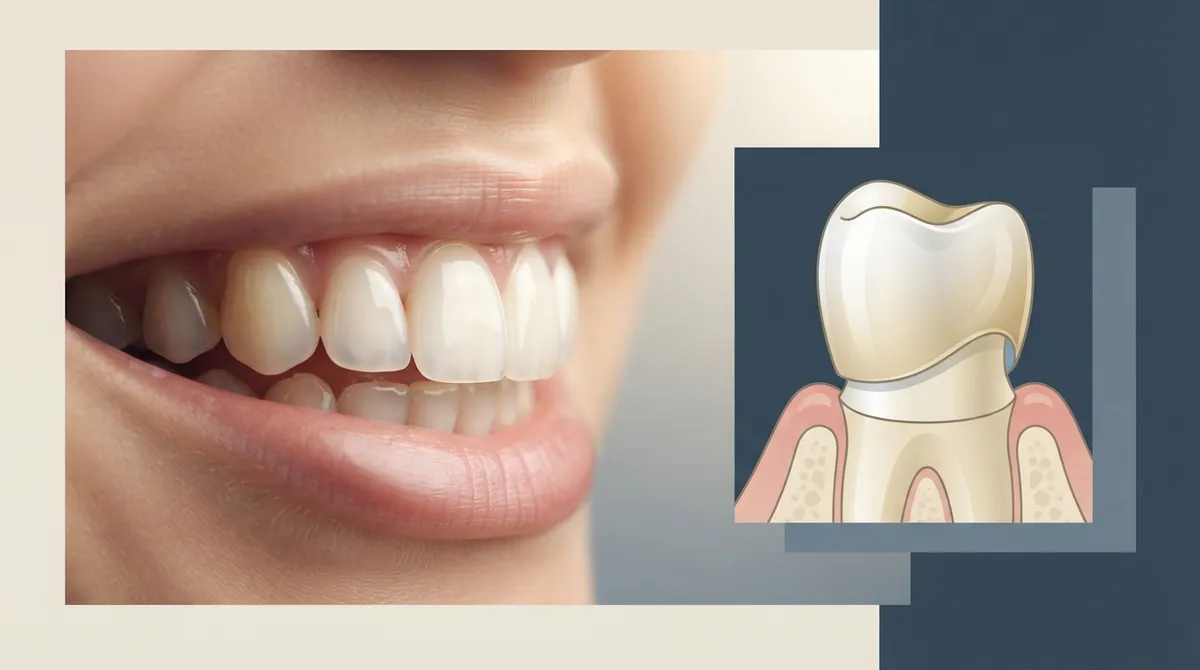
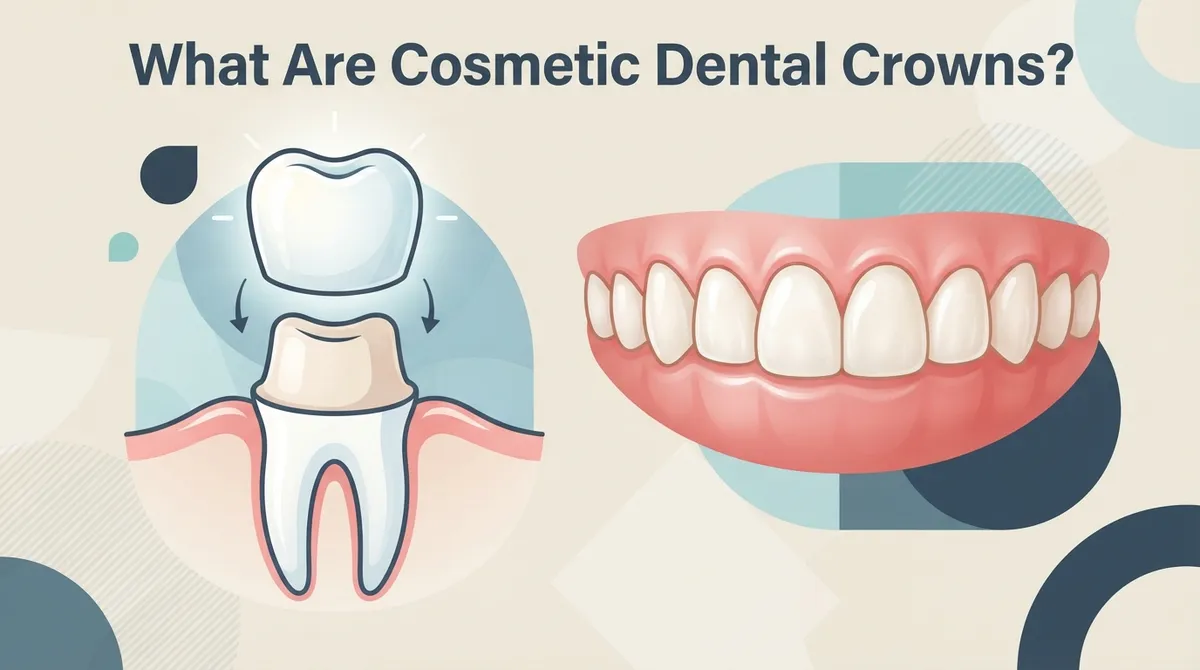
A dental crown is a cap that fits over your tooth. Think of it like a helmet for a damaged tooth. It covers the whole visible part of the tooth. This protects the tooth and also makes it look better.
Crowns are not just for looks. They also help teeth work better. A crown can fix a tooth's shape, color, and size all at once. This is why so many patients choose crowns as part of their cosmetic dentistry plan.
When Do You Need a Crown for Cosmetic Reasons?
Crowns work best when a tooth has real problems, not just a small flaw. Here are common reasons patients get crowns:
- A tooth is cracked or badly worn down
- A tooth has a large, old filling that is failing
- A tooth is very discolored and whitening will not help
- A tooth is oddly shaped or too small
- A tooth needed a root canal and is now weak
If your tooth is healthy and you just want a small color or shape change, a crown may not be the best fit. In that case, veneers or bonding might work better. We will talk more about this choice later.
Types of Crown Materials for a Beautiful Smile
Not all crowns are the same. The material you choose affects how your smile looks and how long it lasts. Let's break down the most common options.
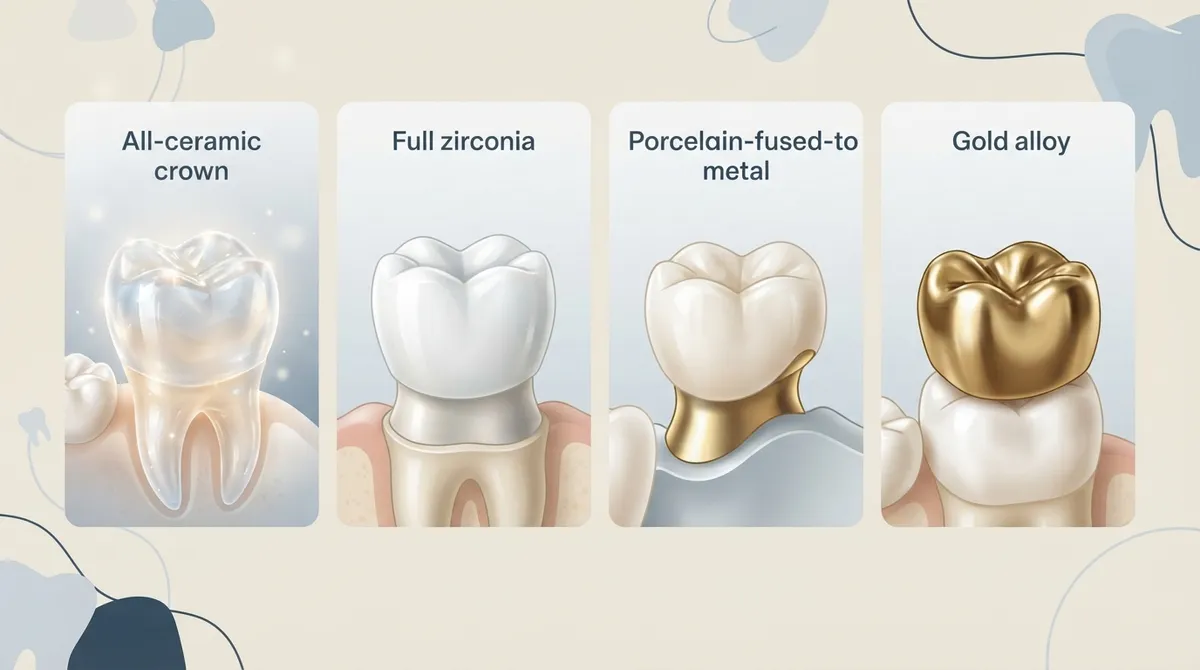
All-Ceramic or Porcelain Crowns
These crowns look the most like real teeth. Dentists often pick porcelain for front teeth because it matches your natural tooth color so well. Light passes through porcelain much like it does through real enamel. This gives your smile a soft, natural glow.
Zirconia Crowns
Zirconia crowns are known for being tough. They can handle strong bite forces, which makes them a great pick for back teeth. Newer zirconia options also look natural, so many dentists now use them for front teeth too.
Porcelain-Fused-to-Metal Crowns
These crowns have a metal base with porcelain on top. They are strong and cost less than all-ceramic options. The only downside is a thin dark line can sometimes show at the gum line over time.
Resin Crowns
Resin crowns cost less upfront but do not last as long. They tend to wear down and crack more easily than ceramic or zirconia crowns. Many dentists use them as a temporary fix while a permanent crown is made.
Here is a quick side-by-side look at your main choices:
| Material | Best For | Typical Lifespan | Average Cost Range |
|---|---|---|---|
| All-Ceramic/Porcelain | Front teeth, natural look | 5-15 years | $800-$2,000 |
| Zirconia | Front and back teeth, strength | 5-15+ years | $1,000-$2,500+ |
| Porcelain-Fused-to-Metal | Back teeth, durability | 5-15 years | $700-$1,500 |
| Resin | Temporary use | 3-5 years | Lower cost option |
Keep in mind these are general ranges. Your final cost depends on your specific tooth, your dentist's fees, and any other treatment you may need. We always give patients a written plan before starting any crown work, so you know what to expect.
How Crown Survival Rates Compare
You might wonder how long crowns actually hold up. Research gives us some helpful numbers. Studies show porcelain crowns have about a 94.7% survival rate at five years and 85.3% at fifteen years. Zirconia crowns often do even better, with around 96.2% surviving five years and 87.1% making it to fifteen years. Some providers report even higher zirconia success rates, close to 98.2% at five years, though this can vary by practice and patient.
These numbers are helpful guides, not promises. Your own results depend on your bite, your habits, and how well you care for your crown. Good news is patients who follow simple care steps often get many years of use from their crowns.
The Crown Procedure: What to Expect
Getting a crown is a straightforward process. Knowing the steps ahead of time can ease any worry, especially if you feel nervous about dental visits. Here is how it typically goes:
- Exam and planning: Your dentist checks your tooth, gums, and bite. X-rays may be taken to look under the surface.
- Shade and shape matching: Your dentist picks a crown color and shape that blends with your other teeth.
- Tooth preparation: The dentist gently shapes your tooth to make room for the crown. This step removes some enamel, so it cannot be undone.
- Impression or scan: A mold or digital scan captures the exact shape needed for your custom crown.
- Temporary crown: While your permanent crown is made, you wear a temporary one to protect the tooth.
- Final placement: Once ready, your permanent crown is checked for fit and bonded into place.
Some offices offer same-day crowns using in-office milling machines. This can skip the temporary crown step entirely. Ask your dental team if this option fits your case.
Does Getting a Crown Hurt?
Most patients feel little to no pain during the procedure. Your dentist numbs the area first. You may notice some mild tooth sensitivity for a few days after, especially to hot or cold foods. This usually fades on its own. If you feel nervous about the process, tell your dental team. A gentle, spa-like setting can make a big difference in how relaxed you feel.
Crowns vs. Veneers: Which One Do You Need?
This is one of the most common questions we hear. Both options can improve your smile, but they work differently.
- A crown covers the entire tooth. It is best for teeth that are cracked, weak, or heavily filled.
- A veneer only covers the front surface. It works well for teeth that are healthy but have cosmetic issues like stains or small gaps.
- Crowns remove more of your natural tooth structure than veneers do.
- Veneers are usually chosen for a smile makeover on several front teeth at once.
Your dentist will look at your teeth and recommend the option that protects your long-term oral health while still giving you the look you want. Sometimes a mix of both treatments works best for a full smile transformation.
Caring for Your Crown So It Lasts
A crown is an investment in your smile. Taking care of it helps it last as long as possible. Here are simple habits that make a big difference:
- Brush twice daily with fluoride toothpaste
- Floss every day, being gentle around the crown edge
- Avoid chewing ice, hard candy, or using teeth to open packages
- Wear a night guard if you grind your teeth while sleeping
- Keep up with regular dental checkups and cleanings
Even the best crown can chip, crack, or come loose if it is not cared for well. Simple daily habits go a long way in protecting your investment. Our team can help you get the most from your crowns and bridges with tips made just for you.
Can Crowns Be Part of a Full Smile Makeover?
Yes! Many patients pair crowns with other treatments for a complete smile transformation. This might include teeth whitening services for surrounding teeth, veneers on other visible teeth, or even Invisalign to straighten crowded teeth first. A good treatment plan looks at your whole smile, not just one tooth. This means your dentist should think about your lips, gums, bite, and even how you speak before finalizing a plan.
Does Insurance Cover Cosmetic Crowns?
This depends on why you need the crown. If a crown is needed to fix a damaged, cracked, or weak tooth, many insurance plans will help cover part of the cost. If the crown is purely for looks on an otherwise healthy tooth, insurance often will not cover it. This is because insurers usually see cosmetic-only treatment as optional rather than needed for health.
We recommend getting a written treatment plan and checking your insurance & financing options before starting care. Our front desk team can help verify your benefits so there are no surprises. We also offer a dental savings plan and flexible payment plans for patients without insurance.
Why Choose Charming Smiles of Ocoee for Your Crown?
Dr. Aliuska Lopez and her team at Charming Smiles of Ocoee are known as trusted smile experts in the area. We combine modern dental technology with a calm, spa-like setting to make every visit stress-free. Whether you need one crown or a full smile makeover, our team creates a plan built around your goals and comfort level.
We know dental visits can feel scary for some people. That is why we focus on gentle care and clear communication every step of the way. You can read what our patients say by visiting Visit us on Google — Charming Smiles of Ocoee, or check out real patient stories on our Charming Smiles Facebook page and Charming Smiles Instagram page.
For general guidance on crown care, the Cleveland Clinic's overview on dental crowns is a helpful resource that backs up much of what we share with our own patients.
Ready to Transform Your Smile?
A cracked, worn, or stained tooth does not have to hold back your confidence. Dental crowns offer a proven way to protect your tooth while giving you a smile you are proud to share. Our team is ready to walk you through your options, answer your questions, and create a plan that fits your smile and your budget.
You can book online today to start your journey toward a healthier, more confident smile. Have questions first? Feel free to call us at (407) 378-3704 and our friendly team will be happy to help. You can also stop by our location in Ocoee to see our comfortable, modern office for yourself.
FAQs
Q: Are dental crowns a good option for improving a cosmetic smile?
A: Yes, crowns work great when a tooth is cracked, worn, or badly discolored. They cover the whole tooth, so they fix both the look and the strength at the same time. For smaller cosmetic changes on healthy teeth, veneers might be a gentler choice, so it's worth chatting with your dentist about your specific tooth.
Q: What is the best crown material for front teeth?
A: Most patients love all-ceramic or porcelain crowns for front teeth because they blend so naturally with your smile. Zirconia is also a wonderful pick since newer versions look natural too, plus they add extra strength. Your dentist can help you pick based on your bite and how your tooth looks next to its neighbors.
Q: How much do cosmetic dental crowns cost per tooth?
A: Prices usually range from about $700 to $2,500 or more, depending on the material you choose and your specific needs. Porcelain-fused-to-metal tends to cost less, while zirconia often costs more due to its strength. We always provide a clear, written estimate before any work begins so there are no surprises.
Q: How long do cosmetic dental crowns last?
A: Most crowns last between 5 and 15 years with good care, and some even last longer! Things like your bite, diet, and daily brushing habits play a big role in how long your crown holds up. Simple habits, like wearing a night guard if you grind your teeth, can really extend its life.
Q: Are cosmetic dental crowns covered by dental insurance?
A: It depends on the reason for the crown. If it's needed to fix a damaged or weak tooth, many plans help cover part of the cost. If it's purely for looks on a healthy tooth, insurance usually won't pitch in, so it's smart to check your benefits with our team first.