Dental Crown Aftercare Instructions for a Lasting Smile
Learn how to care for your dental crown with easy, expert tips from Charming Smiles of Ocoee for a smile that lasts.
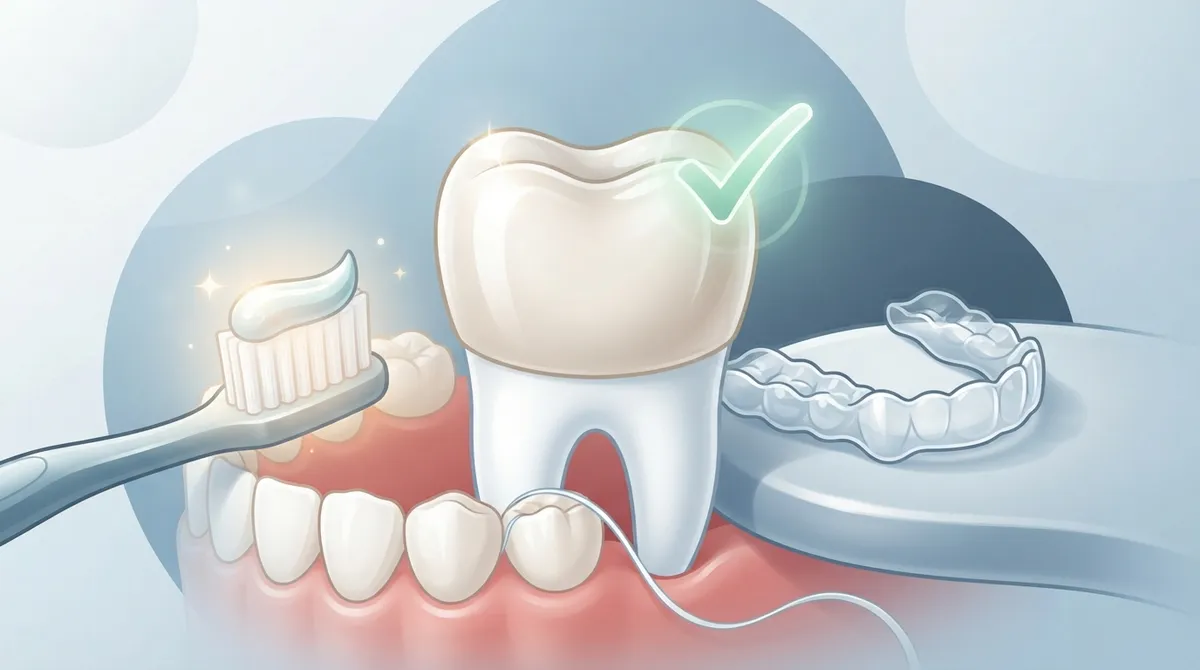
Key Takeaways
- Avoid chewing anything until numbness wears off after crown placement to prevent accidentally biting your cheek, tongue, or lip, which typically takes a few hours.
- Brush twice daily with fluoride toothpaste and floss once daily, paying special attention to the gumline where your crown meets the natural tooth, as this is where decay commonly starts.
- With temporary crowns, avoid sticky foods like gum and caramel, hard foods like nuts and ice, and chew on the opposite side of your mouth to prevent dislodging it.
- Wear a custom night guard if you grind your teeth, as grinding puts serious pressure on crowns and can significantly shorten their lifespan.
- Avoid chewing on ice, hard candy, popcorn kernels, and using your teeth as tools, as these habits can chip or crack even well-made ceramic or porcelain crowns.
- Schedule routine dental checkups every six months so your dentist can catch small problems early and check for wear, gum health, and bite balance around the crown.
Just got a new dental crown? Congratulations! You're one step closer to a stronger, healthier smile. But here's the thing: what you do in the next few days (and years) really matters. Good dental crown aftercare instructions can mean the difference between a crown that lasts 15 years and one that needs early repair.
At Charming Smiles of Ocoee, we place a lot of crowns for patients across Ocoee, FL. And we always send folks home with clear, simple care tips. This guide walks you through exactly what to do, whether you have a temporary crown or a shiny new permanent one. Let's make sure your investment in your smile pays off for years to come.
Why Aftercare Matters So Much for Dental Crowns
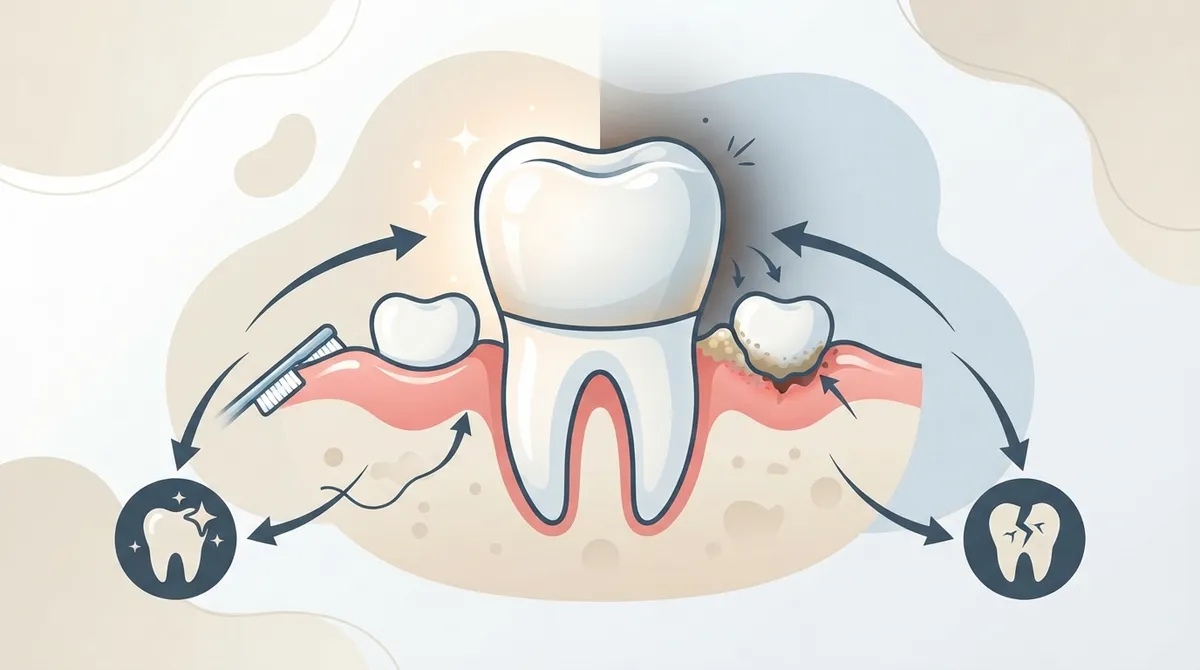
A dental crown covers and protects a damaged or weakened tooth. Think of it like a helmet for your tooth. But even the toughest helmet needs proper care to do its job well.
Your crown sits right at the gumline, where food, plaque, and bacteria love to hide. Without good care, decay can creep in around the edges. That's true even though the crown itself won't get a cavity. The natural tooth underneath still can.
Following the right aftercare steps helps you avoid unnecessary trips back to the dentist. It also protects your investment and keeps your whole mouth healthier. Let's break down exactly what to do at each stage.
Right After Your Permanent Crown Is Placed
The first few hours matter more than you might think. Here's what to keep in mind.
Wait Until the Numbness Wears Off
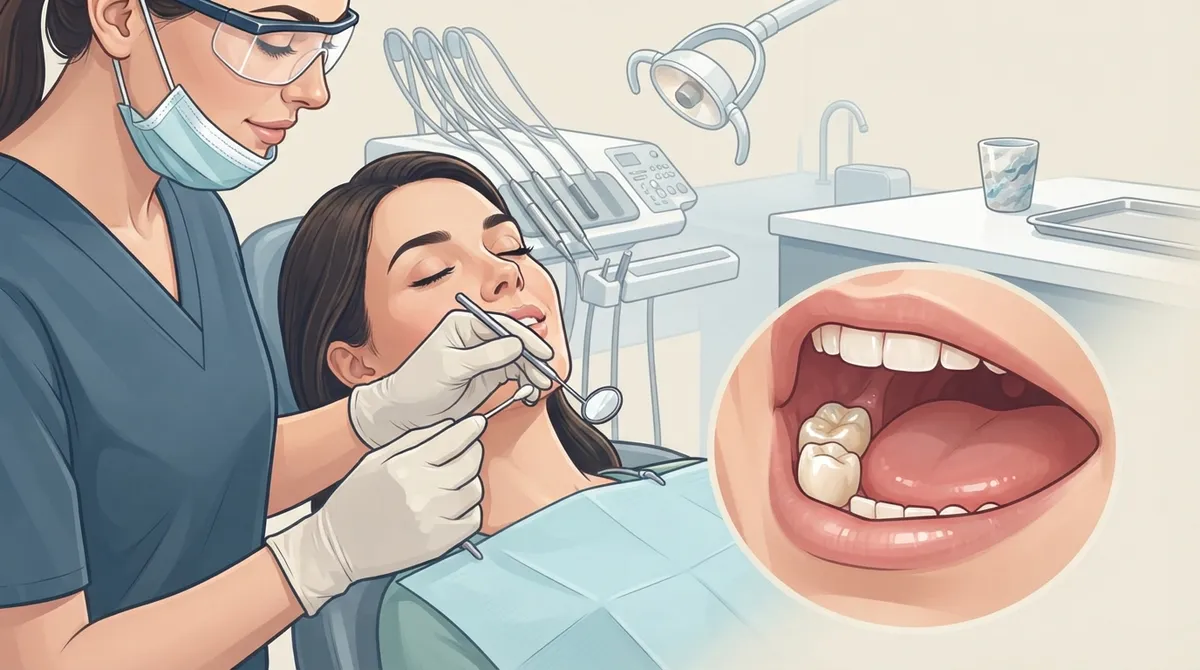
Your dentist likely used local anesthesia to keep you comfortable during the procedure. That numbness can trick your mouth. You might not feel your cheek, tongue, or lip properly, which makes it easy to accidentally bite yourself.
Avoid chewing anything until the feeling fully returns to your mouth. This usually takes a few hours. Always follow the specific timing your dentist gives you, since it can vary based on the anesthesia used.
Expect Some Mild Sensitivity
It's totally normal to feel a little sensitive to hot or cold foods after getting a crown. According to MedlinePlus, this sensitivity in a tooth with a healthy nerve should get better over time. Cleveland Clinic notes that some patients feel this sensitivity for a couple of weeks before it fully settles down.
If sensitivity feels severe or doesn't improve after a couple of weeks, give us a call at Charming Smiles of Ocoee. We'll take a look and make sure everything is fitting properly.
Caring for a Temporary Crown
If you're waiting for your permanent crown to be made, you'll wear a temporary one in the meantime. Temporary crowns are more fragile, so they need extra TLC.
Foods to Avoid
Your temporary crown isn't built for the long haul, so treat it gently. Steer clear of these foods while you're wearing it:
- Chewing gum or caramel (anything sticky can pull the crown loose)
- Gummy candy or chewy nutrition bars
- Hard foods like nuts, ice, or hard candy
- Crunchy bread like bagels or baguettes
- Anything that requires a lot of biting force
Whenever possible, chew on the opposite side of your mouth. This takes pressure off the temporary crown and lowers your risk of dislodging it.
Flossing Around a Temporary Crown
Good news: you can still floss with a temporary crown in place. But you need to change your technique slightly. Instead of pulling the floss straight up between your teeth, slide it out sideways.
Pulling upward can catch the edge of the temporary crown and pop it right off. Sliding sideways avoids that problem while still cleaning between your teeth effectively.
Long-Term Dental Crown Aftercare Instructions
Once your permanent crown is set, the goal shifts to long-term maintenance. Here's how to keep it in great shape for years.
1. Brush Twice a Day, Every Day
The American Dental Association recommends brushing twice daily with fluoride toothpaste. This advice applies to crowned teeth too. Use a soft-bristled toothbrush and pay close attention to the area right along your gumline.
Why does this matter so much for crowns? The edge where your crown meets your natural tooth is a common spot for decay to start. Keeping that area clean protects the tooth structure holding your crown in place.
2. Floss Once a Day
Cleveland Clinic specifically recommends flossing once daily for patients with crowns. Regular flossing removes food particles and plaque that build up between teeth and around crown margins. If regular floss feels tricky, ask our team about interdental brushes or water flossers.
3. Watch What You Chew
Once your permanent crown is fully in place and any numbness has worn off, you can usually go back to eating normally. But some foods are still risky for the long haul. Avoid:
- Chewing on ice cubes
- Hard candy that requires biting through it
- Unpopped popcorn kernels
- Extremely hard nuts
- Using your teeth to open packages or bottles
These habits can chip or crack even a well-made ceramic or porcelain crown. It's an easy problem to prevent just by being mindful.
4. Manage Teeth Grinding
Do you grind your teeth at night? Many people don't even realize they do it until a dentist points out the wear patterns. Grinding puts serious pressure on crowns and can shorten their lifespan significantly.
If this sounds like you, ask us about a custom night guard. It's a simple, comfortable solution that protects your crown (and your natural teeth) while you sleep.
5. Keep Up with Regular Checkups
Routine dental visits let us catch small problems before they become big ones. During your checkup, we'll check your crown for wear, look at your gum health around the margins, and make sure your bite feels balanced. This kind of proactive care is a cornerstone of good general dentistry.
Temporary vs. Permanent Crown Care: A Quick Comparison
| Care Step | Temporary Crown | Permanent Crown |
|---|---|---|
| Sticky or chewy foods | Avoid completely | Generally fine in moderation |
| Flossing technique | Slide floss out sideways | Normal flossing motion is fine |
| Hard foods (ice, nuts) | Avoid entirely | Avoid to prevent chips |
| Chewing side preference | Favor opposite side | Chew normally on both sides |
| Sensitivity expected? | Mild, temporary | Possible for up to 2 weeks |
Signs You Should Call Your Dentist
Most crowns settle in nicely with no drama at all. But it helps to know the warning signs of a problem. Reach out to your dental team right away if you notice any of these:
- Your crown feels loose or wiggles when you bite down
- You notice a chip or crack in the crown
- Your bite feels uneven or off, even after adjustment
- Pain that's getting worse instead of better
- Swelling, a bad taste, or persistent bad breath near the crowned tooth
If your crown falls out completely, don't panic and never try to glue it back with household adhesive. Keep the crown safe, avoid chewing on that side, and call us at (407) 378-3704 so we can get you in quickly.
Why Ocoee Patients Trust Charming Smiles for Crown Care
Dr. Aliuska Lopez and the team at Charming Smiles of Ocoee take a personalized approach to every crown placement. We don't just hand you a paper with instructions and send you on your way. We walk through your specific aftercare plan based on your crown material, your bite, and your daily habits.
Our spa-like office near Publix in Ocoee makes even routine follow-up visits feel relaxing rather than stressful. That's especially helpful for patients who deal with dental anxiety. We also offer insurance & financing options to make crown care accessible, along with a helpful dental savings plan for patients without insurance.
Curious what other patients say about their experience? You can visit us on Google — Charming Smiles of Ocoee to read real reviews from your neighbors here in Ocoee. You can also check out our Charming Smiles Facebook page and Charming Smiles Instagram page to see smiles we've helped transform.
Building a Simple Daily Routine for Your Crown
Let's make this easy. Here's a simple routine you can follow every single day to protect your crown long-term:
- Brush gently but thoroughly twice a day with fluoride toothpaste
- Floss once daily, being careful around the crown margin
- Avoid using your teeth as tools for opening things
- Wear a night guard if you grind your teeth
- Schedule a checkup every six months (or as recommended)
That's it. Five simple habits stand between you and years of trouble-free crown wear. Most patients find this routine becomes second nature within just a few weeks.
Ready to Protect Your Smile?
Whether you're getting a new crown soon or want a checkup on one you already have, our team is here to help. Good dental crown aftercare instructions start with a trusted dentist who takes time to explain things clearly. That's exactly what you'll find at Charming Smiles of Ocoee.
Ready to schedule your visit? You can book online in just a few minutes, or feel free to call us at (407) 378-3704 with any questions about your crown. We'd also love to see you in person at our location on West Road in Ocoee. Your smile deserves care that lasts, and we're honored to be part of your journey.
FAQs
Q: What can I eat after getting a dental crown?
A: Once the numbness wears off from a permanent crown, you can usually eat normally again. Just be gentle at first and avoid super hard or sticky foods for the first few days as your mouth adjusts. If you have a temporary crown, stick to softer foods and chew on the opposite side until your permanent one is placed.
Q: How long does sensitivity last after a dental crown?
A: A little sensitivity to hot or cold is totally normal and usually fades within a couple of weeks. If it sticks around longer than that or feels severe, give our Ocoee office a call so we can check that everything fits properly.
Q: What should I do if my crown falls out?
A: Stay calm! Keep the crown safe in a clean container and avoid chewing on that side of your mouth. Never try to glue it back yourself with household adhesive. Just call us right away and we'll get you scheduled quickly to fix it properly.
Q: Can I floss normally with a permanent crown?
A: Yes, once your permanent crown is in place, you can floss like you normally would. Just be gentle around the gumline where the crown meets your natural tooth, since that area needs a little extra attention to prevent decay.
Q: How do I know if I need to see the dentist about my crown?
A: Watch for warning signs like looseness, a chip or crack, an uneven bite, worsening pain, or swelling near the tooth. Any of these mean it's time to call your dentist. Catching problems early almost always makes them easier and cheaper to fix.