11 Smart Ways to Get Dental Care for Tooth Decay in Ocoee
Discover 11 smart ways to get dental care for tooth decay in Ocoee, from fillings and crowns to root canals and prevention tips for a healthier smile.

Key Takeaways
- Schedule dental checkups every six months for early decay detection, which saves time, money, and discomfort by catching problems before they become severe.
- Get composite dental fillings immediately when small to medium cavities are detected; the procedure is quick, comfortable, and color-matched to blend with natural teeth.
- Establish a daily oral hygiene routine: brush twice with fluoride toothpaste for 2+ minutes, floss daily, and limit sugary drinks and snacks to prevent decay recurrence.
- Recognize dental emergencies like severe throbbing toothaches, jaw swelling, or fever as signs of infection requiring immediate professional care at (407) 378-3704.
- Explore affordable treatment options through dental savings plans, flexible payment plans via CareCredit or Sunbit, and current practice specials to avoid delaying necessary care.
- Use fluoride treatments as a preventative shield that strengthens enamel and fights acid attacks; ask your dentist about sealants for extra protection on back teeth.
Tooth decay is one of the most common dental problems out there. If you live in Ocoee and you've been dealing with cavities, sensitivity, or a nagging toothache, you're definitely not alone. The good news? There are more ways than ever to stop decay in its tracks and get your smile back on track. Whether you're a busy parent, a young adult, or a senior looking for gentle care, this guide breaks down 11 smart ways to tackle dental care for tooth decay in Ocoee. Let's dive in!
Why Tooth Decay Happens (And Why It Matters)
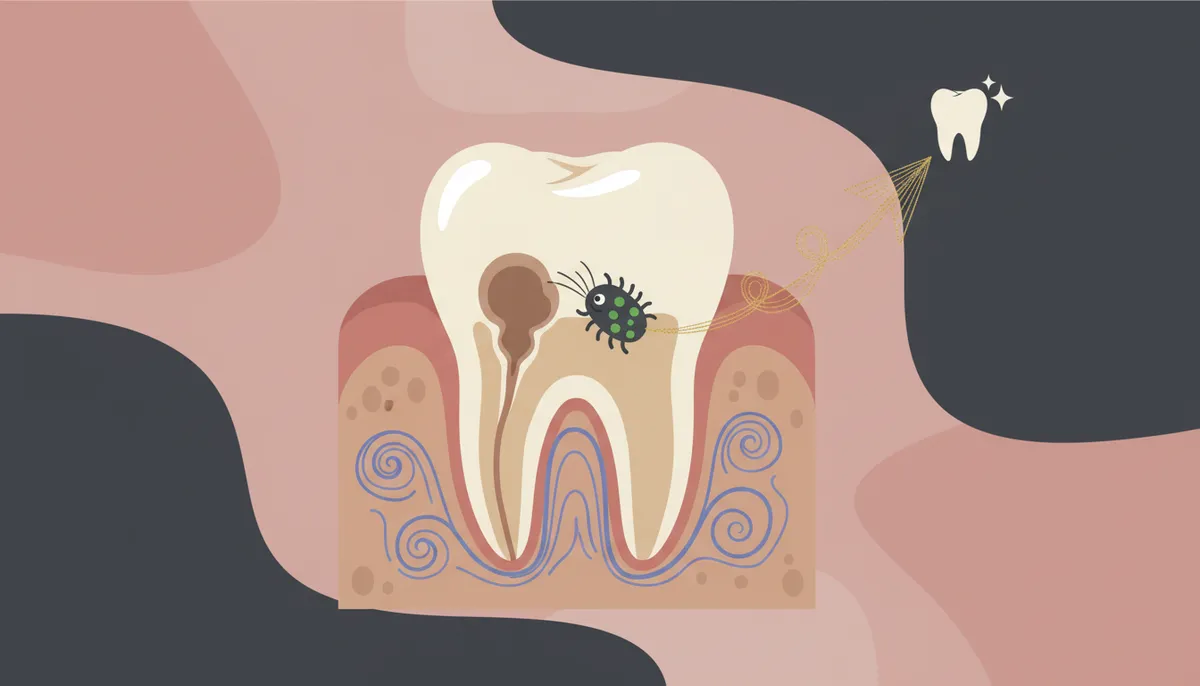
Tooth decay starts when bacteria in your mouth feed on sugars and produce acid. That acid slowly wears away your tooth enamel. Over time, this creates holes called cavities. Left untreated, decay can spread deeper into the tooth and cause serious pain and infection. The faster you act, the simpler — and less costly — the fix tends to be.
The great news is that modern general dentistry has made treating tooth decay easier, faster, and more comfortable than ever before. Read on for 11 proven strategies to protect your teeth.

1. Schedule Regular Dental Checkups Every Six Months
This is the single most powerful thing you can do. Dental exams and cleanings are recommended every six months for optimal oral health. Your dentist can spot small areas of decay before they become big problems. Early detection saves you time, money, and discomfort down the road.
During a checkup, your dentist will take X-rays, examine each tooth, and check for early signs of decay. Learn more about what to expect by reading our guide on dental exams: what to expect and why they matter.
2. Get Dental Fillings to Stop Cavities Fast
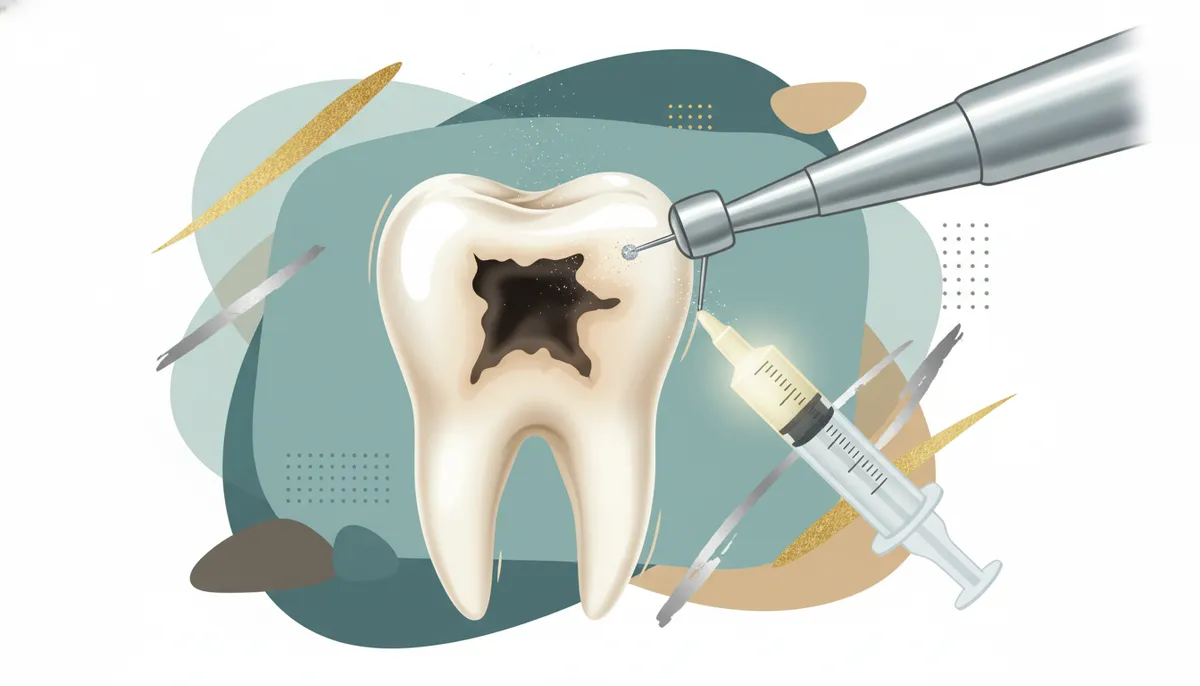
When decay is caught early, a dental filling is usually all you need. Composite fillings are color-matched to blend with your natural teeth, so no one will even notice. The procedure is quick, comfortable, and long-lasting. Timely intervention with fillings can effectively address decay and maintain optimal oral health long-term.
Curious about what the process feels like? Our detailed article on pain-free dental fillings in Ocoee walks you through everything step by step. You'll be surprised at how simple and stress-free modern fillings can be!

3. Use Fluoride Treatments for Extra Protection
Fluoride is like a shield for your teeth. It strengthens enamel and helps fight off the acid attacks that cause decay. Fluoride treatments are quick, painless, and applied right in the dental chair in just a few minutes. They're especially helpful for kids and adults who are prone to cavities.
This is a key part of preventative general dental care that's easy to overlook but makes a huge difference. Ask about fluoride at your next visit — your teeth will thank you!
4. Consider Inlays and Onlays for Moderate Decay
Sometimes decay is too extensive for a simple filling but doesn't quite require a full crown. That's where inlays and onlays come in. They're custom-made restorations that fit precisely into or onto the damaged part of your tooth.
Here's a quick breakdown of how they compare:
- Inlays — fit within the cusps of the tooth's chewing surface
- Onlays — extend over one or more cusps to cover more of the tooth
- Crowns — cap the entire tooth for more severe damage
- Fillings — ideal for smaller cavities and early-stage decay
This middle-ground option preserves more of your natural tooth structure, which is always the goal in restorative dental procedures in Ocoee.
5. Ask About Dental Crowns for Severely Damaged Teeth
When decay has weakened a large portion of a tooth, a crown is often the best solution. A crown caps the entire tooth, restoring its strength, shape, and appearance. Modern crowns are made from tooth-colored materials that look completely natural.
Our crowns & bridges service at Charming Smiles of Ocoee is designed to rebuild your smile with long-lasting results. You can also read our full guide on crowns and bridges in Ocoee to learn what the process involves.
6. Seek Root Canal Treatment for Deep Decay
If decay has reached the inner pulp of your tooth, root canal therapy is often the best way to save it. During this procedure, your dentist removes the infected tissue, cleans the inner canals, and fills the space with a safe material. Then, a crown is usually placed on top for protection.
Many people fear root canals, but modern techniques make the experience much more comfortable than most expect. Don't let the name scare you — a root canal actually relieves pain rather than causes it! Learn more about root canals and how they can save your natural tooth. You can also compare your options in our article on root canal vs. tooth extraction.
7. Address Tooth Loss With Dental Implants or Dentures
Sometimes, decay has progressed so far that a tooth must be extracted. But losing a tooth doesn't have to mean losing your smile. There are excellent options to fill the gap and restore your bite.
Here are your main replacement choices:
- Dental implants — the gold standard, offering a permanent, natural-feeling replacement
- Dentures — a removable option suitable for multiple missing teeth
- Dental bridges — a fixed option that bridges the gap between existing teeth
Untreated tooth loss can lead to shifting teeth, bone loss, and damage to surrounding teeth. Acting quickly is important. Check out our pages on dental implants and dentures to explore what's right for you.
8. Get Emergency Dental Care When Pain Is Severe
Severe tooth decay can become a dental emergency quickly. An abscessed tooth — where infection forms at the root — causes intense pain and swelling. This needs immediate attention. Waiting can make the situation much worse and more expensive to treat.
Here's how to recognize a dental emergency related to decay:
- Severe, throbbing toothache that won't go away
- Swelling in the jaw, cheek, or gums
- Fever combined with dental pain
- A bump or pimple on the gum near the painful tooth
- Sensitivity to heat that lingers long after the stimulus is removed
If you're dealing with any of these signs, our emergency dentistry team is here to help. You can also learn more about what to do when you need emergency dental care in Ocoee. Don't wait —call us at (407) 378-3704 for prompt, compassionate care.
9. Build a Strong At-Home Oral Hygiene Routine
Prevention is always better than treatment. A solid daily routine goes a long way toward keeping decay away. Here's what an effective routine looks like:
- Brush twice a day with fluoride toothpaste for at least two minutes each time.
- Floss once daily to remove plaque and food from between teeth where brushes can't reach.
- Use an antibacterial mouthwash to kill bacteria and freshen breath.
- Drink plenty of water, especially fluoridated tap water, to rinse away food particles.
- Limit sugary snacks and acidic drinks like soda and fruit juice.
For more tips, check out our helpful guide on building a dental hygiene routine that protects your smile.
10. Explore Dental Savings Plans and Financing Options
One of the biggest reasons people delay dental care for tooth decay in Ocoee is cost. But there are more affordable options than most people realize. At Charming Smiles of Ocoee, we want every patient to get the care they need without financial stress.
Here are some ways to make treatment more manageable:
- Use your existing dental insurance if available
- Sign up for a dental savings plan for discounts on a wide range of services
- Explore flexible payment plans through CareCredit or Sunbit
- Check out our current specials for new patient offers
You can also read our full breakdown of dental care financing in Ocoee to find the best option for your budget. Don't let money be the reason you delay important treatment!
11. Choose a Trusted Ocoee Dentist Who Puts You First
Perhaps the most important step of all is finding the right dental home. You want a dentist who listens, explains your options clearly, and makes you feel comfortable throughout every visit. For patients in the Ocoee area, that means a practice that combines advanced technology with genuine, compassionate care.
At Charming Smiles of Ocoee, Dr. Aliuska Lopez and her team specialize in creating a calm, spa-like environment where every patient feels welcome. Whether you're dealing with a small cavity or complex decay, you'll receive personalized treatment designed around your needs and comfort. The office is conveniently located near Publix in Ocoee. You can visit us on Google — Charming Smiles of Ocoee to read hundreds of five-star reviews from happy patients just like you.
Want to learn more about our team and philosophy? Visit our about us page or follow us on our Charming Smiles Facebook page and Charming Smiles Instagram page for tips, updates, and smile inspiration.
How to Know Which Treatment Is Right for You
Not sure where to start? Here's a simple guide based on how far your decay has progressed:
- Early decay (white spots, no cavity yet) — Fluoride treatments and improved home care
- Small to medium cavity — Composite dental filling
- Larger cavity affecting multiple surfaces — Inlay or onlay
- Severely damaged tooth — Dental crown
- Decay reaching the nerve — Root canal therapy followed by a crown
- Tooth beyond saving — Extraction followed by an implant, bridge, or denture
Your dentist will assess your specific situation and recommend the most conservative treatment that restores full function. The goal is always to preserve your natural teeth as long as possible.
Tips to Prevent Tooth Decay From Coming Back
After treatment, it's important to protect your results. Here are some easy habits that make a real difference:
- Keep all your six-month dental checkup appointments without skipping
- Ask your dentist about sealants for extra protection on back teeth
- Chew sugar-free gum after meals to stimulate saliva and neutralize acid
- Replace your toothbrush every three months or after illness
- Talk to your dentist if you notice any new sensitivity or pain between visits
For a deeper dive into keeping your oral health on point, explore our article on what good dental health really means in 2026.
Ready to Take the Next Step?
Tooth decay is common, but it's also very treatable — especially when you act early. Whether you need a simple filling or a more involved restoration, the team at Charming Smiles of Ocoee is ready to guide you through every step with kindness and skill. You can even book online at your convenience. There's no reason to put your smile on hold any longer —call us at (407) 378-3704 to schedule your appointment and take the first step toward a healthier, happier smile today!
FAQs
Q: What are the treatment options for tooth decay in Ocoee?
A: Great news — there are plenty of options depending on how far the decay has progressed! Early-stage decay may only need fluoride treatment, while cavities are typically treated with tooth-colored fillings. More severe decay may require inlays, onlays, crowns, or even root canal therapy to save the tooth.
Q: When do I need a root canal versus a filling for tooth decay?
A: A filling is usually enough when decay is limited to the outer layers of the tooth. However, if the decay has reached the inner pulp — causing significant pain, sensitivity, or infection — a root canal is the recommended treatment to remove infected tissue and save the tooth.
Q: How can I prevent tooth decay and cavities from coming back?
A: Prevention is totally achievable with a few consistent habits! Brush twice daily with fluoride toothpaste, floss every day, limit sugary foods and drinks, and visit your dentist every six months for a checkup and cleaning. Ask your dentist about fluoride treatments or sealants for added protection.
Q: What should I do if I have severe tooth decay pain in Ocoee?
A: Don't wait it out — severe tooth pain is a sign that decay may have reached the nerve or caused an infection. Contact a dental office as soon as possible for emergency care. Prompt treatment can relieve the pain quickly and prevent the infection from spreading.
Q: Are dental implants available in Ocoee for teeth lost to decay?
A: Absolutely! If a tooth is too damaged to save and needs to be extracted, dental implants are an excellent long-term replacement option. They look, feel, and function just like natural teeth, and they help prevent bone loss in the jaw after tooth extraction.